What to Do When Your Dog Is Not Interested in Training Treats
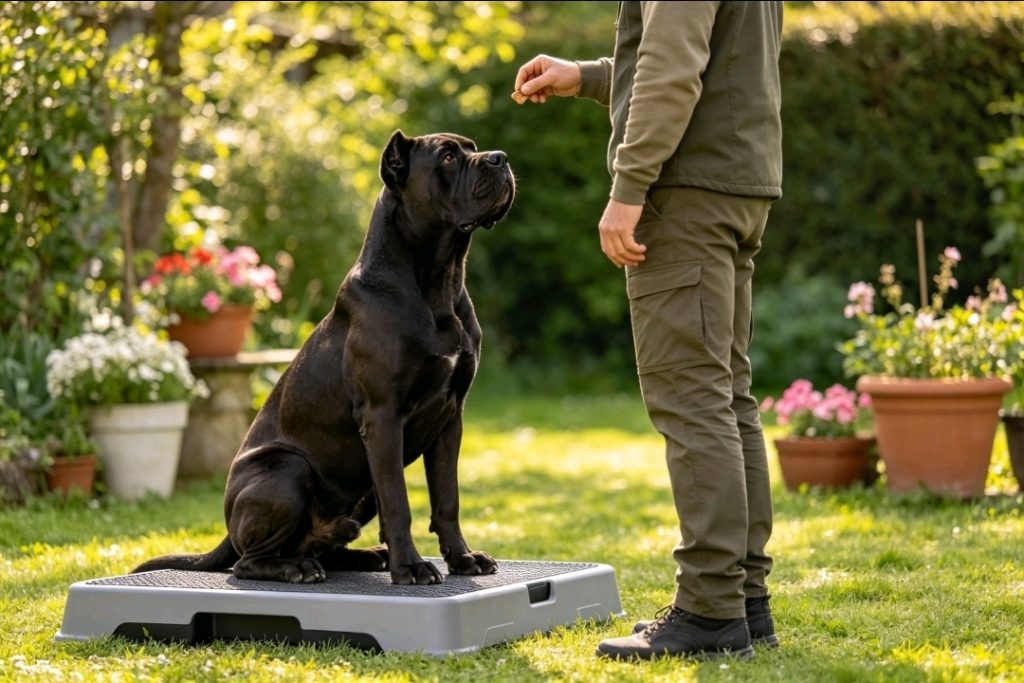
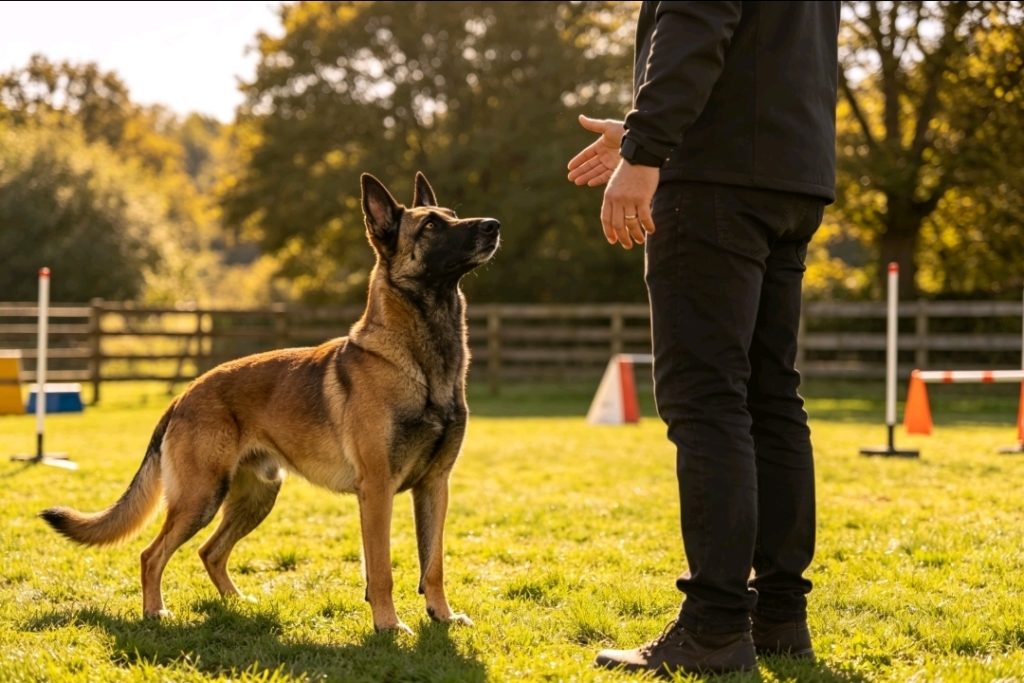
What to Do When Your Dog Is Not Interested in Training Treats is a common concern for handlers who expect food to immediately motivate their dog during training. A dog may ignore a treat, take it slowly, drop it, turn away from it or show greater interest in the surrounding environment. This can be frustrating when the handler is trying to teach a new behaviour or use food as part of a lure. The problem can become even more noticeable when the dog eats normally outside training but appears uninterested as soon as an exercise begins.
RECOMMENDED PRODUCT
Training Treats — suitable small training treats can give the handler an appropriate reward option to assess whether the dog responds differently to different food types, sizes or textures.
Common Problems When a Dog Ignores Training Treats
One of the first problems is assuming that every dog will automatically find every training treat motivating.
Dogs can have individual preferences for different foods, textures, smells and sizes. A treat that appears highly rewarding to one dog may have very little value to another.
The problem can become more complicated when the handler repeatedly presents the same treat without observing the dog’s response.
The dog may continue looking away, sniffing the environment or showing greater interest in other activities.
This can lead the handler to believe that the dog is unwilling to train when the actual issue may be that the reward being offered is not sufficiently motivating in that particular situation.
Common Issues With the Training Environment
A dog may be interested in food in a quiet home environment but ignore the same food in a busy training location.
Sounds, movement, unfamiliar people, other dogs, smells and changes in surroundings can compete with the food reward.
When the environment becomes more interesting than the reward, the dog may struggle to focus on the handler.
This can be particularly confusing when the handler knows that the dog normally enjoys the same food.
The difference may be the circumstances rather than the food itself.
Common Mistakes With Training Treats
A common mistake is offering treats too frequently without considering their value.
If food is constantly available, the dog may become less interested in individual rewards during training.
Another mistake is using pieces that are too large. A large treat can interrupt the flow of an exercise because the dog needs more time to chew and swallow it.
Treats that are difficult to eat quickly can also affect the timing of the next repetition.
The handler may then start changing the exercise or presenting additional food because the training session feels slower than expected.
RECOMMENDED PRODUCTS
Treat Pouch — a suitable treat pouch can keep small rewards accessible and allow the handler to manage food delivery without repeatedly stopping the training exercise.
Frustration When Your Dog Will Not Take Food
A dog refusing a training treat can quickly become frustrating for the handler.
The handler may offer another treat, move closer, repeat the exercise or increase the amount of food.
The dog may then receive even more attention for ignoring the original reward.
If this continues, the training session can become focused almost entirely on getting the dog to take food rather than understanding the exercise.
The handler may also begin to assume that the dog does not want to work.
This can create an inaccurate interpretation of the dog’s behaviour because a lack of interest in one reward does not necessarily mean a lack of interest in training.
Timing Problems With Food Rewards
Timing can also affect how valuable a treat appears during training.
If the reward is delivered too late, the dog may not clearly connect it with the behaviour.
If the handler spends too much time preparing the food, the dog’s attention may move elsewhere before the reward is delivered.
The same can happen when the handler changes the position of the food repeatedly or moves the treat away from the dog too quickly.
Poor timing can make food appear less useful even when the dog normally enjoys eating it.
Misunderstanding and Miscommunication
One of the most common misunderstandings is assuming that food motivation is exactly the same in every situation.
A dog can be hungry and still not take a particular reward during a difficult or distracting exercise.
The dog may also be interested in the food but unable to concentrate because the environment is too challenging.
Another possibility is that the dog does not understand what behaviour is being requested.
If the handler continues presenting food without making the training process clearer, the dog may become uncertain about what is expected.
The result can look like a food-motivation problem when communication and training difficulty are also involved.
When the Dog Is More Interested in the Environment
Some dogs will ignore food when something more interesting is happening around them.
A moving person, another dog, a new smell or an unfamiliar sound can become more important than the reward.
This does not automatically mean that the food is unsuitable.
It may indicate that the current training environment is more difficult than the dog’s present level of understanding and engagement.
If the handler continually increases distractions while the dog is already disengaged, the problem can become more pronounced.
RECOMMENDED PRODUCTS
Training Mat — a training mat can provide a consistent location for controlled training and help create a clearer, less distracting starting point for food-based exercises.
GPK9’S FIVE GOLDEN RULES
The GPK9 Five Golden Rules provide a connected training system for understanding why a dog may not be engaging with training treats and how different parts of the dog’s training structure can affect food-based work.
The purpose is not simply to find a different treat.
The handler needs to consider the dog’s environment, routine, level of freedom, communication, motivation, arousal and ability to concentrate.
The Five Golden Rules create a structured framework that can be applied from a new puppy and family pet through to experienced dog owners, professional trainers and handlers.
Golden Rule One — Home and Social
Food engagement can be affected by what happens before formal training begins.
A dog that has unrestricted access to the home, inconsistent routines or excessive freedom may arrive at a training session in a different state from a dog that has a predictable structure.
Golden Rule One provides the progression:
Crate → Placemat → Playpen
The crate provides safety, reset and toilet support.
The placemat provides calm home freedom.
The playpen provides monitored freedom.
This structure gives the handler a way to manage the dog’s level of freedom while observing behaviour and progression.
The traffic-light system provides further guidance:
- Green — progress and monitor.
- Amber — observe and review.
- Red — return to the appropriate controlled stage or stop.
This directly addresses situations where the dog’s lack of engagement may be connected to inconsistent home structure rather than the training treat itself.
Golden Rule Two — Obedience
Golden Rule Two is directly connected to food-based obedience training.
Food can be used as part of structured obedience and luring, with the handler working in a consistent area and around a consistent time where appropriate.
The handler can use praise, shaping and movement while delivering food by hand.
The objective is not simply to hold food in front of the dog.
The handler needs to create a clear connection between the behaviour, movement and reward.
If the dog is not interested in the food, the handler can observe the circumstances rather than automatically assuming that more food is required.
The dog’s attention, body language, environment and response to the exercise all provide information.
Golden Rule Three — Prey Drive / Play
Not every dog will respond to food in the same way in every circumstance.
Golden Rule Three provides another structured area for motivation through play.
Prey-drive and play activities are kept separate from obedience work and can involve appropriate tug or toy interaction in a quiet area.
This gives the handler another way to observe engagement and arousal without turning every play interaction into an obedience exercise.
The traffic-light structure helps monitor the dog’s state:
- Green — observe and play.
- Amber — observe and reduce arousal.
- Red — stop and return to calm.
This is particularly relevant when a dog shows greater interest in play than food or becomes too highly aroused to concentrate.
Golden Rule Four — Toilet
Toilet training may not appear directly related to training treats, but routine is part of the wider training structure.
Golden Rule Four uses the same place, the same general timing and a toilet command.
A predictable toilet routine can help the handler manage the dog’s daily schedule and reduce unnecessary disruption around training.
It also reinforces the wider principle that dogs benefit from clear patterns rather than constantly changing expectations.
Golden Rule Five — Social Walking / Ignore the World
Environmental distractions can strongly affect whether a dog is interested in food.
A dog may ignore a treat because people, dogs, traffic, smells or movement have become more significant than the reward.
Golden Rule Five focuses on creating a calm, relaxed and manageable walk without continually issuing commands.
The handler observes the dog and the environment and uses the traffic-light system:
- Green — monitor and continue.
- Amber — stop and allow the dog to become calm in a quieter area until Green.
- Red — stop the walk immediately.
This directly connects to situations where a dog is not taking food because the environment has become too difficult.
The solution is not necessarily to keep presenting the treat. The handler first needs to recognise what is affecting the dog’s ability to engage.
Solution Connection
The problem of a dog refusing training treats should not automatically be treated as a simple food problem.
The training process can be understood through:
Problem → Issue → Mistake → Timing → Frustration → Misunderstanding → GPK9 Five Golden Rules → Structured Solution
If the dog has inconsistent home structure, Golden Rule One provides a framework for managing freedom and calm behaviour.
If the issue concerns food, luring, communication or reward timing, Golden Rule Two provides the central obedience structure.
If the dog shows greater engagement with toys or becomes highly aroused through play, Golden Rule Three provides a separate framework for motivation and play.
If routine is affecting the dog’s daily structure, Golden Rule Four provides predictable toilet management.
If environmental distractions are affecting food engagement, Golden Rule Five provides a structured approach to calm social walking.
The important point is that the handler should observe the complete situation rather than assuming that the treat itself is always the problem.
RECOMMENDED PRODUCTS
Dog Enrichment Toy — an appropriate enrichment toy can provide an alternative form of engagement when food is not the most motivating activity for a particular dog or situation.
Final Connection
What to Do When Your Dog Is Not Interested in Training Treats requires more than simply offering a different food.
The handler needs to consider the dog’s individual preferences, the training environment, the difficulty of the exercise, reward size and timing, communication, arousal and the wider daily structure.
A dog refusing a treat does not automatically mean that the dog does not want to train. The surrounding circumstances can have a significant effect on whether the dog is able or willing to engage with food at that particular moment.
The GPK9 Five Golden Rules provide a connected framework for looking at those circumstances.
Home and social structure creates a foundation. Obedience provides structured communication through food, luring, praise, shaping and movement. Play provides another area for motivation and engagement. Toilet training establishes routine, while social walking develops calm and manageable behaviour around the wider environment.
Together, these rules help the handler move away from simply asking, “Why won’t my dog take the treat?” and instead consider the wider training situation.
Effective food-based training is not only about the reward itself. It is about understanding the dog, recognising the environment, maintaining appropriate timing, creating clear communication and building a structured training process that allows engagement to develop naturally.