Common Dog Obedience Training Problems and How to Fix Them
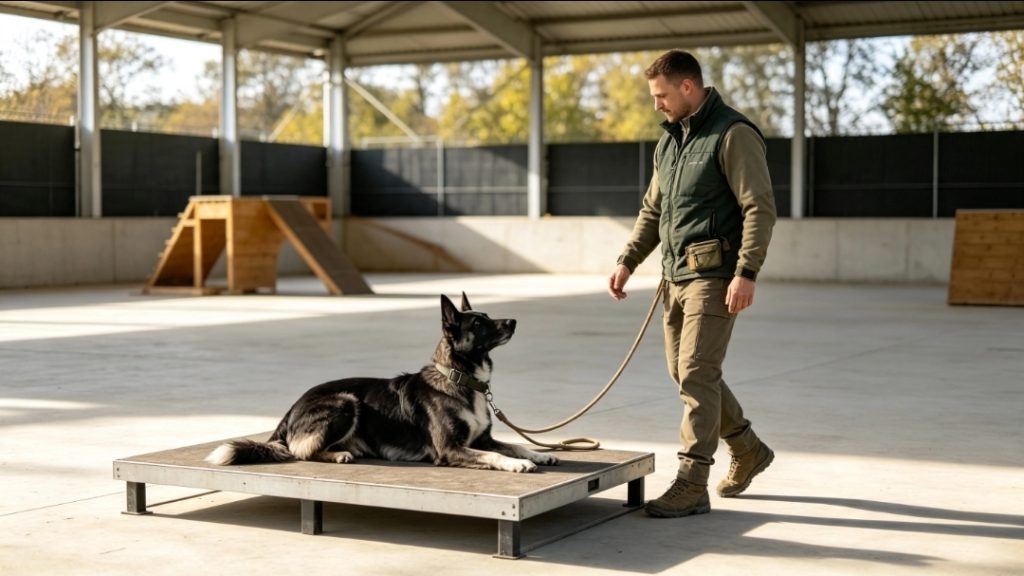
Common Dog Obedience Training Problems and How to Fix Them is an important topic because obedience training can become difficult when the dog does not clearly understand what the handler expects. Problems may appear as a lack of attention, inconsistent responses, delayed reactions, loss of focus, frustration, excessive movement or difficulty performing an exercise outside the original training environment. These difficulties can become more noticeable when the handler changes methods, timing, rewards or expectations too quickly. Without a clear structure, both dog and handler can become frustrated, making it harder to identify what is actually causing the problem. RECOMMENDED PRODUCT: Obedience Training Equipment — suitable basic obedience equipment can help create a consistent training setup and give the handler greater control over the training environment.
Common Problems With Dog Obedience Training
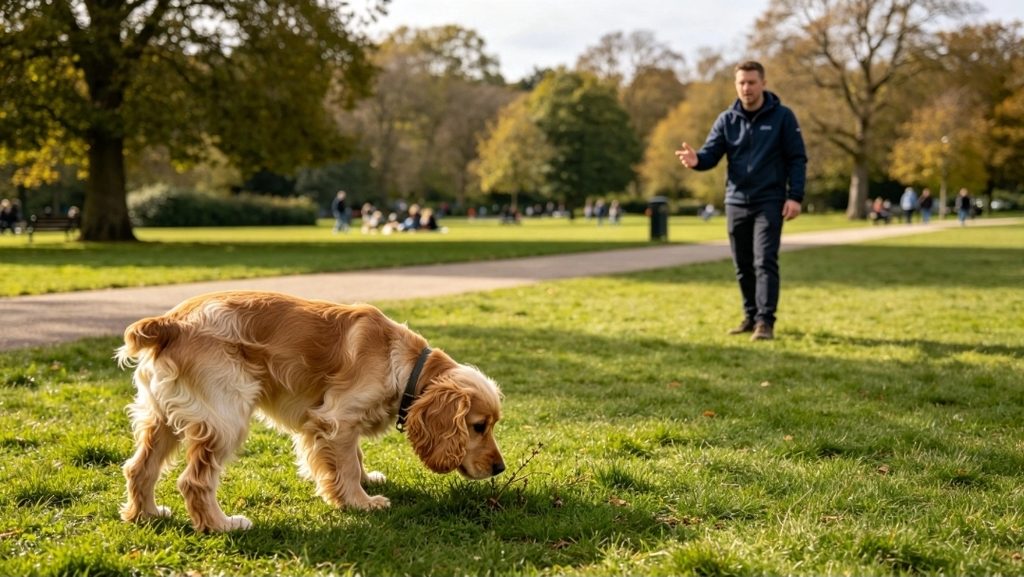
One of the most common obedience problems is that the dog does not maintain attention on the handler.
The dog may become distracted by movement, sounds, smells or objects in the environment. The handler may then repeat the same instruction several times, increase their movement or change the exercise without understanding why the dog’s attention has been lost.
Another common problem is expecting the dog to perform an exercise reliably before sufficient understanding has been developed.
A dog may perform an exercise successfully in one quiet location but struggle when the same exercise is attempted somewhere unfamiliar. This can create the impression that the dog has forgotten the behaviour when the real difficulty may be the change in circumstances.
Common Issues With Communication
Obedience depends on communication between the dog and handler.
Problems can occur when different words, gestures, body positions or reward patterns are used for the same exercise. The dog may receive different information depending on who is training it or where the training takes place.
Repeatedly changing communication can make it difficult for the dog to identify the information that matters.
The handler may also unintentionally give additional signals through body movement, hand position or changes in posture. These signals can become confusing when they are not used consistently.
Common Mistakes With Food and Luring
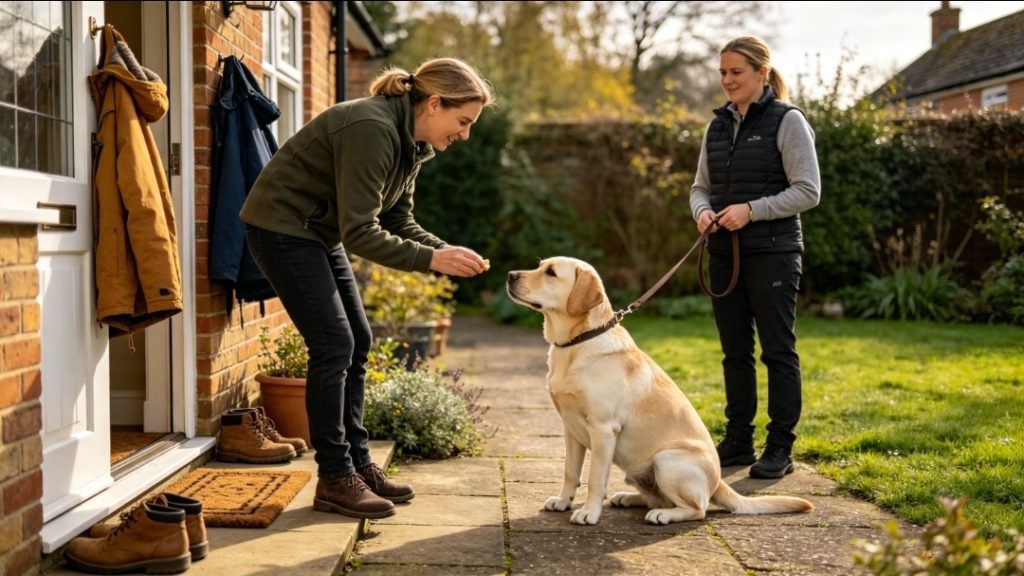
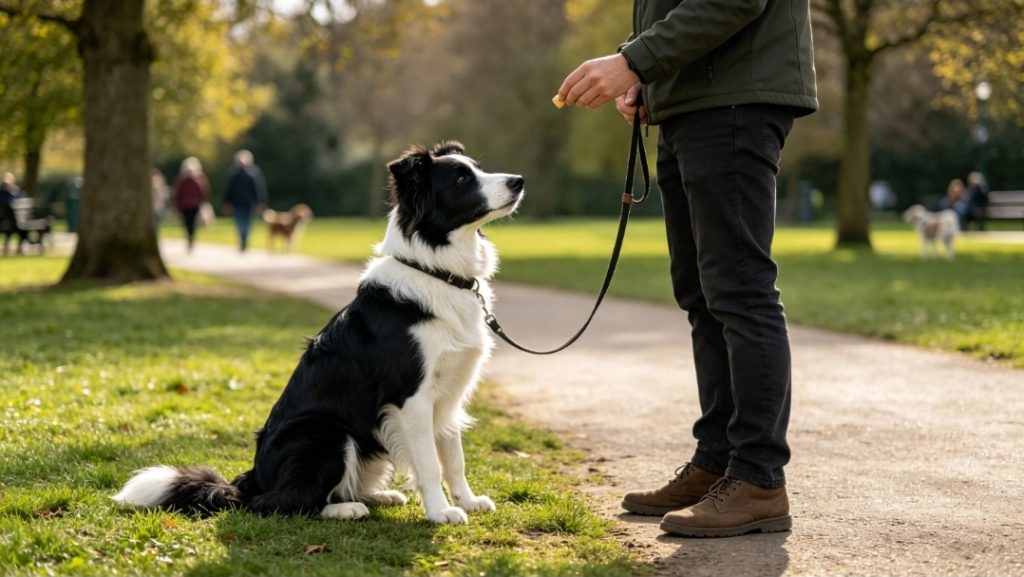
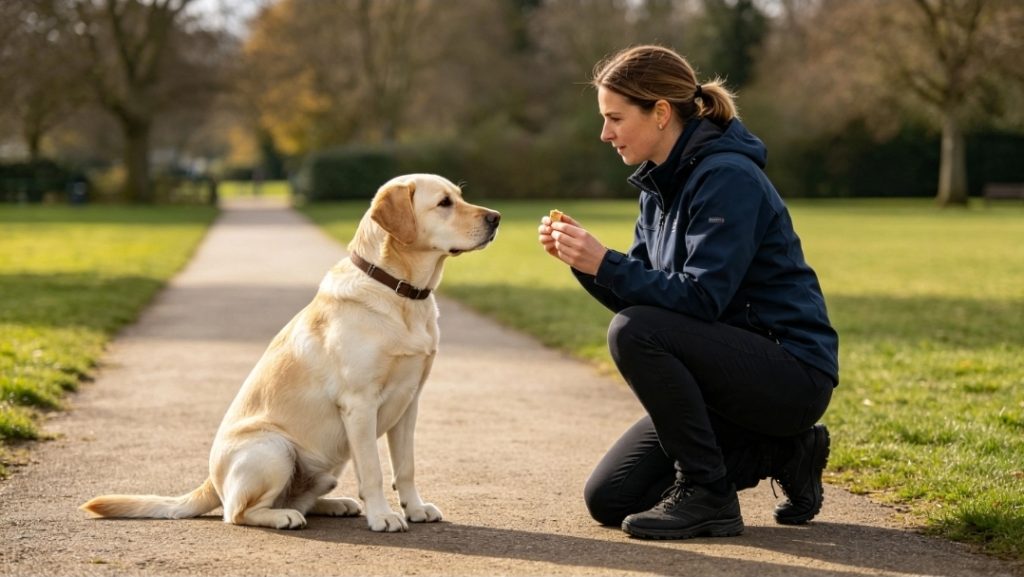
Food can be useful during obedience training, but problems can develop when the food is handled inconsistently.
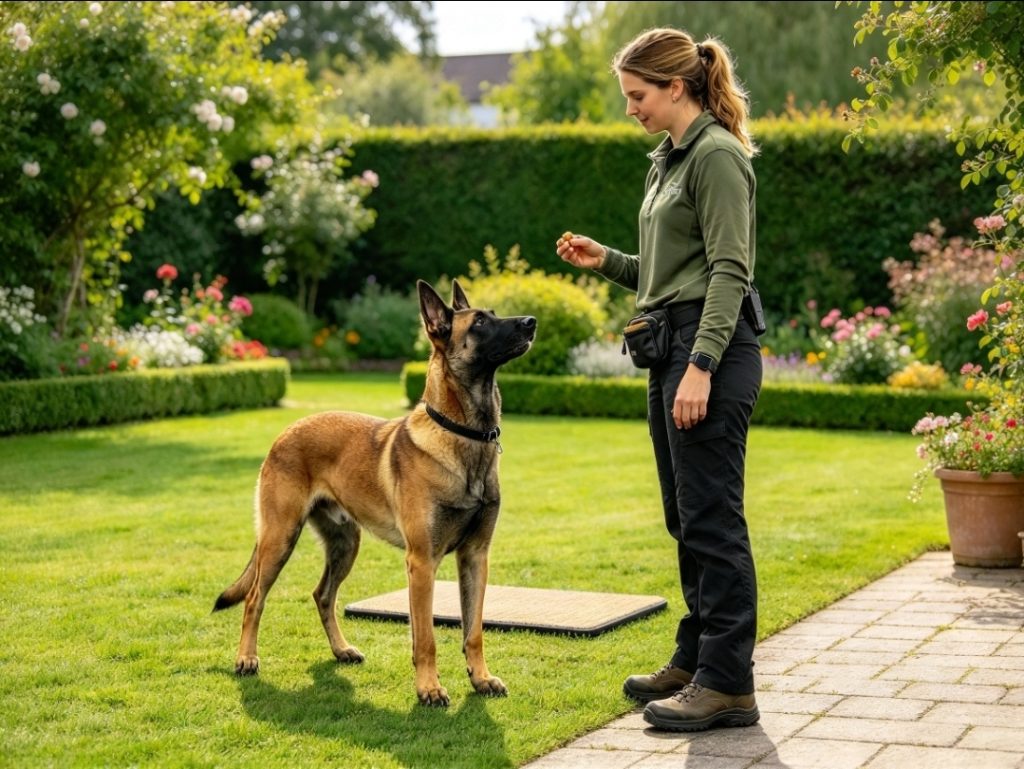
The handler may move the food too quickly, position it incorrectly or reward the dog at the wrong moment. The dog can then become focused on chasing the food rather than understanding the movement being taught.
Another mistake is allowing the food to become the only thing the dog follows without gradually developing understanding of the handler’s movement and communication.
When food and luring are used without sufficient structure, the exercise can become more complicated rather than clearer.
RECOMMENDED PRODUCTS
Training Treats — appropriate training treats can help provide controlled, consistent rewards during obedience exercises.
Frustration During Obedience Training
Frustration can affect both the dog and the handler.
A handler may become frustrated when a dog performs an exercise correctly several times and then appears to stop responding. The handler may repeat the instruction, increase pressure through body movement or move to a more difficult environment.
The dog may also become frustrated when the exercise changes repeatedly or when the reward becomes unpredictable.
This can lead to shorter attention spans, excessive movement, disengagement or an unwillingness to continue participating in the exercise.
The difficulty is that frustration can cause the handler to change the training process at exactly the point where greater consistency is required.
Timing Problems in Obedience Training
Timing is one of the most important factors in obedience training.
If the handler rewards too early, the dog may learn a different behaviour from the one intended. If the reward arrives too late, the dog may not clearly connect the reward with the behaviour.
The same problem can occur when the handler changes position or movement before the dog has completed the intended action.
Poor timing can therefore make a dog appear inconsistent even when the dog is attempting to understand the exercise.
Misunderstanding and Miscommunication
A common misunderstanding is believing that a dog understands an obedience exercise simply because it has performed it successfully before.
Understanding can be affected by distance, distractions, location, handler position, motivation and the difficulty of the task.
If these factors change, the dog’s response may also change.
The handler may interpret this as refusal when the dog may simply be struggling with the increased difficulty. This misunderstanding can lead to further changes in the training method and create additional confusion.
Problems With Consistency
Inconsistent training can make obedience more difficult.
One session may involve food rewards, another may involve verbal rewards, and another may introduce different expectations. Different family members may also use different rules or responses.
The dog is then exposed to multiple patterns instead of one clear structure.
Consistency does not mean every training session must be identical. It means that the handler maintains clear expectations, communication, timing and progression while adapting appropriately to the dog’s current ability.
RECOMMENDED PRODUCTS
Treat Pouch — keeping rewards accessible can help the handler maintain more consistent timing and reward delivery during obedience training.
GPK9’S FIVE GOLDEN RULES
The GPK9 Five Golden Rules provide a connected training system designed to address the types of problems that can make obedience difficult.
The system does not treat obedience as an isolated activity. It considers the dog’s home structure, behaviour, motivation, routine, walking environment and relationship with the handler.
The framework can be applied from a new puppy and family pet through to experienced dog owners, professional trainers and handlers.
Each rule has a specific purpose, but the five rules work together to create a clearer structure for training.
Golden Rule One — Home and Social
Many obedience problems begin outside the actual obedience exercise.
A dog that has too much freedom, inconsistent boundaries or insufficient structure at home may arrive at training already distracted, overexcited or difficult to manage.
Golden Rule One provides the progression:
Crate → Placemat → Playpen
The crate provides safety, reset and toilet support.
The placemat introduces calm home freedom.
The playpen provides monitored freedom.
This progression helps the handler manage the dog’s level of freedom while monitoring behaviour.
The traffic-light system provides further structure:
- Green — progress and monitor.
- Amber — observe and review.
- Red — return to the appropriate controlled stage or stop.
This directly addresses obedience problems that are connected to excessive freedom, inconsistent expectations or poor home structure.
Golden Rule Two — Obedience
Golden Rule Two directly addresses the central subject of this article.
Food and luring can be used to develop engagement and guide the dog through an exercise. Training in the same area and around the same time can help establish a predictable routine.
The handler can use praise, shaping and movement while delivering food by hand as part of the structured training process.
The focus is not simply on getting the dog to perform an instruction. It is on developing clearer communication between dog and handler.
This directly addresses problems involving poor attention, inconsistent responses, unclear communication and unreliable timing.
The handler can observe the dog’s response and use the Green, Amber and Red structure to recognise whether the training is progressing appropriately or whether the exercise needs to be reviewed.
Golden Rule Three — Prey Drive / Play
Some obedience problems are connected to motivation and arousal.
A dog may become highly excited by play and then struggle to transition into a calm training exercise. Alternatively, the dog may lack sufficient engagement with the handler during structured work.
Golden Rule Three provides a separate area for prey-drive and play activities.
Tug or toy play can be used in an appropriate quiet area without turning the activity into an obedience exercise.
The traffic-light structure helps the handler monitor the dog’s state:
- Green — observe and play.
- Amber — observe and reduce arousal.
- Red — stop and return to calm.
This directly addresses problems involving excessive excitement, inappropriate play, loss of focus and difficulty managing arousal.
Golden Rule Four — Toilet
Toilet training may not appear directly connected to obedience, but routine and communication are important throughout a dog’s training.
Golden Rule Four uses the same place, the same general timing and a toilet command to create a predictable routine.
This can be particularly useful for puppies and dogs living in environments where access to outdoor toilet areas requires planning.
A consistent toilet routine can reduce interruptions and help establish a more structured daily pattern around training.
Golden Rule Five — Social Walking / Ignore the World
Obedience problems can become more obvious when the dog leaves the controlled training environment.
The dog may respond well indoors but become distracted by people, dogs, traffic, smells or environmental movement outside.
Golden Rule Five focuses on a calm, relaxed and manageable walk without turning every environmental distraction into a command.
The handler monitors the dog and the environment rather than continually reacting.
The traffic-light system provides a structured response:
- Green — monitor and continue.
- Amber — stop and allow the dog to become calm in a quieter area until Green.
- Red — stop the walk immediately.
This directly addresses obedience difficulties caused by environmental distractions, excessive excitement and loss of manageability during walks.
Solution Connection
The problems associated with obedience training should be considered in sequence rather than treated as isolated failures.
Problem → Issue → Mistake → Timing → Frustration → Misunderstanding → GPK9 Five Golden Rules → Structured Solution
If the dog lacks structure at home, Golden Rule One addresses the foundation.
If the problem concerns attention, communication, food, luring, timing or obedience itself, Golden Rule Two provides the central framework.
If motivation or excessive arousal affects training, Golden Rule Three provides a structured play system.
If routine and toilet management are creating interruptions, Golden Rule Four provides a predictable approach.
If environmental distractions affect the dog’s ability to remain manageable, Golden Rule Five provides a structured approach to social walking.
The important point is that these rules are connected. An obedience problem may involve more than the obedience exercise itself.
RECOMMENDED PRODUCTS
Training Mat — a training mat can provide a consistent location for structured exercises and help establish a clear training area within the home or another controlled environment.
Final Connection
Common Dog Obedience Training Problems and How to Fix Them are easier to understand when the behaviour, handler, environment, timing and structure are considered together.
A dog that struggles with obedience is not necessarily failing to learn. The difficulty may involve unclear communication, inconsistent expectations, poor timing, excessive distractions, inappropriate progression or insufficient structure around the training exercise.
The GPK9 Five Golden Rules provide a connected framework for addressing these areas.
Home and social structure establishes a foundation. Obedience develops communication and engagement. Play provides a controlled area for motivation and arousal. Toilet training establishes routine. Social walking develops calm and manageable behaviour in the wider environment.
Together, these areas provide a structured approach to identifying problems and progressing training appropriately.
Effective obedience training is therefore not simply about repeating an instruction until the dog responds. It involves understanding what is happening, recognising the source of the difficulty, maintaining appropriate consistency and using a structured training system that allows the dog and handler to build clearer communication over time.