Why Does My Dog Not Come Back When Called?
Few things are more frustrating for a dog owner than calling their dog and watching them completely ignore you.
You call their name.
Nothing.
You call again.
Still nothing.
Your dog suddenly becomes extremely interested in a smell.
Perhaps they spot another dog.
Maybe they start running in the opposite direction.
And you’re left wondering:
“Why does my dog not come back when called?”
This is one of the most important areas of dog training because a reliable recall isn’t simply about convenience.
It can help you manage your dog safely in everyday situations.
But when a dog doesn’t return, it doesn’t necessarily mean they are being stubborn or deliberately disobedient.
There can be several reasons why a dog ignores a recall.
Understanding those reasons is the first step towards building a more reliable response.
Why Does My Dog Not Come Back When Called?
There isn’t always one single reason.
Your dog may not come back because:
- They haven’t properly learned the recall
- The environment is too distracting
- Something else is more rewarding
- The recall cue has been repeated too many times
- They have learned that ignoring it works
- They associate recall with the end of something enjoyable
- They are excited
- They are chasing something
- They are nervous or uncertain
- Their recall has never been properly proofed around distractions
The important thing is to identify why your dog isn’t coming back rather than simply repeating the command louder.
1. Your Dog Hasn’t Actually Learned Recall
One of the most common reasons why your dog does not come back when called is that the recall hasn’t been properly taught.
Knowing the word “come” doesn’t automatically mean your dog understands what it means.
A reliable recall needs to be built through repetition.
Your dog needs to learn:
Hear recall cue → turn towards handler → move towards handler → return → receive reward.
This needs to become a strong behavioural pattern.
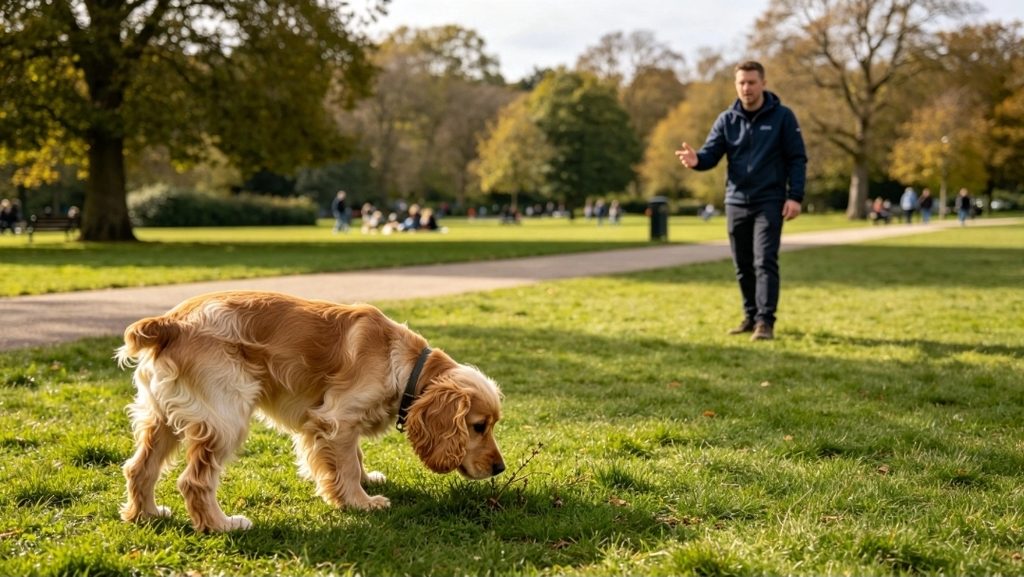
2. Your Dog Has More Interesting Things to Do
Imagine you’re calling your dog while they’re investigating an incredible smell.
From your perspective:
“Come!”
From your dog’s perspective:
“But there’s something extremely interesting here.”
The environment can provide powerful rewards.
Other dogs.
Wildlife.
Smells.
People.
Movement.
Open space.
If these distractions are more rewarding than returning to you, your dog may choose the environment.
This is why recall training needs to include progressively more difficult distractions.
3. Your Dog Has Learned That Ignoring You Works
Dogs learn from consequences.
If you call your dog and they ignore you, but nothing happens, they may learn that ignoring the cue is an option.
This can become a habit.
You call.
They ignore.
You call again.
They continue what they’re doing.
Eventually, your dog may learn that the recall cue doesn’t require an immediate response.
4. You Repeat the Recall Cue Too Many Times
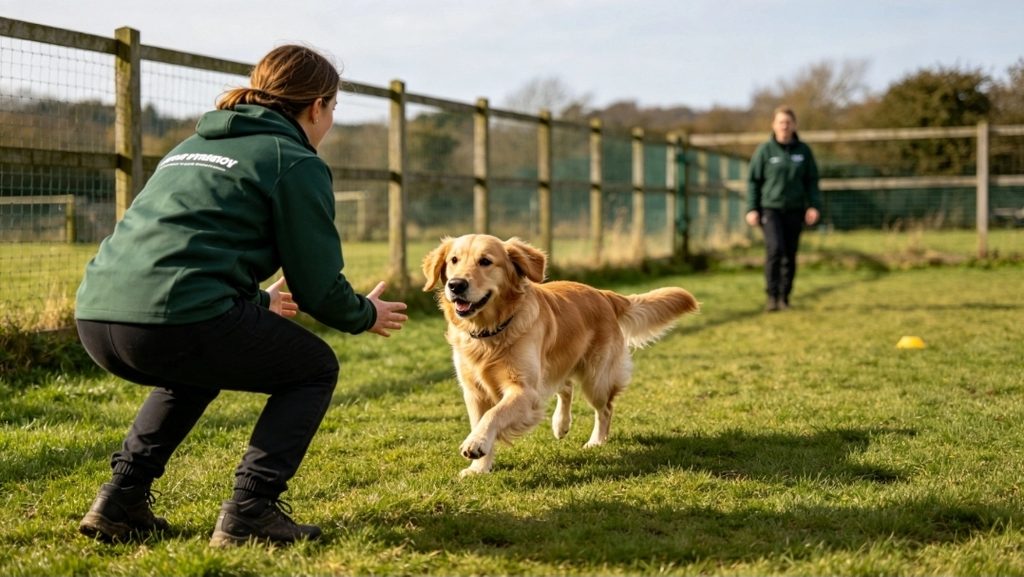
If you say:
“Come, come, come, come, COME!”
and your dog eventually returns, they may learn that the cue doesn’t need to be followed immediately.
The first command should have meaning.
Give your dog an opportunity to respond.
If they don’t understand, make the exercise easier rather than simply repeating the cue repeatedly.
5. Your Dog Associates Recall With the End of Fun
This is extremely common.
Your dog is enjoying themselves.
You call:
“Come!”
They return.
The lead goes on.
You walk home.
Fun finished.
If this happens every time, your dog can begin learning that recall means:
“The good stuff is about to end.”
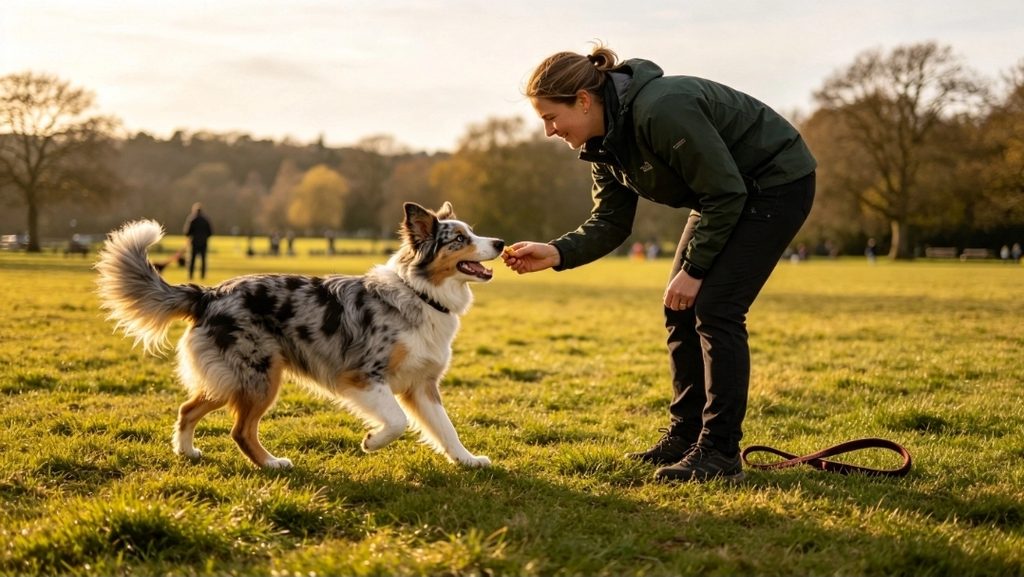
Instead, practise recalls that don’t always end the activity.
Call your dog.
Reward them.
Then release them back to explore.
This can make returning to you much more valuable.
6. You Only Call Your Dog When They’re in Trouble
If your dog hears their recall cue whenever something unpleasant is about to happen, they may become reluctant to respond.
For example:
Come → bath.
Come → leave the park.
Come → nail clipping.
Come → something unpleasant.
Recall should have plenty of positive experiences associated with it.
7. Your Dog Is Too Far Away
Distance makes recall harder.
A dog that reliably comes from two metres may struggle from fifty metres.
Start close.
Build success.
Gradually increase the distance.
This gives your dog the opportunity to develop a strong response before you introduce significant challenges.
8. Your Dog Is Too Distracted
This is one of the biggest reasons owners struggle with recall.
Your dog may come immediately when you’re inside the house.
Then you take them outside.
Suddenly everything changes.
New smells.
New sounds.
Other animals.
People.
Movement.
The level of distraction is dramatically higher.
Your dog hasn’t necessarily forgotten the recall.
The environment is simply more difficult.
9. Your Recall Cue Has Become Meaningless
If you’ve repeatedly called your dog without reinforcing the response, the cue can lose its effectiveness.
You may say:
“Come!”
Your dog doesn’t respond.
You repeat it.
Still nothing.
Eventually, the word becomes background noise.
If this has happened, you may need to rebuild the recall carefully.
Choose a clear cue.
Train it in easy environments.
Create strong positive associations.
Gradually increase the difficulty.
10. Your Dog Is Chasing Something
Chasing can be incredibly rewarding.
Your dog may chase:
- Birds
- Squirrels
- Rabbits
- Other dogs
- Running people
- Toys
- Moving objects
When your dog is already in full chase mode, recall becomes significantly harder.
Don’t rely on recall alone.
Manage the environment and prevent your dog from repeatedly practising uncontrolled chasing.
11. Your Dog Is Excited
Excitement can reduce your dog’s ability to concentrate.
They see another dog.
They become excited.
They want to run.
They may hear something interesting.
Their arousal increases.
The more excited they become, the harder it can be for them to respond.
Training should therefore include controlled exposure to distractions.
12. Your Dog May Be Nervous
Not every failure to return is caused by excitement.
A nervous dog may hesitate because they’re uncertain about what is happening.
Their environment may be overwhelming.
They may be worried about approaching.
Look at the overall body language.
If your dog appears fearful or distressed, address the underlying issue rather than simply demanding that they return.
How to Teach a Reliable Recall
The good news is that recall can be trained.
Start in an environment where your dog can succeed.
Step 1 — Choose a Clear Recall Cue
Choose a word or sound that you can use consistently.
Don’t keep changing it.
Step 2 — Start Close
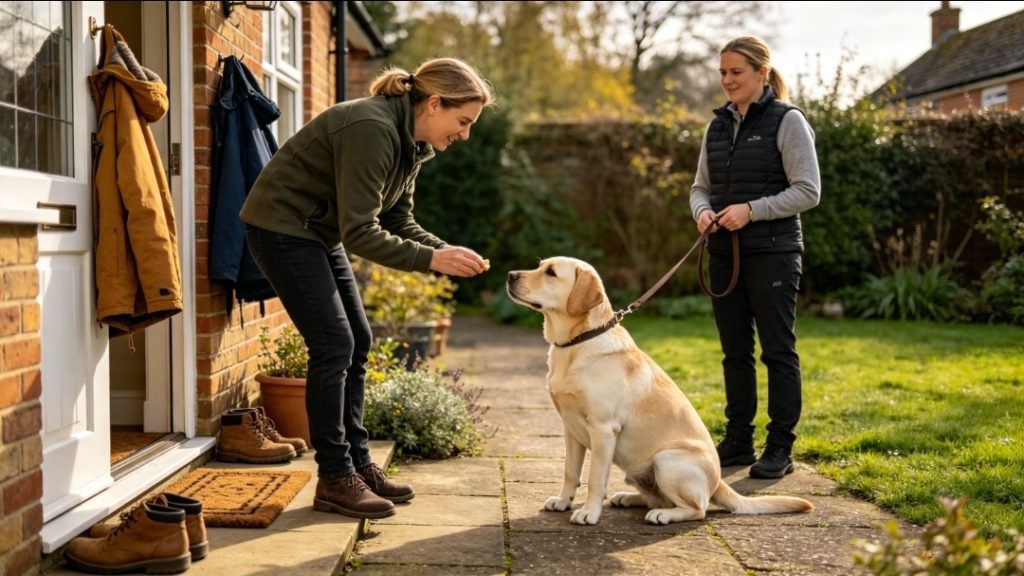
Call your dog from a short distance.
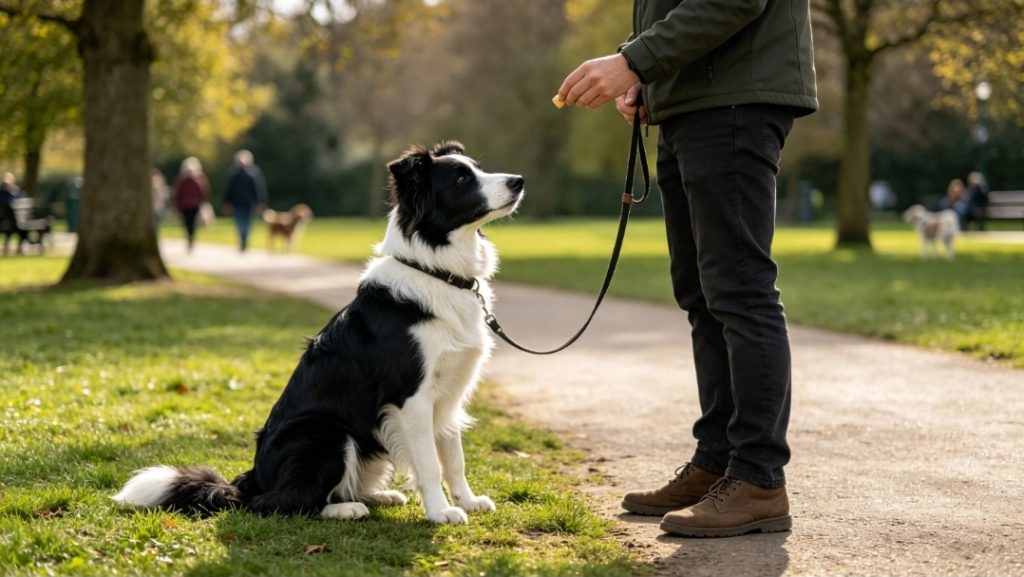
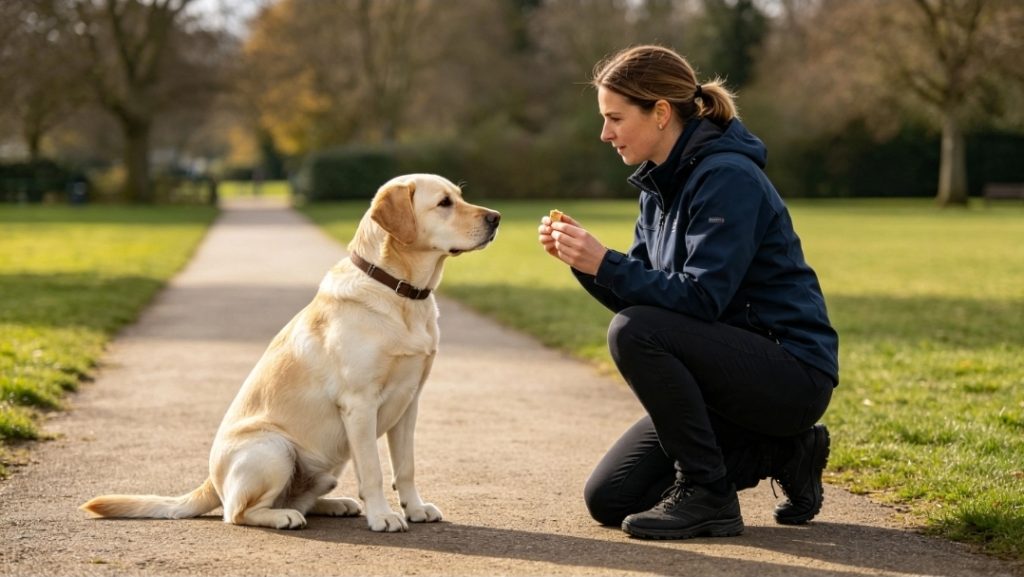
When they come towards you, reward them.
Step 3 — Make Yourself Valuable
Use rewards your dog genuinely enjoys.
Food.
Praise.
Play.
Toys.
Interaction.
Different dogs have different motivations.
Step 4 — Increase Distance
Gradually increase how far away your dog is when you call.
Step 5 — Introduce Distractions
Add distractions gradually.
Don’t immediately test your dog’s recall around the most exciting situation imaginable.
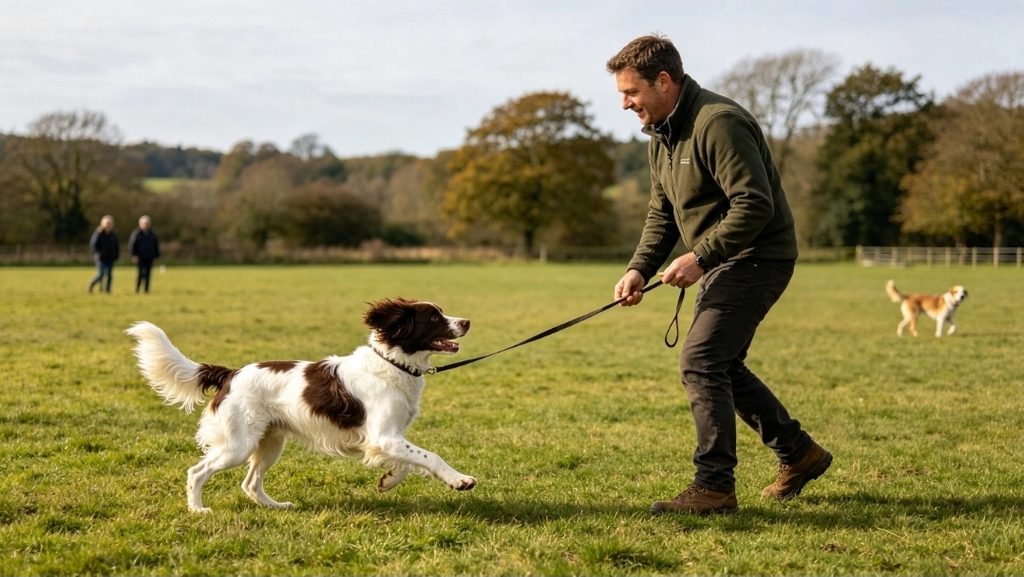
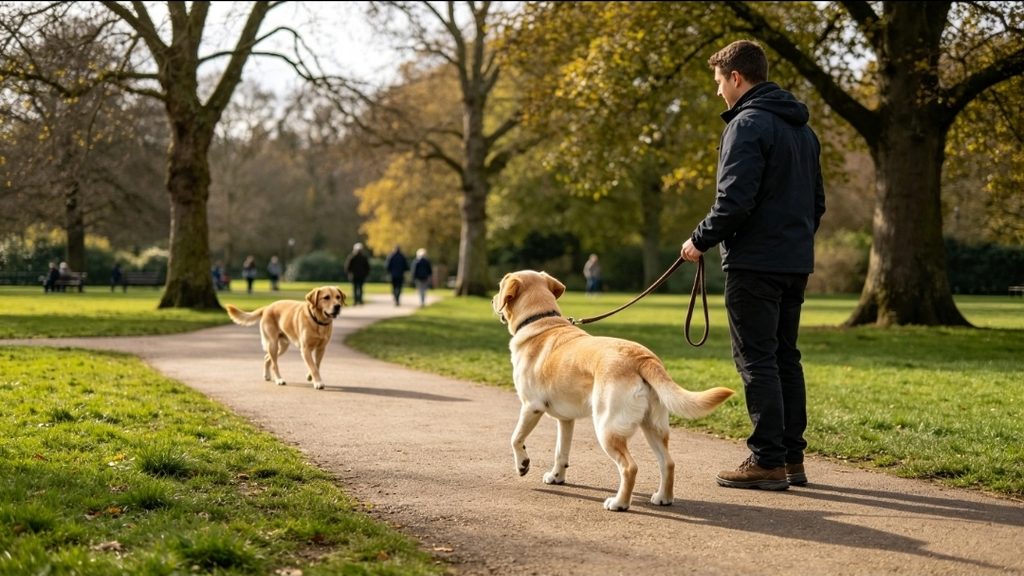
Use a Long Line During Training
A long training line can provide additional control while you develop recall.
It allows your dog to experience greater distance without giving them complete freedom to run away.
Use appropriate equipment and handle the line safely.
The objective isn’t to constantly pull your dog back.
The line is there as a management tool while you build the behaviour.
Don’t Call Your Dog When You Know They Won’t Come
This is important.
If your dog is already highly distracted and you know they aren’t going to respond, repeatedly calling them doesn’t help.
Instead:
Reduce the difficulty.
Move closer.
Increase distance from the distraction.
Regain your dog’s attention.
Then practise again.
You want to create successful repetitions.
Reward the Recall
When your dog comes back, reward them.
Especially during the early stages.
The reward needs to be meaningful to your dog.
You can also vary the reward.
Sometimes food.
Sometimes praise.
Sometimes play.
Sometimes returning to explore.
Your dog should learn:
Coming back to my handler is worthwhile.
Don’t Grab Your Dog and Immediately End the Fun Every Time
If your dog returns and you immediately grab their collar, put the lead on and leave, they may become reluctant to return.
Practise:
Come → reward → release.
Then later:
Come → reward → lead on → walk.
This prevents your dog from learning that every recall means freedom is finished.
What If My Dog Runs Away When I Call?
Don’t turn the situation into a game of chase.
Running after your dog can encourage them to run further.
Where it is safe to do so, make yourself interesting.
Move away from your dog.
Use an enthusiastic voice.
Encourage them towards you.
When they return, reward them.
Most importantly, improve management so the situation doesn’t repeatedly occur.
What If My Dog Comes Back Slowly?
A slow return is still a return.
Don’t punish your dog for eventually responding.
Instead, work on increasing the speed of the response during controlled training.
Reward faster responses.
Practise from shorter distances.
Increase motivation.
Build enthusiasm.
How Long Does Recall Training Take?
There is no universal timeframe.
Some dogs develop a good foundation quickly.
Reliable recall around significant distractions can take much longer.
Your dog’s:
- Age
- Breed
- Temperament
- Training history
- Motivation
- Environment
- Level of distraction
can all influence progress.
Don’t judge your dog’s recall based on one successful training session.
Reliability comes from repetition.
Don’t Expect a Perfect Recall Everywhere
A dog may have excellent recall in a quiet field but struggle around wildlife.
That’s normal.
The environment changes the difficulty.
Good training gradually increases the challenge.
Think of recall as a progression:
Home → garden → quiet outdoor area → secure field → mild distractions → greater distractions.
Build each stage before moving to the next.
GPK9 and Reliable Recall Training
If you’re asking why does my dog not come back when called, the solution isn’t simply teaching the word “come”.
Reliable recall requires engagement, obedience, motivation, impulse control and consistent practice.
These behaviours need to be developed progressively and then tested around increasingly difficult distractions.
GPK9 90 Day Transformation
The GPK9 90 Day Transformation is the most relevant GPK9 course for this subject because reliable recall is built over time.
A structured training period allows you to practise consistently, establish stronger communication with your dog and gradually increase the difficulty of your training environment.
The aim is to build a dog that doesn’t simply understand the recall cue in a quiet room, but develops the foundations needed to respond more reliably in everyday situations.
A Simple Recall Training Plan
Step 1 — Choose Your Cue
Use one clear recall word consistently.
Step 2 — Start Close
Practise from a short distance.
Step 3 — Reward Immediately
Make returning to you worthwhile.
Step 4 — Release Your Dog
Don’t make every recall mean the end of freedom.
Step 5 — Increase Distance
Gradually make the exercise harder.
Step 6 — Add Distractions
Introduce distractions one at a time.
Step 7 — Use Appropriate Management
Consider a secure environment or long training line during training.
Step 8 — Reward Fast Responses
Build enthusiasm for returning quickly.
Step 9 — Practise Regularly
Short, successful sessions build stronger habits.
Step 10 — Build Real-World Reliability
Gradually work towards reliable recall around everyday distractions.
Final Thoughts: Why Does My Dog Not Come Back When Called?
If you’re asking why does my dog not come back when called, remember that ignoring recall doesn’t automatically mean your dog is stubborn.
Your dog may not fully understand the cue.
They may be distracted.
They may have learned that ignoring you works.
They may be chasing something.
They may associate coming back with the end of fun.
Or the environment may simply be too difficult for their current level of training.
The answer is not necessarily to shout louder.
Build the behaviour.
Make returning worthwhile.
Start close.
Increase distance.
Introduce distractions gradually.
Use appropriate management.
And practise consistently.
A reliable recall isn’t created by repeatedly shouting “COME!” across a field.
It’s created by teaching your dog that responding to you is a behaviour worth choosing.
Call.
Connect.
Return.
Reward.
Repeat.