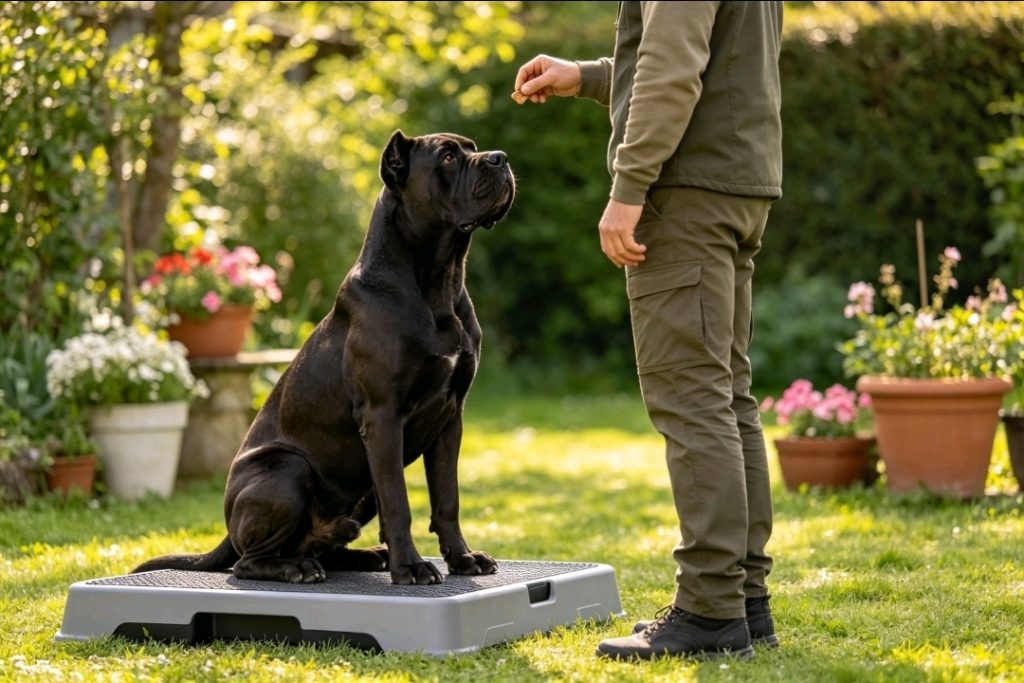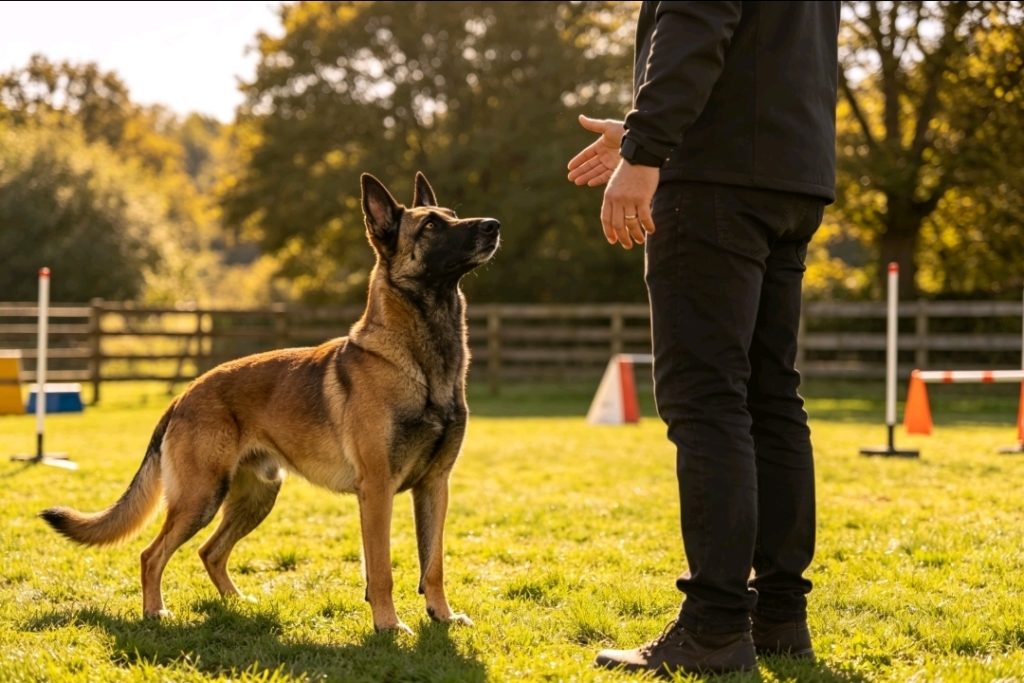
How To Build Better Handler Communication is a fundamental part of advanced dog training and one of the key skills developed within Fundamentals 3. Many obedience problems occur not because the dog refuses to listen, but because communication between dog and handler is unclear. Fundamentals 3 teaches owners that How To Build Better Handler Communication starts with understanding how dogs learn, how they interpret information, and how handlers can communicate more effectively in every training session.
Understanding Dog Communication
The foundation of How To Build Better Handler Communication is understanding that dogs communicate differently from humans. Dogs rely heavily on body language, movement, tone of voice, and consistency. Fundamentals 3 teaches owners how to recognise and understand canine communication so that training becomes clearer and more effective.
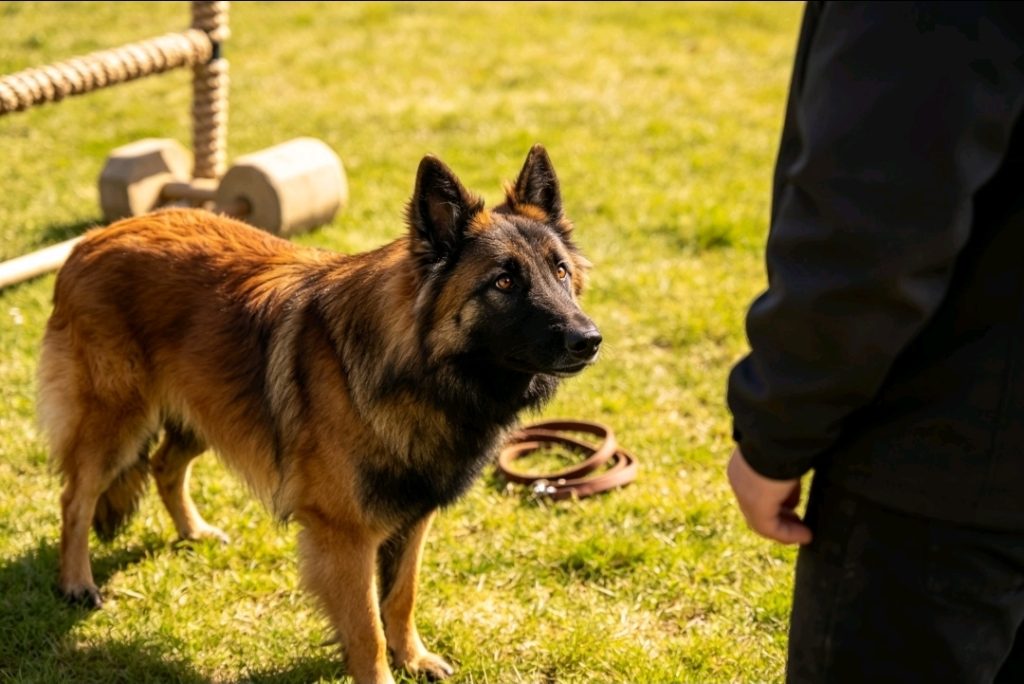
Reading Body Language
An important part of How To Build Better Handler Communication is learning to read body language correctly. Dogs constantly communicate through posture, movement, ear position, tail carriage, facial expressions, and overall behaviour. Fundamentals 3 teaches owners how to identify signs of confidence, uncertainty, stress, engagement, and focus during training.
Marker Training Systems
A powerful tool when learning How To Build Better Handler Communication is the use of marker training systems. Markers help dogs understand exactly which behaviour earned the reward. Fundamentals 3 teaches owners how to use marker systems consistently to improve clarity, increase learning speed, and strengthen communication.
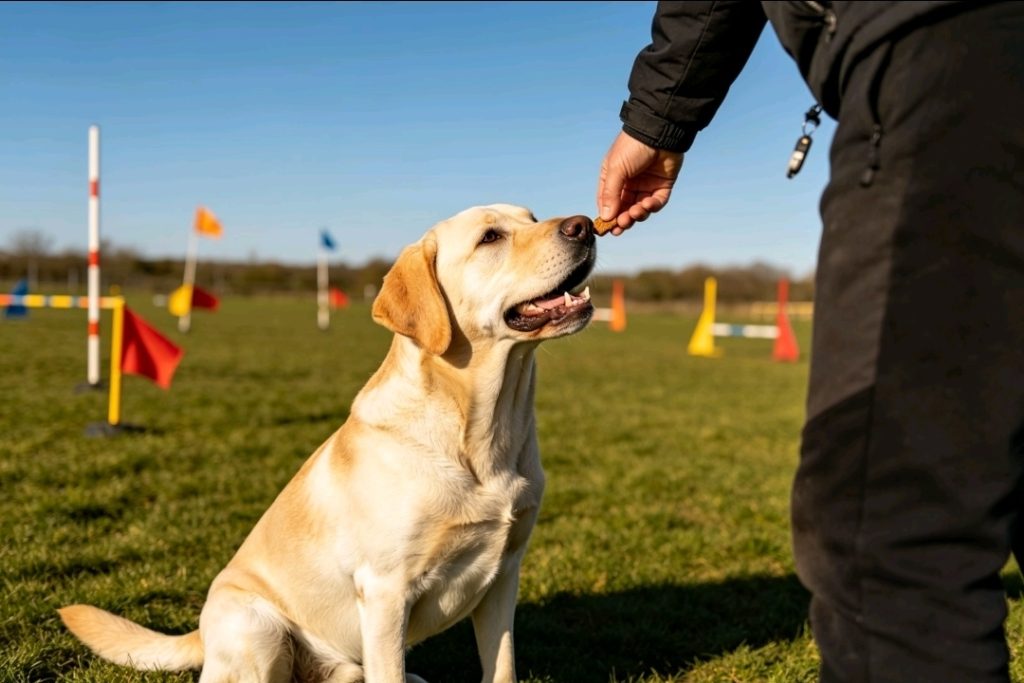
Timing Rewards Correctly
Correct reward timing is essential when developing How To Build Better Handler Communication. Poor timing can confuse the dog and slow progress, while accurate timing clearly identifies the desired behaviour. Fundamentals 3 teaches owners how to deliver rewards at the precise moment to maximise learning and understanding.
Improving Clarity In Commands
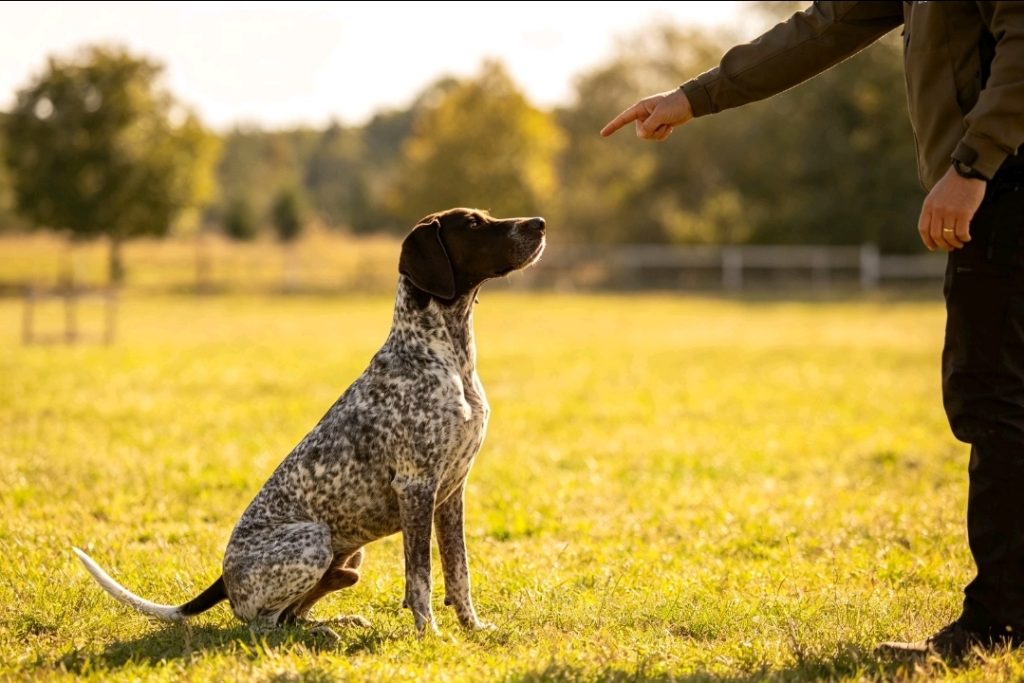
Many dogs struggle because handlers unintentionally send mixed signals. A major part of How To Build Better Handler Communication involves making commands simple, clear, and consistent. Fundamentals 3 teaches owners how to improve command delivery so that dogs can respond confidently without confusion.
Reducing Handler Errors
A common obstacle in How To Build Better Handler Communication is handler error. Repeating commands, inconsistent rewards, unclear body language, and poor timing can all reduce training effectiveness. Fundamentals 3 teaches owners how to identify and eliminate these mistakes while improving overall communication and consistency.
Building Trust And Understanding
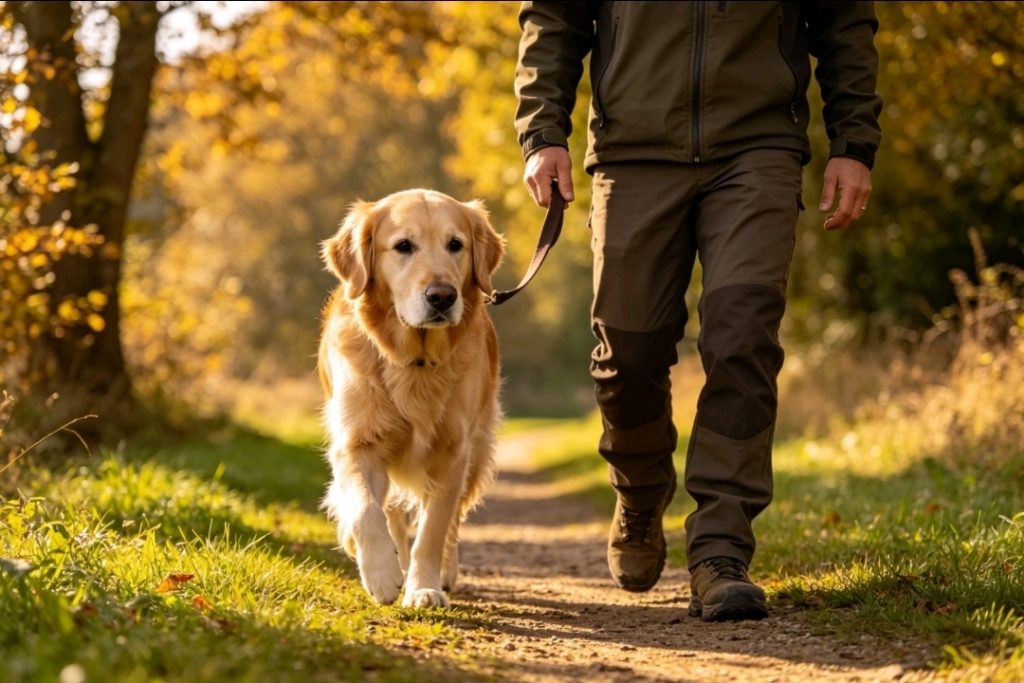
The ultimate goal of How To Build Better Handler Communication is building a strong relationship based on trust and understanding. Dogs that clearly understand their handlers become more confident, reliable, and motivated to work. Fundamentals 3 focuses on creating this partnership through structured training, engagement, and consistent communication.
How Fundamentals 3 Improves Communication Skills
How To Build Better Handler Communication is a core component of Fundamentals 3 because effective communication influences every area of dog training. Through understanding dog communication, reading body language, applying marker systems, improving reward timing, reducing handler errors, and strengthening trust, Fundamentals 3 helps owners create a clearer and more effective relationship with their dogs. Better communication leads to improved obedience, stronger engagement, greater reliability, and long-term training success.
Continue Your Training Journey With Our Online Courses
Fundamentals 3 is designed to build advanced obedience, engagement, reliability, calmness, and real-world control. However, if you find your dog struggling with any of the concepts covered throughout this course, it may be beneficial to revisit the earlier stages of training before progressing further.
Fundamentals 1 is our online foundation training course covering puppy development, engagement, socialisation, confidence building, obedience foundations, recall, lead training, and behavioural shaping. These foundation skills form the basis of all advanced dog training and help create clear communication between dog and handler.
Fundamentals 2 is our online adolescent dog training course designed for dogs between 6 and 18 months of age. The course focuses on managing teenage dog behaviour, improving obedience around distractions, developing engagement, building confidence, strengthening recall, and creating reliability in real-world environments. Many of the advanced skills taught in Fundamentals 3 rely heavily on the foundations established throughout Fundamentals 2.
If your dog has successfully completed Fundamentals 3 and demonstrates strong obedience, engagement, reliability, and environmental stability, you may wish to explore more advanced training pathways. For suitable dogs and handlers looking for a new challenge, our protection training programmes provide an opportunity to further develop control, discipline, confidence, and advanced working abilities under professional guidance.
Remember, advanced training is built upon strong foundations. The stronger the foundations, the more successful the progression into advanced training will be.