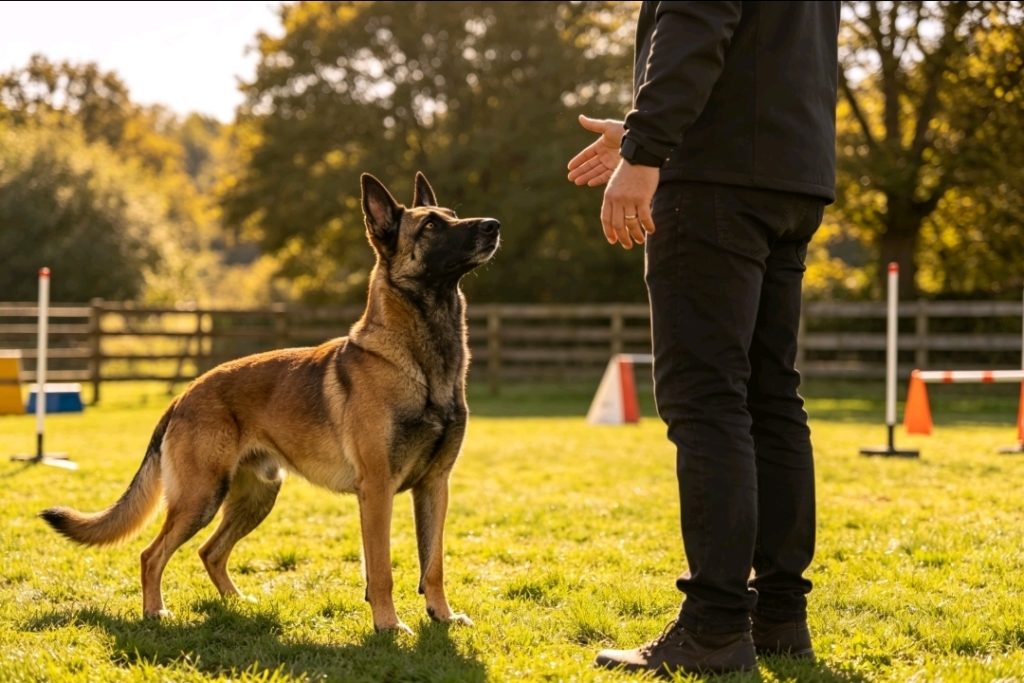
Advanced Calmness And Control Training Explained is one of the most valuable skills covered within Fundamentals 3. Many owners focus heavily on obedience commands while overlooking the importance of calmness and emotional control. Fundamentals 3 teaches that Advanced Calmness And Control Training Explained is not about suppressing behaviour but teaching the dog how to remain neutral, composed, and responsive regardless of the environment. Calmness is a trained behaviour that develops through structure, consistency, and correct training.
Understanding Calmness As A Trained Behaviour
A common misconception discussed in Advanced Calmness And Control Training Explained is that calm dogs are naturally calm. In reality, calmness is often a learned skill developed through training and experience. Fundamentals 3 teaches owners how to reward calm behaviour, create clear expectations, and build emotional control through structured exercises.

Developing Impulse Control
An important part of Advanced Calmness And Control Training Explained is teaching impulse control. Dogs naturally want to investigate, chase, greet, and react to their environment. Fundamentals 3 teaches owners how to develop self-control through structured exercises that encourage patience, focus, and thoughtful decision-making.
Building Duration Exercises
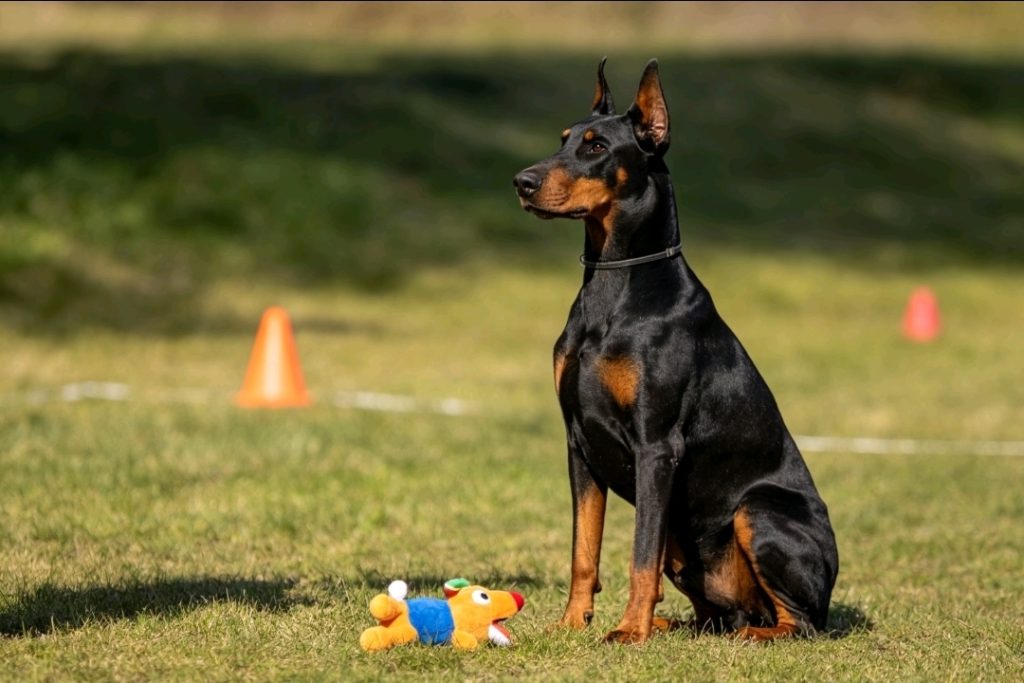
Duration exercises are a key component of Advanced Calmness And Control Training Explained. Many dogs can perform obedience commands briefly, but maintaining those behaviours for extended periods requires a higher level of control. Fundamentals 3 teaches owners how to gradually increase duration while maintaining confidence and reliability.
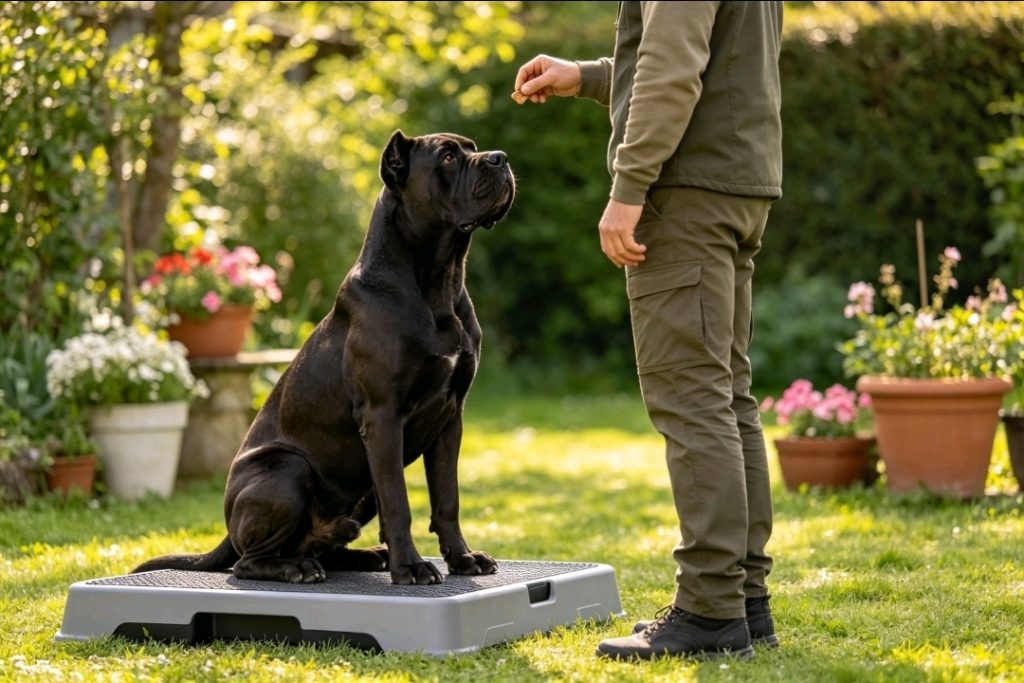
Place Training
One of the most effective tools within Advanced Calmness And Control Training Explained is place training. Place training teaches the dog to remain calm and settled in a designated location until released. Fundamentals 3 uses place training to improve household behaviour, public manners, and overall emotional control.

Environmental Neutrality
Environmental neutrality is an advanced concept discussed in Advanced Calmness And Control Training Explained. The goal is not for the dog to ignore everything but to remain emotionally stable and neutral around everyday sights, sounds, and activities. Fundamentals 3 teaches owners how to expose dogs to different environments without creating overexcitement or anxiety.
Managing Excitement Levels
A major challenge addressed in Advanced Calmness And Control Training Explained is managing excitement. Excitement is not necessarily a problem, but excessive excitement often reduces obedience and decision-making ability. Fundamentals 3 teaches owners how to balance motivation and control so the dog can remain responsive even during stimulating situations.

Creating Emotional Stability
Emotional stability is one of the ultimate goals of Advanced Calmness And Control Training Explained. Dogs that are emotionally stable can adapt to changing environments, handle distractions appropriately, and remain calm under pressure. Fundamentals 3 teaches owners how to create confidence, resilience, and emotional balance through structured training and positive experiences.
How Fundamentals 3 Develops Calmness And Advanced Control In Adult Dogs
Advanced Calmness And Control Training Explained is a core part of Fundamentals 3 because calmness and control influence every aspect of a dog’s behaviour. Through impulse control exercises, duration work, place training, environmental neutrality, excitement management, and emotional stability development, Fundamentals 3 helps owners create adult dogs that remain composed, reliable, and responsive in all situations. These skills provide the foundation for advanced obedience, real-world reliability, and long-term behavioural success.
Continue Your Training Journey With Our Online Courses
Fundamentals 3 is designed to build advanced obedience, engagement, reliability, calmness, and real-world control. However, if you find your dog struggling with any of the concepts covered throughout this course, it may be beneficial to revisit the earlier stages of training before progressing further.
Fundamentals 1 is our online foundation training course covering puppy development, engagement, socialisation, confidence building, obedience foundations, recall, lead training, and behavioural shaping. These foundation skills form the basis of all advanced dog training and help create clear communication between dog and handler.
Fundamentals 2 is our online adolescent dog training course designed for dogs between 6 and 18 months of age. The course focuses on managing teenage dog behaviour, improving obedience around distractions, developing engagement, building confidence, strengthening recall, and creating reliability in real-world environments. Many of the advanced skills taught in Fundamentals 3 rely heavily on the foundations established throughout Fundamentals 2.
If your dog has successfully completed Fundamentals 3 and demonstrates strong obedience, engagement, reliability, and environmental stability, you may wish to explore more advanced training pathways. For suitable dogs and handlers looking for a new challenge, our protection training programmes provide an opportunity to further develop control, discipline, confidence, and advanced working abilities under professional guidance.
Remember, advanced training is built upon strong foundations. The stronger the foundations, the more successful the progression into advanced training will be.