Which Dog Training Course Do I Need for My Dog’s Behaviour?
If you are unsure which dog training course is right for your dog, start by identifying the behaviour you want to improve and the skills your dog needs to develop. Puppies may need help with early learning and everyday routines, while older dogs may benefit from obedience training, lead walking skills, confidence-building or support with a specific behavioural concern.
The right starting point depends on your dog’s age, experience, environment and individual needs. Not every behavioural problem has the same cause, so choosing a course that addresses the issue you are experiencing can help you work towards practical, lasting improvements.
How Do I Choose the Right Dog Training Course?
Begin by looking at what happens in everyday life. Consider when the behaviour occurs, what happens immediately before it, how your dog responds and what you would like them to do instead.
For example, a puppy that struggles to settle may need help establishing routines, while a dog that pulls on the lead may need structured walking practice. A dog that becomes frightened or reacts strongly to people or other dogs may need a more individualised approach.
The GPK9 Behaviour & Everyday Courses section brings together training subjects designed to help owners develop practical skills and address common challenges at home and outdoors.
Start With the Foundations
If you have a puppy or a dog that is new to training, begin with the essential skills that support everyday life. Communication, engagement, routines and consistent learning provide a useful foundation for future training.
The Puppy Training Foundations course is a suitable starting point for owners who want to establish early learning, encourage desirable behaviour and help their puppy become more comfortable with everyday expectations.
If your dog already understands basic routines but struggles to respond consistently, you may need to focus on a particular skill rather than starting from the beginning.
Choose a Course That Matches the Behaviour
Identify the main difficulty you want to address. Is your dog struggling to understand cues, walking calmly on a lead, coping with unfamiliar situations or responding comfortably around people and other dogs?
Choosing a focused training subject makes it easier to work towards a clear goal and recognise progress. You can also address more than one area over time, provided the training remains manageable and appropriate for your dog.
Which Course Should I Choose for My Dog’s Specific Needs?
My Dog Needs to Learn Basic Commands
If your dog struggles with attention, recall, responding to cues or following familiar instructions, start by strengthening communication and basic obedience.
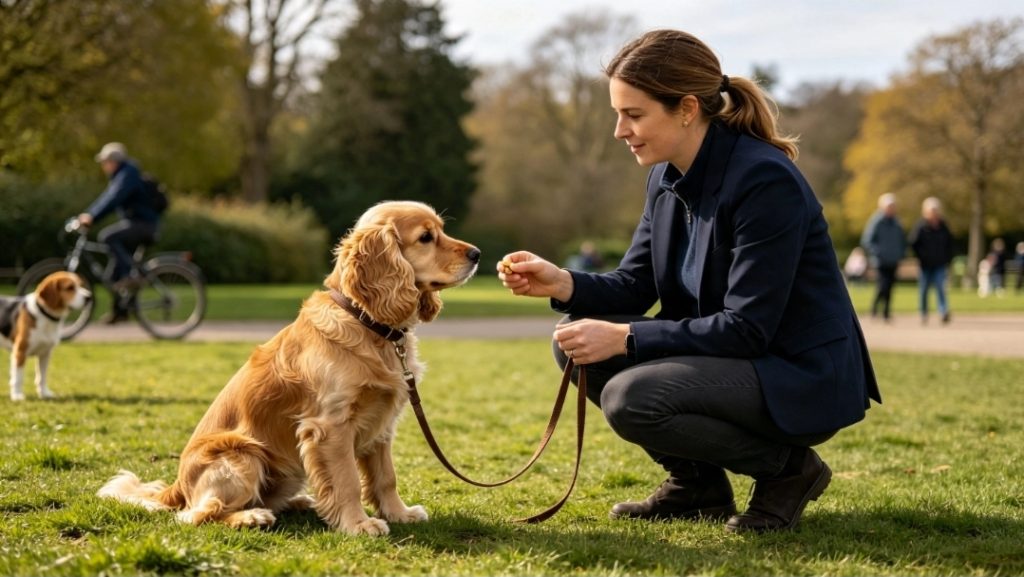
The Basic Obedience and Commands course focuses on foundational skills such as attention, recall and responding to consistent cues. These skills can help make everyday interactions clearer and support further training.
Practise in a familiar, low-distraction environment before gradually introducing more challenging situations. If your dog struggles to respond outdoors, consider whether the environment is too distracting or whether the skill needs more practice before you increase the difficulty.
My Dog Pulls on the Lead or Struggles on Walks
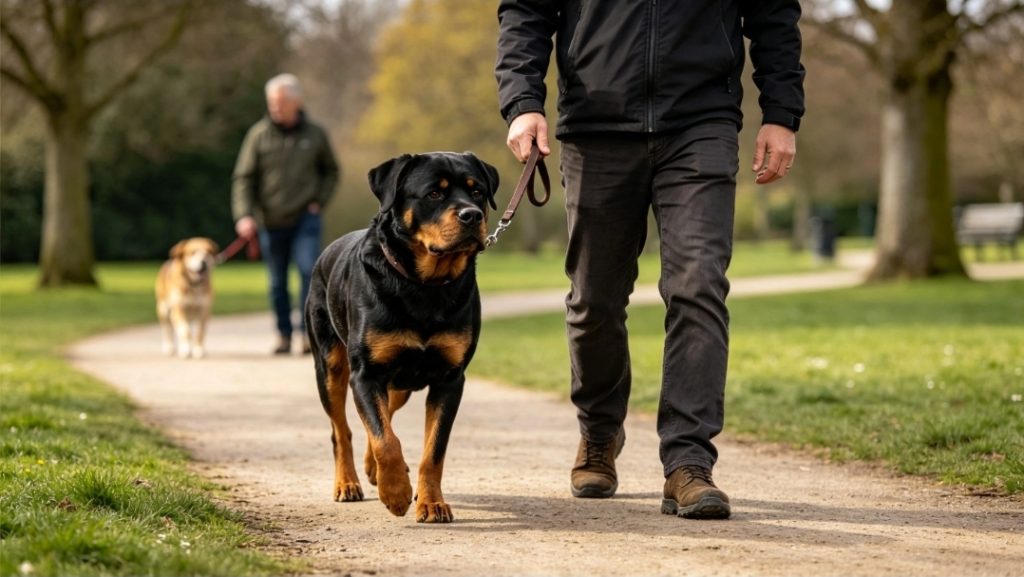
Lead walking difficulties can include pulling, losing attention, becoming overexcited or struggling to move comfortably past everyday distractions.
The Lead Training and Walking Foundations course is relevant if your priority is developing better walking habits and improving your dog’s connection with you outdoors.
Begin in an environment where your dog can concentrate. Reward the walking behaviour you want to encourage, keep practice manageable and increase distractions gradually. If your dog reacts strongly to other dogs or people during walks, consider whether fear, frustration or anxiety may also be contributing to the problem.
My Dog Is Nervous, Fearful or Anxious
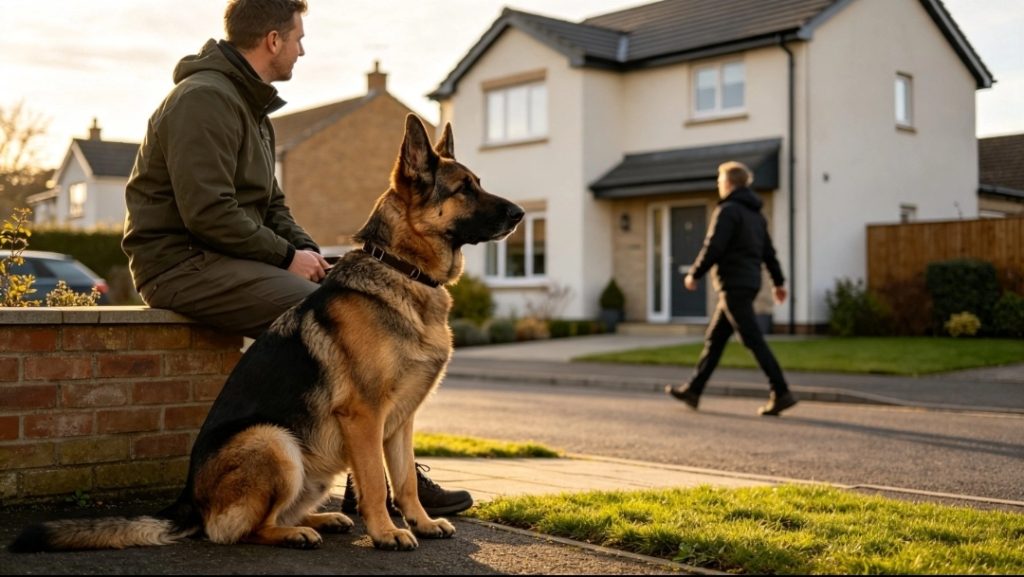
Some dogs find unfamiliar people, other dogs, noises, places or everyday experiences difficult to cope with. Signs may include avoidance, hesitation, hiding, freezing, trying to escape or becoming unusually alert.
The Fear, Confidence and Anxiety course is relevant if you want to understand these responses and learn how to support your dog through challenging situations.
Focus on helping your dog feel safe rather than forcing them to approach something frightening. Give them appropriate space, recognise signs of stress and introduce manageable experiences at a pace they can cope with.
Fear-related behaviour should not automatically be treated as disobedience. If your dog’s anxiety is persistent, severe or affecting their quality of life, seek veterinary advice and appropriate professional behavioural support.
My Dog Barks, Lunges or Reacts Strongly to People or Dogs
Barking, growling, lunging and other reactive behaviours can have different causes. A dog may be frightened, frustrated, overexcited, uncomfortable or attempting to increase the distance from something they find difficult.
The Aggression and Reactivity course is relevant to owners who want to understand triggers, recognise warning signs and manage challenging situations more responsibly.
Prioritise safety by maintaining suitable distance, preventing situations from escalating and avoiding forced interactions. Do not punish warning signals or deliberately expose your dog to situations that overwhelm them.
Aggression and reactivity should not be assumed to have a single cause, and a course alone may not be sufficient for every case. If your dog has bitten, attempted to bite or presents a risk to people or other animals, seek an individual assessment from a suitably qualified professional. Veterinary advice is also important when a sudden behaviour change may be associated with pain or illness.
What If My Dog Has More Than One Behaviour Problem?
It is common for owners to experience several difficulties at the same time. A dog might pull on the lead, struggle to respond to cues and bark at unfamiliar dogs during walks. These behaviours may overlap, but that does not mean they all require the same training approach.
Start by identifying the most important issue to address. Consider safety, your dog’s wellbeing and how frequently the behaviour affects everyday life.
A useful approach is to:
- Identify the main concern. Describe what your dog actually does and the situations in which it happens.
- Look for patterns. Consider the environment, distractions, distance, routines and events that occur before the behaviour.
- Choose the most relevant training subject. Start with foundations, obedience, walking skills or a course focused on the specific difficulty.
- Keep training manageable. Practise skills in situations where your dog has a reasonable opportunity to succeed.
- Review progress. Notice changes in your dog’s behaviour and adjust your approach when necessary.
- Seek individual support when needed. Persistent fear, serious reactivity or safety concerns may require professional assessment.
Avoid trying to change everything at once. Developing one skill at a time can make it easier to understand what is helping and where further support may be needed.
How Do I Know When My Dog Needs More Than a Training Course?
Online training can help owners understand behaviour, develop practical skills and establish more consistent routines. However, not every concern can be resolved through general training material alone.
Consider seeking additional help if your dog shows persistent fear, escalating aggression, repeated attempts to bite, severe distress when left alone or behaviour that creates a risk to people or other animals.
A veterinary professional can help investigate possible medical contributors, while a suitably qualified behaviour professional can assess your dog’s individual circumstances and recommend an appropriate plan.
The aim is not simply to stop an unwanted behaviour. It is to understand what may be contributing to it, manage the situation responsibly and help your dog develop more appropriate responses where possible.
Frequently Asked Questions
Which Dog Training Course Should I Start With?
If your dog is a puppy or has limited training experience, Puppy Training Foundations is a sensible starting point. For an established dog, choose the course that most closely matches your main concern, such as basic obedience, lead walking, fear and anxiety, or aggression and reactivity.
Can I Work on More Than One Behaviour at a Time?
Yes, but it is often easier to begin with one clear priority and build from there. Some skills support several areas of everyday life, so improving communication, routines or basic obedience may also help with other training goals. Serious behavioural concerns may need an individual assessment before deciding which skills to work on.
Is My Dog Being Disobedient or Struggling With Something Else?
A dog that does not respond as expected may be distracted, confused, frightened, overexcited, uncomfortable or unfamiliar with the situation. Look at the context rather than assuming the behaviour is deliberate disobedience. If a behaviour changes suddenly, consider seeking veterinary advice.
Will an Online Course Solve My Dog’s Behaviour Problem?
An online course can provide useful information and structured guidance, but results depend on the individual dog, the circumstances and how appropriately the training is applied. Complex, persistent or potentially dangerous behaviour may require tailored professional support.
Find the Right Training Subject for Your Dog
Choosing the right dog training course starts with understanding what your dog needs help with. Puppies may benefit from early foundations, dogs that struggle to respond may need basic obedience practice, and walking difficulties may require focused lead training. Fear, anxiety, aggression and reactivity need careful consideration of the individual dog’s experiences and emotional state.
Explore the GPK9 Behaviour & Everyday Courses section to identify the training subject most relevant to your dog. Start with a clear goal, work at a suitable pace and seek individual professional support whenever the behaviour or safety concerns require it.