How to Teach Your Dog to Get Into the Car Calmly
Teaching your dog to get into the car calmly helps make journeys safer, easier and less stressful. Some dogs rush towards the vehicle and jump inside before the handler is ready, while others hesitate, pull away or become anxious when asked to approach the car.
The best approach is to teach the process gradually, reward your dog for manageable behaviour and avoid turning car loading into a struggle. Your dog should learn to approach the vehicle, enter safely when invited and settle into an appropriate travel arrangement before the journey begins.
RECOMMENDED PRODUCTS

Why Do Dogs Struggle to Get Into the Car?
Dogs can react differently to vehicles depending on their previous experiences, confidence, physical ability and expectations.
Some become excited because the car predicts a walk, a visit or an opportunity to explore. Others may associate travelling with unfamiliar noises, motion sickness, stressful destinations or uncomfortable experiences.
Common problems include:
- Pulling towards the vehicle before the handler is ready.
- Jumping into the car without waiting.
- Circling, rushing or struggling to remain manageable near the open door.
- Stopping, backing away or refusing to approach.
- Appearing anxious when the door opens.
- Becoming restless or vocal once inside.
These behaviours have different possible causes. Before choosing a training approach, observe how your dog responds to the vehicle and consider whether fear, discomfort or excessive excitement may be contributing.
1. Start With a Safe, Stationary Vehicle
Begin training with the vehicle parked securely on level ground, away from moving traffic and other hazards. Keep the engine switched off initially, and make sure the dog cannot enter an unsafe area if they move unexpectedly.
Prepare the appropriate travel area before bringing your dog towards the car. Depending on your vehicle and dog, this may involve a suitable travel crate, correctly fitted restraint or other appropriate arrangement.
Have the lead and rewards ready so you do not need to search for equipment while managing the dog.
Start at a distance where your dog can notice the vehicle without immediately pulling towards it or trying to escape. Reward calm observation and voluntary movement towards the car.
If your dog is already worried, begin farther away and allow them to approach at their own pace.
2. Teach Your Dog to Approach the Vehicle
Before teaching your dog to jump or step inside, help them become comfortable approaching the vehicle.
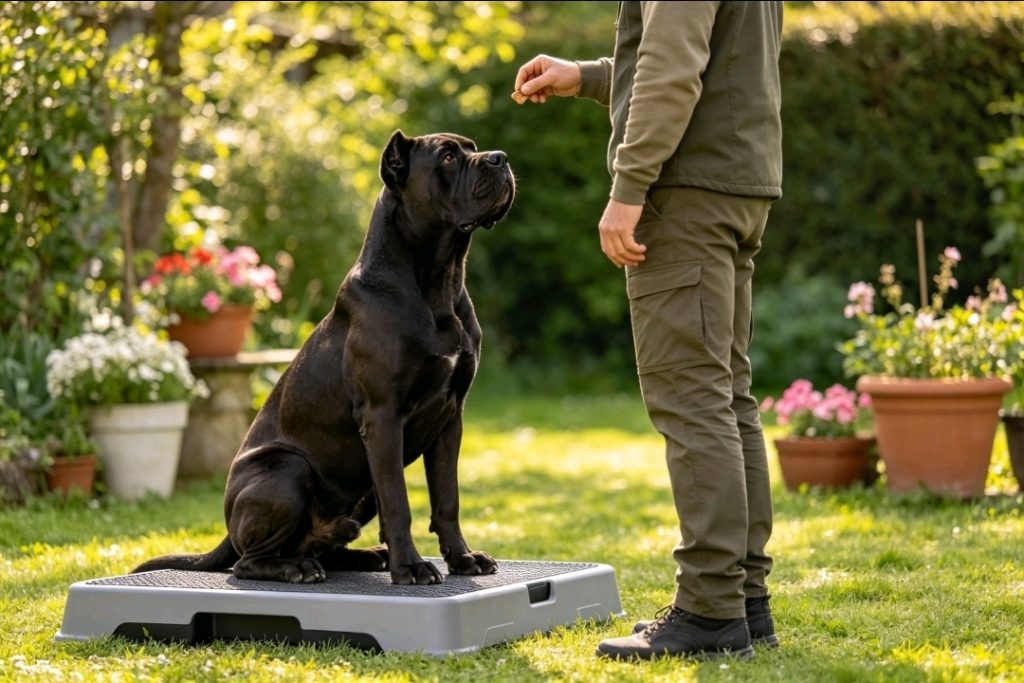
Stand beside the parked car and give your dog time to investigate from a safe position. Reward them for looking at the vehicle calmly, approaching it voluntarily or standing near the entrance without pulling away.
Keep the lead manageable without dragging your dog towards the car.
If your dog approaches and then backs away, do not immediately insist on moving closer. Increase the distance slightly and reward an easier step.
Repeat short sessions until your dog can approach the vehicle without becoming excessively excited or uncomfortable.
Progress when your dog is comfortable, not simply because you want to finish the exercise.
3. Introduce the Open Door Gradually
For some dogs, the open door or rear hatch is the part of the process that triggers excitement or uncertainty.
Once your dog is comfortable near the vehicle, practise opening the door while they remain at a safe distance.
Observe the response. If your dog stays manageable, reward them and continue with another easy repetition.
If they rush forward, pause and make the exercise easier. If they appear frightened, give them more space and avoid moving the door closer to them unnecessarily.
Gradually practise standing near the open entrance, approaching it and investigating the area around it.
The aim is to make the vehicle entrance a familiar part of the routine rather than a signal for uncontrolled excitement or a situation the dog feels forced to enter.
4. Teach Your Dog to Enter on Cue
Once your dog is comfortable approaching the vehicle, begin teaching the actual entry.
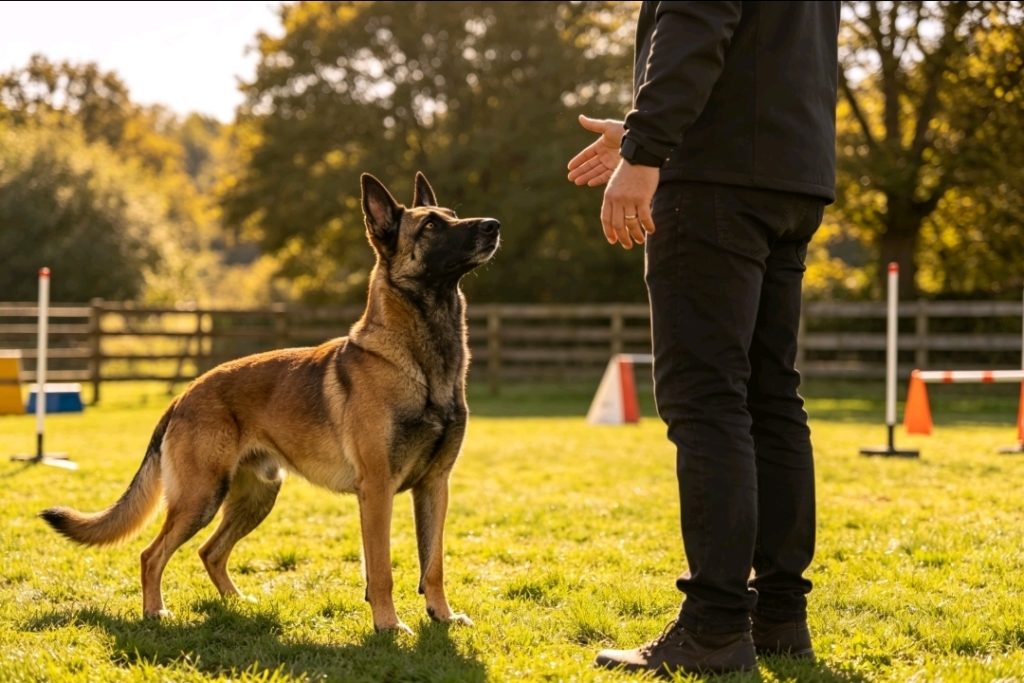
Choose a simple cue, such as “in”, and use it consistently when you are ready for your dog to enter.
Depending on your dog’s size, confidence and mobility, you may be able to reward them for placing their front paws on a suitable entrance area before progressing to entering fully. For other dogs, a properly positioned ramp or assistance may be more appropriate.
You can use a food reward to encourage voluntary movement towards the entrance. Keep the reward close enough to guide the intended movement without repeatedly luring your dog into a position they find uncomfortable.
Build the exercise in small steps:
- Approach the vehicle calmly.
- Stand near the entrance.
- Reward voluntary interest in entering.
- Introduce the entry cue.
- Reward successful, safe entry.
- Practise until the sequence becomes more familiar.
Avoid pulling your dog into the vehicle or repeatedly pushing them from behind. If they hesitate, return to an easier step and reassess what is making the task difficult.
Not every dog needs to jump. Choose an entry method that suits the individual dog, the vehicle and their physical capabilities.
5. Use a Ramp or Assistance When Needed
Not every dog should be expected to jump into a vehicle. The height of the boot, the dog’s size, age, confidence and mobility all affect how they can enter safely.
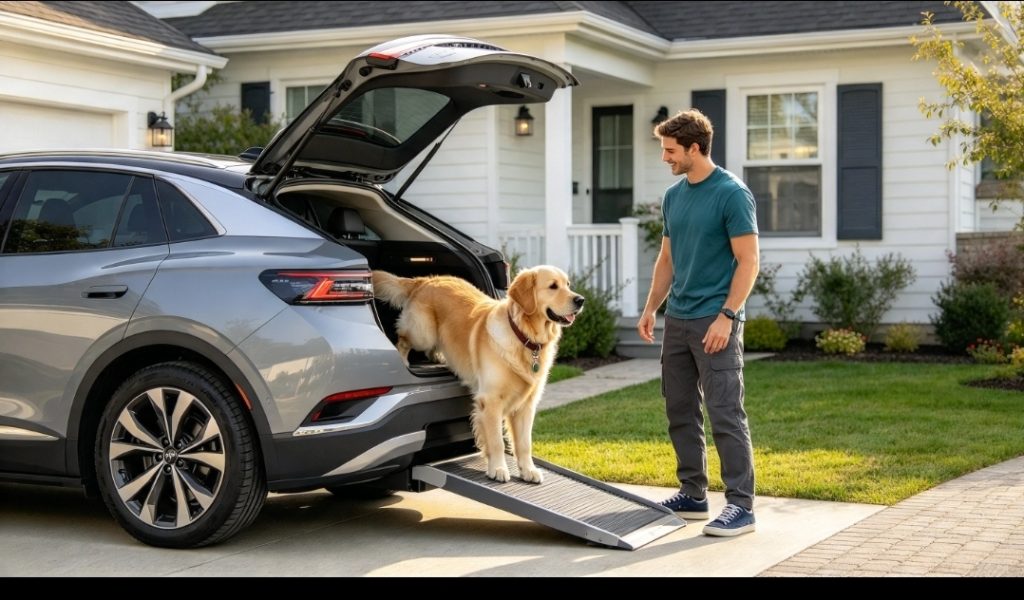
A suitable ramp can help a dog that struggles with a high entrance or needs a lower-impact way to get into the vehicle. Introduce the ramp separately and reward your dog for approaching, standing on it and walking along it before using it to enter the car.
Make sure the ramp is stable, secure and suitable for your vehicle. Do not allow your dog to use an unstable ramp or force them to cross a surface they are frightened of.
For older dogs, dogs with mobility difficulties or dogs that suddenly struggle to jump, seek veterinary advice before assuming the problem is purely behavioural.
6. Help Your Dog Feel Comfortable Inside the Car
Entering the vehicle calmly is only one part of the routine. Your dog also needs to be comfortable in the travel area.
Once your dog has entered, calmly guide them into the appropriate secured travel space. Use a suitable crate, restraint or barrier arrangement for your dog and vehicle, following the equipment manufacturer’s instructions.
Reward your dog for remaining settled while you prepare for the journey. Keep early practice sessions short, and avoid immediately starting a long journey if your dog is still learning to feel comfortable around the car.
Never allow your dog to travel unsecured or move freely around the vehicle while it is moving.
If your dog pants excessively, drools, whines, trembles, vomits or appears distressed during travel, consider whether anxiety or motion sickness may be involved. Speak to your vet if these signs persist or are severe.
7. Avoid Making Car Loading a Struggle
When a dog refuses to approach or enter the car, it can be tempting to pull the lead, push the dog forward or repeat the same command.
These responses can increase pressure and make the vehicle more worrying for a dog that is already uncomfortable.
Instead, identify the point at which the difficulty begins. Your dog might be comfortable approaching the vehicle but reluctant to stand near the open hatch. They might approach the entrance willingly but hesitate when asked to jump.
Return to a step your dog can manage and reward progress. If necessary, finish the session and try again later.
If your dog is highly excited, reduce distractions and make the exercise easier. If your dog is frightened, give them more space and allow them to approach voluntarily.
Do not force a frightened dog into the car. If the dog cannot be loaded safely, reassess the situation and seek appropriate help.
8. Practise in Different Locations
Once your dog can enter the vehicle calmly in a familiar location, gradually practise in other suitable environments.
At Home
Start in a quiet driveway or another secure location where your dog can concentrate without significant distractions.
In a Quiet Parking Area
Practise approaching and entering the vehicle when there is enough space and little environmental activity.
At a Walking Destination
Once your dog is comfortable with the loading process, practise before a walk. Keep the surroundings safe and avoid allowing anticipation to turn the exercise into a rush towards the vehicle.
Around Greater Distractions
Introduce busier environments gradually. If your dog becomes overwhelmed, return to a quieter setting and build confidence before trying again.
Your dog may manage the exercise differently depending on the location, previous experiences and excitement about the journey. Progress should reflect what your dog can comfortably achieve.
RECOMMENDED PRODUCTS
9. Common Car-Loading Mistakes to Avoid
Expecting Immediate Results
Some dogs learn quickly, while others need repeated short sessions. Give your dog time to become comfortable with each stage.
Using Food to Force the Dog Inside
Food can encourage voluntary movement, but repeatedly placing a reward beyond a frightened dog’s reach may create pressure. Use rewards to support confidence and allow your dog to choose to approach.
Ignoring Signs of Discomfort
Backing away, freezing, trembling, excessive panting or reluctance may indicate fear, stress or physical discomfort. Assess the cause rather than treating the behaviour as refusal to obey.
Allowing Uncontrolled Jumping
An enthusiastic jump can create a risk of injury or escape. Practise controlled entry and use suitable assistance when the vehicle height or the dog’s physical ability makes jumping inappropriate.
Changing the Routine Unnecessarily
A consistent sequence helps you recognise what your dog understands and where further practice is needed. Keep the routine predictable while adapting it to the individual situation.
Rushing Because You Are Late
Time pressure can make handling less consistent. Practise when you have enough time to work calmly, and prioritise safety if the dog struggles.
A Simple Daily Practice Plan
Keep practice sessions short and finish while your dog is still comfortable.
- Stage 1: Reward your dog for calmly noticing and approaching the parked vehicle.
- Stage 2: Practise standing near the entrance and investigating it voluntarily.
- Stage 3: Introduce the open door or hatch gradually.
- Stage 4: Reward small steps towards entering.
- Stage 5: Introduce a consistent entry cue and reward safe entry.
- Stage 6: Practise settling into the secured travel area.
- Stage 7: Repeat in another suitable location when the earlier stages are reliable.
You do not need to complete every stage in one session. If your dog becomes uncertain or overly excited, return to an easier step.
The goal is to build a repeatable skill rather than rush through a checklist.
When Should You Seek Professional Help?
If your dog consistently refuses to approach the vehicle, shows intense fear, attempts to escape or becomes difficult to manage safely, consider help from a suitably qualified dog trainer or behaviour professional.
If the difficulty appears suddenly, or your dog shows signs of pain, nausea or unusual distress, consult your vet to investigate possible physical causes.
Professional guidance can help identify whether the main issue is fear, previous experience, physical discomfort, environmental pressure or the way the training has been introduced.
RECOMMENDED PRODUCTS
Final Thoughts
Teaching your dog to get into the car calmly begins with understanding how they respond to the vehicle and breaking the process into manageable steps.
Start with a stationary car in a safe location, reward voluntary approaches, introduce the entrance gradually and teach your dog to enter on cue. Use suitable equipment and assistance where needed, and make sure your dog can travel securely and comfortably.
The aim is not simply to get your dog into the car. It is to help them learn that approaching and entering the vehicle can be a safe, predictable and rewarding experience.
With patience, consistent handling and reward-based training, you can build a calmer loading routine that works for both you and your dog.