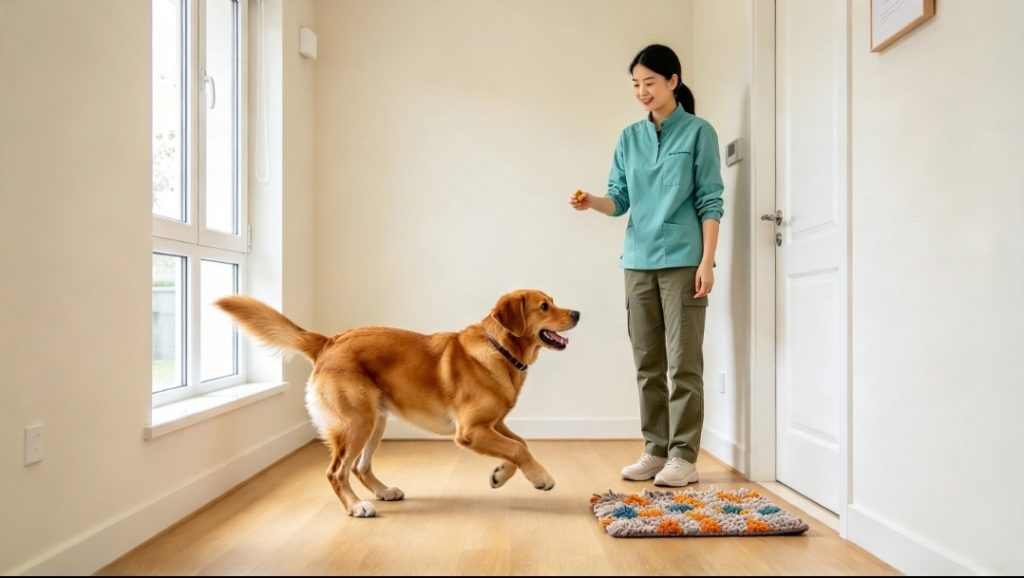
Why Does My Dog Become Distracted?
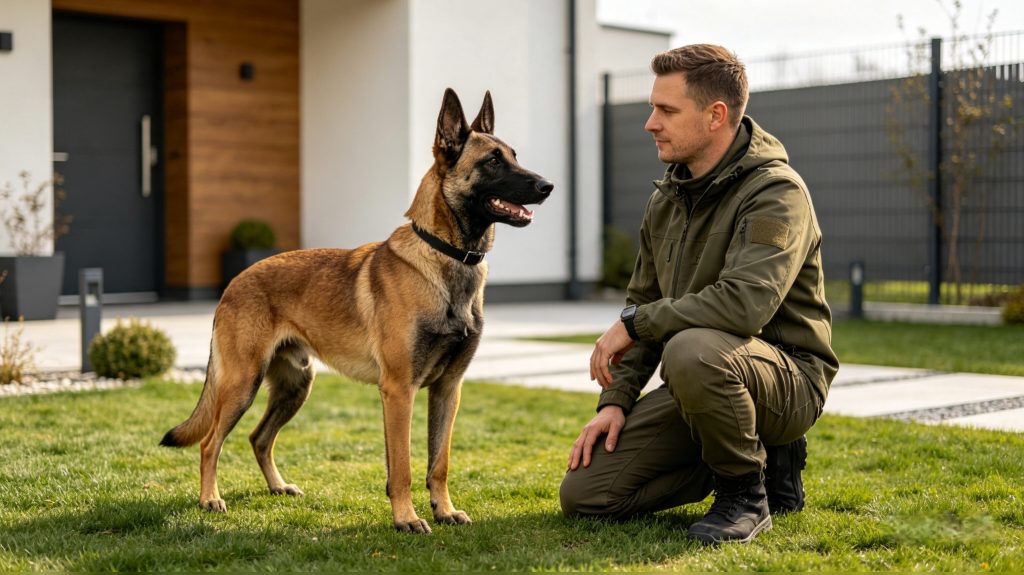
Why does my dog become distracted? Dogs become distracted when something in their environment becomes more interesting, rewarding, exciting, worrying or important to them than what you are asking them to do. Distractions are a normal part of training, but your dog needs to learn gradually how to remain focused around them. The RSPCA recommends starting new training in a quiet environment and gradually working around distractions using short, regular, reward-based sessions.
Why Does My Dog Get Distracted So Easily?
Your dog may become distracted by almost anything that captures its attention.
Common distractions include:
- Other dogs.
- People.
- Animals.
- Birds.
- Traffic.
- Noises.
- Interesting smells.
- Toys.
- Food.
- Movement.
- New environments.
- Other activities.
- Exciting or unfamiliar situations.
Some dogs are naturally more interested in particular things than others.
The important question is not simply “Why is my dog distracted?” but “What is distracting my dog, and how difficult is it for my dog to ignore it?”
Why Does My Dog Listen at Home but Get Distracted Outside?
Home is usually a much easier training environment.
There may be fewer smells, sounds, people, animals and unexpected events competing for your dog’s attention.
Outside, your dog has far more information to process.
This is why a behaviour that is reliable at home may become less reliable in the garden, on a quiet walk or in a busy public area.
Your dog has not necessarily forgotten the training. The environment has become more difficult.
Can Other Dogs Distract My Dog?
Yes.
Other dogs can be extremely interesting to dogs because they provide movement, scent and social information.
Your dog may want to approach, play, investigate or avoid another dog.
If your dog becomes distracted by another dog, do not immediately assume that it is simply being friendly.
Look at the whole body and situation.
If your dog becomes worried, tense or unable to respond, increase distance and allow it to settle before continuing. Dogs communicate through body language, and signs such as turning away, lowering the body or avoiding eye contact can indicate discomfort.
Can Smells Distract My Dog?
Yes.
Smells can be highly interesting to dogs and may compete strongly with your attempts to gain their attention.
Your dog may stop walking, lower its head, sniff intensely or become focused on a particular area.
You do not necessarily need to prevent all sniffing.
Instead, teach your dog that paying attention to you can also lead to rewards and opportunities to explore.
Can Excitement Make My Dog Distracted?
Yes.
Excitement can make it more difficult for your dog to concentrate.
Your dog may become:
- More energetic.
- More vocal.
- More focused on a particular object.
- More likely to pull.
- Less responsive to familiar cues.
- More difficult to settle.
If your dog becomes too excited to respond, reduce the intensity of the situation rather than repeatedly demanding attention.
Can Fear Make My Dog Look Distracted?
Yes.
A dog that appears distracted may actually be concentrating on something that makes it uncomfortable.
For example, your dog may stare at another dog, person, vehicle or object because it is worried rather than because it wants to investigate.
Look for additional signs such as:
- Lowered body posture.
- Ears held back.
- Tail tucked.
- Lip licking.
- Yawning.
- Turning away.
- Avoiding eye contact.
- Trying to move away.
The RSPCA identifies these as possible signs of a worried or uncomfortable dog.
If your dog is worried, create distance rather than trying to force its attention back onto you.
Why Does My Dog Get Distracted During Training?
Training can become difficult when the environment is more challenging than your dog is ready for.
For example, asking your dog to perform a new behaviour in a quiet room may be easy.
Asking for the same behaviour beside a busy road, around other dogs or in a crowded park is much harder.
The RSPCA recommends beginning new training away from distractions and building up gradually.
How Do I Stop My Dog Becoming Distracted?
You cannot realistically remove every distraction from your dog’s life.
Instead, teach your dog how to notice distractions without automatically becoming controlled by them.
Start with a low level of distraction.
Reward your dog for noticing something and then returning its attention to you.
Gradually increase the difficulty as your dog’s responses become reliable.
How Do I Train My Dog Around Distractions?
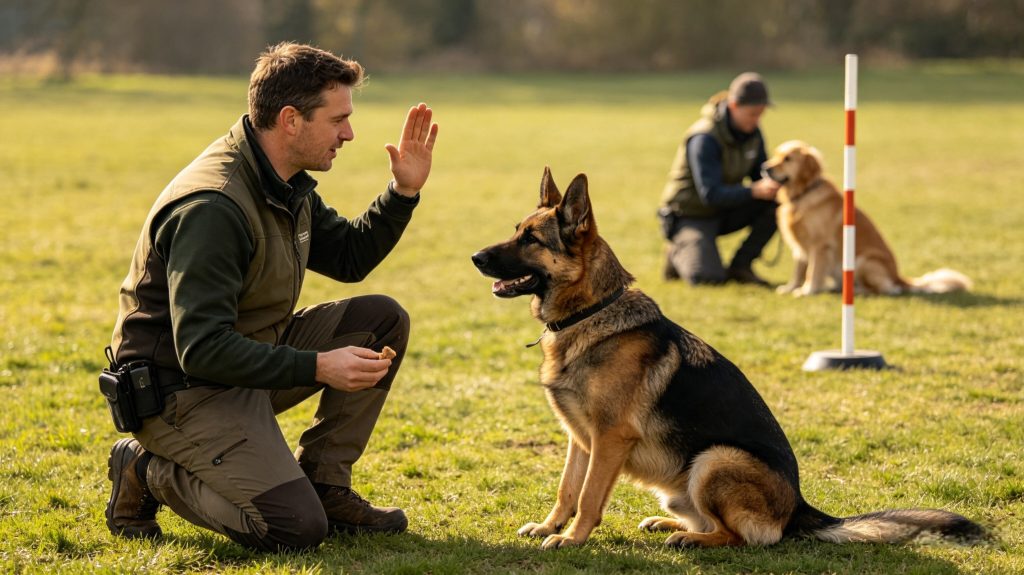
Use a gradual progression.
Step 1: Start Somewhere Easy
Begin in a quiet environment where your dog can concentrate.
Practise a behaviour your dog already knows.
Reward successful responses.
Step 2: Introduce a Small Distraction
Add one manageable distraction.
For example, someone could walk past at a distance.
Keep the distraction far enough away that your dog can still respond.
Step 3: Reward Attention
When your dog notices the distraction but remains able to respond to you, reward the behaviour.
This teaches your dog that staying connected to you around distractions is worthwhile.
Step 4: Increase Difficulty Gradually
You can gradually reduce distance, increase movement or introduce a busier environment.
Do not change everything at once.
Step 5: Make It Easier If Your Dog Struggles
If your dog stops responding, increase distance or reduce the distraction.
The RSPCA recommends short, regular sessions and advises ending training positively rather than allowing the dog to become overwhelmed.
Should I Call My Dog Repeatedly When It Is Distracted?
No.
Repeatedly calling your dog when it is unable to respond does not solve the underlying problem.
Instead, work out why your dog is struggling.
You may need to:
- Increase distance.
- Reduce the distraction.
- Move somewhere quieter.
- Wait for your dog to settle.
- Use a simpler behaviour.
- Reward attention when it returns.
Make the exercise easier rather than simply repeating the same command.
Should I Reward My Dog for Paying Attention?
Yes.
Reward-based training helps reinforce behaviours you want your dog to repeat.
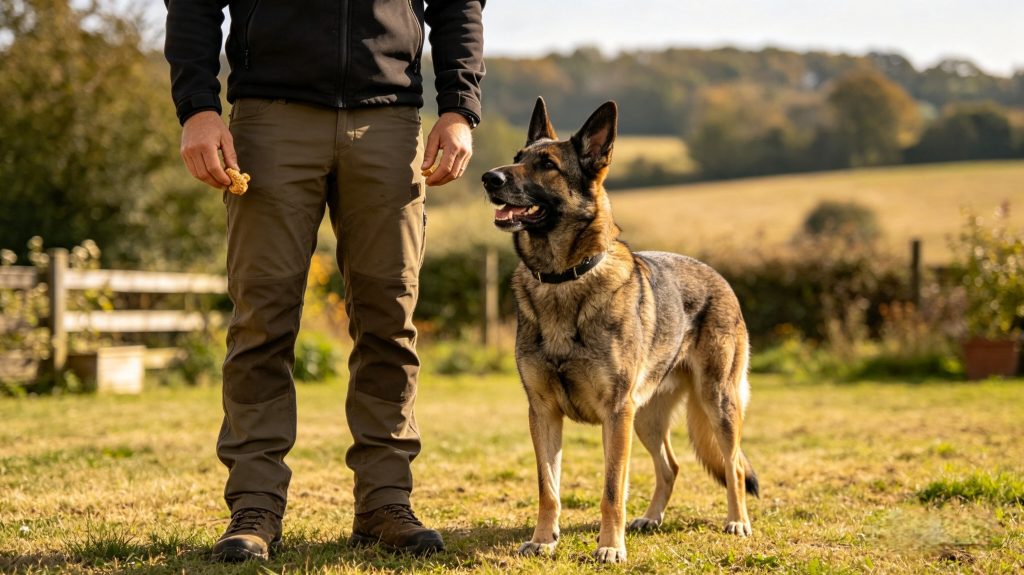
You can reward your dog when it chooses to look at you, respond to its name, return its attention after noticing something or remain focused around a manageable distraction.
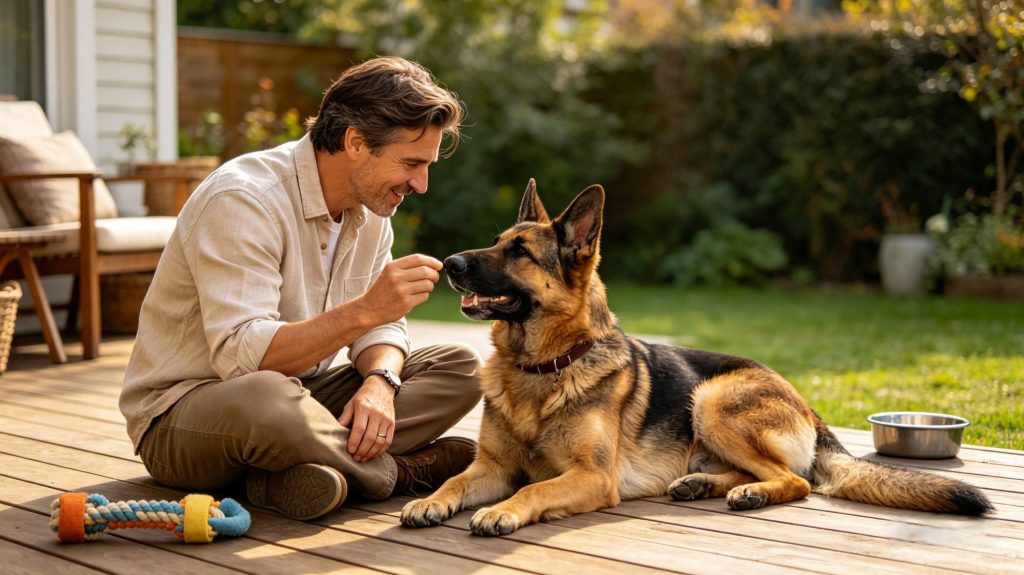
Rewards can include food, toys, praise or access to something your dog enjoys.
The RSPCA recommends reward-based training and advises against shouting at or punishing dogs.
Why Does My Dog Become Distracted on Walks?
Walks contain many potential distractions.
Your dog may encounter:
- Other dogs.
- People.
- Birds.
- Squirrels.
- Cars.
- Bikes.
- Interesting smells.
- Noises.
- New environments.
Rather than expecting your dog to ignore everything, teach it to remain responsive while gradually increasing the difficulty.
When distractions cause your dog to pull or lose focus, reduce the difficulty and reward attention. The RSPCA similarly recommends practising around distractions gradually and rewarding the dog for paying attention.
What If My Dog Becomes Distracted by Other Animals?
Increase distance before your dog becomes completely focused on the animal.
If your dog can still respond, reward that response.
If your dog is already pulling, barking, staring intensely or unable to respond, you may be too close.
Move away and allow your dog to settle.
Distance is often more useful than repeatedly demanding attention.
What If My Dog Becomes Distracted by People?
Start with people at a distance where your dog can still respond to you.
Reward calm attention.
Gradually practise around different people and environments.
If your dog becomes worried rather than simply interested, do not force an interaction. Allow your dog to move away and create more space. The RSPCA recommends avoiding forced greetings when a dog is worried.
What If My Dog Becomes Distracted by Everything?
If your dog appears unable to concentrate anywhere, make training much easier.
Start somewhere quiet and remove unnecessary distractions.
Keep sessions short.
Use a reward your dog genuinely values.
Practise behaviours your dog already understands.
Then gradually introduce one distraction at a time.
If your dog remains unable to concentrate even in familiar, quiet situations, consider whether pain, illness, stress or another behavioural issue could be contributing.
Could Boredom Cause My Dog to Become Distracted?
It can contribute to unwanted or attention-seeking behaviour, particularly if your dog does not have enough appropriate mental and physical activity.
Dogs need opportunities for exercise, play, exploration and appropriate mental stimulation. The RSPCA notes that dogs can become distressed or bored without enough to do.
However, distraction is not automatically caused by boredom.
Look at the specific situation and what your dog is responding to.
What Mistakes Should I Avoid?
Avoid:
- Expecting a dog trained at home to immediately cope with busy environments.
- Increasing distractions too quickly.
- Repeating commands continuously.
- Shouting when your dog loses focus.
- Punishing your dog for becoming distracted.
- Allowing your dog to become completely overwhelmed before intervening.
- Assuming every distraction means your dog is being stubborn.
- Ignoring signs that your dog is worried or uncomfortable.
Instead, adjust the environment so your dog can succeed and gradually build its ability to concentrate.
When Should I Get Professional Help?
Seek professional help if your dog’s distraction is accompanied by extreme fear, aggression, lunging, repeated attempts to escape or behaviour that you cannot safely manage.
If your dog’s ability to concentrate changes suddenly or you notice other unusual changes in behaviour, speak to your vet. Behaviour changes can sometimes be associated with illness, pain or injury.
Conclusion
Dogs become distracted because something in their environment has captured their attention or because the situation has become too difficult for them to cope with.
Do not try to eliminate every distraction. Teach your dog to remain responsive around distractions gradually.
Start in an easy environment, introduce manageable distractions, reward attention and increase difficulty slowly. If your dog struggles, make the situation easier rather than repeatedly demanding a response.