How Do I Understand What My Dog Enjoys and Dislikes?
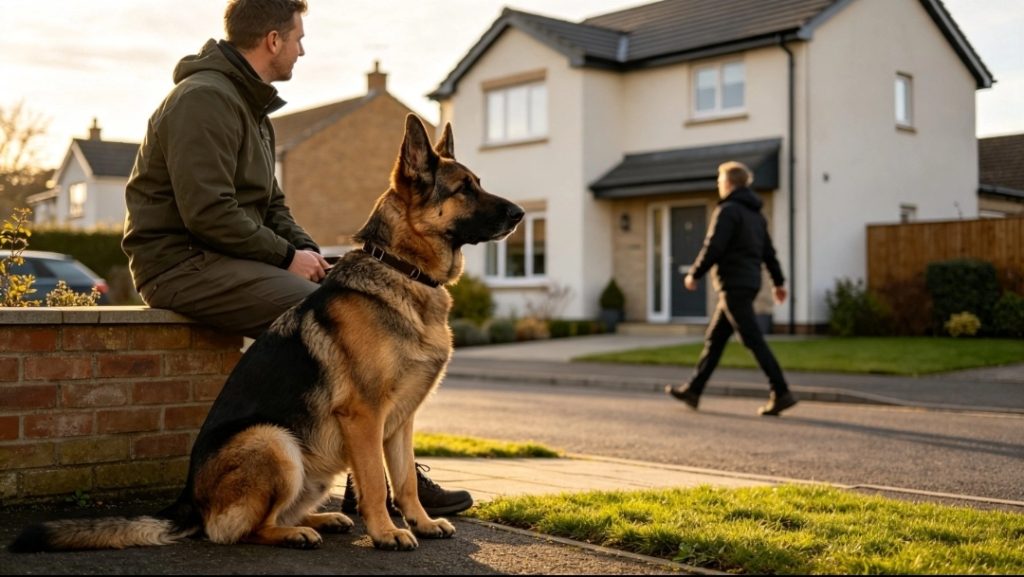
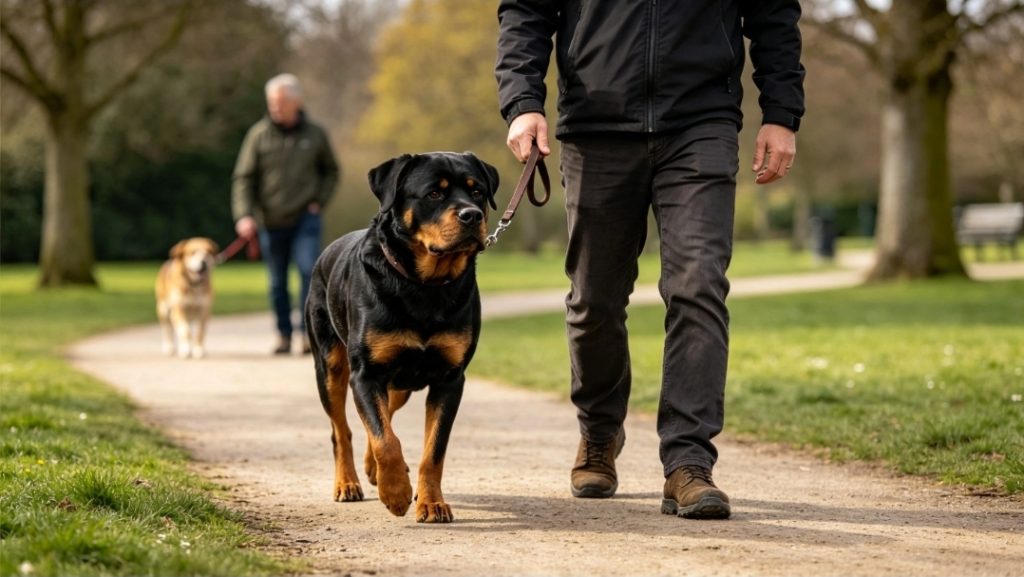
Understanding what your dog enjoys and dislikes starts with observing how your dog responds to everyday interactions rather than assuming they enjoy something because you intend it to be affectionate or rewarding. Dogs have individual preferences for petting, cuddling, play, food, praise and attention. Their responses can also change depending on their mood, surroundings, health and previous experiences.
Learning to recognise these differences helps you make better decisions about how you interact with your dog. It can strengthen trust, improve communication and help you recognise when your dog wants to engage, needs a break or would prefer more space.
Why Is It Important to Understand What My Dog Enjoys?
People often show affection through hugging, stroking, cuddling or approaching a dog for attention. However, what feels affectionate to a person may feel uncomfortable or restrictive to a dog.
Some dogs actively seek physical contact and enjoy being stroked for long periods. Others prefer brief contact, interaction through play or simply being near their owners without being touched. A dog may enjoy being stroked in one area but dislike being touched elsewhere.
These differences do not necessarily mean a dog has a poor relationship with its owner. They reflect individual preferences and the circumstances surrounding the interaction.
Instead of asking only, “Does my dog let me do this?”, consider a more useful question: “How does my dog respond when I do this, and what does that response tell me?”
This change in perspective helps you focus on your dog’s experience rather than relying solely on your own intentions.
How Can I Tell If My Dog Enjoys Being Petted?
Dogs communicate through their posture, facial expressions, movement and behaviour. Looking at these signals together can help you judge whether your dog appears comfortable with an interaction.
A dog that enjoys being petted may:
- Voluntarily approach you or move closer.
- Have a loose, relaxed body.
- Lean gently into your hand.
- Remain comfortably engaged without trying to move away.
- Seek further contact when you pause.
However, no single behaviour proves that a dog is enjoying every aspect of an interaction. For example, leaning against you may indicate a desire for contact, but you should still consider the rest of the dog’s body language and the situation.
Likewise, a dog remaining still does not automatically mean they are comfortable. Some dogs become still when uncertain or worried.
Try Pausing to See What Your Dog Chooses
One practical way to understand your dog’s preference is to offer a brief, gentle interaction and then pause.
For example, stroke your dog gently in an area where they normally appear comfortable. After a few seconds, remove your hand and give them the opportunity to choose what happens next.
If your dog moves closer, nudges your hand or clearly seeks more contact, they may be inviting further interaction. If they turn away, move away or show signs of discomfort, respect that response and stop.
This is not a formal test that produces a guaranteed answer. It is a useful way to pay attention to your dog’s choice instead of continuing automatically.
Does My Dog Like Being Hugged or Cuddled?
Some dogs enjoy resting close to their owners and choosing to cuddle. Others may tolerate being held but prefer not to have their movement restricted.
Hugging can limit a dog’s ability to move away, which may make the interaction uncomfortable even when the person is trying to show affection. A dog that remains in your arms should not automatically be assumed to be enjoying the experience.
Look for signs of comfort and willingness to participate. If your dog moves away, turns their head, becomes tense, repeatedly licks their lips or tries to escape the contact, give them space.
It is particularly important to teach children to respect these boundaries. Children should not climb on dogs, squeeze them, disturb them while resting or attempt to hold them in place for cuddles. Always supervise interactions between children and dogs.
Affection should be an interaction your dog can comfortably participate in, not something they are expected to accept.
How Do I Recognise When My Dog Is Uncomfortable?
Dogs may show discomfort through subtle changes before their behaviour becomes more obvious. Learning to recognise these early signals can help you respond before the situation escalates.
Possible signs of discomfort or uncertainty include:
- Turning the head or body away.
- Moving away from the person or activity.
- Becoming stiff or suddenly still.
- Repeatedly licking the lips or yawning in a situation that appears uncomfortable.
- Showing the whites of the eyes while turning the head.
- Lowering the body or holding the tail differently from usual.
- Growling, snapping or attempting to bite.
These signs must be interpreted in context. A yawn, lip lick or change in posture can have several explanations, so avoid assuming that one signal always means fear or dislike.
Look for changes from your dog’s usual behaviour, consider what happened immediately before the response and observe whether several signs occur together.
If your dog growls, do not punish the warning or force the interaction to continue. Calmly stop what you are doing, create space and consider what made the situation uncomfortable. If the response is repeated, intense or creates a safety concern, seek appropriate professional guidance.
Why Does My Dog Sometimes Enjoy Something but Reject It at Other Times?
A dog’s preferences are not always fixed. Something enjoyable in one situation may be uncomfortable in another.
For example, your dog might enjoy being stroked while relaxing at home but move away when tired, distracted or approached by a visitor. A dog that usually enjoys having its paws handled may object if the area is sore.
Consider factors such as:
- The environment: Noise, unfamiliar people or activity may affect how comfortable your dog feels.
- Physical comfort: Pain, illness or sensitivity may change how your dog responds to touch.
- Emotional state: Excitement, worry or fatigue may affect their willingness to interact.
- Previous experiences: Past handling or interactions may influence their expectations.
- The type of contact: Your dog may enjoy gentle stroking but dislike restraint, tight hugs or being touched in a particular area.
When your dog’s response changes, do not automatically assume they are being difficult. Adjust the interaction and consider whether something about the situation has changed.
If your dog suddenly becomes sensitive to touch, especially in a particular area, consult your vet to rule out pain or an underlying medical problem.
How Can I Understand My Dog’s Body Language Better?
Understanding body language means looking at the whole dog rather than trying to interpret isolated movements. The position of the ears, tail and body can provide useful information, but these signals vary between individual dogs and should always be considered alongside the surrounding circumstances.
For example, a wagging tail does not automatically mean a dog is happy to be approached. A dog can wag its tail while excited, uncertain or uncomfortable. Similarly, a dog turning its head away may be responding to a distraction rather than rejecting you.
Observe what happens before, during and after an interaction. Does your dog approach voluntarily? Do they remain relaxed? Do they move away when contact begins? Do they return when you stop?
The GPK9 course Read Your Dog explores how to recognise and interpret canine body language, including signs of comfort, uncertainty, stress and excitement. It can help you develop a more informed understanding of what your dog may be communicating through behaviour.
How Does My Dog Communicate With Me?
Communication is a two-way process. Your dog responds to your actions, movement, voice, touch and timing, while you interpret their behaviour and decide how to respond.
If your dog repeatedly moves away when you approach, continuing to follow and touch them may make the interaction more uncomfortable. Giving them space and allowing them to approach when ready provides a different experience.
Similarly, if your dog brings you a toy, nudges your hand or approaches when you sit down, they may be inviting attention or play. Consider the context before deciding what they want, and notice how they respond to your next action.
The GPK9 course K9 Communication explores how dogs communicate through body language and behaviour, helping owners recognise signals and improve the way they respond. This understanding supports everyday interactions because it encourages you to observe your dog rather than relying on assumptions.
How Do Food, Praise and Play Affect What My Dog Enjoys?
Dogs have individual motivations. One dog may be highly interested in food rewards, another may prefer interactive play, while another may respond particularly well to praise, attention or opportunities to explore.
Even within the same dog, preferences can change depending on the activity and environment. A dog that enjoys chasing a toy in the garden may show little interest in it when tired or distracted. A food reward that works well during quiet training may be less appealing when the surroundings become overwhelming.
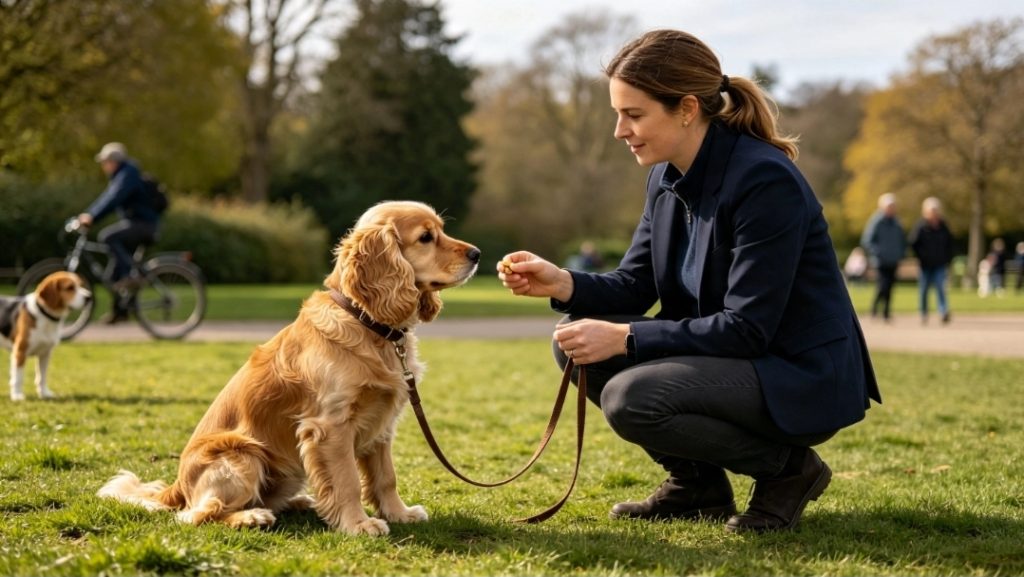
Pay attention to what your dog chooses and how they respond. Offer suitable rewards, keep activities appropriate for their ability and avoid forcing engagement when they are uncomfortable or uninterested.
Play is especially useful to observe because enjoyment and excitement are not always the same thing. Your dog may become highly excited during a game but struggle to settle afterwards. Watch whether they can take breaks, respond to you and recover comfortably when the activity ends.
The GPK9 course Play, Toys and Motivation explores individual play preferences, building engagement, using play in training and recognising when excitement becomes difficult to manage.
Can Fear or Anxiety Affect My Dog’s Response to Affection?
Yes. A dog that feels worried or unsafe may be less comfortable with touch, close contact, unfamiliar people or certain environments. Some dogs move away or hide, while others become tense, bark, growl or attempt to defend themselves when they feel threatened.
Avoid forcing physical contact to help a worried dog “get used to it”. Instead, reduce pressure, allow distance and give your dog opportunities to approach voluntarily. Interactions should progress at a pace the individual dog can manage.
If fear or anxiety repeatedly affects your dog’s everyday life, consider the situations that trigger the response and seek suitable support. A vet can help assess possible medical factors, while a qualified behaviour professional can guide a suitable behaviour plan.
The GPK9 course Fear, Confidence and Anxiety explores how uncertainty can affect behaviour and learning, including recognising stress signals, adjusting situations and supporting confidence gradually.
How Can I Create a Home Environment That Respects My Dog’s Preferences?
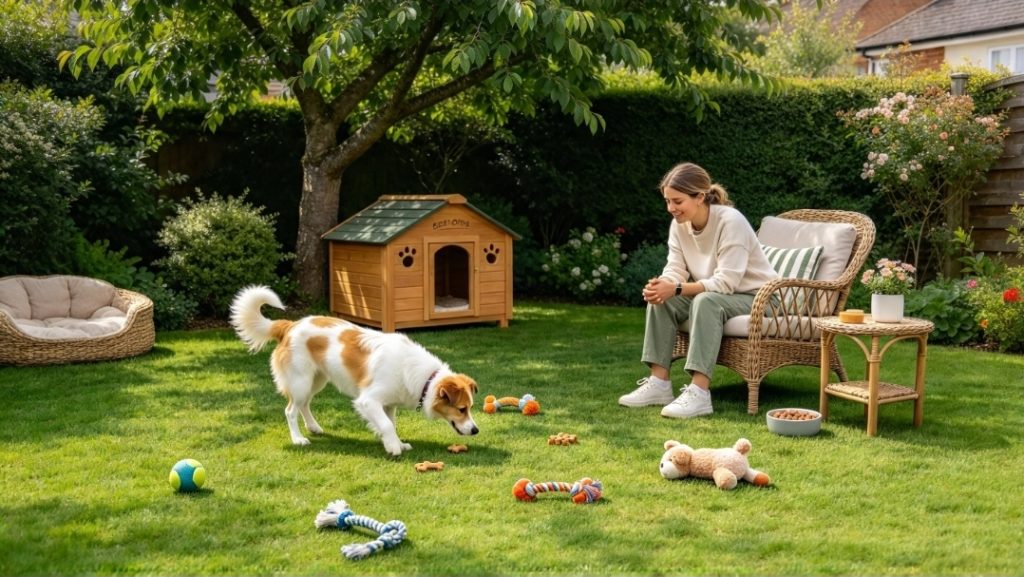
Your home routine can make it easier for your dog to choose when to interact and when to rest. Provide a comfortable resting area where your dog can relax without being repeatedly disturbed. Make sure everyone in the household understands when the dog should be left alone and how to approach them appropriately.
Consistency is important. If one person allows the dog to rest undisturbed while another repeatedly interrupts them for attention, the dog may find it harder to settle comfortably.
You can support better everyday interactions by:
- Allowing your dog to approach you rather than always initiating contact.
- Respecting attempts to move away.
- Avoiding disturbance during sleep and rest.
- Keeping interactions with children calm and supervised.
- Providing suitable opportunities for play, exploration and quiet time.
- Teaching household members to recognise and respect signs of discomfort.
The GPK9 course Home Training and House Rules covers household routines, boundaries, settling and appropriate behaviour at home. These foundations help create an environment where your dog’s needs and preferences can be considered alongside consistent household expectations.
Final Thoughts: Learn to Understand Your Individual Dog
Understanding what your dog enjoys and dislikes is an ongoing process. Their preferences may differ from yours, and their responses can change according to the environment, their physical comfort and their emotional state.
Observe how your dog behaves before, during and after interactions. Offer affection and activities they appear to enjoy, pause to give them a choice, and respect signs that they need space. Do not rely on a single signal or assume that tolerance means enjoyment.
If your dog’s behaviour changes suddenly, touch appears painful or fear and aggression become concerns, seek appropriate veterinary or professional advice.
The better you understand your dog’s individual responses, the better you can adapt your interactions, communicate clearly and build a relationship based on trust and mutual comfort.