Dog Walking Essentials: Equipment for Safe Outdoor Adventures
A good walk is about much more than attaching a lead and heading outside.
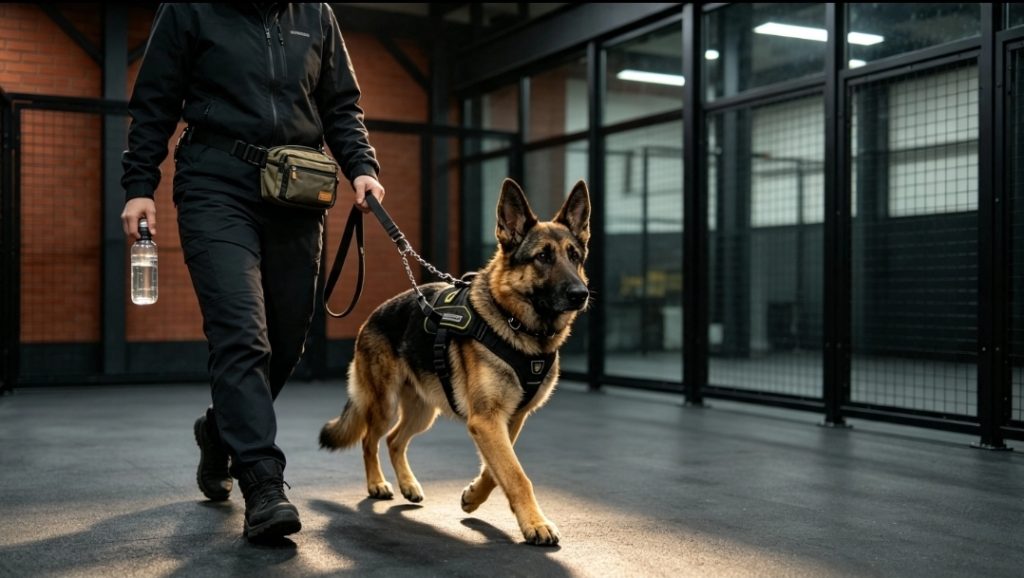
Walking provides opportunities for exercise, exploration, training and engagement, but a successful outing also depends on having appropriate equipment and understanding how to use it. The right collar, harness, lead, identification, waste equipment, treats and water can make everyday walks more organised and safer.
Dog Walking Essentials: Equipment for Safe Outdoor Adventures looks at the equipment and practical skills that can help owners prepare for different walking environments while building better behaviour along the way.
The ideal walking setup is not identical for every dog. A young puppy, an experienced adult dog and a powerful dog that is still developing reliable walking behaviour may all require different equipment and handling strategies.
Essential Walking Equipment
Before heading outdoors, it is worth developing a simple walking checklist.
The basic setup normally includes suitable identification, a correctly fitted collar or harness, an appropriate lead and waste bags. Depending on the duration and environment, owners may also need training rewards and water.
Equipment should be selected for the individual dog rather than simply chosen because it looks suitable.
Collar
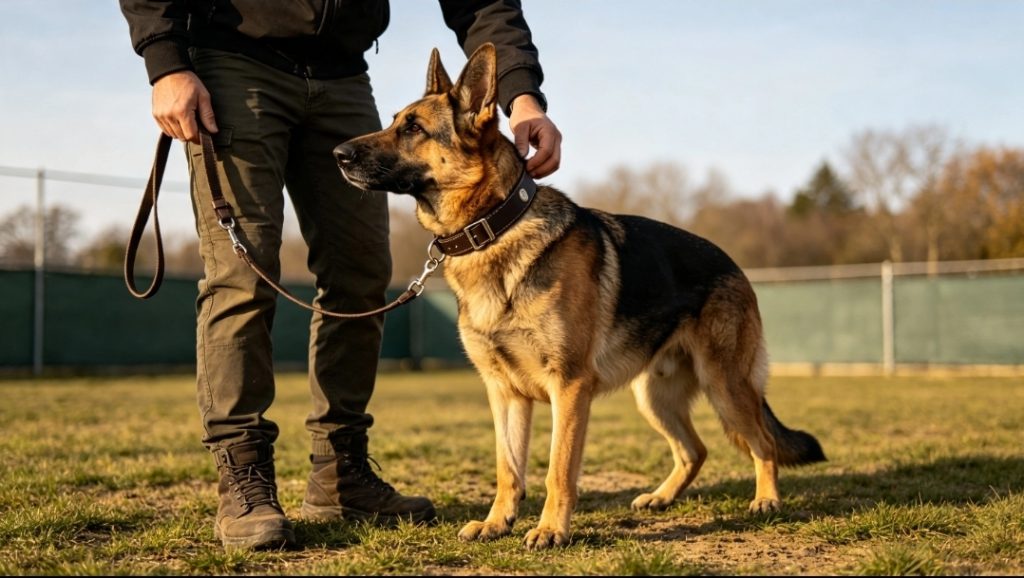
A correctly fitted collar can provide identification and a connection point where appropriate.
It should fit securely without being excessively tight. Owners should regularly check the fit, particularly with puppies and young dogs that are still growing.
Different collar designs serve different purposes, so selection should take into account the dog’s size, behaviour, coat and training requirements.
For a detailed examination of different designs, Dog Training Collars: Types, Uses & Choosing the Right Collar provides a natural next step within the GPK9 topic cluster.
Harness
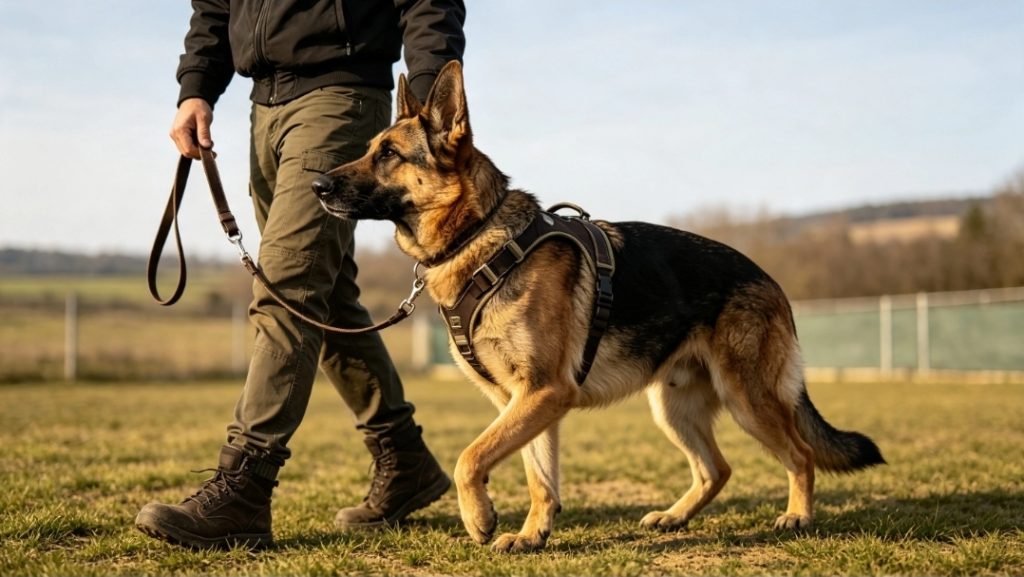
A harness can provide an alternative connection point for walking equipment and may be particularly useful for some dogs.
Fit is important. A harness should allow normal movement without rubbing, restricting appropriate movement or creating opportunities for the dog to escape.
Different harness designs fit different body shapes, which makes selecting the correct style important.
Owners considering harness options can continue into Dog Training Harnesses: Types, Uses & How to Choose, which connects directly with this part of the walking setup.
Lead
Lead selection should reflect the dog’s size, strength, training level and environment.
A standard lead may be suitable for everyday walking, while a longer training line can provide additional distance during appropriate recall preparation.
Retractable leads have particular handling considerations and are not automatically suitable for every dog or environment.
The important principle is to choose equipment that gives the handler appropriate control for the situation.
RECOMMEND PRODUCTS

- RELATED ARTICLES
- Dog Training Leads & Long Lines: What to Choose & Why
- Dog Training Harnesses: Types, Uses & How to Choose
- Dog Training Collars: Types, Uses & Choosing the Right Collar
This related article provides additional guidance on lead selection and explains how different lead and long-line options can support different training situations.
Identification and Waste Equipment
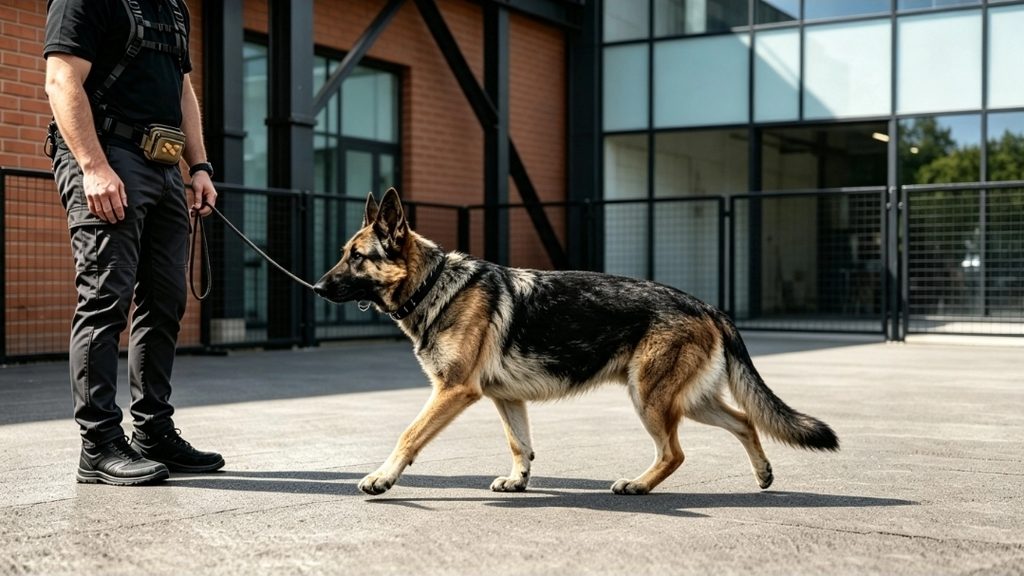
Identification should be part of the dog’s normal walking preparation.
A suitable identification tag can provide important contact information if a dog becomes separated from its owner. Owners should also make sure that their dog’s identification arrangements remain current.
Waste equipment is equally straightforward but essential.
Carry enough waste bags for the walk and dispose of them responsibly. Keeping waste equipment attached to the walking kit can make it easier to remember.
These small details contribute to a more organised walking routine.
Treat Pouches and Training Rewards
Training rewards can be useful during walks.
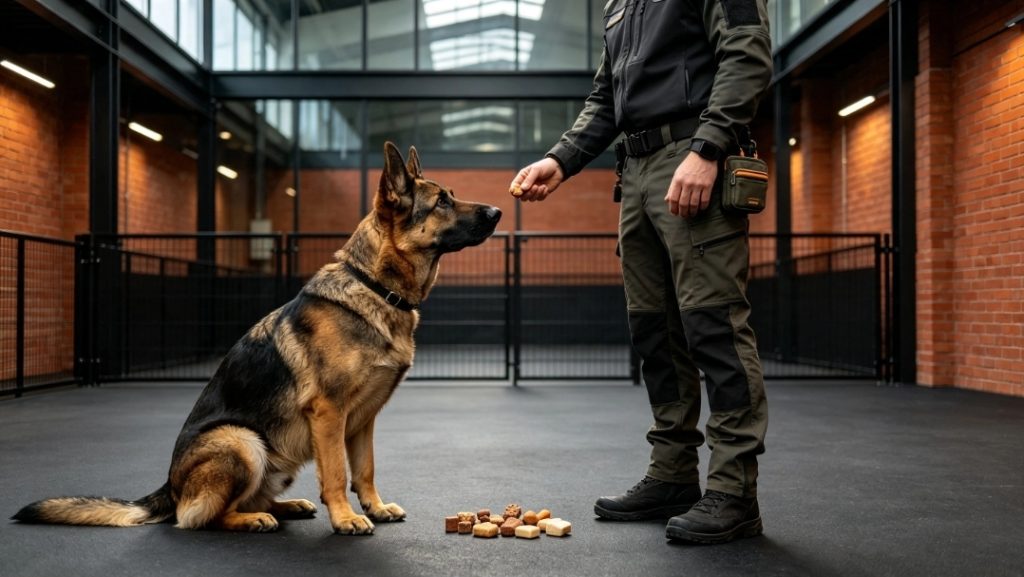
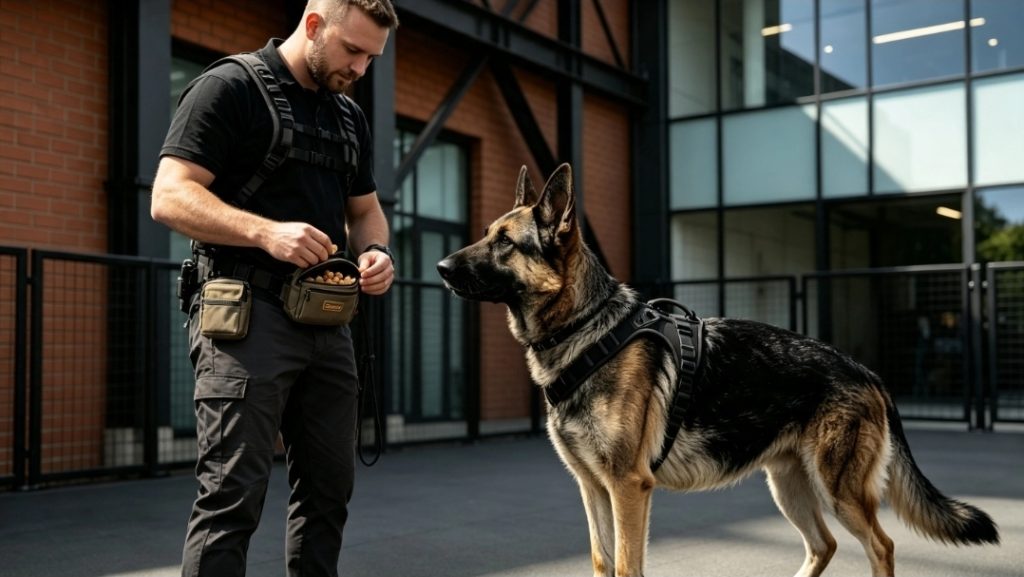
A treat pouch provides convenient access to small rewards without requiring the owner to repeatedly reach into a pocket or carry an open food container.
Food rewards can be useful for reinforcing engagement, loose-lead walking, attention and responses around distractions.
The reward should be appropriate for the dog and the exercise being performed.
For more information about choosing training rewards, Dog Training Treats: Choosing the Right Rewards for Training connects directly with the use of food during outdoor training.
RECOMMEND PRODUCT
Dog Training Treat Pouches: How to Choose the Right One
A practical treat pouch can keep rewards accessible during training walks and allow the handler to reinforce useful behaviours without interrupting the walk unnecessarily.
RECOMMEND COURSE
Fundamentals 1 is relevant to owners establishing early engagement and basic behaviours. Short training exercises during everyday walks can help turn normal outdoor time into useful learning opportunities.
Taking Water on Walks
Water becomes increasingly important as the duration and conditions of a walk change.
For short local walks, the dog may have suitable access to water before and after the outing. Longer walks, outdoor training sessions and warmer conditions may require owners to carry additional water.
Portable bottles and collapsible bowls can make this easier.
Water equipment should be clean, easy to carry and practical to use outdoors.
Owners should also consider the conditions rather than relying solely on distance. Temperature, exercise intensity, terrain and the individual dog can all influence hydration needs.
For broader feeding and hydration guidance, Dog Feeding & Hydration: Essential Equipment and Practical Advice provides a useful connection.
RECOMMEND PRODUCTS
- RELATED ARTICLES
- Dog Training Leads & Long Lines: What to Choose & Why
- Dog Training Harnesses: Types, Uses & How to Choose
- Dog Training Collars: Types, Uses & Choosing the Right Collar
Portable hydration equipment can be particularly valuable when walks become longer or more physically demanding. This related article provides additional information about practical hydration equipment and everyday feeding systems.
Choosing Equipment for the Individual Dog
The same walking equipment will not necessarily suit every dog.
Several factors should influence your choices.
Dog size
Equipment should be appropriate for the dog’s size and strength.
A small dog may require lightweight equipment, while a larger, stronger dog may need equipment capable of handling greater forces.
However, size alone should not determine the entire setup.
Training level
A dog that walks reliably on a loose lead may require a relatively simple setup.
A dog that pulls strongly, reacts to distractions or has unreliable recall may need a more carefully managed training system.
Equipment should support the training process rather than being expected to solve behavioural problems by itself.
Walking environment
Consider where the equipment will be used.
Urban pavements, open countryside, woodland paths and enclosed training areas create different requirements.
Traffic-heavy environments require particularly careful management. Open areas may create greater consequences if a dog gets loose.
Weather
Weather can affect both the dog and the equipment.
Rain can make surfaces slippery and equipment wet. Hot weather can increase physical demands and hydration requirements. Cold conditions may also affect the duration and type of activity that is appropriate.
Duration
A short toilet walk requires a different preparation level from a long outdoor adventure.
The longer the outing, the more important it becomes to consider water, rewards, suitable equipment and environmental conditions.
RECOMMEND PRODUCTS
- RELATED ARTICLES
- Dog Training Leads & Long Lines: What to Choose & Why
- Dog Training Harnesses: Types, Uses & How to Choose
- Dog Training Collars: Types, Uses & Choosing the Right Collar
Dog Walking Essentials: Equipment for Safe Outdoor Adventures
A useful walking kit should reflect the dog, the environment and the planned activity. Avoid carrying equipment simply because it is available; choose what genuinely supports the outing.
Developing Loose-Lead Walking
Equipment is only one part of good walking behaviour.
Loose-lead walking needs to be taught.
The objective is for the dog to understand that walking near the handler without continually pulling allows the walk to continue.
Training should begin in manageable environments before gradually introducing greater distractions.
Reward appropriate positioning and engagement.
Avoid expecting a dog to perform perfectly in a highly distracting environment before it has learned the behaviour in a simpler setting.
Engagement
Engagement is the dog’s willingness to pay attention to the handler.
During a walk, this can be encouraged through short training exercises, changes of direction, appropriate rewards and opportunities to interact.
The goal is not for the dog to stare at the handler for the entire walk. Dogs should also have appropriate opportunities to sniff, explore and investigate their surroundings.
A balanced walk can include both structured training and appropriate freedom to explore.
Passing Distractions
Outdoor environments contain countless distractions.
Other dogs, people, bicycles, vehicles, wildlife, sounds and unfamiliar surfaces can all change how a dog behaves.
Training should therefore progress gradually.
Begin with distractions that the dog can handle and increase difficulty as reliability develops.
If the dog becomes overwhelmed, increasing distance can provide a more manageable training opportunity.
The owner should not expect equipment alone to prevent unwanted reactions.
Training, management and appropriate distance all work together.
For owners developing general obedience, Obedience Dog Training: Equipment, Commands & Techniques provides a useful continuation because walking behaviour relies heavily on the dog’s ability to respond to learned cues.
RECOMMEND COURSE
Fundamentals 2 can complement developing walking skills by helping owners build greater reliability and engagement beyond the earliest training foundations.
Preparing for Recall
Recall is particularly important when dogs are eventually given appropriate off-lead opportunities.
A reliable recall should be developed progressively rather than assumed.
Training lines can provide controlled distance while the behaviour is being established.
Start in an environment where distractions are manageable, reward successful returns and gradually increase difficulty.
Do not repeatedly call a dog when you already know it is unlikely to respond. Instead, adjust the environment or distance so that the dog has a realistic opportunity to succeed.
A recall cue should remain valuable and consistent.
RECOMMEND PRODUCTS
- RELATED ARTICLES
- Dog Training Leads & Long Lines: What to Choose & Why
- Dog Training Harnesses: Types, Uses & How to Choose
- Dog Training Collars: Types, Uses & Choosing the Right Collar
Dog Training Leads & Long Lines: What to Choose & Why
A suitable long line can provide useful control during recall preparation, allowing the handler to practise at greater distances without immediately giving the dog unrestricted freedom.
Calm Walking
A successful walk does not need to be physically exhausting.
Calm walking can be valuable, particularly when moving through busy environments.
Dogs can learn that walking does not always mean rushing from one exciting event to another.
Short pauses, changes of direction, controlled engagement and appropriate reinforcement can help build a more settled walking pattern.
However, dogs also need opportunities to behave naturally.
Allowing appropriate sniffing and exploration can form part of a balanced walk rather than treating every second outdoors as a formal obedience exercise.
Outdoor Safety
Walking outside introduces risks that do not exist inside the home.
Good preparation reduces avoidable problems.
Traffic
Roads require particularly careful management.
Keep the dog securely connected to suitable equipment and maintain awareness of vehicles, cyclists and other road users.
Do not rely on a dog being obedient enough to ignore traffic.
Even a well-trained dog can react unexpectedly to something frightening or exciting.
Other dogs
Not every dog wants to interact with another dog.
Owners should respect appropriate distance and avoid assuming that every encounter should become a greeting.
Controlled passing can be part of training.
If your dog finds other dogs particularly challenging, increasing distance and seeking appropriate professional guidance may be more useful than repeatedly exposing the dog to situations it cannot currently handle.
Public spaces
Be aware of the rules and expectations of the area being visited.
Some locations require dogs to remain on leads or have specific restrictions.
Owners should also consider other members of the public, livestock, wildlife and the environment.
Responsible walking means considering the wider surroundings rather than focusing solely on the dog.
Equipment checks
Before leaving, inspect the lead, collar, harness and attachment points.
Check for worn stitching, damaged clips, frayed material or other signs of deterioration.
A small equipment failure can have serious consequences if it occurs near a road or in an open environment.
RECOMMEND PRODUCTS
- RELATED ARTICLES
- Dog Training Leads & Long Lines: What to Choose & Why
- Dog Training Harnesses: Types, Uses & How to Choose
- Dog Training Collars: Types, Uses & Choosing the Right Collar
Dog Training Harnesses: Types, Uses & How to Choose
A correctly fitted harness can form part of a suitable walking system where appropriate. Fit and design should be checked regularly, particularly as puppies and young dogs grow.
Walking Puppies
Puppy walks require additional consideration.
A puppy is still developing physically and mentally, so outdoor experiences should be appropriate for its age and individual circumstances.
The aim should not simply be to cover a particular distance.
Puppies benefit from controlled exposure to different environments, surfaces, sounds and experiences while maintaining appropriate rest.
Walking equipment should also be regularly checked as the puppy grows.
For a wider introduction to puppy development, Puppy Training: Essential Skills, Equipment & Techniques connects naturally with this subject.
RECOMMEND COURSE
Fundamentals 1 provides a natural pathway for early training, including the engagement and foundational behaviours that can be practised during age-appropriate outdoor experiences.
Making Walking Part of Training
One of the greatest advantages of regular walks is that training can happen naturally within everyday life.
You can practise brief periods of loose-lead walking, engagement, calm passing, changes of direction and recall preparation.
However, not every walk needs to become a training session.
Dogs need opportunities to explore and enjoy the environment.
A useful approach is to alternate between structured moments and relaxed walking.
For example, a short engagement exercise can be followed by a period of relaxed sniffing. A few loose-lead repetitions can be followed by normal movement.
This creates variety while maintaining a clear relationship between training and everyday activity.
RECOMMEND COURSE
The 90-Day Transformation course can complement owners who want to build consistency across everyday training. Regular walks provide frequent opportunities to practise behaviours in real environments rather than relying solely on indoor training sessions.
Building a Practical Walking Kit
A simple walking kit might contain:
- Correctly fitted collar.
- Suitable harness where appropriate.
- Standard lead.
- Long line for appropriate training situations.
- Identification.
- Waste bags.
- Treat pouch.
- Suitable training rewards.
- Portable water.
- Collapsible water bowl.
- Basic equipment-check routine.
The exact contents should depend on the dog and the planned activity.
A five-minute local walk does not require the same equipment as a long countryside outing.
The important principle is preparation.
Having the appropriate equipment available before leaving reduces the likelihood of being caught without something important.
What the Reader Learns
Understanding Dog Walking Essentials: Equipment for Safe Outdoor Adventures means recognising that safe and productive walks depend on both equipment and training.
A collar, harness and lead should be selected according to the dog and environment. Identification and waste equipment should form part of normal preparation, while treats and a suitable pouch can support training.
Water should be considered whenever the conditions or duration make it necessary.
Walking skills should then develop alongside the equipment.
Loose-lead walking, engagement, calm behaviour around distractions and recall preparation can all be practised progressively.
The aim is not to control every movement the dog makes.
A good walking routine allows appropriate exploration while giving the handler enough control to manage genuine risks.
Walking is one of the most regular activities shared between a dog and its owner, making it an excellent opportunity to combine exercise, exploration and training.
With suitable equipment, sensible preparation and progressive training, everyday walks can become structured without losing the enjoyment that makes getting outside valuable for both dog and handler.
The principles behind Dog Walking Essentials: Equipment for Safe Outdoor Adventures are simple: choose equipment for the individual dog, prepare for the environment, check everything before use and develop walking behaviour progressively.
The equipment supports the process—but good communication, consistency and appropriate training remain at the centre of a successful walking routine.