Dog Training Treats: Choosing the Right Rewards for Training
Dog training treats can be one of the most useful tools available during training. Used correctly, food rewards can help a dog understand which behaviours are being reinforced, maintain engagement with the handler and build reliable responses across different environments.
However, choosing the right reward involves more than simply buying a bag of treats. Dog size, motivation, treat value, texture, training difficulty and the environment can all affect how useful a reward becomes.
Dog Training Treats: Choosing the Right Rewards for Training explores how rewards influence learning and how to select and use treats effectively during puppy training, obedience, recall, distraction training and more advanced work.
RECOMMEND PRODUCTS

- RELATED ARTICLES
- Dog Training Treat Pouches: How to Choose the Right One
- Obedience Dog Training: Equipment, Commands & Techniques
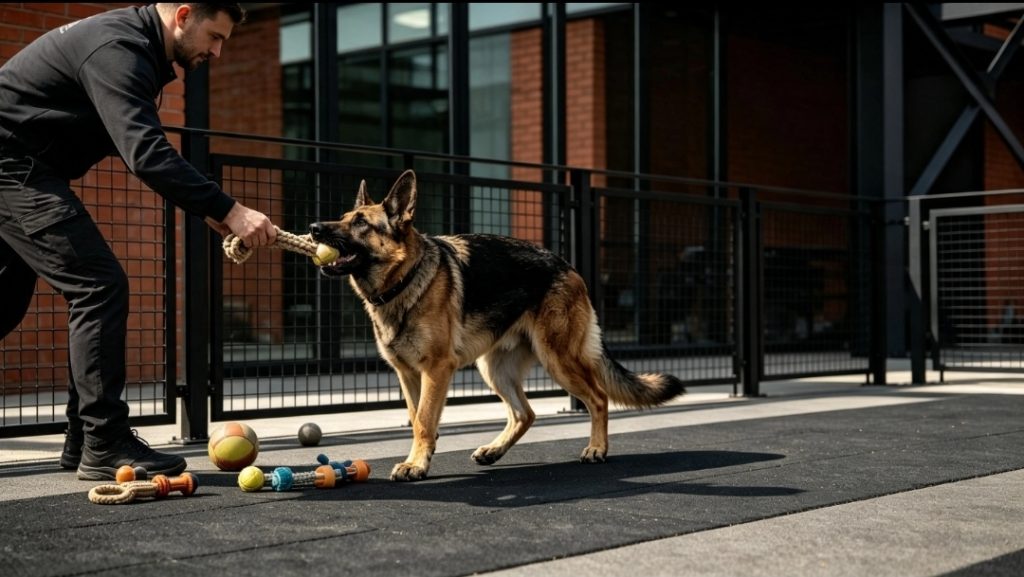
- Dog Toys & Rewards: Choosing Toys for Training & Play
Understanding Rewards
Why Dogs Work for Reinforcement
Training involves consequences. When a dog performs a behaviour and something valuable happens immediately afterwards, that behaviour can become more likely to occur again.
Food is particularly useful because many dogs naturally value it. A well-timed treat can therefore provide clear information: that behaviour was correct.
The treat itself is not the whole training system. The handler’s timing, consistency and ability to create clear communication are equally important.
A dog that receives a reward several seconds after completing a behaviour may struggle to understand exactly what earned it. A reward delivered immediately after the desired action creates a much clearer connection.
Food Motivation
Not every dog values food equally in every situation.
A dog may happily take ordinary treats inside the home but ignore them when surrounded by unfamiliar dogs, people, traffic or other distractions. This does not necessarily mean the dog is unwilling to learn. The environment may simply be more rewarding than the food being offered.
This is where reward value becomes important.
Reward Timing
Timing is one of the most important parts of reward-based training.
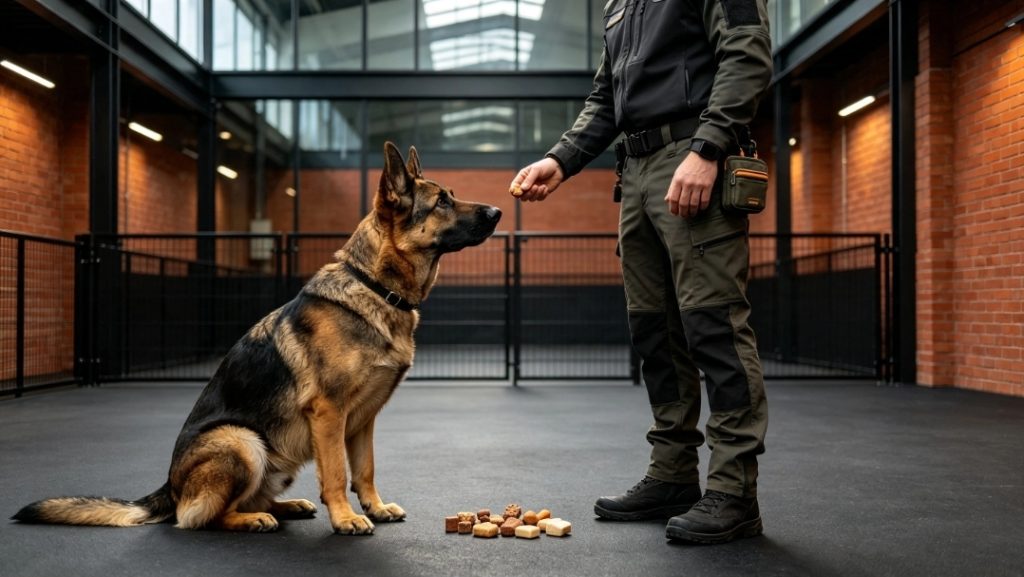
For example, imagine asking a dog to sit. The dog places its bottom on the floor, the handler marks the behaviour and immediately delivers the treat. The sequence is clear:
Behaviour → marker → reward.
The dog begins to understand what action produced the reward.
For a wider understanding of how this fits into obedience training, Obedience Dog Training: Equipment, Commands & Techniques provides a useful connection between rewards, commands and practical training progression.
Types of Training Treats
Soft Treats
Soft treats are often practical for training because they can usually be consumed quickly.
Fast consumption matters when training. If a dog has to spend a long time chewing a reward, the rhythm of the session can be interrupted.
Soft treats can therefore be particularly useful for exercises involving frequent repetition, such as engagement, position changes, heelwork and basic obedience.
Small Training Treats
Small treats allow the handler to reward frequently without giving large quantities of food during a session.
The ideal size depends on the dog. A large dog does not necessarily require a large treat, particularly when the reward is being delivered repeatedly.
For smaller dogs, very small pieces can provide reinforcement while helping the handler manage overall intake.
Natural Treats
Natural treats can provide another option for dogs with particular preferences.
The important consideration is not whether a treat sounds appealing to humans, but whether the individual dog finds it motivating and whether it is appropriate for that dog’s normal diet.
Treats should remain part of an overall feeding plan rather than becoming uncontrolled additional food.
High-Value Rewards
High-value rewards are particularly useful when the training becomes more difficult.
A dog may consider its everyday food sufficient for practising a simple behaviour at home. When the same behaviour is requested around significant distractions, a more valuable reward may help maintain engagement.
High-value rewards can therefore be reserved for particularly challenging exercises, new environments or important behaviours such as recall.
Everyday Rewards
Everyday rewards are useful for routine training.
If a dog only receives extremely valuable food for every behaviour, the handler can become dependent on constantly providing the highest level of reinforcement. Instead, different reward values can be used according to the difficulty of the task.
Choosing the Right Treat
Dog Size
Treat size should be appropriate to the individual dog.
A small dog receiving large pieces repeatedly may consume far more food than necessary. A larger dog can also often work effectively for small pieces when the reward is delivered frequently.
The objective is reinforcement, not feeding a full meal through training.
Training Difficulty
The difficulty of the exercise should influence reward selection.
Simple behaviours in a familiar environment may require relatively ordinary rewards. More challenging exercises involving distance, duration, distractions or unfamiliar surroundings may justify something more valuable.
This creates a flexible reward system rather than treating every training situation identically.
Individual Motivation
Every dog is different.
One dog may work enthusiastically for small soft treats. Another may prefer a different food reward. Some dogs may become particularly interested in a toy or another form of reinforcement.
Understanding what motivates the individual dog allows the handler to select rewards strategically.
Treat Size and Texture
Treat size and texture can affect the speed and rhythm of training.
Small, easy-to-consume pieces can keep sessions moving. A softer texture can be useful where rapid repetition is required, while a different texture may provide greater value for a dog that prefers it.
The practical question is simple: Does the reward allow the dog to return quickly and successfully to the exercise?
RECOMMEND PRODUCTS
- RELATED ARTICLES
- Dog Training Treat Pouches: How to Choose the Right One
- Obedience Dog Training: Equipment, Commands & Techniques
- Dog Toys & Rewards: Choosing Toys for Training & Play
When selecting training treats, look for options that can be broken into suitable portions, are easy to carry and can be delivered quickly. The reward should support the training session rather than interrupt it.
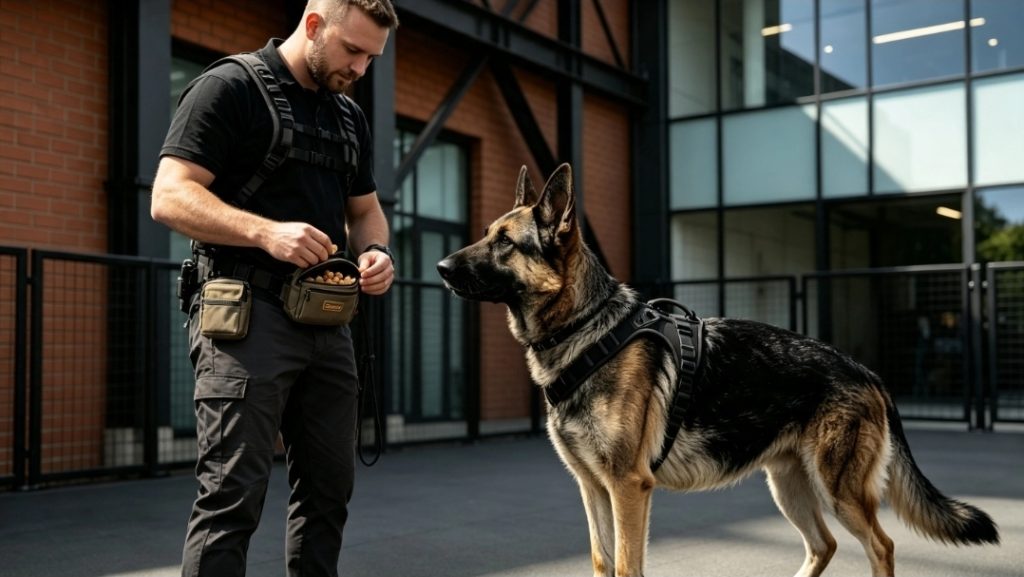
A suitable Dog Training Treat Pouch: How to Choose the Right One can also make reward delivery faster and more consistent, particularly when training outdoors.
RECOMMEND COURSE
Fundamentals 1 is naturally connected to reward selection because effective foundational training depends on teaching the dog what behaviour is being reinforced. Understanding how to deliver rewards clearly can make early training more structured and consistent.
Using Treats During Training
Luring
Luring uses a reward to guide the dog into a desired position or movement.
For example, a treat can be held close to the dog’s nose and slowly moved upwards to encourage a sit. As the dog follows the reward and completes the movement, the behaviour can be marked and reinforced.
The objective should eventually be to reduce dependence on the visible food lure.
Luring is particularly useful when introducing new behaviours because it can help the dog discover the physical movement required.
Mark-and-Reward
A marker provides precise information about the moment the dog performed correctly.
The handler marks the desired behaviour and follows with the reward.
For example:
The dog looks towards the handler.
Marker.
The dog receives the treat.
With repetition, the dog learns that paying attention to the handler produces reinforcement.
Recall
Recall training is one area where reward value can be particularly important.
A dog returning to the handler may be leaving something interesting behind. The reward for returning therefore needs to compete with the environment.
A long line can provide additional management while recall is developed. Dog Training Leads & Long Lines: What to Choose & Why connects directly with this stage of training by explaining how long-line equipment can support controlled distance work.
For recall, rewards should generally be delivered immediately when the dog reaches the handler rather than after unnecessary delays.
Obedience
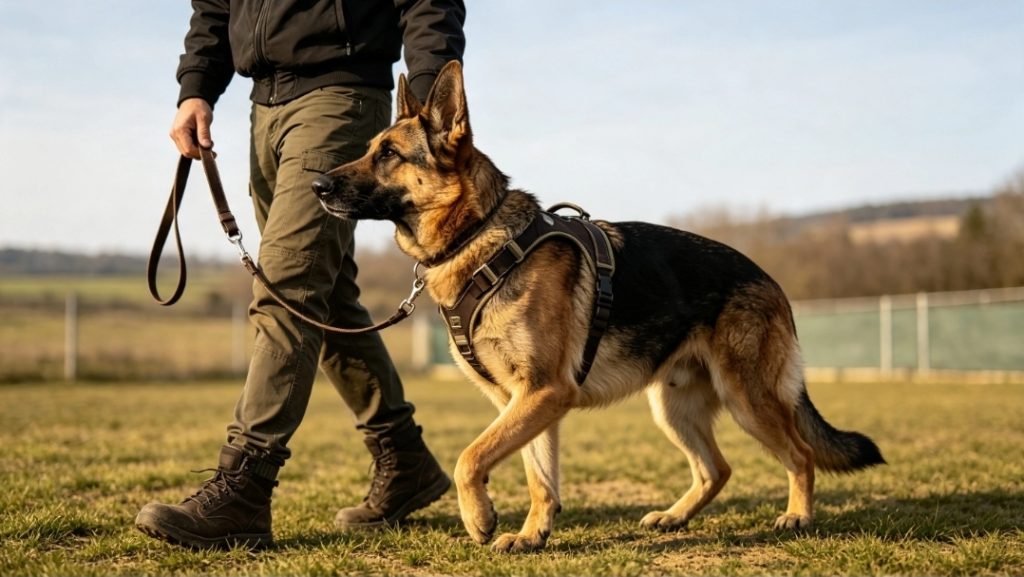
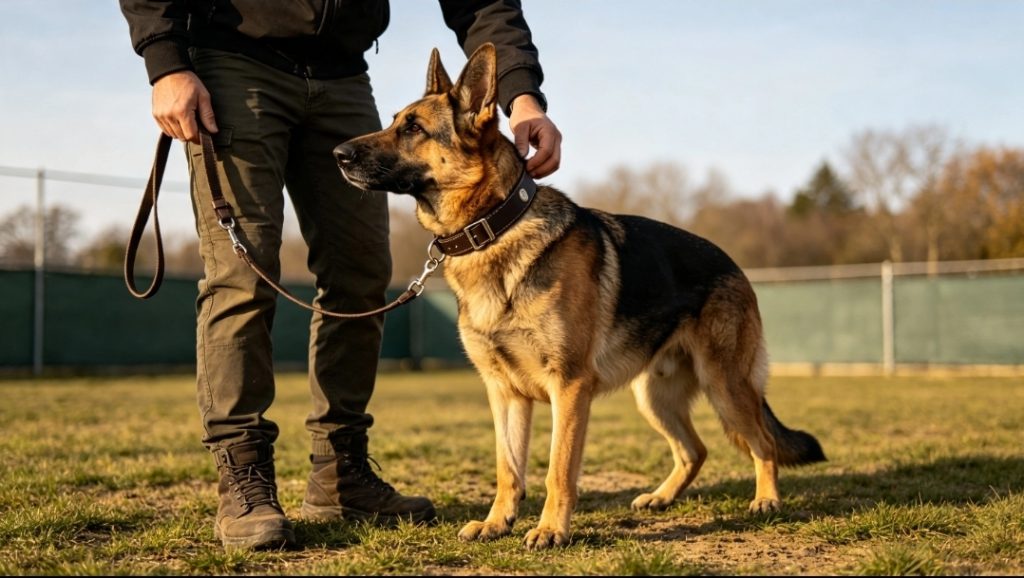
Treats can reinforce individual obedience behaviours including sit, down, stay, heel, leave it and place.
The reward should correspond to what the dog has achieved.
A simple behaviour performed correctly may receive an ordinary reward, while a difficult behaviour completed under significant distraction may receive something more valuable.
This helps create a training system where reward value reflects the level of effort required.
Distraction Training
Training in a quiet room is very different from training beside a busy road, around other dogs or in an unfamiliar environment.
As distractions increase, the handler may need to adjust the reward.
This is not about endlessly increasing food value. The training environment, distance from distractions, duration of the exercise and difficulty should also be managed.
If the dog cannot respond successfully, reduce the difficulty rather than simply producing a more exciting treat.
RECOMMEND PRODUCTS
- RELATED ARTICLES
- Dog Training Treat Pouches: How to Choose the Right One
- Obedience Dog Training: Equipment, Commands & Techniques
- Dog Toys & Rewards: Choosing Toys for Training & Play
A suitable treat pouch can make distraction training much easier because rewards remain immediately accessible. The handler can maintain better timing without repeatedly reaching into a pocket or carrying an open food container.
This becomes particularly useful when moving between quiet training and outdoor environments.
RECOMMENDED COURSE
Fundamentals 2 provides a natural progression from foundational learning into more developed training. Reward placement, timing and consistency become increasingly important as exercises become more demanding and the environment introduces greater distractions.
Managing Rewards
Portion Control
Training can involve many rewards, particularly when teaching a new behaviour.
That makes portion control important.
Instead of repeatedly taking large treats from a packet, prepare an appropriate amount before the session. Larger treats can also be divided into smaller pieces when suitable.
The purpose is to provide enough reinforcement for learning without turning a training session into excessive feeding.
Avoiding Overfeeding
Treats contribute to a dog’s overall food intake.
If a dog receives substantial quantities of training rewards throughout the day, its normal meals may need to be considered as part of the overall feeding routine.
The appropriate amount will depend on the individual dog, its normal diet, activity and other factors. Where dietary concerns exist, professional veterinary advice should be sought.
Varying Reward Value
Using exactly the same reward for every situation can make training unnecessarily rigid.
Instead, consider a reward hierarchy.
An ordinary treat may be suitable for easy behaviours at home. A more valuable reward may be reserved for difficult exercises. A particularly valuable reward may be saved for recall, challenging distractions or significant breakthroughs.
This gives the handler greater flexibility.
Reward Fading
The long-term objective is not necessarily to hold a treat in front of the dog’s face for every command.
Once the dog understands a behaviour, the visible lure can gradually be removed.
The reward can eventually follow successful performance rather than being shown beforehand.
This distinction is important. The dog should learn to respond to the handler’s communication, not simply follow a piece of food.
The same principle applies to reinforcement frequency. As behaviours become reliable, the handler can gradually vary when rewards are delivered while continuing to reinforce successful performance.
RECOMMEND PRODUCTS
- RELATED ARTICLES
- Dog Training Treat Pouches: How to Choose the Right One
- Obedience Dog Training: Equipment, Commands & Techniques
- Dog Toys & Rewards: Choosing Toys for Training & Play
For reward management, having several suitable treat options can be useful. Lower-value treats can support everyday repetitions, while higher-value rewards can be reserved for difficult exercises.
The key is to use the reward deliberately rather than automatically.
RECOMMEND COURSE
The 90-Day Transformation course connects with the practical use of rewards because developing reliable behaviour requires consistency over time. Treats are most effective when they form part of a structured training process rather than being used randomly from one session to the next.
How Rewards Influence Learning
Reward-based training is fundamentally about communication.
The dog performs a behaviour. The handler identifies the correct response. The behaviour is reinforced. Through repetition, the dog begins to understand which actions produce desirable consequences.
But the quality of the learning depends on more than the food itself.
Poor timing can create confusion. Excessive distractions can make success unlikely. Rewards that have little value to the individual dog may fail to maintain engagement. Excessive food can create unnecessary feeding issues.
Effective reward use therefore requires the handler to consider the whole training picture.
This is also why Puppy Training: Essential Skills, Equipment & Techniques is closely connected to the subject. Puppies need clear reinforcement while they learn foundational behaviours, communication and engagement.
For dogs progressing into more advanced obedience, Dog Training Toys & Rewards: Choosing Toys for Training & Play provides another useful connection by broadening the understanding of reinforcement beyond food alone.
What the Reader Learns
By understanding Dog Training Treats: Choosing the Right Rewards for Training, the handler can make more informed decisions about when, why and how food should be used.
The key principles are straightforward:
- Choose rewards according to the individual dog.
- Keep treats appropriately sized.
- Consider the difficulty of the exercise.
- Increase reward value when circumstances genuinely require it.
- Deliver rewards with accurate timing.
- Use markers to communicate clearly.
- Manage portions throughout the day.
- Avoid relying permanently on visible food lures.
- Gradually develop reliable behaviour without constant prompting.
- Use different reward values strategically.
- Consider toys and other forms of reinforcement where appropriate.
Training treats are not simply something to give a dog after it performs a command. They are a communication tool that can help the handler clearly reinforce desirable behaviour.
When reward value, timing, consistency and training difficulty are balanced correctly, food can become an extremely effective part of a structured training system.