FEATURED IMAGE — DALL·E DESCRIPTION
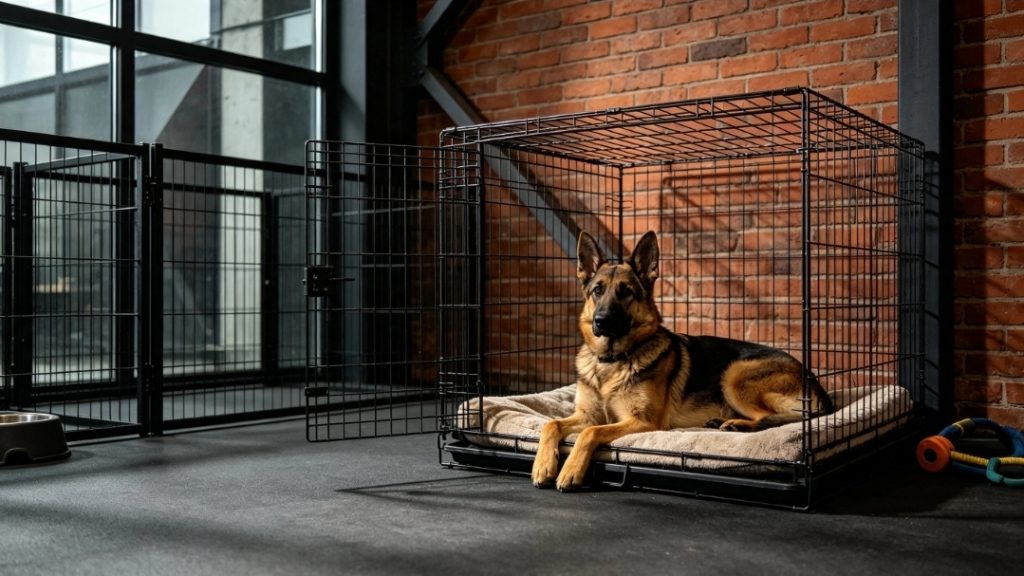
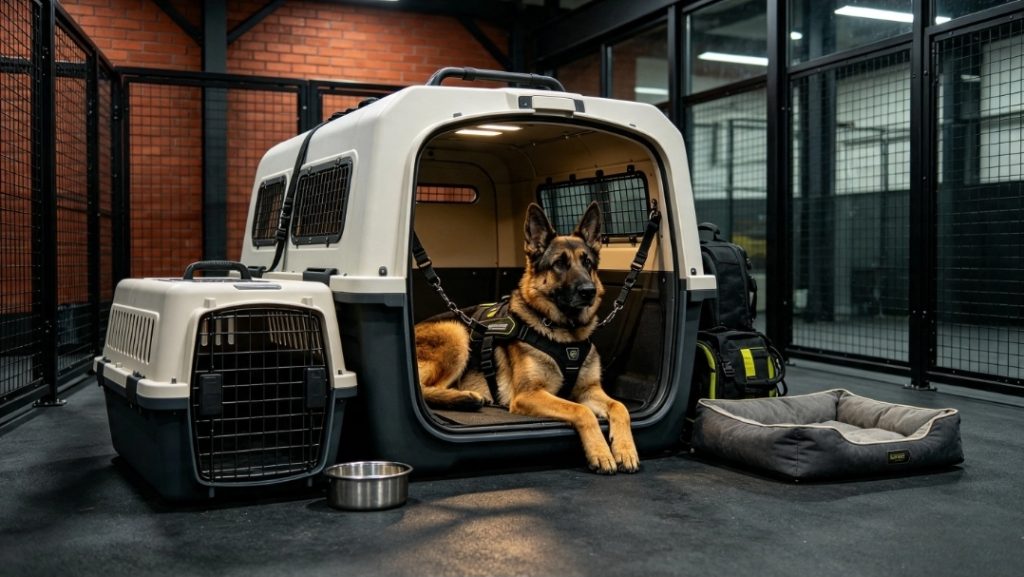
A cinematic, photorealistic professional dog travel training environment featuring a healthy adult German Shepherd calmly secured inside a well-ventilated vehicle using appropriate travel safety equipment. The vehicle is positioned within a professional K9 facility with dark-grey flooring, rich red-brick detailing, black metal fencing, industrial glass panels and dark structural elements. Include a secure travel crate, fitted vehicle harness, protective barrier, travel bed, water container and organised travel equipment positioned naturally around the vehicle. The dog should appear relaxed and settled rather than distressed, with realistic anatomy, fur and equipment. Professional cinematic lighting, balanced exposure, detailed shadows, realistic materials, high-end commercial photography, natural proportions, sharp focus, no text, logos or watermarks.
Dog Travel Safety: Essential Equipment for Safe Journeys
Travelling with a dog should be more than simply opening the vehicle door, asking your dog to jump in and setting off. Dog Travel Safety: Essential Equipment for Safe Journeys is about creating a controlled routine that helps protect your dog, the people travelling with them and other road users.
Whether you are travelling to a training session, visiting family, heading to the countryside or taking your dog on a longer journey, preparation makes a significant difference. A suitable travel system should consider how your dog is secured, where they are positioned, how they access water and how you will manage breaks during the journey.
Good travel habits also begin before the vehicle moves. A dog that understands how to calmly enter, settle and remain in position is easier to manage than one that becomes excited every time the car door opens.
Training rewards can also be useful when teaching calm vehicle behaviour. A suitable reward should be easy to deliver without creating unnecessary excitement.
RECOMMEND PRODUCTS
- RELATED ARTICLES
- Dog Crates & Pens: How to Choose and Use Them Correctly
- Dog Walking Essentials: Equipment for Safe Outdoor Adventures
- Dog Feeding & Hydration: Essential Equipment and Practical Advice
Preparing a Dog for Travel
Familiarisation
Dogs do not automatically understand that travelling in a vehicle is part of everyday life. Some dogs immediately settle, while others may become excited, nervous or uncomfortable.
Familiarisation should therefore be gradual. Allow your dog to investigate the vehicle while it is stationary. Let them approach the vehicle, sniff around and become comfortable with the environment without immediately expecting them to travel.
The objective is to create a predictable experience rather than forcing the dog into an unfamiliar situation.
For puppies, this process can be especially important. Early experiences can help establish calm travel habits that continue into adulthood.
For more information on building early skills and routines, Puppy Training: Essential Skills, Equipment & Techniques provides useful additional information about developing reliable foundations.
Calm Behaviour
Calm behaviour should become part of the travel routine.
Instead of allowing your dog to become highly excited before entering the vehicle, establish a simple sequence:
- Approach calmly.
- Wait before entering.
- Enter the vehicle safely.
- Secure the dog.
- Settle before travelling.
The same principle applies when arriving at your destination. Avoid immediately releasing a dog that is jumping, pulling or rushing towards the door.
Calm behaviour around vehicles is a training skill, not simply a piece of equipment.
Travel Routines
Dogs often respond well to predictable routines. Using the same equipment, commands and general sequence can make travelling easier to understand.
A consistent routine might involve a toilet break, calm approach to the vehicle, controlled entry, securing the dog, checking equipment and then beginning the journey.
Travel Equipment
The correct equipment depends on the individual dog, vehicle and type of journey. There is no single setup that is suitable for every dog.
The priority should always be secure restraint, appropriate positioning, ventilation and practical access to essential supplies.
Travel Crates
A properly selected travel crate can provide a defined and secure space for a dog during transportation.
The crate should provide enough room for the dog to stand, turn around and lie down comfortably while remaining appropriately restrained within the vehicle.
It should also be positioned so that it cannot move excessively during normal driving.
A crate should never simply be placed loose in the vehicle.
For more information about selecting and using crates correctly, Dog Crates & Pens: How to Choose and Use Them Correctly provides a useful connection to this subject.
Car Harnesses
Some dogs are better suited to travelling with a properly fitted vehicle harness.
A suitable harness should fit securely without restricting normal breathing or movement and should be used according to the manufacturer’s instructions.
A standard walking harness is not automatically designed for vehicle restraint, so equipment should be selected specifically for its intended purpose.
Barriers
Vehicle barriers can help separate the dog from the passenger compartment while providing a controlled travel area.
They can be particularly useful in larger vehicles, estates and other configurations where a dog travels in the rear section.
A barrier does not necessarily replace appropriate restraint. Its purpose and effectiveness depend on the vehicle, installation and overall travel system.
Dog Training Harnesses: Types, Uses & How to Choose can provide additional information when considering harness types and appropriate fitting.
Travel Beds
A suitable travel bed can make a vehicle environment more comfortable and encourage the dog to settle.
The bed should fit the available space without interfering with restraints, crates or other safety equipment. It should also be practical to clean, particularly when travelling after outdoor activities.
Water Equipment
Longer journeys require planning for hydration.
Carry suitable water and a container that allows your dog to drink safely during planned breaks. Avoid allowing a dog to drink excessively immediately before travelling if this creates a need for an urgent toilet stop.
Water equipment should be secure while the vehicle is moving so that spills do not create unnecessary problems.
For broader information about supplying water and managing feeding equipment, Dog Feeding & Hydration: Essential Equipment and Practical Advice provides useful additional guidance.
Food Equipment
Food may be necessary for longer trips, particularly where a journey involves training, outdoor activity or an extended period away from home.
Keep food securely stored and avoid leaving perishable food in a hot vehicle.
Training rewards can also be useful when teaching calm vehicle behaviour. A suitable reward should be easy to deliver without creating unnecessary excitement.
RECOMMEND PRODUCTS
- RELATED ARTICLES
- Dog Crates & Pens: How to Choose and Use Them Correctly
- Dog Walking Essentials: Equipment for Safe Outdoor Adventures
- Dog Feeding & Hydration: Essential Equipment and Practical Advice
The important point is to treat travel equipment as one complete system rather than choosing individual items without considering how they work together.
Identification
Identification is another important part of responsible travel preparation.
Your dog should have appropriate identification and your contact information should be kept up to date. Consider what would happen if the dog escaped during a roadside stop or became separated from you at an unfamiliar location.
It is also sensible to have relevant ownership and identification information readily available.
For everyday care considerations, Dog Care & Health: Essential Everyday Care for Your Dog provides a wider look at practical responsibilities that complement safe travel.
RECOMMEND COURSE
Fundamentals 1 is relevant to travel preparation because reliable basic obedience provides the foundation for behaviours such as waiting, responding to commands and remaining calm around the vehicle.
Travel safety is easier to manage when the dog already understands basic communication and boundaries.
Vehicle Safety
Secure Positioning
A dog should have a designated travel position rather than being allowed to move freely around the vehicle.
Unrestrained movement can create distractions for the driver and may increase the potential consequences of sudden braking or changes in direction.
The travel area should therefore be planned before the journey begins.
Consider where the dog will travel, how the restraint will attach, whether the equipment interferes with doors or seats and whether the dog can remain comfortable throughout the journey.
Preventing Movement
A restraint system should prevent unnecessary movement while allowing the dog to remain in a comfortable position.
Check equipment before every journey. Look for damaged straps, worn clips, broken buckles or other signs of deterioration.
Crates should also be checked to make sure doors and fasteners are secure.
Ventilation
Good ventilation is essential.
Never assume that opening a window slightly is sufficient for every situation. The airflow available will depend on the vehicle, weather, positioning and surrounding conditions.
The dog should have access to an appropriately ventilated area throughout the journey.
Temperature
Vehicle temperature deserves particular attention.
A vehicle can become dangerously hot very quickly, even when conditions outside do not initially feel extreme. Dogs can struggle with heat far more quickly than many owners expect.
Plan journeys around the weather where possible, use appropriate ventilation and avoid leaving a dog unattended in a vehicle.
In warmer conditions, consider whether the journey is genuinely necessary and whether the route provides suitable opportunities for breaks.
Breaks
Long journeys should include planned breaks.
A break provides an opportunity for the dog to toilet, drink, stretch and settle before continuing.
Choose safe locations away from traffic where possible. Secure the dog before opening the vehicle door and maintain control during the entire transition from vehicle to walking area.
RECOMMEND PRODUCTS
- RELATED ARTICLES
- Dog Crates & Pens: How to Choose and Use Them Correctly
- Dog Walking Essentials: Equipment for Safe Outdoor Adventures
- Dog Feeding & Hydration: Essential Equipment and Practical Advice
Travel Training
Travel training should be approached in the same structured way as other areas of dog training.
Vehicle Introduction
Start with the vehicle stationary.
Allow your dog to investigate it calmly. Reward appropriate behaviour and avoid turning the experience into an exciting game.
Once the dog is comfortable entering the vehicle, introduce the travel equipment.
The aim is to teach the dog that entering the vehicle, being secured and settling are normal parts of the routine.
Short Journeys
Begin with short journeys.
A short trip allows you to assess how the dog responds without immediately committing to a long journey.
Keep the experience controlled and finish before the dog becomes overwhelmed or excessively unsettled.
For some dogs, the first successful journey may only be a few minutes.
Increasing Journey Duration
Once short journeys are comfortable, gradually increase the duration.
There is no need to increase journey length dramatically. Progress should be based on the dog’s behaviour and ability to remain settled.
If a dog begins showing significant stress, excessive vocalisation, repeated movement or other unwanted behaviour, reassess the previous stage rather than simply continuing for longer.
Rewarding Calm Behaviour
Reward calm behaviour at appropriate moments.
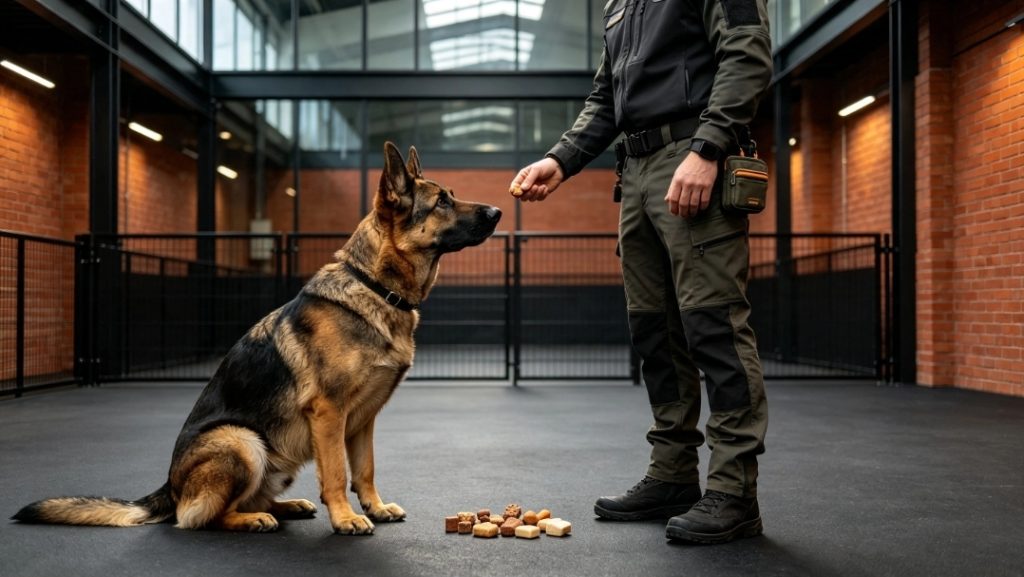
Food rewards can be useful when introduced carefully, particularly during stationary training and controlled preparation.
The reward should reinforce the behaviour you want: calm entry, waiting, settling and responding to the handler.
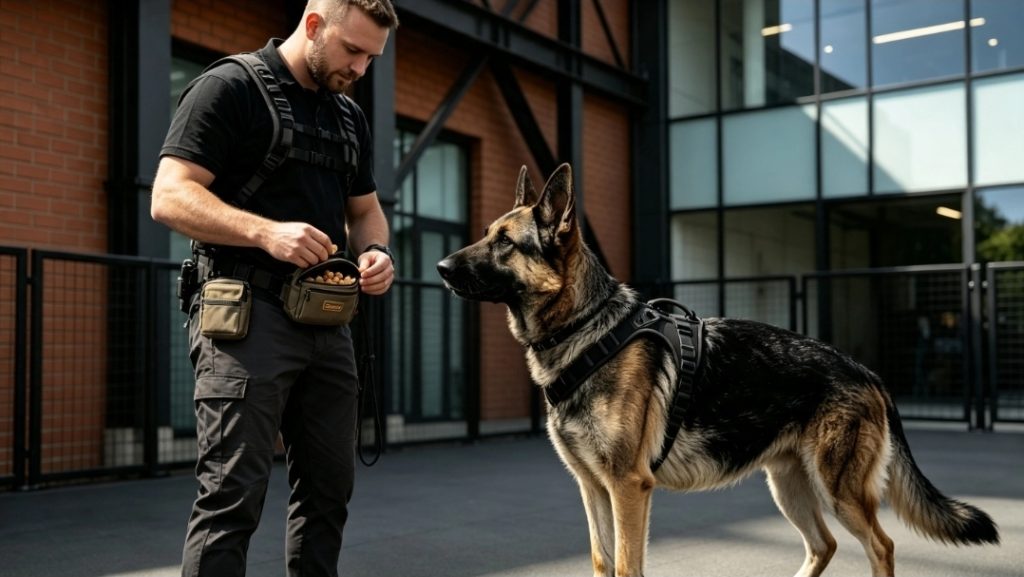
Dog Training Treats: Choosing the Right Rewards for Training provides further information about selecting appropriate rewards, while Dog Training Treat Pouches: How to Choose the Right One is relevant when you need practical access to rewards during preparation and training.
RECOMMEND PRODUCTS
- RELATED ARTICLES
- Dog Crates & Pens: How to Choose and Use Them Correctly
- Dog Walking Essentials: Equipment for Safe Outdoor Adventures
- Dog Feeding & Hydration: Essential Equipment and Practical Advice
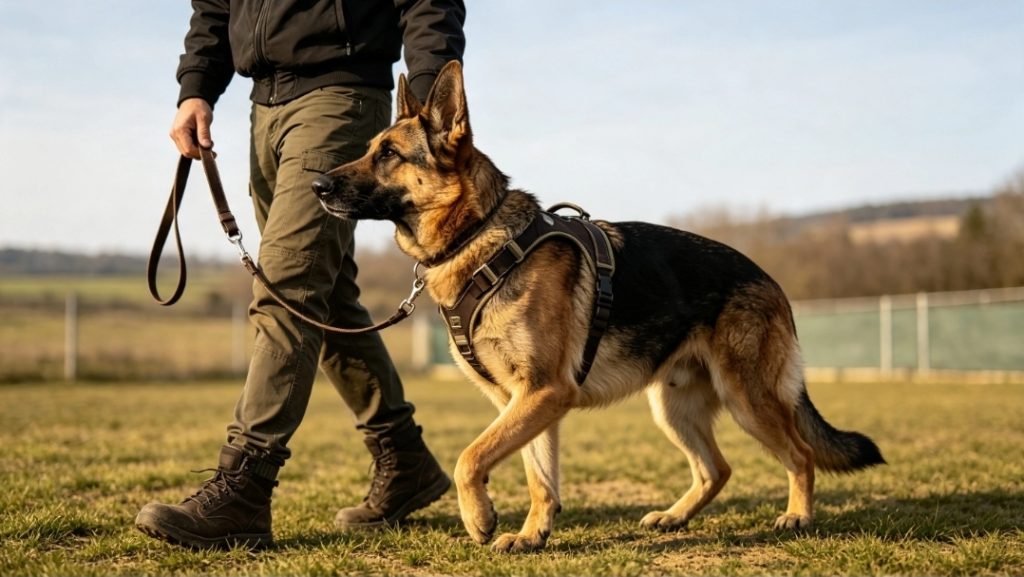
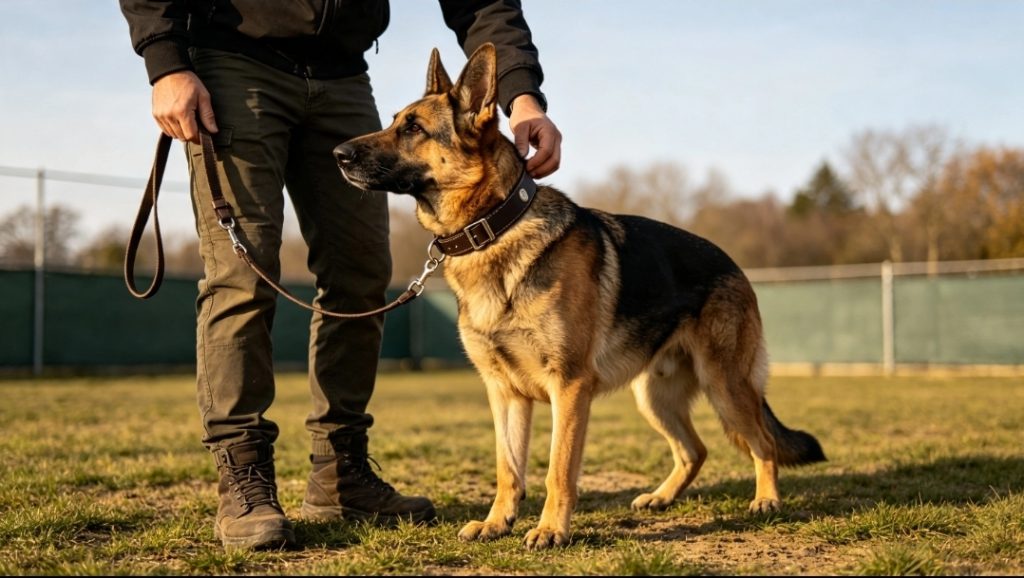
Dog Training Harnesses: Types, Uses & How to Choose is particularly relevant when considering equipment that may also be used during travel preparation and controlled transitions.
The important distinction is that equipment should be used for its intended purpose. A harness suitable for walking should not automatically be assumed to provide vehicle restraint unless it is specifically designed and approved for that use.
RECOMMEND COURSE
Fundamentals 2 can connect naturally with travel training once basic obedience has been established. Developing greater reliability around distractions and everyday environments can make the transition between walking, entering the vehicle and settling more manageable.
Building a Safer Travel Routine
A good travel routine should be simple enough to repeat every time.
Before leaving:
- Give the dog an opportunity to toilet.
- Check the vehicle and travel area.
- Check restraints, crate doors and equipment.
- Have water available for the journey.
- Secure the dog before moving the vehicle.
- Check ventilation and temperature.
- Plan suitable breaks for longer journeys.
When arriving:
- Stop safely.
- Keep the dog secured until you are ready.
- Open the vehicle carefully.
- Attach the lead before allowing the dog out where appropriate.
- Give the dog time to settle.
- Use the same calm routine used during departure.
This consistency helps turn travel into a predictable part of everyday life.
RECOMMEND COURSE
90-Day Transformation can be relevant where travel problems are part of a wider training picture involving obedience, calm behaviour and reliability in different environments.
A dog that can respond consistently at home but becomes difficult to manage around vehicles may need its training developed in more distracting environments. Travel can therefore become another opportunity to reinforce clear communication and calm behaviour.
Travel With Puppies and Young Dogs
Puppies benefit from gradual exposure.
Avoid making the first experience a long journey if it can be avoided. Instead, introduce the vehicle as part of a wider programme of positive experiences.
A puppy can learn that travelling involves entering calmly, being secured, remaining settled and eventually getting out for something enjoyable.
The same approach can be applied to equipment. Introduce crates, harnesses and other travel items gradually so that the puppy becomes familiar with them before they are required for a significant journey.
Puppy Essentials: Everything You Need for a New Puppy can complement this subject by covering the wider equipment and preparation needed when bringing a young dog into the home.
RECOMMEND PRODUCTS
- RELATED ARTICLES
- Dog Crates & Pens: How to Choose and Use Them Correctly
- Dog Walking Essentials: Equipment for Safe Outdoor Adventures
- Dog Feeding & Hydration: Essential Equipment and Practical Advice
Dog Walking Essentials: Equipment for Safe Outdoor Adventures provides a useful next step when planning what happens after the vehicle stops.
The equipment used for the journey and the equipment used during the walking break should work together. Leads, suitable harnesses, identification, water and rewards can all form part of a practical travel kit.
What the Reader Learns
By following the principles in Dog Travel Safety: Essential Equipment for Safe Journeys, owners can build a more structured approach to travelling with their dogs.
The key lessons are straightforward:
How to Prepare a Dog for Travel
Preparation starts before the journey. Familiarisation, calm behaviour and predictable routines can help a dog understand what is expected.
How to Select Appropriate Safety Equipment
Crates, harnesses, barriers, beds, water equipment and identification should be selected according to the dog, vehicle and journey.
Equipment should provide appropriate security without compromising comfort, ventilation or practical access.
How to Create Safer Travel Routines
A consistent sequence helps make travel easier to manage. Check the equipment, secure the dog, maintain suitable ventilation and temperature, drive responsibly and plan appropriate breaks.
Travel training should also progress gradually, beginning with short journeys before increasing duration.
Dog Travel Safety: Essential Equipment for Safe Journeys should ultimately be viewed as part of a wider training and care system. Safe journeys depend not only on suitable equipment but also on preparation, communication, calm behaviour and consistent routines.
For GPK9, the principle remains simple: train the human, train the dog, build the partnership.