Common Dog Crate Training Mistakes and How to Avoid Them
Common dog crate training mistakes and how to avoid them starts with recognising that many crate-training problems are created by people rather than by the dog.
RECOMMENDED PRODUCTS
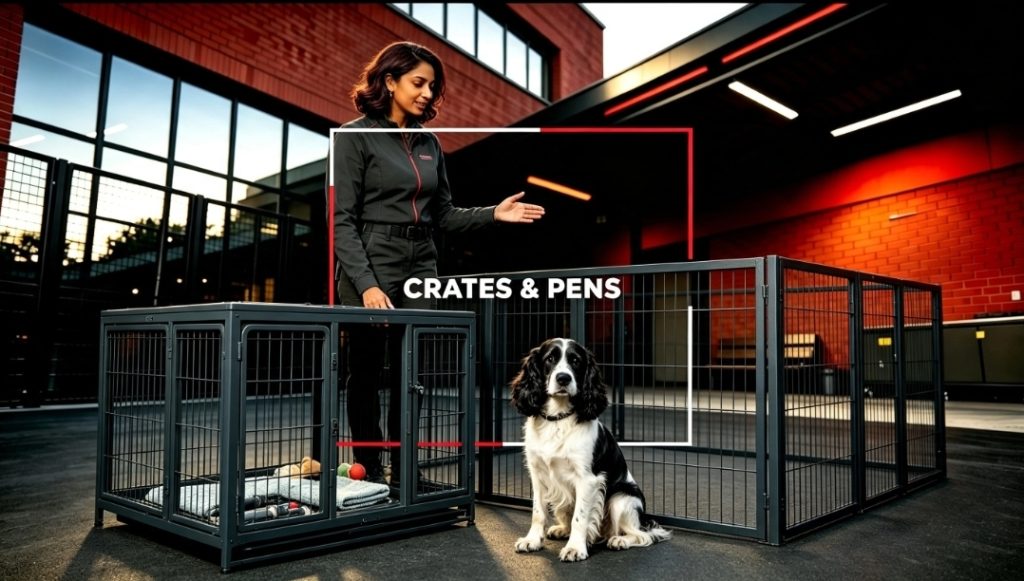
Crates and Pens can provide useful structure, but equipment alone cannot teach a dog how to settle, rest or understand the purpose of the crate.
A crate should be introduced as part of a structured training process. When owners rush the introduction, use inconsistent routines or only place the dog inside after unwanted behaviour, they can unintentionally create a negative association.
Understanding common dog crate training mistakes and how to avoid them gives owners an opportunity to look at what they are doing, identify where problems are being created and make the training environment clearer for the dog.
Mistake 1: Using the Crate as Punishment
One of the most common dog crate training mistakes is using the crate as a punishment after the dog has behaved incorrectly.
An owner may become frustrated when the dog is overexcited, destructive or difficult to manage and immediately send the dog into the crate.
The human response can teach the dog that entering the crate predicts something negative.
How to Avoid It
The crate should be associated with safety, rest, structure and calm behaviour.
If the dog needs a break from household activity, the crate can provide that opportunity without becoming a punishment.
Learning common dog crate training mistakes and how to avoid them means changing the owner’s response as well as the dog’s behaviour.
Mistake 2: Introducing the Crate Too Quickly
Another mistake is expecting a dog to immediately remain comfortable inside a crate for a long period.
The owner may purchase the equipment, put the dog inside, close the door and assume the dog should understand what is expected.
This can create unnecessary stress.
How to Avoid It
The introduction should be gradual and structured.
The dog needs an opportunity to investigate the crate and develop familiarity with the environment.
Common dog crate training mistakes and how to avoid them involves allowing the dog to learn the purpose of the crate rather than expecting instant understanding.
Mistake 3: Choosing the Wrong Crate Size
A crate that is too small can restrict the dog’s ability to stand, turn around and rest comfortably.
A crate that is excessively large may also make structured management more difficult, particularly during early training or when supporting toilet routines.
How to Avoid It
Choose a crate appropriate for the dog’s size and stage of development.
The owner should consider the dog’s ability to stand, turn, lie down and settle comfortably.
RECOMMENDED PRODUCTS
Choose suitable crate equipment that provides enough room for the dog to rest comfortably while supporting the level of structure required for the dog’s current training stage.
Mistake 4: Only Using the Crate When Something Goes Wrong
A dog may begin to associate the crate with unwanted behaviour if the owner only uses it after the dog becomes difficult.
This is another example of humans unintentionally creating the problem.
Common dog crate training mistakes and how to avoid them means making the crate part of normal household structure rather than introducing it only when the owner needs immediate control.
How to Avoid It
The crate can form part of everyday routines, including rest periods and controlled household activity.
This helps make the crate predictable rather than something that appears only after a problem.
Mistake 5: Giving Too Much Freedom Too Soon
Owners can become excited when a dog appears to be progressing and give it access to the entire home before the dog is ready.
The dog may then become overexcited, have an accident, become destructive or struggle to settle.
The mistake is not necessarily the dog’s behaviour. The problem may be that the human increased freedom too quickly.
How to Avoid It
Increase freedom gradually and observe how the dog responds.
The crate, training mat and playpen can provide different levels of controlled freedom within the home.
Mistake 6: Allowing Constant Disturbance
A crate should provide the dog with an opportunity to rest.
Owners can create problems by allowing children, visitors or other animals to repeatedly approach the crate and interact with the dog.
How to Avoid It
Create a clear household rule that the crate is the dog’s space.
When the dog is resting, allow it to remain undisturbed.
This is an important part of common dog crate training mistakes and how to avoid them, because successful crate training depends on the humans respecting the structure they have created.
RECOMMENDED PRODUCTS
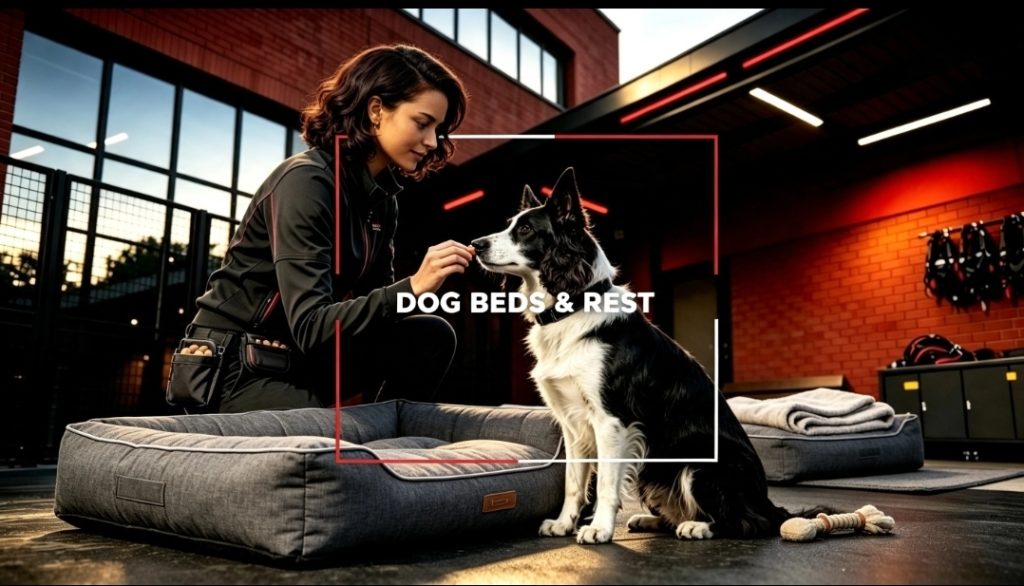
A suitable resting bed can help establish the crate as a comfortable area where the dog can settle and disengage from household activity.
Mistake 7: Inconsistent Household Rules
One person may encourage the dog to settle in the crate while another person repeatedly calls it out.
One family member may protect the dog’s resting time while another allows constant interaction.
This inconsistency can make it harder for the dog to understand what the crate means.
How to Avoid It
Everyone in the household should understand the same basic rules.
Clear and consistent human behaviour creates clearer expectations for the dog.
Mistake 8: Expecting the Crate to Solve Every Behaviour Problem
A crate is useful management equipment, but it is not a complete behaviour solution.
If a dog is repeatedly displaying fear, aggression, excessive anxiety or serious difficulty settling, simply increasing crate time does not address the underlying issue.
How to Avoid It
Identify what is actually happening and consider whether professional assessment is required.
A GPK9 Dog Training Instructor can help owners understand appropriate training and management where additional support is needed.
Mistake 9: Using the Crate for Excessive Periods
Another human mistake is relying on the crate simply because it is convenient.
A crate should not become a replacement for appropriate exercise, training, interaction, enrichment and normal household activity.
How to Avoid It
Use the crate as one component of a balanced routine.
The dog should have appropriate opportunities for training, movement, play, toileting and rest.
RECOMMENDED PRODUCTS
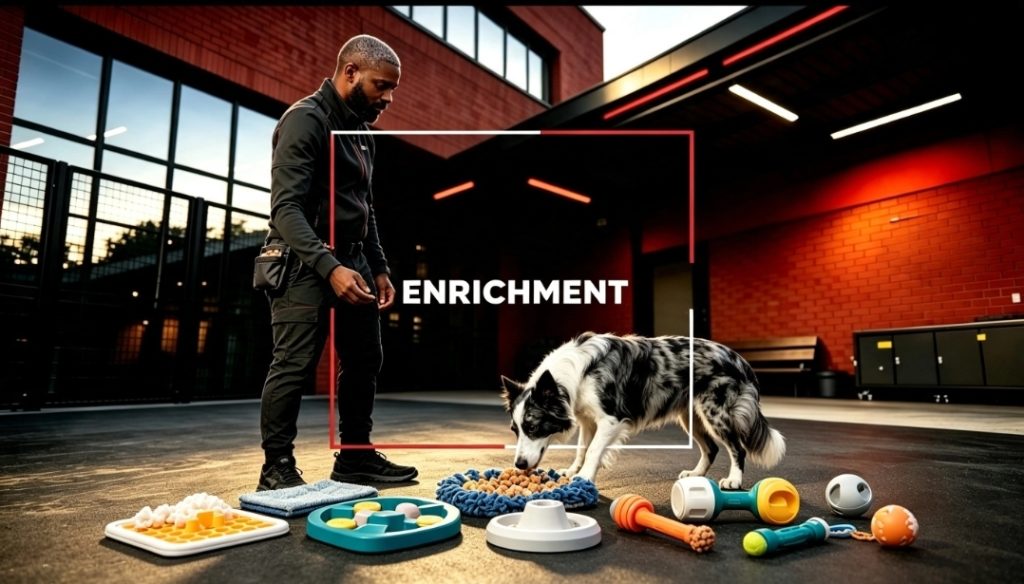
Appropriate enrichment can provide additional opportunities for the dog to use its mind and engage positively with its environment outside structured crate-rest periods.
Mistake 10: Ignoring the Dog’s Behaviour
Owners sometimes become focused on whether the dog stays inside the crate and overlook the dog’s actual behaviour.
A dog that remains physically inside the crate is not necessarily comfortable.
Common dog crate training mistakes and how to avoid them requires owners to observe body language and changes in behaviour rather than measuring success only by whether the door remains closed.
How to Avoid It
Watch for changes in posture, movement, attention and overall state.
If the dog is struggling, reconsider the environment and training process rather than simply increasing pressure.
Mistake 11: Making the Crate Too Exciting
The opposite problem can also occur.
An owner may constantly interact with the dog through the crate, repeatedly call it, play around the crate or create excitement whenever the dog enters.
This can make settling more difficult.
How to Avoid It
Allow the crate to become associated with calmness.
The owner should be able to manage the dog’s environment without constantly creating additional stimulation.
Mistake 12: Failing to Build a Routine
Dogs benefit from predictable routines.
If crate use changes completely from one day to the next, the dog may receive inconsistent information about when it is expected to settle.
How to Avoid It
Build crate use into an appropriate household routine.
Common dog crate training mistakes and how to avoid them is ultimately about consistency in what the human does, when the human does it and how the dog is allowed to progress.
RECOMMENDED PRODUCTS
Suitable crates and pens can help owners manage different stages of controlled freedom as the dog develops greater independence within the home.
When a Crate Training Problem Needs More Support
Not every crate-training problem is simply a training mistake.
If a dog shows persistent fear, severe distress, aggression or other concerning behaviour, owners should avoid assuming that forcing the dog to remain inside the crate will solve the issue.
The owner should stop and assess the situation.
Where appropriate, professional support from a GPK9 Dog Training Instructor can help identify a suitable training and management approach.
RECOMMENDED COURSE

Golden Rule One: Home and Social
Golden Rule One: Home and Social teaches owners how to introduce structure within the home, manage controlled freedom and understand how the crate, training mat and playpen can work as part of a progressive household routine.
GOLDEN RULE ONE: HOME AND SOCIAL
Home and Social establishes the foundations for household structure. The owner learns how to manage the dog’s environment, provide appropriate boundaries and use controlled freedom progressively.
GOLDEN RULE TWO: OBEDIENCE
Obedience develops communication through food, luring, praise, shaping and movement. The focus is on helping the owner communicate clearly while developing calm and manageable behaviour.
GOLDEN RULE THREE: PREY DRIVE / PLAY
Prey Drive / Play provides an appropriate outlet for engagement and play. The owner learns to monitor excitement and manage the dog’s state so play remains controlled.
GOLDEN RULE FOUR: TOILET TRAINING
Toilet Training uses routine, timing and consistency to establish predictable toileting behaviour. Household structure can make this process easier for both the owner and dog.
GOLDEN RULE FIVE: SOCIAL WALKING / IGNORE THE WORLD
Social Walking / Ignore the World develops calm, relaxed and manageable behaviour in everyday environments. The emphasis is on helping the dog remain composed around environmental distractions.
Creating Better Crate Training Habits
Common dog crate training mistakes and how to avoid them is not simply about correcting the dog. It is about examining the decisions made by the people responsible for the dog’s environment.
Rushing the process, using the crate as punishment, giving freedom too quickly, allowing constant disturbance or expecting the crate to solve every behavioural problem can all create unnecessary difficulties.
When owners provide clear structure, consistent routines and appropriate progression, the crate can become a useful part of everyday dog training.
The most important change often starts with the human. Common dog crate training mistakes and how to avoid them becomes easier to understand when owners recognise that their own timing, consistency and management can directly influence how the dog responds.
RECOMMENDED PRODUCTS

Training resources can support owners as they develop clearer routines, communication and practical skills alongside structured crate training.
Related GPK9 Articles
- What Is a Dog Crate? How Crate Training Works
- Why Use a Dog Crate? Understanding Crate Training
- When Should You Use a Dog Crate? Practical Crate Training
- How to Introduce Your Dog to a Crate Step by Step
- How to Use a Dog Crate to Create Structure at Home
- How to Use a Dog Crate When Visitors Arrive
- How to Use a Dog Crate When the Postman Arrives
- How to Use a Dog Crate When Someone Comes to the Door
- How to Use a Dog Crate During Busy Household Activity
- How to Use a Dog Crate Safely Around Children
- How to Use a Dog Crate Around Other Animals