How to Teach Your Dog to Return to the Car Calmly
Teaching your dog to return to the car calmly helps make the end of a walk safer and more predictable. Rather than allowing your dog to rush towards the vehicle, pull through the car park or become distracted by other dogs and people, you can teach a consistent routine that rewards calm movement and clear communication.
The key is to treat the return to the car as part of the walk, not as a race to reach the vehicle. Your dog should remain safely managed until you are ready for the next stage of the journey.
RECOMMENDED PRODUCTS

Why Dogs Become Excited When Returning to the Car
Some dogs recognise the car and immediately anticipate going home. Others associate the vehicle with an exciting destination, a favourite activity or the end of an enjoyable walk.
This anticipation can lead to pulling, sudden changes of direction, sniffing, stopping or difficulty responding to familiar cues.
The surrounding environment can also contribute. A car park may contain moving vehicles, opening doors, unfamiliar people and other dogs being loaded into cars. Even a dog that has walked calmly for most of the outing may find this final area challenging.
Before beginning the return, consider what your dog is communicating. Excitement, frustration, tiredness, uncertainty and discomfort can produce different behaviours, so avoid assuming that every dog pulling towards or away from the car has the same motivation.
Prepare Before Leaving the Walking Area
A calm return begins before you reach the car park.
Allow your dog a moment to settle after energetic play or running. This does not mean waiting for your dog to become completely inactive; it means checking that your dog can move with you without excessive pulling or frantic changes of direction.
Before setting off towards the vehicle, check that:
- Your lead and harness or collar are correctly fitted and secure.
- You have enough space to walk without being forced close to other dogs or moving vehicles.
- Your dog can respond to a familiar cue in the current environment.
- You know where you are going and can choose a safe route.
- You have suitable rewards available if needed.
If your dog is already highly excited, create more space from distractions and make the task easier. Do not add unnecessary commands or rush towards the vehicle simply because the walk is nearly finished.
How to Teach Your Dog to Return to the Car Calmly
1. Practise in a Quiet Environment
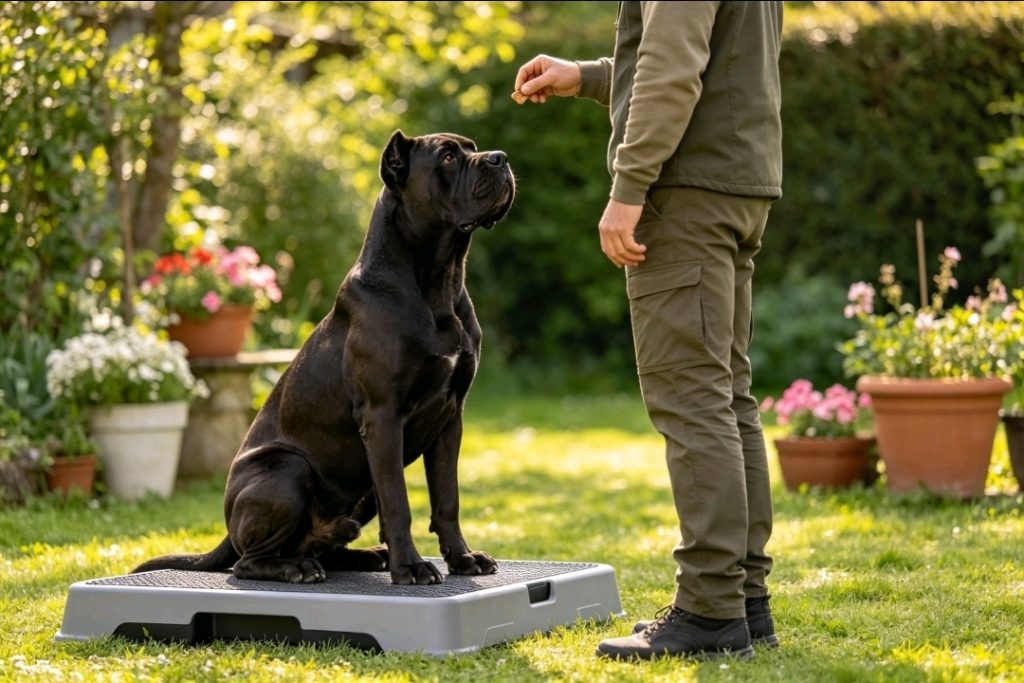
Begin in a familiar, low-distraction area where your dog can comfortably walk beside you.
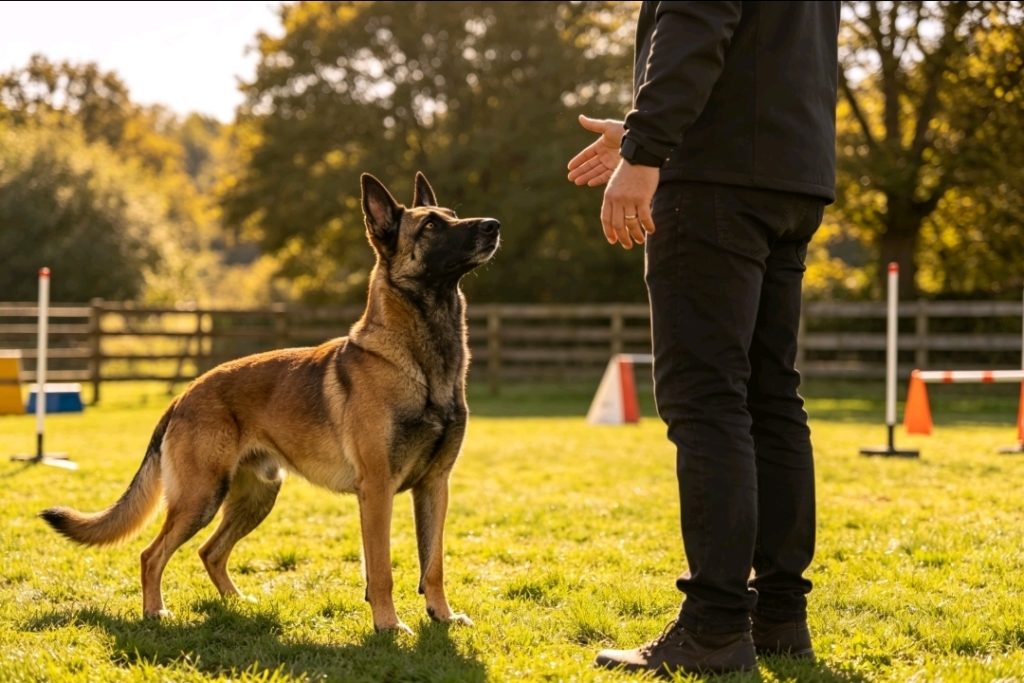
Choose a simple cue such as “car” or “this way” to signal the direction of travel. Use the same cue consistently, with relaxed body language and clear lead handling.
Walk a short distance towards the parked vehicle, reward your dog for moving with you calmly, and then pause or turn away before the dog becomes overexcited.
At first, the goal is not to complete the entire journey to the car. It is to build a reliable pattern of moving with you.
2. Reward Calm Movement
Reward your dog when they walk with you on a manageable, loose lead, respond to your cue or briefly check in with you.
You can use small food rewards, praise or another suitable reward that your dog enjoys. Deliver the reward promptly so your dog can understand which behaviour you are reinforcing.
Keep the reward calm if energetic praise or play makes your dog more excited.
If your dog pulls ahead, avoid allowing the pulling to dictate your pace. Pause in a safe place, regain your dog’s attention and continue when you can move together more comfortably.
Reward the behaviour you want to see repeated, rather than waiting until your dog is already rushing towards the vehicle.
3. Practise the Final Approach in Small Stages
Once your dog can approach calmly in a quiet setting, gradually practise closer to the car and in slightly busier environments.
For example:
- Walk calmly towards a parked vehicle in a quiet area.
- Practise approaching from a short distance and then turning away.
- Repeat the approach while maintaining a manageable lead.
- Practise in a quiet car park with minimal movement.
- Gradually introduce more realistic conditions when your dog is ready.
Change one difficulty at a time. If the environment becomes too distracting, return to an easier stage.
Short, successful repetitions help your dog learn the routine without making every approach a test of obedience.
4. Manage Other Dogs, People and Vehicles
The final part of a walk may involve passing other dogs, moving around parked vehicles or waiting while another person loads their dog.
Do not expect your dog to ignore every distraction immediately.
Maintain a safe distance where possible, keep your dog on a secure lead and choose a route that avoids unnecessary close encounters. Reward calm responses and continue when the path is safe.
If your dog becomes fixated, starts barking or pulls strongly towards another dog, do not force a close pass. Increase the distance and allow your dog to settle before deciding whether to continue.
If moving traffic creates an immediate hazard, prioritise safety rather than attempting a training exercise.
RECOMMENDED PRODUCTS
5. Reach the Car Without Rushing
Reaching the vehicle is not a reason to abandon the routine.
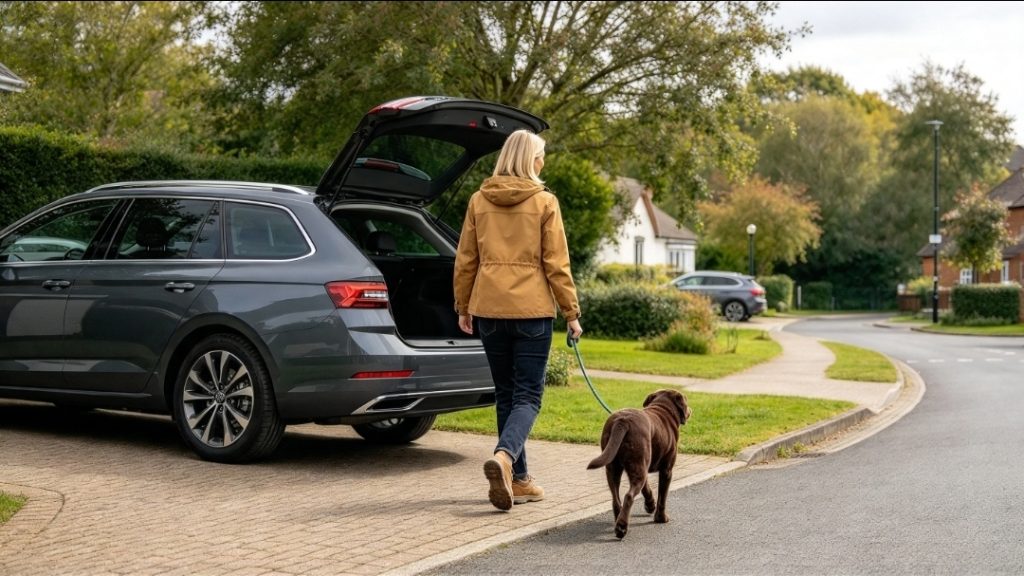
Keep your dog under control while you check the surroundings and prepare the vehicle. Avoid opening the door or hatch and allowing your dog to rush forward before you are ready.
If your dog is expected to enter the car, teach this as a separate, positive skill. Reward calm approaches and voluntary entry where appropriate. If your dog is hesitant, investigate possible causes rather than pulling them towards the vehicle.
Some dogs may be worried about jumping, unstable footing, the vehicle itself or previous travel experiences. If necessary, practise getting comfortable around the stationary car separately from the return-to-car routine.
What If Your Dog Pulls Towards the Car?
If your dog accelerates as soon as the car comes into view, avoid turning the final approach into a tug-of-war.
Pause in a safe place if possible, reduce the immediate demands and wait for an opportunity to re-engage your dog. You may need to move farther from the vehicle or practise at a greater distance.
Reward calmer movement and continue in manageable stages.
Repeatedly pulling against the lead, shouting or allowing the dog to drag you towards the car can make the transition more difficult. Focus instead on teaching your dog that moving calmly with you is what allows the journey to continue.
What If Your Dog Refuses to Return?
A dog that stops or moves away from the car may be distracted, tired, uncomfortable, anxious or reluctant to end the walk. The behaviour should be assessed rather than automatically labelled as stubbornness.
Give your dog space to process the situation and check for signs of discomfort or fatigue. Avoid dragging the dog towards the vehicle or repeatedly issuing the same cue.
If the dog appears frightened of the car, practise around a stationary vehicle in short, comfortable sessions. Reward calm investigation and voluntary movement towards it, allowing the dog to work at a manageable pace.
If the reluctance is sudden, persistent or accompanied by signs of pain or illness, seek veterinary advice. Significant fear or behaviour that cannot be managed safely may require support from a qualified, reward-based dog trainer or behaviour professional.
Common Mistakes When Returning to the Car
Allowing the Dog to Pull Because the Walk Is Over
The dog is still in a public environment, where other people, dogs and vehicles may create hazards. Continue managing the lead and the route until the dog is safely at the vehicle.
Calling Repeatedly Without Changing the Situation
If your dog is too distracted to respond, repeating a cue may not help. Reduce distractions, increase distance or return to a stage where your dog can succeed.
Rushing After Energetic Play
A dog may remain excited after running or playing. Allow time for a manageable transition before approaching the car park.
Forcing a Reluctant Dog Towards the Vehicle
Refusal may indicate fear, discomfort or a difficulty with entering the car. Investigate the cause and build confidence gradually rather than using physical force.
Making Every Approach More Difficult
Practising only in busy car parks can make learning unnecessarily challenging. Build the behaviour in easier environments before adding distractions.
A Simple Return-to-Car Training Routine
Use the following sequence during practice:
- Prepare: Check your equipment and identify a safe route to the vehicle.
- Observe: Notice your dog’s posture, lead tension, attention and response to the surroundings.
- Begin: Use your chosen cue and start walking at a manageable pace.
- Reward: Reinforce calm movement and appropriate responses.
- Adjust: If your dog becomes overwhelmed or overly excited, increase space or make the task easier.
- Approach: Continue towards the vehicle when the situation is manageable.
- Load safely: Prepare the vehicle and help your dog enter without rushing.
- Secure: Use an appropriate, correctly fitted travel restraint or secured travel crate before setting off.
The final step matters. Dogs should be safely restrained during travel so they cannot interfere with the driver or become injured or escape when the vehicle stops or a door opens.
How Long Does It Take to Teach a Calm Return?
The time required depends on your dog’s previous experience, motivation, confidence and ability to cope with distractions.
Some dogs may improve quickly with consistent practice. Others need gradual work over many sessions, especially if they have developed a strong habit of pulling or are worried about the vehicle.
Practise in short sessions and repeat the routine during ordinary outings. Progress when your dog can manage the current stage comfortably, rather than increasing difficulty simply because a certain amount of time has passed.
RECOMMENDED PRODUCTS
Final Thoughts
Teaching your dog to return to the car calmly is about making the transition from walking to travelling predictable and safe.
Prepare before leaving the walking area, reward calm movement, manage distractions and approach the vehicle at a pace your dog can handle. If your dog becomes excited or reluctant, assess the reason and adjust the situation instead of rushing or forcing the outcome.
With consistent, reward-based practice, the return to the car can become a calmer and more manageable part of your dog’s everyday routine.