Why does my dog listen sometimes but not other times?
A dog that listens reliably in one situation but struggles in another is often responding differently because the training conditions have changed. The environment, distractions, motivation, difficulty of the training, level of control and amount of freedom can all affect how easily a dog engages with its handler. Instead of assuming that the dog is simply choosing when to listen, observe what has changed and assess whether the dog is currently able to respond successfully.
RECOMMENDED PRODUCTS

The environment can change your dog’s response
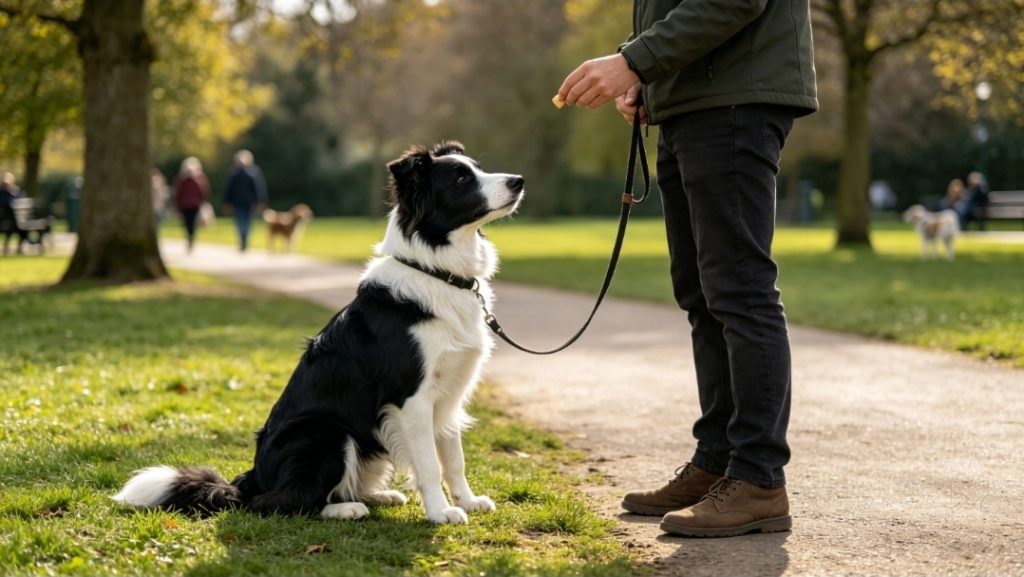
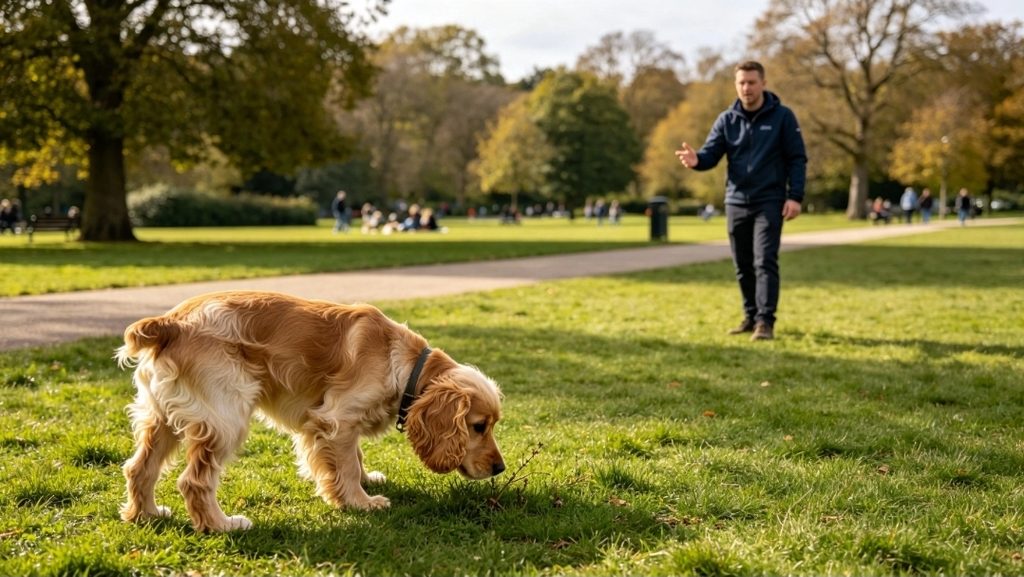
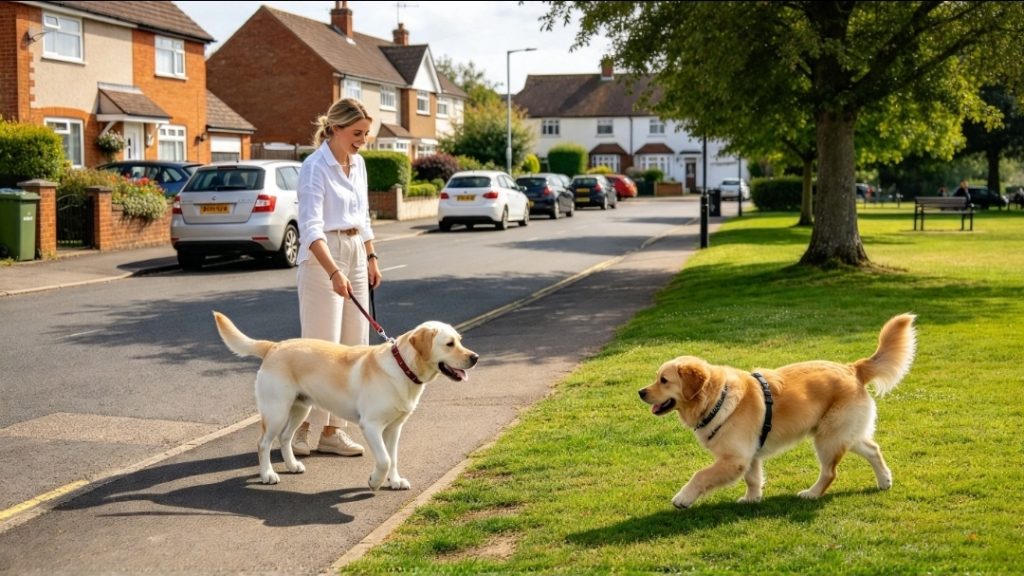
Your dog may listen well in a quiet room but struggle in a garden, park or other environment containing more distractions.
People, dogs, movement, sounds, smells and unfamiliar surroundings can all make engagement more difficult.
This does not necessarily mean that the training has stopped working. It may mean that the dog has not yet progressed to the same level of difficulty in that environment.
Start where your dog can engage successfully and gradually introduce additional environmental difficulty.
Your dog’s motivation can vary
Individual dogs have different levels of food drive. This can affect how readily they engage with training in different situations.
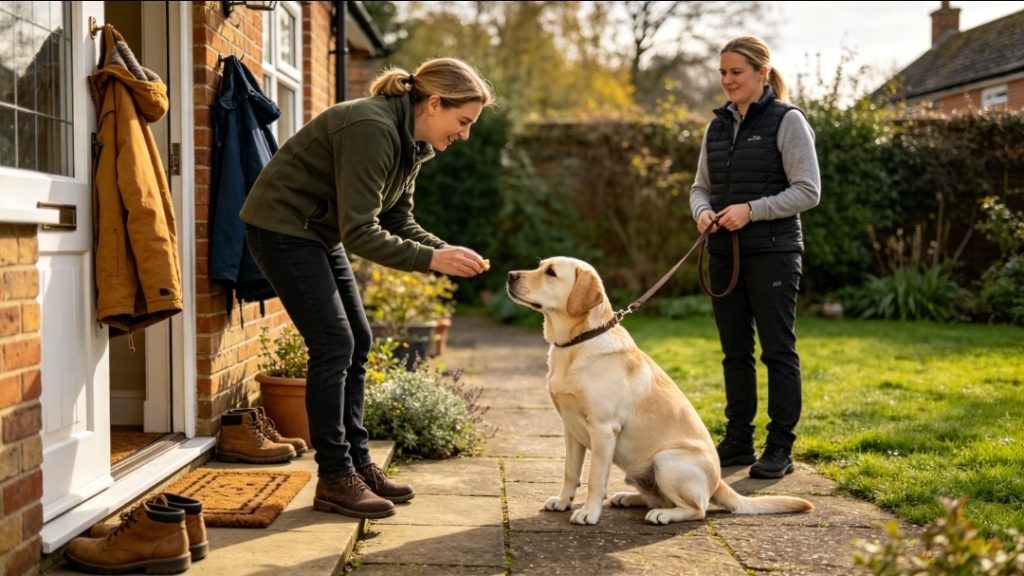
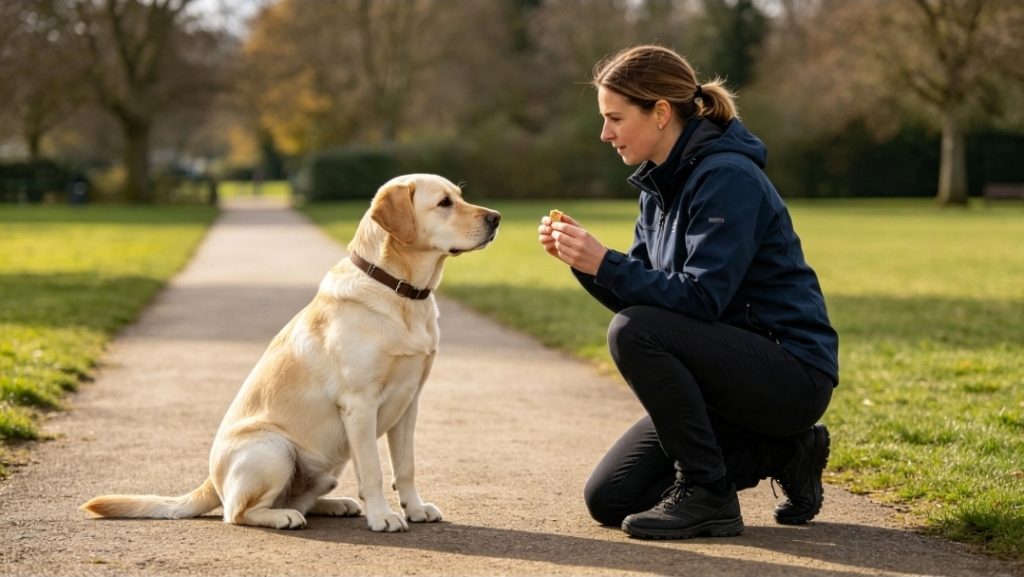
Food can be used as positive reinforcement to encourage engagement and help develop consistent responses.
If your dog responds at home but struggles elsewhere, consider whether the environment has become more interesting or distracting than the motivation being offered.
RECOMMENDED PRODUCTS
The training may be at different levels of difficulty
Consistency develops through progression.
A dog may be able to respond when close to its handler but struggle when distance increases. It may respond for a short period but lose engagement when duration increases. It may also respond in a quiet environment but struggle when distractions are introduced.
Progression should therefore be gradual.
Consider factors such as distance, duration, environmental difficulty and freedom. If your dog is repeatedly struggling, reduce the difficulty to a level where it can respond successfully before progressing again.
The amount of freedom matters
A dog with more freedom has greater opportunity to make its own choices within the environment.
The GPK9 Professional Training System recognises that more freedom requires more behavioural responsibility.
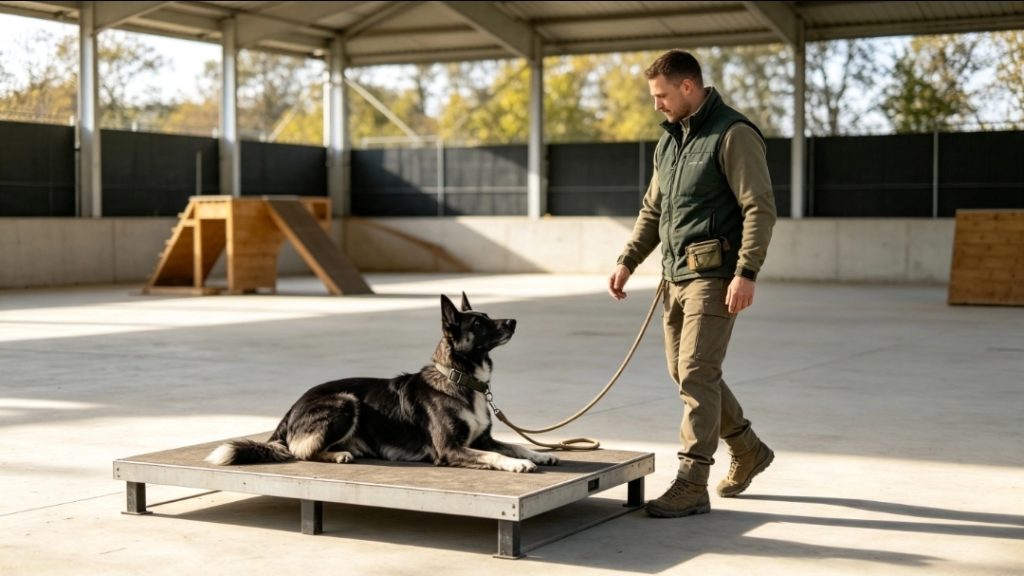
Appropriate control can include a short line, harness, long line or free roam, depending on the situation and the dog’s current level of training.
A long line may provide greater freedom while maintaining a level of control. Free roam can be introduced when the dog’s behaviour and responsiveness are appropriate for the environment.