Why does my dog ignore me?
When your dog appears to ignore you, it is important to look at what is happening rather than assuming the dog is deliberately refusing to respond. A dog may become less responsive because of distractions, the environment, motivation, the difficulty of the training or the amount of freedom it currently has. Start by observing the situation and assessing what may be affecting your dog’s ability to engage.
RECOMMENDED PRODUCTS

Your dog may be distracted
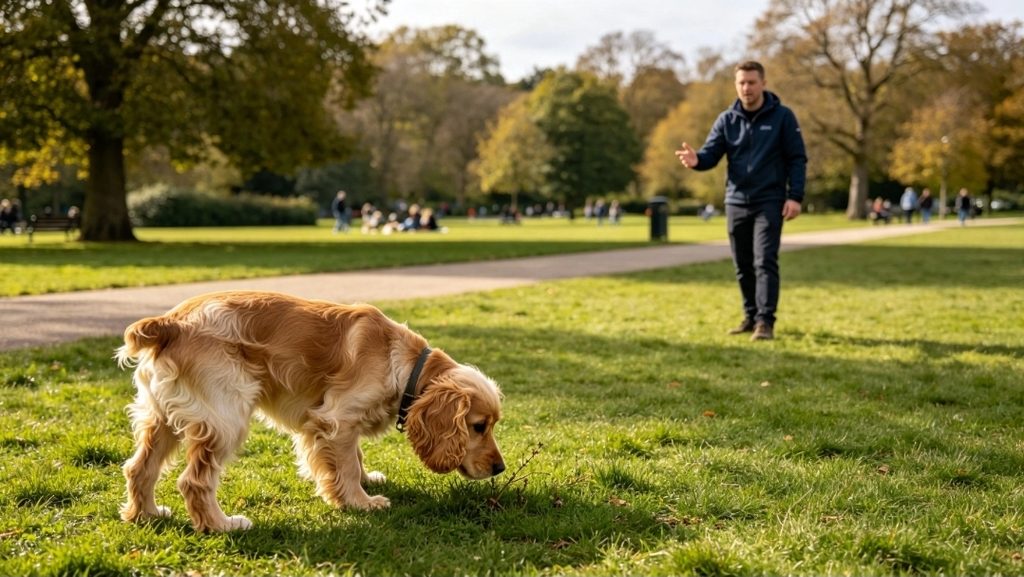
Dogs experience different levels of environmental distraction. Your dog may be able to engage with you easily in a quiet room but become less responsive when there are unfamiliar people, dogs, sounds, smells or movement around it.
If your dog is struggling to engage, reduce unnecessary distractions where possible and return to an environment where the dog can concentrate.
Once engagement improves, the difficulty can be increased gradually.
Your dog’s motivation can affect engagement
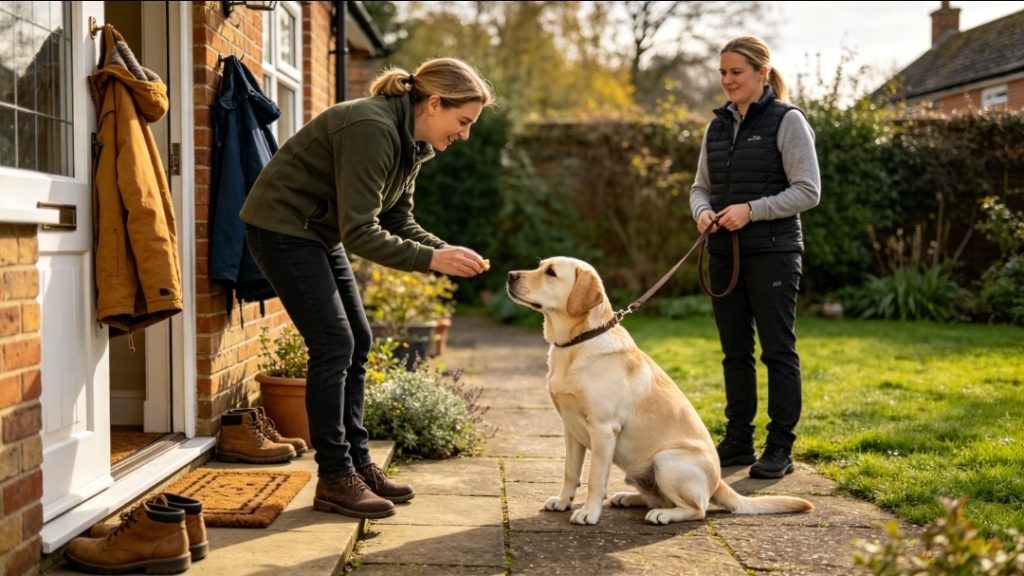
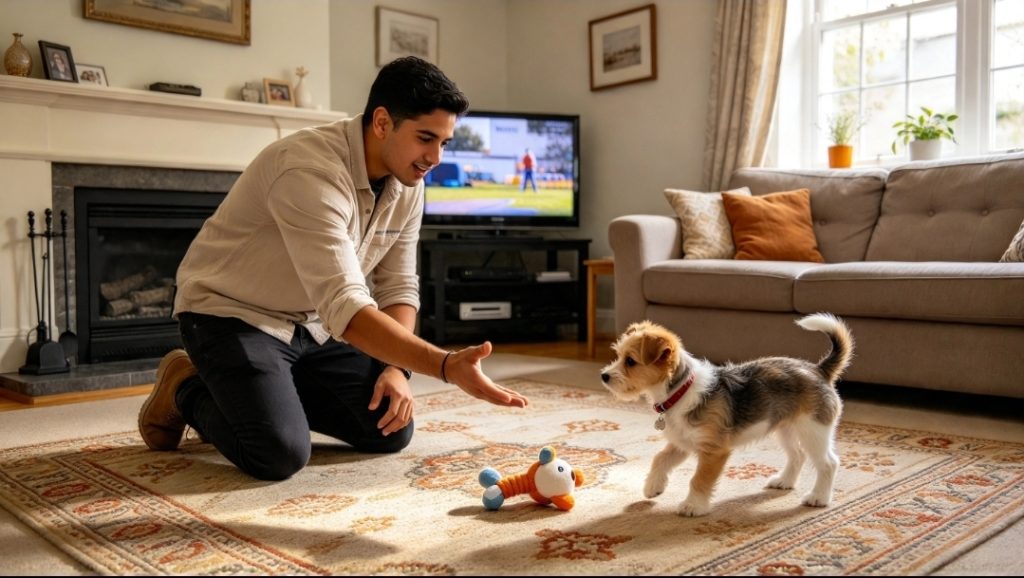
Individual dogs have different levels of food drive. Food motivation can therefore be an important part of developing engagement during obedience training.
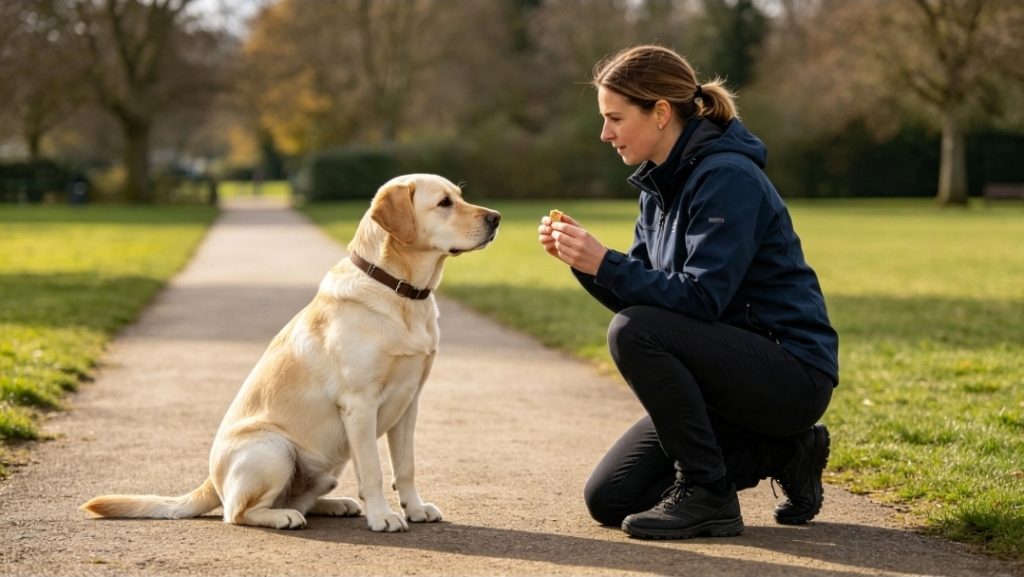
Positive reinforcement using appropriate food rewards can help the dog understand that engaging with the handler is valuable.
If your dog is ignoring you, consider whether the surrounding environment has become more interesting than the motivation being offered during training.
RECOMMENDED PRODUCTS
The training may be too difficult
Sometimes a dog appears to ignore its handler because the expectation is beyond what the dog can currently manage.
Consider what has changed. Has the distance increased? Has the environment become more distracting? Has the dog been given more freedom? Is the behaviour being expected in a situation where it has not yet been developed?
If the answer to any of these questions is yes, make the training easier.
Give the dog an opportunity to respond successfully before gradually increasing the difficulty again.
Consider the level of control
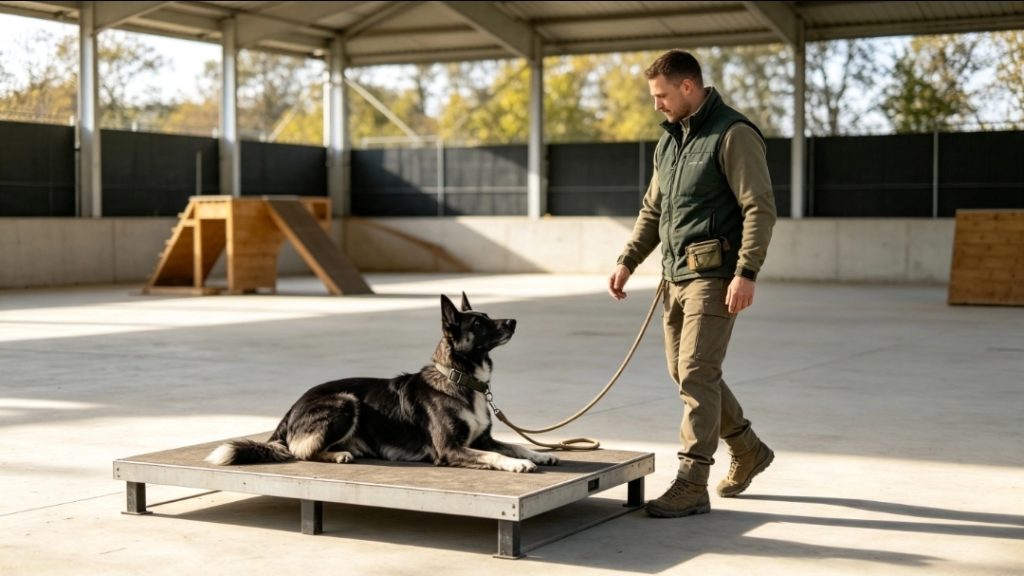
Appropriate control can help create the conditions for successful training. Depending on the situation, the GPK9 Professional Training System uses equipment such as a short line, harness, long line and free roam.
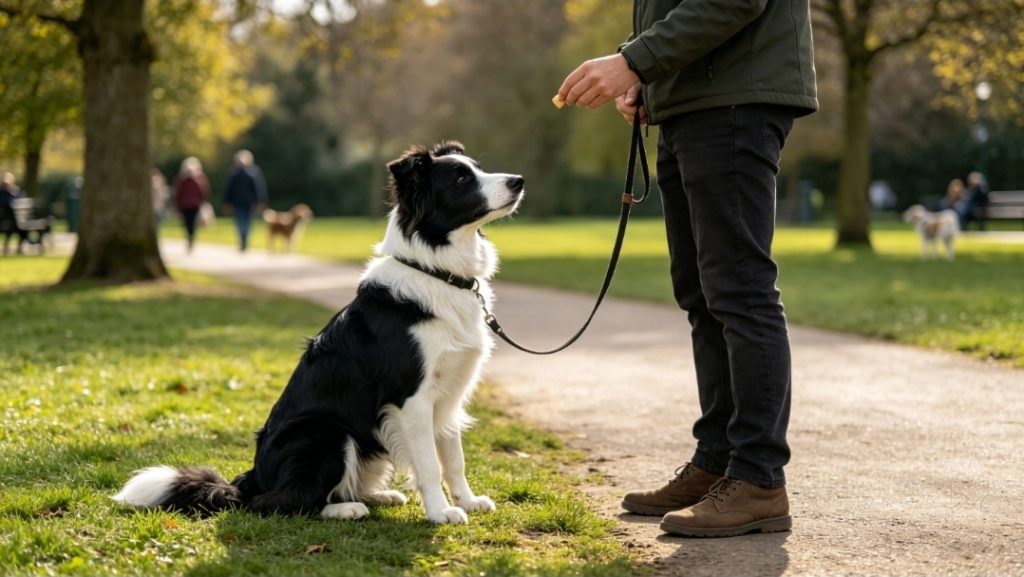
A short line can provide closer control during structured training. A harness can provide an appropriate connection during training and walking. A long line can allow greater freedom while maintaining control. Free roam should only be introduced when appropriate for the dog’s behaviour and environment.
The amount of freedom given to a dog should develop alongside its behavioural responsibility.
RECOMMENDED PRODUCTS
Give your dog an opportunity to re-engage
Repeatedly calling a dog that is already distracted may not solve the problem. Instead, stop and observe.
Look at the environment, the dog’s behaviour, its level of engagement and the difficulty of what you are asking. Remove unnecessary distractions where possible and allow the dog to calm if required.
Once the dog is able to engage again, continue at an appropriate level and progress gradually.
What if my dog continues to ignore me?
If your dog cannot continue appropriately, stop what you are doing and assess the situation.
Remove the dog from unnecessary distractions and allow it to calm before reassessing. If the dog returns to an appropriate state, continue at a level it can manage.
If the dog cannot reduce or calm, it may need to return to an appropriate management and reset process before training continues.
If there are serious behavioural concerns, aggression or a risk of biting, professional assessment and support should be sought.
Build engagement through consistent training
Your dog needs opportunities to learn that engaging with you is part of everyday training. Use positive reinforcement, food motivation where appropriate, suitable control and a structured environment.
Observe how your dog responds and adjust the difficulty rather than simply repeating the same approach.
As your dog’s engagement improves, gradually introduce greater distance, duration, environmental difficulty and appropriate freedom.
The objective is not simply to make your dog respond in one quiet environment. It is to develop reliable engagement that can continue as the training situation becomes more challenging.