
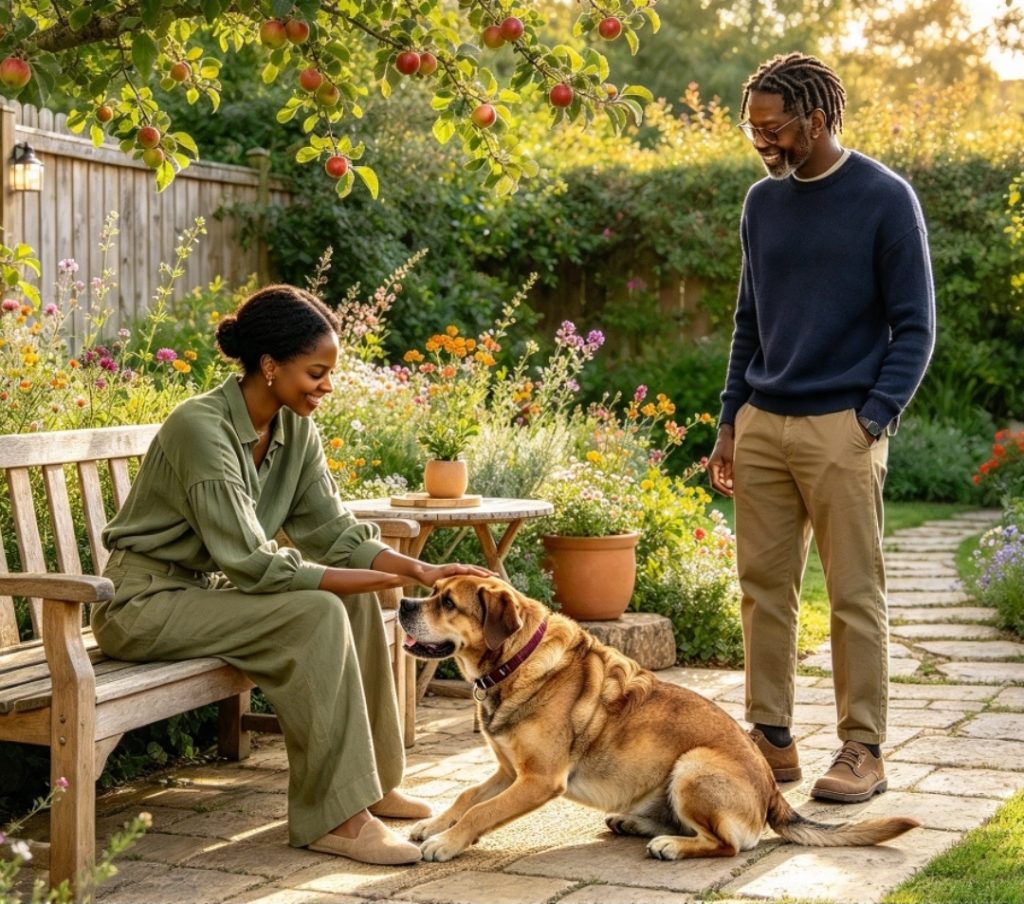
How to Pet a Dog Properly
How to pet a dog properly starts with understanding your dog’s body language, recognising whether they welcome physical contact and allowing them to choose whether the interaction continues. The correct way to pet a dog is to approach calmly, offer them the opportunity to interact, begin with gentle contact in an area they appear comfortable with and stop if they show signs of uncertainty. Every dog has individual preferences, so successful affection depends on communication, trust and respect rather than simply reaching out and stroking them.
RECOMMENDED PRODUCTS

How Should You Approach a Dog Before Petting Them?
Before you pet a dog, consider how they may be experiencing the interaction. A dog might be relaxed and interested in meeting you, or they might be worried, excited, tired or uncomfortable.
Approach calmly without rushing towards the dog, leaning directly over them or reaching towards their face. If the dog belongs to someone else, ask the owner whether it is appropriate to interact with them.
Give the dog space to approach voluntarily. Avoid cornering them, blocking their escape route or assuming that a wagging tail means they want to be touched.
The first step is observation, not contact. Watch how the dog moves, whether their body appears relaxed and whether they choose to come closer. If they move away or avoid your approach, respect their decision.
Where Is the Best Place to Pet a Dog?
Many dogs are more comfortable with gentle strokes around the chest, shoulder or side of the body than with hands reaching directly towards the top of their head. However, every dog is different, and no area is guaranteed to be comfortable for every individual.
Start by allowing the dog to approach and become comfortable in your presence. If they appear relaxed and welcome contact, try a brief, gentle stroke on the chest or shoulder.
Avoid immediately reaching for sensitive areas such as the ears, paws, tail, stomach or muzzle. These areas may be particularly uncomfortable for some dogs, especially if they have experienced pain or are uncertain about handling.
Never assume that a dog lying on their back wants their stomach rubbed. They may be seeking relief, resting or displaying uncertainty, depending on the circumstances and their body language.
The objective is not to find one universal spot that every dog enjoys. It is to identify what the individual dog is comfortable with.
How Can You Tell If a Dog Enjoys Being Petted?
A dog that welcomes contact may voluntarily approach you, lean gently towards your hand, maintain a loose body posture or return when you pause.
However, no single behaviour proves that a dog wants to be touched. You need to consider the entire interaction.
Signs Your Dog May Welcome Contact
Look for a combination of behaviours such as:
- Approaching you voluntarily.
- Maintaining a relaxed, loose body posture.
- Remaining comfortable when you briefly stroke them.
- Moving closer when you pause.
- Choosing to re-engage after having an opportunity to leave.
These signs can suggest that the dog is comfortable, but continue observing rather than assuming they want uninterrupted contact.
Signs Your Dog Wants You to Stop
Your dog may be uncomfortable if they:
- Turn their head away or repeatedly avoid your hand.
- Move away or attempt to leave.
- Become stiff, tense or unusually still.
- Hold their ears back or lower their body.
- Repeatedly lick their lips in an uncomfortable situation.
- Growl, show their teeth, snap or attempt to bite.
These behaviours must be considered in context. If you notice signs of discomfort, stop petting and give the dog space.
Never punish a dog for growling or communicating that they do not want contact. Stop the interaction, assess what may have caused the discomfort and prioritise safety.
RECOMMENDED PRODUCTS
The Consent Test: Pause and Observe
A useful way to understand whether your dog wants continued affection is to introduce a pause.
- Allow the dog to approach voluntarily.
- Offer a brief, gentle stroke in an area they appear comfortable with.
- Stop moving your hand and give the dog a moment.
- Observe what they choose to do.
- Continue only if they actively re-engage and remain comfortable.
If the dog moves closer, they may be inviting further interaction. If they turn away, move off or become tense, stop.
This is not a formal test that guarantees you know exactly what the dog feels. It is a practical way to give them more choice and help you respond to their behaviour.
Do not repeatedly offer your hand to a dog that is avoiding contact. Giving them space is part of good communication.
Why Do Some Dogs Dislike Being Petted?
A dog may avoid physical contact for several reasons. Understanding the possible cause helps you decide how to respond.
Fear or Uncertainty
Some dogs find unfamiliar people, sudden movements or hands reaching towards their heads frightening. They may need more distance and time to become comfortable.
Allow the dog to approach at their own pace. Do not force an interaction because you want them to become friendly.
Previous Experiences
A dog that has experienced frightening or uncomfortable handling may become cautious when someone attempts to stroke them. Positive experiences can help in some cases, but the process must be gradual and appropriate to the dog’s needs.
Excitement or Overstimulation
A dog that is highly excited may struggle to remain settled during physical interaction. They may jump, mouth, move constantly or become increasingly aroused.
Instead of adding more stimulation, reduce the intensity of the interaction and give the dog an opportunity to settle.
Physical Discomfort
If your dog suddenly starts avoiding touch, consider whether pain or illness could be involved. Discomfort affecting the ears, teeth, skin, back or joints can make handling unpleasant.
Contact your vet if your dog develops new sensitivity, reacts painfully to touch or shows other unexplained changes in behaviour. Do not repeatedly touch a painful area to investigate the cause.
How Do Affection and Emotions Affect Petting?
Petting is not simply a physical action. It is an interaction between you and your dog, and the dog’s response can depend on their emotional state, previous experiences, environment and physical comfort.
Biological processes also contribute to motivation, arousal, stress responses and social bonding. Dopamine is involved in motivation and reward learning, adrenaline helps prepare the body to respond to immediate demands, cortisol contributes to stress regulation, and oxytocin plays a role in social bonding and other biological functions.
However, you cannot identify a dog’s emotional state or hormone levels simply by observing whether they enjoy being stroked.
Instead, consider the dog’s observable behaviour and the situation. A dog that welcomes affection when relaxed at home may not want to be touched when tired, excited or uncomfortable around unfamiliar people.
The important principle is to adjust your behaviour to the individual dog rather than expecting the dog to accept the same interaction in every situation.
How the GPK9 FUSS Framework Helps You Pet a Dog Properly
The GPK9 FUSS framework — Function, Understand, Structure and Support — encourages you to consider what influences your dog’s behaviour and how you can respond appropriately.
Function: Consider what your dog may be communicating by approaching, remaining close, moving away or resisting touch.
Understand: Observe their body language, emotional state, physical needs and individual preferences before deciding how to interact.
Structure: Establish predictable, calm interactions. Allow the dog to choose whether to approach, begin with brief contact and avoid forcing affection.
Support: Use positive reinforcement where appropriate, respect the dog’s boundaries and seek veterinary or professional support when necessary.
This approach helps you understand that affection should not be measured by how much touching a dog accepts. The aim is to develop a relationship where the dog can communicate comfortably and the handler responds consistently.
What Should You Do If Your Dog Does Not Want to Be Petted?
If your dog avoids your hand, turns away or moves off, stop trying to touch them. Give them space and consider what may be influencing their behaviour.
Do not chase them, restrain them for affection or use food to lure them into a position where they feel trapped. Rewarding a voluntary approach can be appropriate, but the dog must remain free to disengage.
If your dog has difficulty with handling, introduce necessary contact gradually and positively. If they show persistent fear, growling or snapping, seek help from a suitably qualified behaviour professional. If the behaviour has appeared suddenly or may involve pain, contact your vet.
The GPK9 communication process provides a practical guide:
Observe → Interpret → Decide → Communicate → Observe Response → Reassess.
Observe what your dog is doing, consider possible explanations, decide how to respond, communicate calmly, observe the outcome and reassess your approach.
This reinforces an important GPK9 principle: control is communication. Good handling does not mean making a dog accept every interaction. It means recognising their response and managing the situation responsibly.
RECOMMENDED PRODUCTS
Final Thoughts: Petting a Dog Properly Builds Trust
Learning how to pet a dog properly means understanding that affection should be comfortable for both the dog and the person. Approach calmly, allow the dog to choose whether to interact, use gentle contact where welcomed and stop when the dog communicates discomfort.
Your dog does not have to accept every type of touch to have a strong relationship with you. Trust develops through consistent communication, positive experiences and respect for individual needs.
When you observe your dog’s body language and adapt your behaviour accordingly, you create better opportunities for safe, comfortable interactions and a stronger working partnership.
How the Five Golden Rules Work Together
The GPK9 Five Golden Rules provide a consistent framework for everyday behaviour, communication, motivation, toilet training and social walking.
- Golden Rule 1 — Home & Social
- Golden Rule 2 — Obedience
- Golden Rule 3 — Prey Drive
- Golden Rule 4 — Toilet
- Golden Rule 5 — Social Walking
Explore The Five Golden Rules to understand how these principles work together.
FUSS — Understanding Your Dog Through Affection, Emotion and Everyday Interaction
The FUSS course helps you develop a deeper understanding of how your dog’s emotions, motivation, physical needs and everyday experiences influence behaviour. This course explains how affection, body language, social interaction and reward can affect the relationship between dogs and their handlers, helping you recognise what your dog is communicating and respond appropriately.
Learn about the roles of hormones such as dopamine, adrenaline, cortisol and oxytocin in motivation, arousal, stress responses and social bonding. Discover how these concepts connect with obedience, reward timing, play, prey drive, excitement management, toilet training, household behaviour and social walking. The course also explores how to recognise when your dog is comfortable and ready to progress, when an interaction needs adjusting, and when you should stop and prioritise safety.
Using the GPK9 FUSS framework — Function, Understand, Structure and Support — you will learn to observe behaviour, consider what may be influencing it, communicate clearly and reassess your dog’s response. The course connects these principles to practical everyday situations, helping you build consistency, encourage appropriate behaviour through positive reinforcement and develop a stronger working partnership with your dog.




