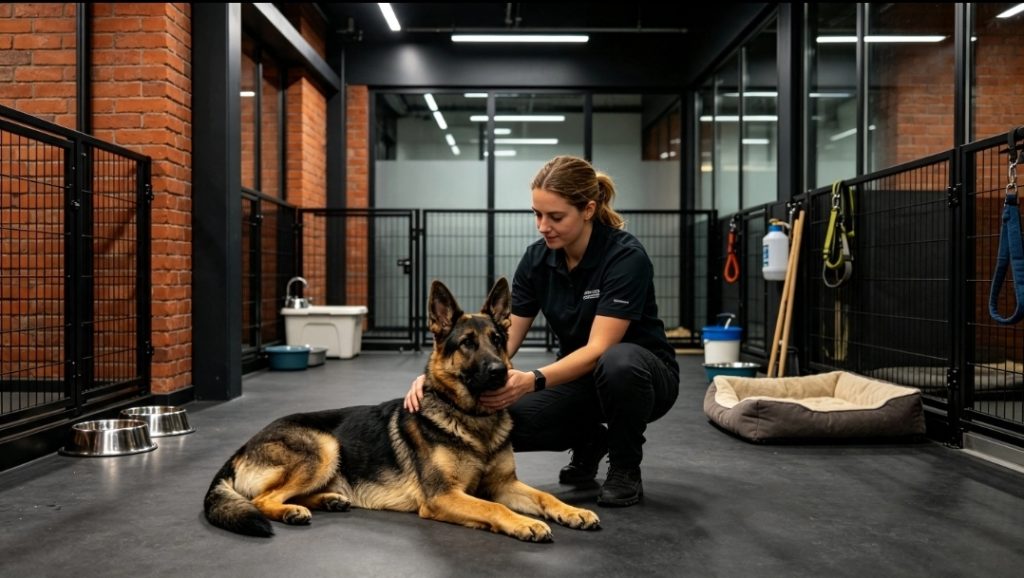
Dog Care & Health: Essential Everyday Care for Your Dog
Good dog care is not based on one individual task. Feeding, hydration, grooming, exercise, rest, enrichment, training and routine monitoring all work together to support a dog’s everyday needs.
A comprehensive approach also means knowing your dog well enough to recognise when something has changed. Small differences in appetite, drinking, mobility, behaviour or coat condition can provide useful information about your dog’s general wellbeing.
Dog Care & Health: Essential Everyday Care for Your Dog explains how these different areas connect and how owners can establish practical routines that support their dog’s physical condition, mental stimulation, training and quality of life.
Everyday Dog Care
Feeding
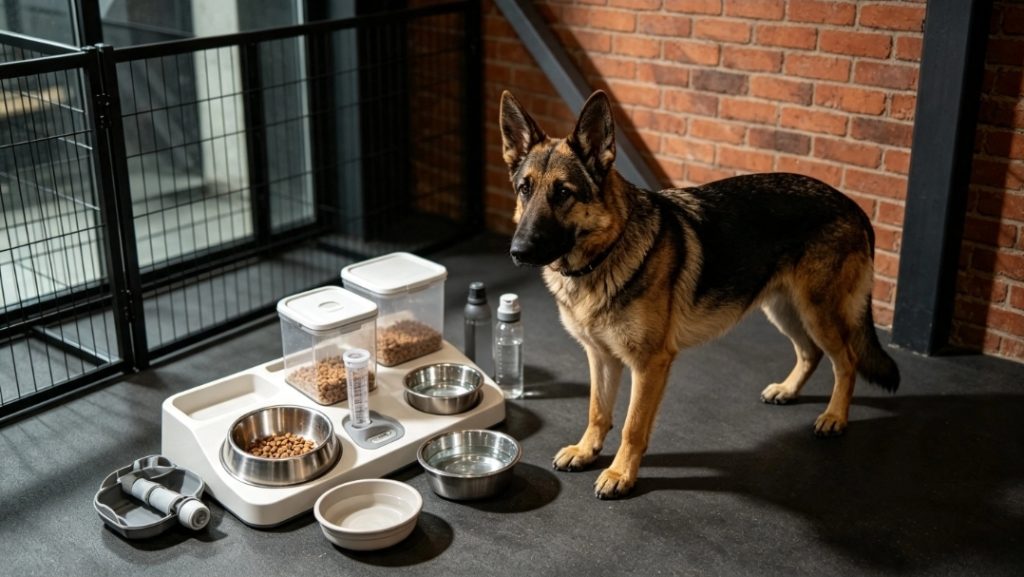
A consistent feeding routine provides structure to the day.
Food should be appropriate for the individual dog and provided in suitable quantities according to their needs. Factors such as age, size, activity level and individual circumstances can affect feeding requirements.
Feeding should also be managed as part of the wider daily routine rather than treated as an isolated task.
Keep food stored appropriately and make sure feeding equipment is clean. Monitoring how your dog approaches food can also help you notice changes in appetite.
For practical information about feeding equipment and hydration, Dog Feeding & Hydration: Essential Equipment and Practical Advice provides a natural next step within the GPK9 topic cluster.
Hydration
Fresh drinking water should be readily available.
Water requirements can change depending on factors such as activity, weather and individual circumstances. Dogs exercising outdoors may require particular attention to hydration.
Keeping water bowls clean and providing access to water throughout the day should form part of normal care.
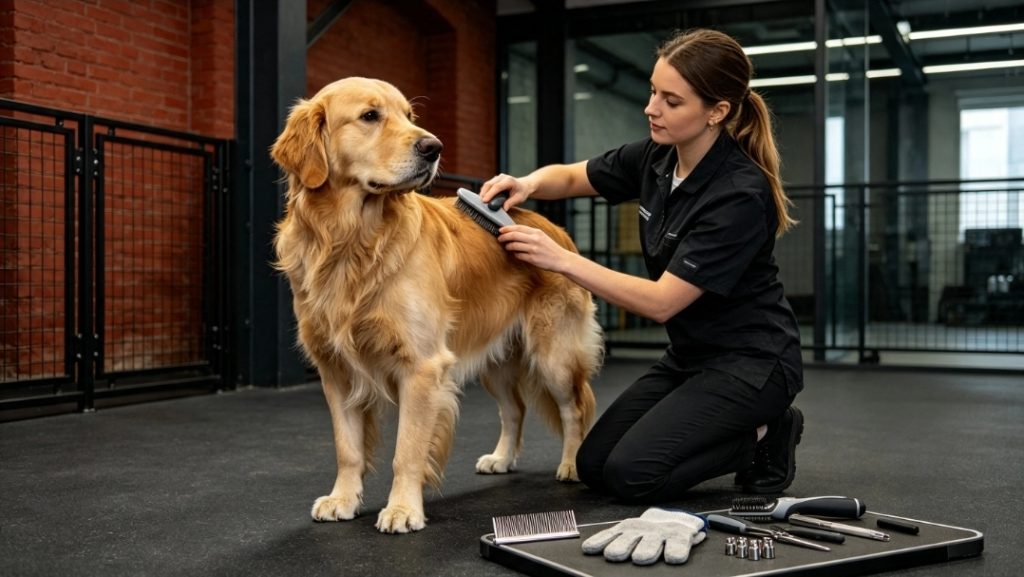
Grooming
Grooming is about more than keeping a dog looking clean.
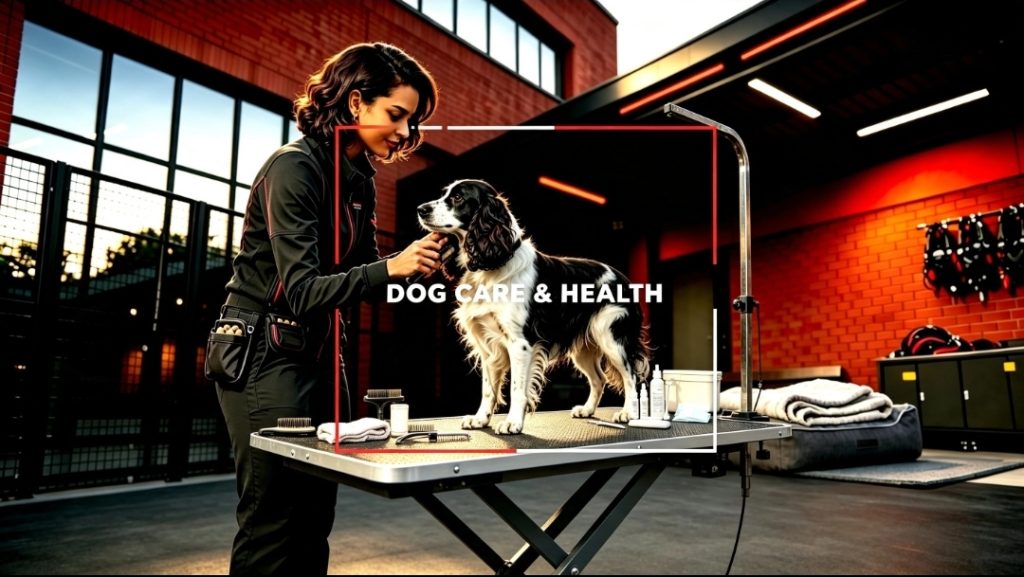
Regular brushing can help remove loose hair and dirt while giving owners an opportunity to become familiar with the dog’s coat and body.
Different coat types require different grooming approaches. Long, dense or heavily shedding coats may require different brushes and routines from short coats.
Grooming also provides an opportunity to observe the skin, coat and other visible areas for changes.
Dog Grooming Essentials: Brushes, Combs & Everyday Care connects directly with this part of the topic and provides more detailed information about grooming equipment and everyday coat care.
Exercise
Dogs need appropriate physical activity, but exercise should be matched to the individual.
Age, breed characteristics, physical condition and training level can all influence the type and amount of activity that is appropriate.
Exercise can include structured walks, play, training and other suitable activities rather than simply trying to maximise distance or duration.
Rest
Rest is just as important as activity.
A dog needs opportunities to sleep and relax between periods of exercise, training and interaction. Puppies, older dogs and highly active dogs may have particularly different rest requirements.
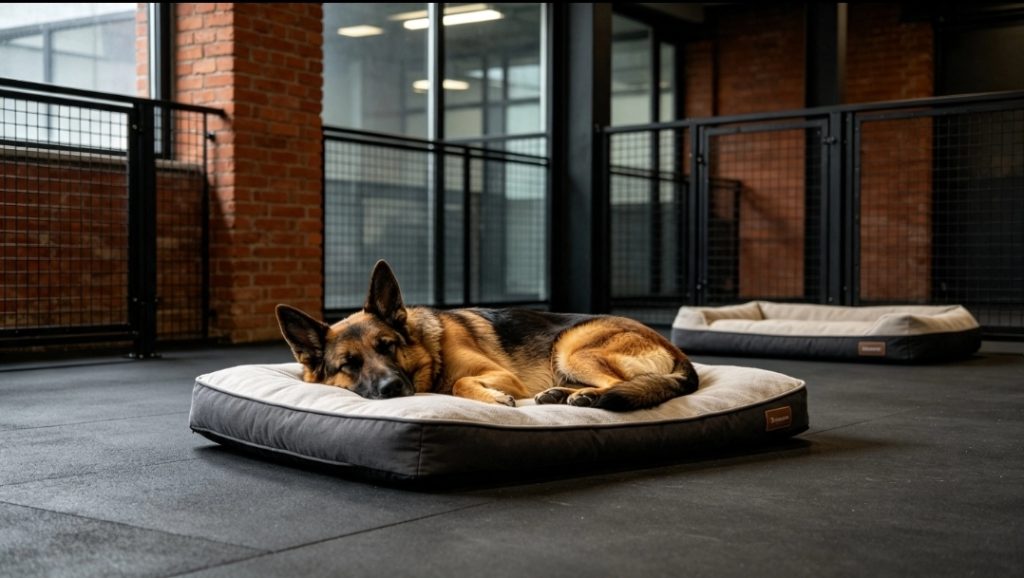
A dedicated resting location can help establish a predictable routine.
For more information about selecting an appropriate resting surface and creating a reliable rest area, Dog Beds: How to Choose the Right Bed for Your Dog provides a closely connected resource.
Mental Stimulation
Physical exercise is only one part of keeping a dog engaged.
Training, problem-solving, appropriate toys, scent activities and controlled interaction can provide mental stimulation.
However, enrichment should be balanced with rest. A dog does not need to be occupied continuously.
Dog Enrichment: Toys, Activities & Ideas for Mental Stimulation provides further information about creating appropriate opportunities for mental engagement.
RECOMMEND PRODUCTS
- RELATED ARTICLES
- Dog Feeding & Hydration: Essential Equipment and Practical Advice
- Dog Grooming Essentials: Brushes, Combs & Everyday Care
- Dog Walking Essentials: Equipment for Safe Outdoor Adventures
Good equipment should be practical, easy to clean and appropriate for the dog’s size and routine. Feeding and hydration equipment should form part of an organised care system rather than being selected purely for appearance.
Routine Monitoring
One of the most valuable parts of everyday care is knowing what is normal for your individual dog.
Appetite
Changes in appetite can sometimes be significant.
If your dog suddenly eats considerably less, refuses food or develops an unusual change in eating behaviour, monitor the situation carefully and consider whether veterinary advice is appropriate.
A single missed meal does not necessarily indicate a serious problem, but persistent or significant changes should not be ignored.
Drinking
Changes in drinking habits can also be worth noting.
If your dog is suddenly drinking substantially more or less than usual, consider the wider circumstances and seek veterinary advice where appropriate.
Keeping fresh water available does not mean ignoring unusual changes in consumption.
Behaviour
Owners often know their dog’s normal personality better than anyone.
Changes such as unusual withdrawal, restlessness, irritability, reluctance to interact or significant changes in normal behaviour can provide useful information.
Behaviour should always be considered alongside the dog’s physical condition and circumstances.
Mobility
Pay attention to how your dog moves.
Changes in walking, climbing stairs, getting up, lying down or participating in activities they normally enjoy can be important observations.
A dog does not have to show an obvious injury for a change in mobility to warrant attention.
Coat Condition
Regular grooming provides an opportunity to monitor the coat and visible skin.
Look for changes from your dog’s normal condition, including unusual hair loss, persistent irritation or other noticeable differences.
If something appears abnormal or persists, professional veterinary guidance may be appropriate.
General Changes
The most important principle is to understand your dog’s baseline.
Knowing how your dog normally eats, drinks, sleeps, moves, behaves and interacts makes it easier to recognise meaningful changes.
RECOMMEND PRODUCTS
- RELATED ARTICLES
- Dog Feeding & Hydration: Essential Equipment and Practical Advice
- Dog Grooming Essentials: Brushes, Combs & Everyday Care
- Dog Walking Essentials: Equipment for Safe Outdoor Adventures
Preventative Care
Grooming Routines
A consistent grooming routine helps maintain the coat while also improving the dog’s familiarity with handling.
Start with manageable sessions and gradually develop tolerance, particularly with young dogs.
Keep grooming calm and controlled rather than turning every session into a struggle.
Dental Care
Dental care should be part of everyday dog management.
Regularly check your dog’s mouth where this can be done safely and appropriately, and use suitable dental-care practices recommended for your dog.
If you notice persistent bad breath, visible problems, pain, bleeding or other unusual changes, seek veterinary advice.
Parasite Prevention
Parasite prevention should form part of responsible dog care.
The appropriate approach depends on the individual dog, lifestyle and local circumstances. Veterinary professionals can provide advice about suitable preventative programmes.
Do not assume that every dog requires exactly the same treatment schedule.
Veterinary Care
Veterinary care is an important part of preventative health management.
Routine examinations can provide opportunities to discuss concerns, monitor changes and obtain professional guidance about your dog’s individual needs.
Owners should not rely solely on internet information or self-diagnosis when a dog appears unwell.
Vaccination and Routine Checks
Vaccinations and routine veterinary checks should be managed according to professional advice.
Keeping records organised can make it easier to maintain an appropriate healthcare routine.
This becomes particularly important when dogs regularly attend training facilities, boarding environments or other places where health requirements may apply.
RECOMMEND COURSE
Fundamentals 1 connects naturally with everyday care because foundational training can help a dog become comfortable with basic handling, positioning and routine interactions.
A dog that can calmly respond to simple communication is often easier to manage during ordinary care activities.
Exercise and Enrichment
Physical Activity
Exercise should be purposeful and appropriate.
Walking provides opportunities for movement, environmental exploration and training. Play can also provide physical activity while reinforcing interaction between dog and handler.
The objective is not simply to exhaust the dog.
Dog Walking Essentials: Equipment for Safe Outdoor Adventures provides useful additional information about equipment and practical outdoor routines.
Mental Stimulation
Mental stimulation can be incorporated into ordinary training.
Short training sessions, scent-based activities and appropriate play can challenge the dog without requiring prolonged physical exertion.
This is particularly useful when weather, injury or other circumstances temporarily restrict normal exercise.
Age-Appropriate Activity
A puppy, adult dog and older dog should not automatically receive identical exercise routines.
Young dogs are developing physically and need appropriate activity. Older dogs may require adjustments based on their individual condition.
Always consider the individual dog rather than relying solely on age or breed assumptions.
Rest and Recovery
Following activity, provide a suitable opportunity for rest.
A comfortable bed, quiet location and predictable routine can help the dog transition from activity into relaxation.
Dog Beds: How to Choose the Right Bed for Your Dog is particularly relevant here because appropriate resting equipment forms part of the wider exercise-and-recovery cycle.
RECOMMEND PRODUCT
Dog Toys & Rewards: Choosing Toys for Training & Play provides useful product-related guidance when selecting toys that can support both physical activity and mental engagement.
The right toy depends on how the dog interacts with it and what you are trying to achieve. Toys can be used for play, training, motivation and enrichment, but they should remain appropriate for the individual dog and supervised where necessary.
Training and Handling
Handling Tolerance
Dogs should become familiar with appropriate handling gradually.
Touching paws, checking ears, brushing the coat or examining the dog should not automatically become stressful experiences.
Short, calm sessions can help build familiarity.
The handler should pay attention to the dog’s body language and avoid unnecessarily overwhelming the dog.
Grooming Preparation
Grooming preparation is particularly important for puppies.
Introduce brushes, towels and other equipment gradually. Reward calm behaviour and allow the dog to become comfortable with the process.
This makes grooming part of the training journey rather than something that only happens when the dog is already uncomfortable.
Puppy Training: Essential Skills, Equipment & Techniques provides a useful connection because early training can establish the handling behaviours needed for future care.
Equipment Familiarisation
Dogs may encounter many different pieces of equipment throughout their lives.
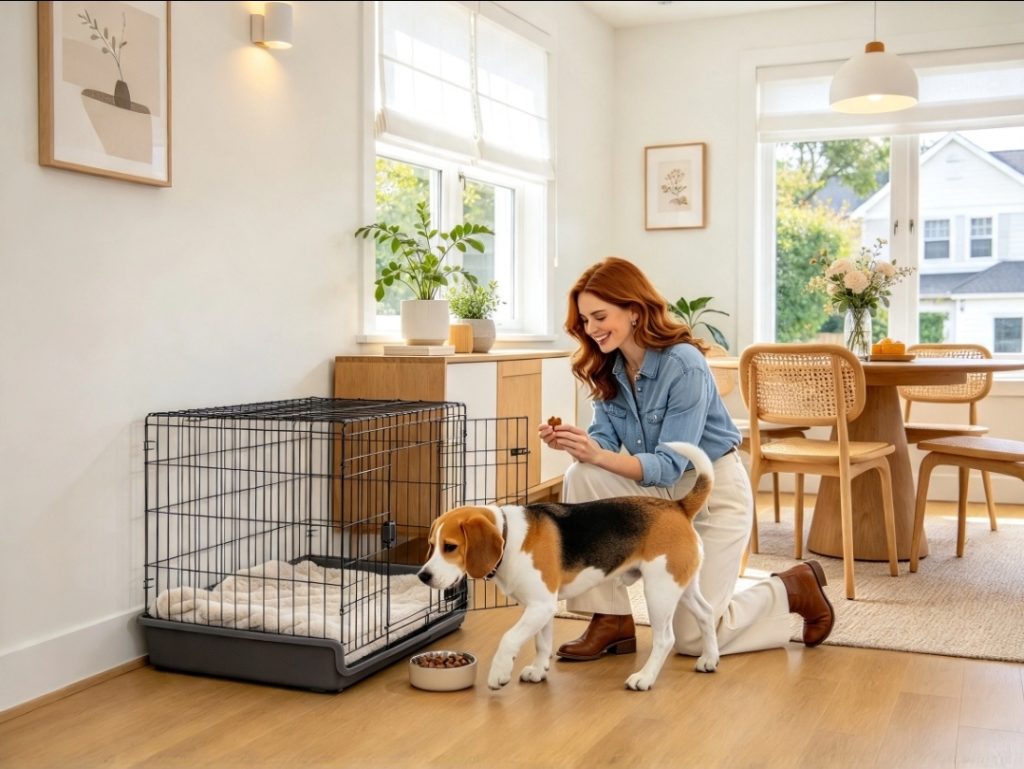
Collars, harnesses, leads, grooming equipment, crates and other items should be introduced calmly and appropriately.
For equipment specifically associated with walking and control, Dog Training Collars: Types, Uses & Choosing the Right Collar and Dog Training Harnesses: Types, Uses & How to Choose provide useful additional information.
Cooperative Care
Cooperative care involves developing a dog’s ability to participate calmly in appropriate handling.
The aim is not simply to make the dog tolerate everything without consideration. Instead, owners should develop predictable handling routines and build confidence gradually.
Training should support safe, practical everyday care.
RECOMMEND COURSE
Fundamentals 2 is relevant when progressing from basic communication towards greater reliability around handling, distractions and everyday situations.
The more consistent the dog’s training foundation becomes, the easier it can be to incorporate appropriate care routines into daily life.
RECOMMEND PRODUCT
Dog Training Treats: Choosing the Right Rewards for Training connects directly with handling and cooperative-care training.
Small, appropriate rewards can help reinforce calm responses during grooming preparation, equipment familiarisation and other controlled handling exercises.
Rewards should support the behaviour being trained rather than creating unnecessary excitement.
RECOMMEND PRODUCTS
- RELATED ARTICLES
- Dog Feeding & Hydration: Essential Equipment and Practical Advice
- Dog Grooming Essentials: Brushes, Combs & Everyday Care
- Dog Walking Essentials: Equipment for Safe Outdoor Adventures
When Professional Help Is Required
Recognising Significant Changes
Owners should know when everyday monitoring has identified something that requires professional attention.
Significant changes in appetite, drinking, behaviour, mobility, energy, breathing, appearance or other normal patterns should be taken seriously.
The speed and seriousness of the response depend on the circumstances.
Seeking Veterinary Advice
If you are concerned that your dog may be ill, injured or experiencing a significant change, contact a veterinary professional.
Do not attempt to diagnose serious problems solely from online information.
Veterinary professionals can assess the individual dog and determine what investigation or treatment may be appropriate.
Behavioural Concerns
Behavioural changes can have many possible causes.
Sudden aggression, unusual fear, withdrawal, anxiety, excessive vocalisation or other significant changes should not simply be dismissed as the dog being difficult.
Where a behaviour concern is persistent, severe or sudden, professional guidance can help establish an appropriate next step.
Training can support behaviour, but it should not replace veterinary assessment where an underlying health problem may be involved.
Injuries or Illness
Visible injuries, significant pain, breathing difficulties, collapse, severe illness or other urgent symptoms require prompt professional attention.
When in doubt about the seriousness of a situation, contacting a veterinary professional is the appropriate course of action.
RECOMMEND COURSE
90-Day Transformation can be relevant for owners who want to integrate everyday obedience, calm behaviour and structured routines into a broader training programme.
Dog care does not happen separately from training. The two can support each other when owners establish clear communication and predictable routines.
Bringing Everything Together
The central idea behind Dog Care & Health: Essential Everyday Care for Your Dog is that individual care tasks should work together.
Feeding provides nutrition and structure.
Hydration supports everyday needs.
Grooming maintains the coat and creates opportunities for handling.
Exercise provides appropriate physical activity.
Enrichment provides mental engagement.
Training develops communication and cooperation.
Rest allows the dog to recover.
Routine monitoring helps the owner recognise changes.
Veterinary care provides professional assessment and preventative support.
When these areas are considered together, everyday dog ownership becomes more organised and predictable.
A simple daily routine might include feeding and hydration, appropriate exercise, short training, mental stimulation, grooming when required and sufficient rest.
The exact routine will vary between individual dogs, but the principle remains consistent: care should be comprehensive rather than focused on one area alone.
What the Reader Learns
How to Establish Comprehensive Everyday Care
A good routine considers nutrition, hydration, grooming, exercise, rest, enrichment, training and preventative care.
Each element should be adapted to the individual dog.
How Different Areas of Dog Care Connect
Grooming can become handling training. Walks can become opportunities for obedience. Toys can provide enrichment and training rewards. Rest can support recovery after exercise.
This connected approach makes everyday care more practical.
How Care, Training, Enrichment, Exercise and Rest Work Together
A balanced routine gives the dog opportunities to be active, learn, explore, interact and relax.
The objective is not to maximise any single activity. It is to create a sustainable routine that supports the dog’s overall needs.
Ultimately, Dog Care & Health: Essential Everyday Care for Your Dog is about creating a complete approach to responsible dog ownership.
When feeding, hydration, grooming, exercise, enrichment, rest and training are combined with routine monitoring and appropriate professional care, owners can build a more consistent environment for their dogs.
At GPK9, the principle remains simple: Train the human. Train the dog. Build the partnership.