
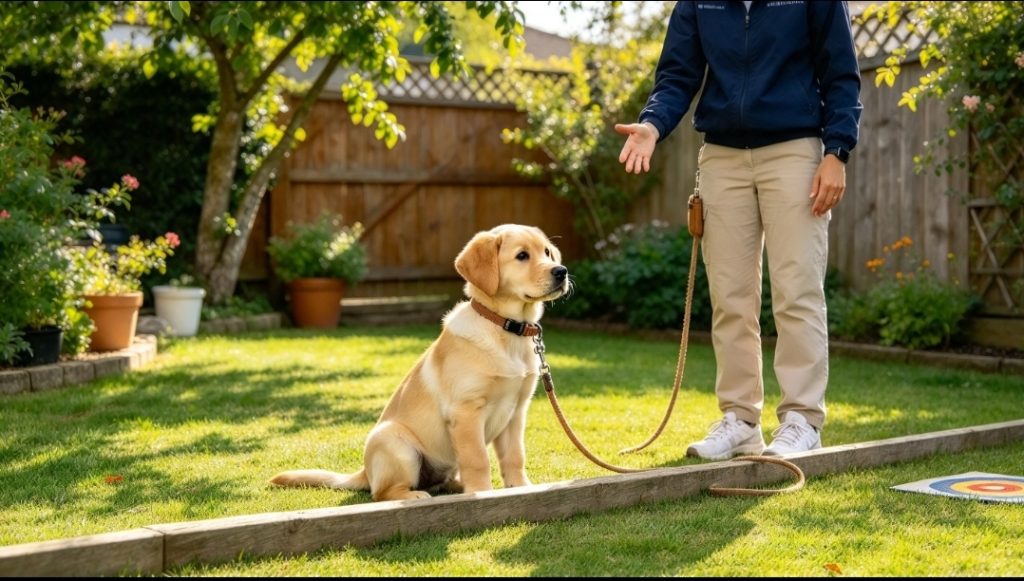
How Do I Teach My Puppy Boundaries?
How do I teach my puppy boundaries? The most effective way is to establish clear household rules, manage your puppy’s environment, teach the behaviours you want to see, and consistently reward appropriate choices. Puppies do not automatically understand which rooms they can enter, what they can chew, when they should settle or how they are expected to behave around people. They learn through repetition, guidance and consistent experiences. By setting boundaries from the beginning, you can help your puppy develop good habits, confidence and self-control.
RECOMMENDED PRODUCTS

What Are Boundaries in Puppy Training?
Boundaries are the rules and expectations that help your puppy understand how to behave safely and appropriately in everyday situations.
These may include staying off certain furniture, leaving household objects alone, waiting before going through a door, settling in a designated resting area or learning to remain calm when people are eating.
Boundaries are not about frightening your puppy or preventing natural behaviour. They provide structure so your puppy can understand which behaviours are acceptable and which alternatives are expected.
A clear boundary should be consistent, achievable and easy for your puppy to understand.
For example, if your puppy is not allowed to chew shoes, keep shoes out of reach and provide appropriate alternatives. If your puppy jumps up to greet people, teach and reward a calmer greeting instead.
How Do I Teach My Puppy Boundaries at Home?
The first step is deciding which household rules matter most and ensuring everyone follows them consistently.
Establish Clear Household Rules
Decide where your puppy is allowed to go, where they should rest, which objects they can play with and how you want them to behave around visitors.
Avoid changing the rules depending on your mood or convenience. If your puppy is sometimes allowed to chew an old shoe and sometimes told off for chewing another shoe, they may struggle to understand the difference.
Keep expectations simple and introduce them gradually.
Manage Your Puppy’s Environment
Puppies learn more effectively when their surroundings help them succeed. Put tempting objects away, secure potentially dangerous items and restrict access to areas where your puppy cannot be supervised.
Use a suitable puppy-safe area when necessary, ensuring your puppy has appropriate opportunities for rest, exercise, interaction and toilet breaks.
Preventing unwanted behaviour is an important part of teaching boundaries. Every time your puppy repeatedly practises an unwanted habit, that behaviour can become more established.
Show Your Puppy What to Do Instead
Simply telling your puppy what not to do does not explain which behaviour is acceptable.
If your puppy chews furniture, redirect them towards a suitable chew toy. If they jump up at people, reward them for keeping their paws on the floor. If they become excitable during play, pause the interaction and resume when they are calmer.
This approach gives your puppy a clear alternative rather than leaving them confused about what is expected.
How Do I Teach My Puppy to Respect Boundaries?
Teaching boundaries requires you to observe your puppy, understand the situation, respond appropriately and assess whether your puppy is learning.
Teach One Boundary at a Time
Start with a manageable situation, such as keeping your puppy away from a particular room or teaching them to settle on their bed.
Practise when distractions are low. Reward the behaviour you want, and gradually introduce more challenging situations as your puppy becomes reliable.
Avoid expecting your puppy to understand several new rules simultaneously.
Use Consistent Cues
Choose simple words for behaviours you want your puppy to learn, such as “leave it”, “come”, “wait” or “settle”.
Use each cue consistently and give your puppy time to respond. Initially, practise in situations where your puppy is likely to succeed.
Pair cues with clear actions and rewards so your puppy learns what each word means. Avoid repeating commands continuously when your puppy has not yet learned how to respond.
Reward Appropriate Choices
Reward your puppy when they make a good decision without needing repeated intervention.
For example, praise your puppy for choosing their own toy instead of a shoe, settling while you are busy or waiting calmly while a door opens.
Food, play and praise can all reinforce suitable behaviour, depending on what motivates your puppy.
Over time, repeated positive experiences help your puppy understand the boundaries and make better choices more consistently.
How Do I Teach My Puppy Boundaries Without Shouting or Punishment?
You can teach effective boundaries without shouting, hitting or frightening your puppy. Clear communication, environmental management and reward-based training help your puppy understand what is expected.
If your puppy crosses a boundary, remain calm and respond in a way that prevents the behaviour from continuing.
For example, if your puppy repeatedly jumps up during a greeting, reduce the excitement, pause the interaction if necessary and reward a calmer approach. If your puppy takes an inappropriate object, redirect them safely and make the object inaccessible afterwards.
Avoid chasing, intimidating or physically punishing your puppy. These reactions can create fear, increase excitement or make certain behaviours more difficult to manage.
Consistency matters more than the intensity of your response.
How Do I Teach My Puppy Boundaries Around People?
Puppies need to learn how to interact appropriately with family members, visitors and unfamiliar people.
Teach Calm Greetings
If your puppy jumps up when someone enters, ask the person to avoid encouraging the jumping. Reward your puppy when they approach calmly with their paws on the floor.
Practise with familiar people first before introducing more exciting greetings.
Teach Gentle Interaction
Supervise interactions between puppies and children. Teach children to handle the puppy gently, respect their resting space and avoid disturbing them when they are eating or sleeping.
Provide your puppy with a quiet place where they can rest without being approached or disturbed.
Recognise When Your Puppy Needs Space
Watch your puppy’s body language during interaction. Turning away, moving away, repeatedly licking the lips, becoming unusually still or trying to hide may indicate discomfort or a desire for space.
Stop or reduce the interaction and allow your puppy to move away. Never force a puppy to accept handling or contact when they are uncomfortable.
Learning to respect your puppy’s boundaries is just as important as teaching them to respect yours.
How Do I Teach My Puppy Boundaries During Play?
Play is an important opportunity to teach self-control and appropriate interaction.
Use suitable toys and establish consistent expectations about how play begins, continues and ends.
If your puppy becomes too excited, starts biting hands or repeatedly grabs clothing, calmly pause the game. When your puppy is settled enough to engage appropriately, offer a suitable toy and resume if appropriate.
Keep play sessions suitable for your puppy’s age and ability. Puppies also need rest, and tiredness can make it harder for them to regulate their behaviour.
Do not encourage your puppy to bite hands during play and then expect them to understand why the same behaviour is unacceptable at other times.
How Do I Teach My Puppy Boundaries When They Are Excited?
Excitement can make it difficult for a puppy to respond to familiar cues. This does not necessarily mean the puppy is deliberately ignoring you; the situation may simply be too challenging.
Begin by practising around mild distractions. Reward attention, calm behaviour and the ability to disengage from exciting activities.
If your puppy becomes too excited to respond, reduce the stimulation and give them an opportunity to settle before continuing.
Gradually increase the difficulty as your puppy improves. Expecting too much too soon can make training frustrating for both of you.
A puppy that can respond in a quiet room may need additional practice before managing the same boundary when visitors arrive or other dogs are nearby.
How Do I Know If My Puppy Understands Boundaries?
Your puppy is beginning to understand a boundary when they demonstrate the expected behaviour consistently in the relevant situation.
Signs of progress may include choosing appropriate toys, settling without constant attention, waiting briefly at doors, responding to familiar cues and recovering from excitement more easily.
Assess progress across different situations rather than relying on one successful attempt.
If your puppy struggles when distractions increase, return to an easier stage and practise again. Boundaries should become more reliable through gradual learning, not by expecting immediate perfection.
Remember that puppies are still developing. Their ability to manage excitement, distractions and independence will change as they grow, so continued guidance and supervision remain important.
What Should I Do If My Puppy Keeps Breaking Boundaries?
If your puppy repeatedly breaks a boundary, review whether the expectation is clear and appropriate for their current stage of learning.
Ask yourself whether the puppy has been shown what to do, whether the environment makes the unwanted behaviour easy to repeat and whether everyone is applying the same rules.
Make the situation easier if necessary. Increase supervision, remove tempting objects, reduce distractions and reward the desired behaviour more consistently.
For example, if your puppy keeps entering a restricted room, use a suitable barrier rather than repeatedly calling them back after they enter. Once the puppy has developed more reliable responses, you can gradually practise the boundary with fewer management measures.
If the behaviour involves growling over possessions, snapping, biting or significant fear, avoid confrontation and seek help from a suitably qualified, reward-based behaviour professional. A vet can also help rule out pain or other health concerns that may affect behaviour.
RECOMMENDED PRODUCTS
How Long Does It Take to Teach a Puppy Boundaries?
The time required depends on your puppy’s age, temperament, previous experiences and the consistency of training. Some boundaries may become familiar quickly, while others require weeks or months of regular practice.
Keep training sessions short, make expectations clear and reward progress. Avoid introducing too many new challenges at once.
The goal is not to prevent every mistake. It is to help your puppy learn from consistent experiences and gradually develop reliable behaviour.
How Do I Teach My Puppy Boundaries for Life?
How do I teach my puppy boundaries that last as they grow? Build a foundation of clear rules, consistent communication, appropriate supervision and rewards for good decisions.
Introduce boundaries in manageable stages, teach your puppy what to do instead of unwanted behaviour, and adjust your expectations as their skills develop.
Most importantly, remember that boundaries work both ways. Your puppy needs to learn the rules of your household, and you need to recognise their needs for rest, safety, space, play and positive interaction.
Clear boundaries help your puppy understand what is expected, make safer choices and develop into a confident, well-adjusted companion.



