
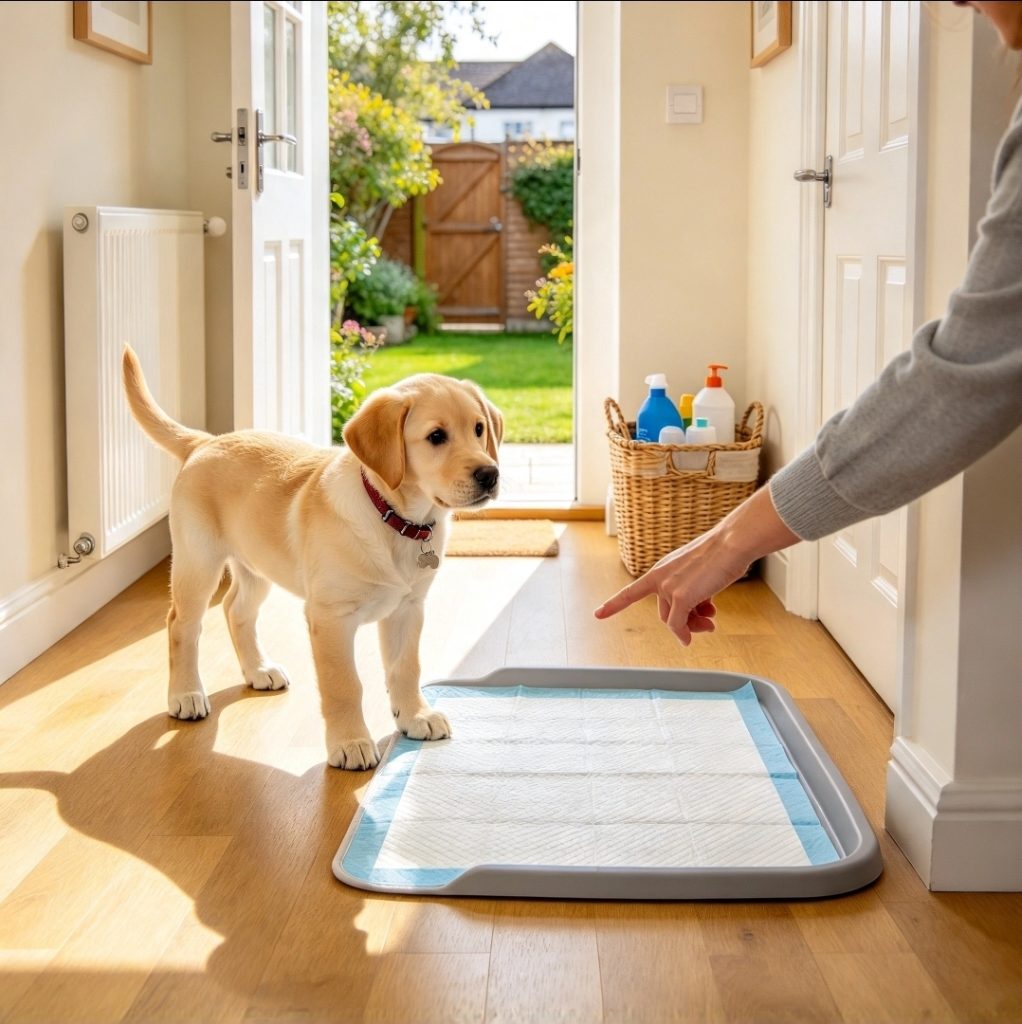
How Do I Teach My Dog Where to Toilet?
How do I teach my dog where to toilet? The most effective way is to establish a consistent toilet routine, take your dog to the same designated area, supervise them closely and reward them immediately when they toilet in the correct place. Dogs learn through repetition and clear associations, so the aim is to make the expected location predictable and the correct behaviour rewarding. Whether you are toilet training a puppy or helping an older dog develop better habits, consistency, timing and patience are essential.
RECOMMENDED PRODUCTS

How Do Dogs Learn Where to Toilet?
Dogs learn where to toilet through repeated experiences. When you regularly take your dog to the same suitable location and reward them for toileting there, they begin to associate that place with the behaviour.
However, dogs do not automatically understand the difference between an acceptable toilet area and your carpet, flooring or garden furniture. You need to establish that distinction through consistent guidance.
Three things are particularly important:
- Routine: Give your dog regular opportunities to toilet at predictable times.
- Supervision: Watch for signs that your dog needs to go and respond promptly.
- Reward: Reinforce the correct behaviour immediately after your dog finishes toileting.
Avoid expecting your dog to understand a rule that has not been consistently taught. Your responsibility is to make the correct choice clear and provide enough opportunities for your dog to succeed.
How Do I Choose the Right Toilet Area?
Choose a suitable, accessible outdoor location where your dog can toilet safely without unnecessary distractions. Where possible, use the same general area each time.
A familiar location can help your dog recognise the purpose of the outing. Give them enough time to sniff, investigate and settle rather than rushing them through the process.
Keep the area as consistent as practical while remaining flexible when circumstances require it. Your dog should gradually learn the toilet routine rather than becoming dependent on one exact patch of ground.
If your dog is not fully vaccinated, ask your vet which outdoor areas are appropriate for them to use.
How Do I Establish a Toilet Routine?
A predictable routine helps you anticipate when your dog is likely to need the toilet. This reduces accidents and gives your dog repeated opportunities to practise the correct behaviour.
Take Your Dog Out at Key Times
Offer your dog a toilet opportunity:
- Immediately after waking up.
- After meals and drinking.
- After play, exercise or training.
- After periods of excitement.
- Before bedtime.
- Whenever they show signs of needing to go.
Young puppies generally need more frequent opportunities than adult dogs because their bladder control is still developing. Individual needs vary, so pay attention to your dog’s age, routine and behaviour.
If your dog does not toilet when you first go outside, remain patient. Return indoors, supervise closely and try again shortly afterwards rather than assuming they no longer need to go.
Keep a Record of Your Dog’s Habits
During the early stages, pay attention to when your dog eats, drinks, sleeps, plays and toilets.
You may begin to recognise a pattern that helps you predict when the next toilet break is needed. Use this information to adjust your routine instead of waiting for accidents to happen.
Consistency helps both you and your dog understand what to expect throughout the day.
How Do I Reward My Dog for Toileting in the Correct Place?
Rewarding the correct behaviour helps your dog understand which action you want them to repeat.
When your dog finishes toileting in the designated area, immediately offer calm praise or another suitable reward. The timing matters because the reward should be associated with toileting in that location.
Avoid distracting your dog before they have finished. Give them time to complete the behaviour, then reward them promptly.
Repeat this process consistently. Over time, your dog can develop a stronger association between the location, the act of toileting and the positive outcome.
Should I Use a Toilet Cue?
You can introduce a consistent verbal cue, such as “go toilet”, while your dog is beginning to toilet naturally.
Say the cue calmly and avoid repeating it continuously. Once your dog has finished, reward them.
With repetition, your dog may learn to associate the words with the behaviour. Introduce the cue gradually and do not expect it to make your dog toilet when they do not need to go.
The cue should support an established routine rather than replace supervision and appropriate timing.
How Do I Stop My Dog Toileting Indoors?
The most effective way to reduce indoor accidents is to prevent them where possible, recognise your dog’s signals and provide more timely toilet opportunities.
Supervise Your Dog Closely
During toilet training, keep your dog within sight whenever practical. Watch for behaviours such as:
- Sniffing the floor repeatedly.
- Circling or moving restlessly.
- Wandering away from people.
- Suddenly stopping play.
- Returning to a place where they have previously toileted.
These behaviours can indicate that your dog needs to go, although every dog is different.
If you notice possible toilet signals, take your dog to the designated area promptly.
Manage Access to the House
While your dog is learning, avoid giving them unrestricted access to every room if you cannot supervise them.
Use suitable, safe boundaries to keep your dog in an area where you can observe their behaviour. Ensure they have appropriate access to water, rest, interaction and regular toilet breaks.
As your dog becomes more reliable, gradually increase their freedom while continuing to monitor progress.
Clean Accidents Thoroughly
If your dog toilets indoors, clean the area thoroughly with an appropriate cleaner designed to remove pet odours. Lingering smells can encourage some dogs to revisit the same location.
Review what happened before the accident. Perhaps your dog had just woken up, had been playing, or had gone too long without a toilet opportunity.
Use this information to improve the routine rather than simply reacting after the event.
What Should I Do If My Dog Toilets in the Wrong Place?
If you discover an accident after it has happened, remain calm and clean it up. Your dog is unlikely to understand punishment delivered after the event.
If you catch your dog beginning to toilet indoors, calmly guide them towards the appropriate area if you can do so without frightening or confusing them. If they finish in the correct place, reward them.
Never shout at, hit or intimidate your dog for toileting indoors. Punishment can make dogs anxious about toileting in front of people and may cause them to hide when they need to go.
Focus instead on improving supervision, recognising signals and providing more opportunities to toilet in the correct location.
How Do I Teach an Older Dog Where to Toilet?
The same basic principles apply when teaching an older dog where to toilet: establish a routine, choose a consistent location, supervise and reward the correct behaviour.
However, consider whether your dog has previously been toilet trained and whether something has changed.
Moving home, changes in routine, stress or unfamiliar surroundings can affect toileting habits. An older dog may need time to learn the expectations in a new environment.
Start by offering frequent opportunities and rewarding successful toileting. Gradually adjust the routine as your dog becomes more reliable.
If a previously toilet-trained dog suddenly begins having accidents, urinates more frequently or appears uncomfortable, consult your vet. Medical problems can cause changes in toileting behaviour, and these should not automatically be treated as a training issue.
How Do I Teach My Dog to Toilet on Walks?
Some dogs become distracted outdoors and struggle to toilet because they are focused on smells, people, other dogs or movement.
Choose a suitable, relatively quiet area and give your dog time to investigate. Keep the outing calm until they have had an opportunity to toilet.
Once they have finished, reward them and continue with the walk or another appropriate activity.
If your dog repeatedly becomes distracted before toileting, return to a quieter location or allow more time. Avoid rushing or repeatedly commanding them to go.
With a consistent routine, your dog can learn that outdoor toilet opportunities are part of everyday life.
RECOMMENDED PRODUCTS
How Long Does It Take to Teach a Dog Where to Toilet?
The time required depends on your dog’s age, previous training, health, environment and consistency of routine.
A young puppy may need frequent breaks and considerable supervision. An older dog learning new household expectations may need repeated practice before becoming reliable.
Look for gradual improvements, such as fewer accidents, more consistent toileting in the designated area and recognisable signals when your dog needs to go.
If progress stalls, review the routine, supervision and timing. Make it easier for your dog to succeed rather than expecting them to learn through repeated mistakes.
How Do I Teach My Dog Where to Toilet Consistently?
How do I teach my dog where to toilet so the behaviour becomes reliable? Focus on making the correct behaviour easy to practise and rewarding it consistently.
Take your dog to a suitable location at regular intervals, supervise them closely, watch for signals and reward successful toileting immediately. Keep household expectations consistent and respond calmly to accidents.
Remember that toileting is a natural behaviour. Your dog needs time, suitable opportunities and clear guidance to learn where it is appropriate.
Consistency builds understanding. When you establish a predictable routine and reward the behaviour you want to see, you help your dog develop reliable toilet habits that can continue throughout their life.



