How Do I Introduce My Dog to Another Dog?
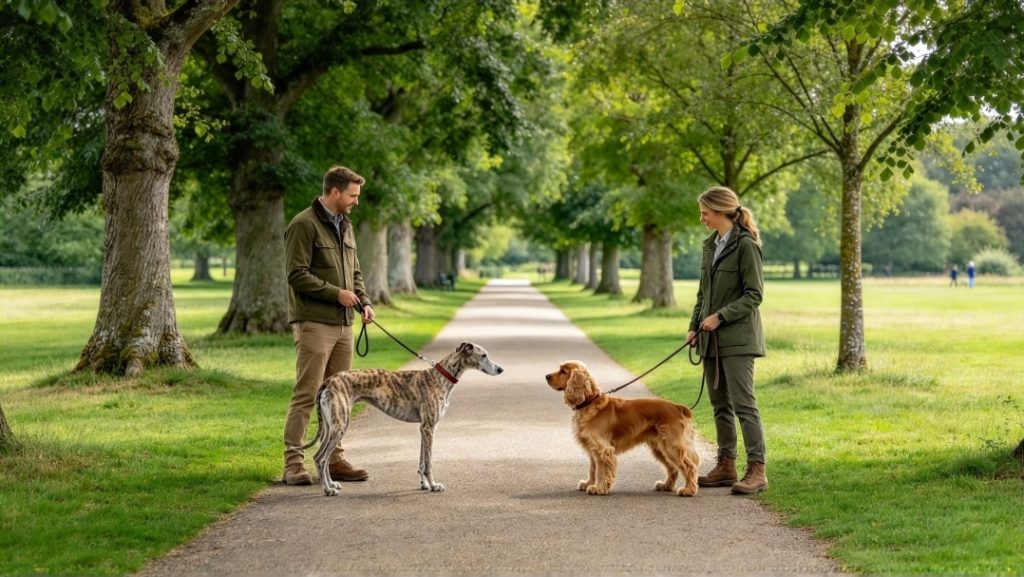
How do I introduce my dog to another dog? The safest approach is to make the introduction gradual, controlled and based on both dogs’ behaviour rather than simply allowing them to meet face-to-face immediately. Give the dogs enough space to observe each other, reward calm behaviour, and only reduce the distance when both dogs remain comfortable.
RECOMMENDED PRODUCTS

Choose the Right Dogs and Environment
The dogs should be suitable for an introduction. Consider their size, age, temperament, health, previous experience with other dogs and current level of excitement.
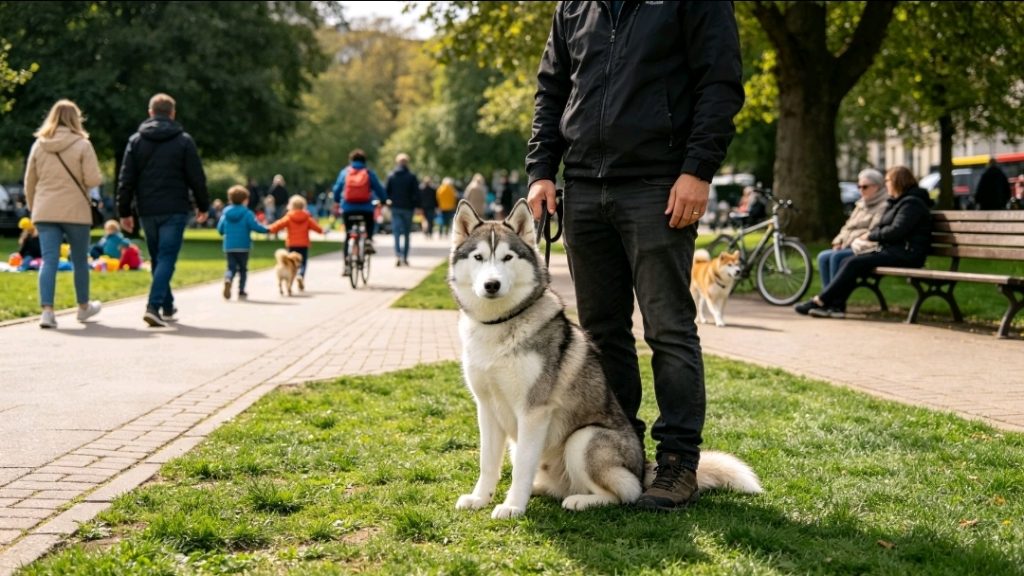
Choose a quiet, neutral or familiar outdoor area with enough space to move away if either dog becomes uncomfortable. Avoid crowded areas where there are lots of people, dogs and other distractions.
If either dog has a history of serious aggression, biting or unpredictable behaviour around dogs, seek professional help before attempting an introduction.
Start at a Distance
Begin far enough apart that both dogs can notice each other without becoming overwhelmed.
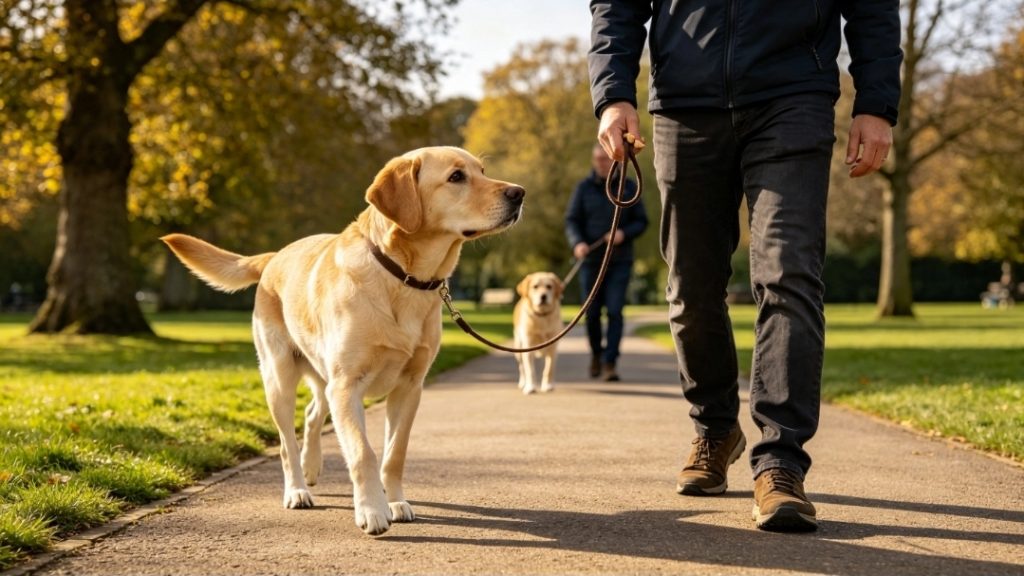
Allow each dog to look at the other while maintaining control of the situation. Do not immediately walk directly towards each other.
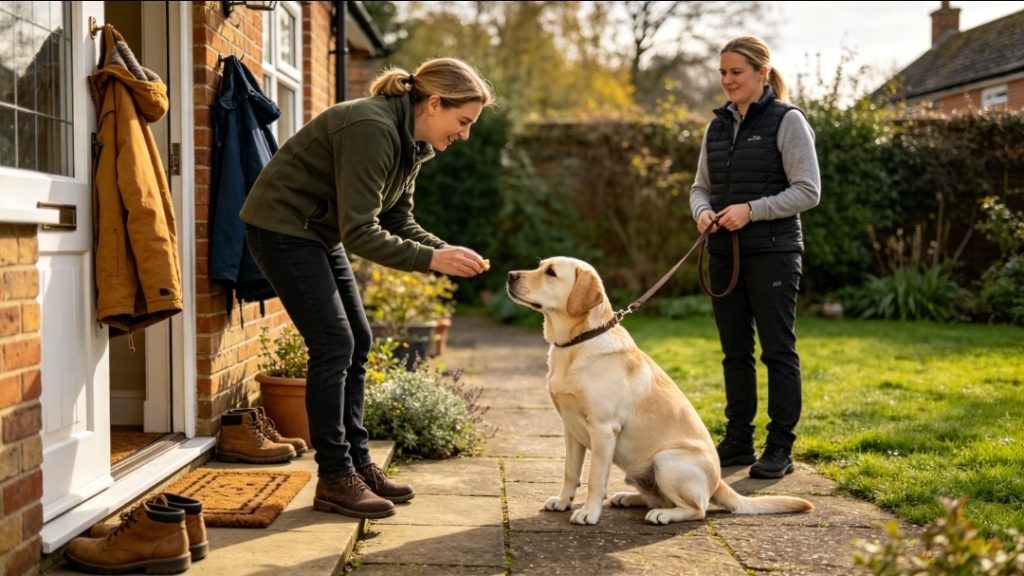
Reward calm behaviour with food, praise or another suitable reward. The aim is to teach the dog that calmly noticing another dog is a positive experience.
If either dog becomes tense, frightened, highly excited or difficult to control, increase the distance rather than forcing the interaction.
Gradually Reduce the Distance
Once both dogs can remain calm while seeing each other, gradually reduce the distance.
Move slowly and continue watching their body language. You should be able to increase or decrease the distance depending on how each dog responds.
There is no need to rush towards a direct greeting. A successful introduction is based on both dogs remaining comfortable throughout the process.
Allow an Appropriate Greeting
When both dogs are calm enough to approach, allow them to investigate each other without forcing them into a face-to-face position.
Keep the initial interaction short and give both dogs the opportunity to move away. Avoid holding the lead tight and pulling the dogs towards each other.
A brief sniff and calm separation can be a better introduction than allowing the dogs to become overly excited.
Watch the Dogs’ Body Language
Pay attention to what both dogs are communicating throughout the introduction.
Relaxed movement, normal investigation, the ability to disengage and responding to the handler are useful signs that the interaction is being managed appropriately.
Signs that you should create more distance can include freezing, trying to escape, excessive staring, barking, lunging, repeated snapping or rapidly increasing excitement.
If either dog becomes uncomfortable, calmly separate them and allow them to recover before deciding whether to continue.
Reward Calm Behaviour
Reward the behaviour you want throughout the introduction.
If your dog looks at the other dog and remains calm, reward that response. If your dog approaches appropriately and can disengage when asked, reward that as well.
The timing of the reward matters. Reward the behaviour you actually want to reinforce rather than rewarding the dog after its excitement has already escalated.
What Equipment Should I Use?
Use equipment that gives you appropriate control without creating unnecessary pressure.
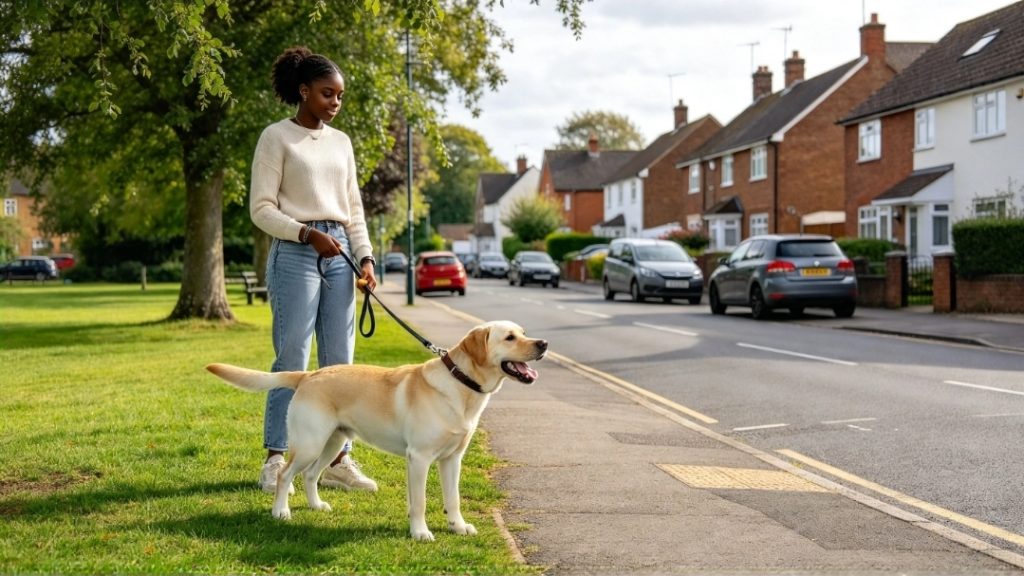
A well-fitted harness or collar with a suitable lead is normally appropriate for a controlled introduction. A short line can provide closer control when needed, while a long line may be useful later in a secure area once the dogs are comfortable.
Do not use equipment to force an interaction. The equipment should help you manage distance and safety while the dogs learn how to behave appropriately around each other.
A muzzle should not be treated as normal equipment for introducing dogs. If a muzzle is genuinely required because of a bite or safety risk, it should be introduced properly before the interaction and the introduction should be professionally managed.
What If My Dog Gets Too Excited?
If your dog becomes highly excited when it sees the other dog, do not keep moving closer.
Create more distance and wait for your dog to become calmer. Reward calm behaviour and only attempt to reduce the distance again when your dog can cope.
If your dog repeatedly becomes overexcited, the priority should be teaching calm behaviour around other dogs rather than repeatedly allowing greetings.
RECOMMENDED PRODUCTS
What If My Dog Is Nervous?
Do not force a nervous dog to approach another dog.
Increase the distance and allow your dog to observe from a position where it feels more comfortable. Reward calm behaviour and gradually build confidence through controlled exposure.
If your dog continues to show significant fear, avoidance or defensive behaviour, seek help from a qualified professional dog trainer or behaviour professional.
Does My Dog Need to Play With the Other Dog?
No. A successful introduction does not require the dogs to play.
Your dog can learn valuable social skills by calmly seeing another dog, approaching appropriately, investigating briefly, disengaging and continuing with you.
The objective is not to make every dog interaction exciting. It is to teach your dog how to behave appropriately around other dogs.
Common Mistakes to Avoid
Avoid rushing the introduction, forcing the dogs together or allowing uncontrolled interactions.
Do not assume that two friendly dogs will automatically get along. Do not ignore signs that either dog wants more space, and do not continue an interaction simply because the dogs have already approached each other.
A controlled introduction gives you the opportunity to respond to the dogs’ behaviour before a problem develops.
What If the Introduction Does Not Go Well?
If either dog becomes aggressive, extremely fearful or impossible to control, separate them safely and do not continue trying to make them interact.
Give both dogs time to recover and reassess the situation. The next introduction may need more distance, fewer distractions, shorter sessions or professional guidance.
The goal is not to make every dog become friends. The goal is to create safe, appropriate behaviour around another dog.
RECOMMENDED PRODUCTS
Conclusion
Introducing your dog to another dog should be gradual, controlled and based on the behaviour of both dogs. Start at a comfortable distance, reward calm behaviour, reduce the distance slowly and allow only appropriate interaction when both dogs are ready.
A successful introduction is not measured by how quickly the dogs play together. It is measured by whether both dogs can remain comfortable, respond appropriately and safely disengage from the interaction.