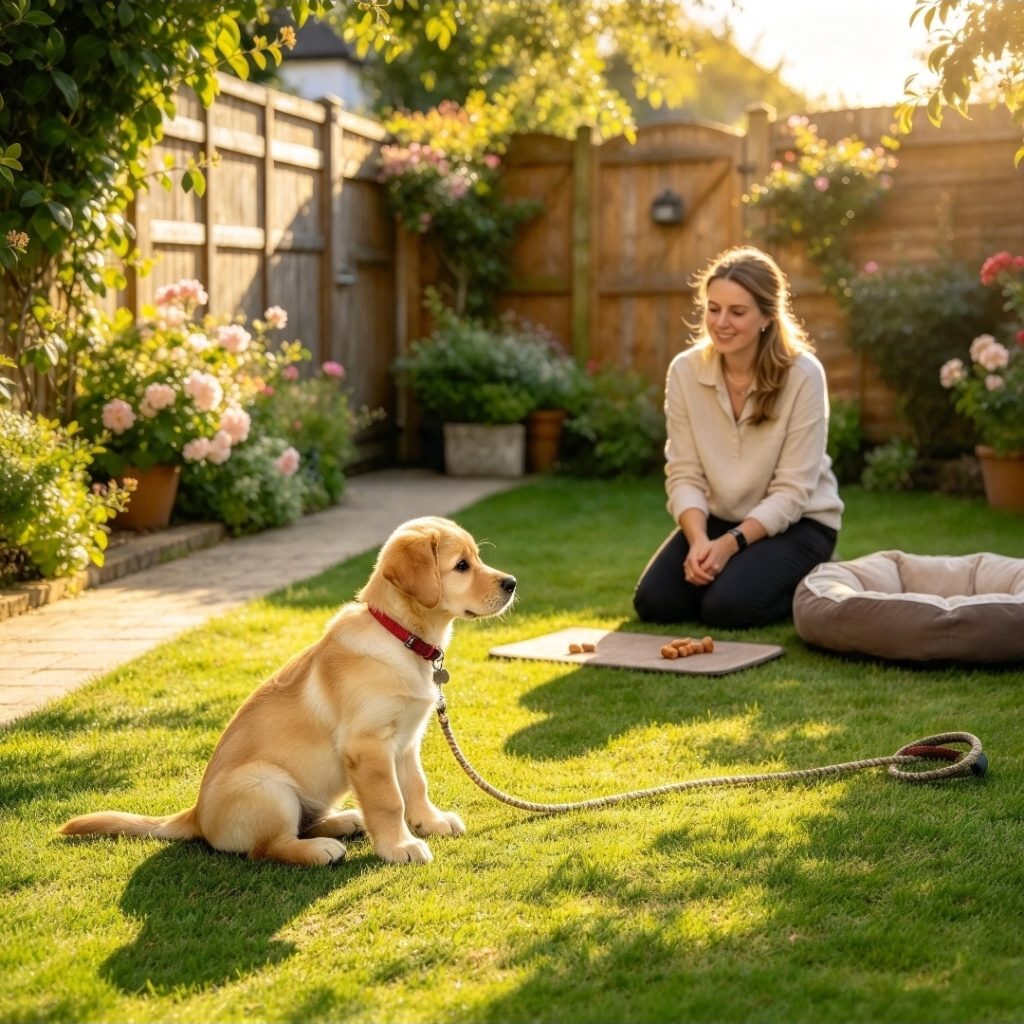
How Do I Help a Fearful Dog?
How do I help a fearful dog? The most effective approach is to identify what is causing the fear, recognise your dog’s body language, create a safe environment and gradually build confidence through calm, positive experiences. Avoid forcing your dog to face frightening situations or punishing fearful behaviour. Instead, give your dog space, reduce pressure and help them learn that they can explore, observe and respond to unfamiliar experiences at a pace they can manage.
RECOMMENDED PRODUCTS

Why Is My Dog Fearful?
Fear can develop for several reasons, including unfamiliar experiences, limited early socialisation, frightening events, changes in the environment or previous negative experiences. Some dogs are naturally more cautious than others.
Your dog may be frightened by unfamiliar people, other dogs, loud noises, handling, new environments or being left alone. Different triggers require different approaches, so identifying what happens immediately before the fear response is important.
Observe the situation carefully. Does your dog become worried when someone approaches, when a noise occurs or when they enter a particular place? Does the behaviour happen suddenly, or has it developed gradually?
Understanding the trigger helps you decide how to manage the environment and introduce experiences more carefully.
Fear is not disobedience. A fearful dog may struggle to respond to familiar cues because they are focused on something they perceive as threatening. Your priority should be helping your dog feel safe enough to learn.
How Do I Recognise Fear in My Dog?
Learning how do I help a fearful dog begins with understanding the signs that your dog is uncomfortable. Dogs communicate through their posture, facial expressions, movements and behaviour. Some signs are subtle, so look at the whole body rather than relying on one signal. guidance also recommends watching for changes in body language and behaviour. .
Common Signs of Fear
A fearful dog may:
- Lower their head or body.
- Tuck their tail between their legs.
- Hold their ears back.
- Avoid eye contact or turn their head away.
- Lick their lips or yawn repeatedly when uncomfortable.
- Tremble, pant or pace.
- Hide behind furniture or attempt to escape.
- Refuse to approach a person or object.
- Become unusually still or freeze.
- Growl, bark, snap or attempt to bite when they feel threatened.
A wagging tail does not automatically mean a dog is happy. Consider the dog’s overall posture, facial expression and the situation.
If your dog turns away, retreats or tries to hide, respect that communication. Do not insist on interaction simply because your dog has not growled or attempted to escape.
How Do I Help a Fearful Dog Feel Safe?
The first priority is to reduce the pressure your dog is experiencing. A dog that feels trapped or overwhelmed is unlikely to learn effectively.
Give Your Dog Space
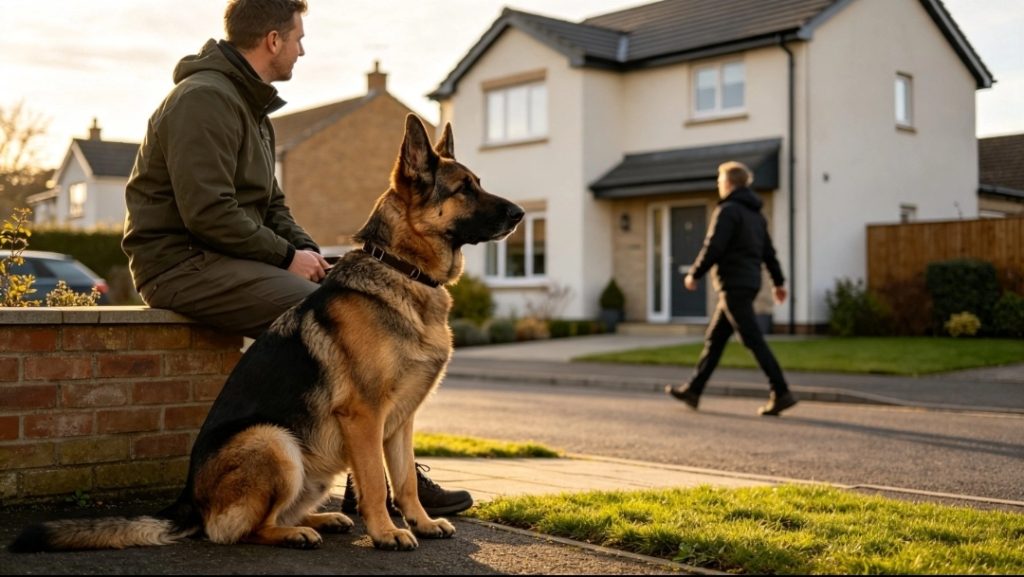
Allow your dog to move away from something that frightens them whenever it is safe to do so. Avoid cornering them, leaning over them or forcing them to approach unfamiliar people, dogs or objects.
If your dog is frightened by visitors, provide a quiet area where they can retreat without being followed. If another dog causes fear, increase the distance between them rather than insisting on a greeting.
Space gives your dog the opportunity to recover and helps prevent fear from escalating.
Create a Safe Resting Area
Provide a comfortable, quiet place where your dog can rest without being disturbed. Make sure everyone in the household understands that this area is for relaxation and that your dog should be allowed to leave it when appropriate.
Never use a resting area as punishment or force your dog to remain somewhere that makes them uncomfortable.
A predictable environment, consistent routines and respectful handling can help your dog feel more secure.
Remain Calm and Consistent
Use calm movements and a steady voice. Avoid shouting, sudden gestures or repeatedly demanding that your dog approach something frightening.
Your response should reduce pressure rather than add to it. If your dog is struggling, make the situation easier by increasing distance, reducing noise or ending the interaction.
How Do I Build My Fearful Dog’s Confidence?
Building confidence requires gradual learning. The aim is not to make your dog tolerate everything immediately, but to help them feel increasingly comfortable in situations they previously found difficult.
Start With Manageable Experiences
Identify a version of the situation your dog can cope with. For example, if your dog is frightened of unfamiliar people, begin at a distance where they can notice someone without panicking or attempting to escape.
Allow your dog to observe without pressure. Reward calm engagement when appropriate, and give them the freedom to move away.
If your dog becomes tense, freezes, hides or tries to escape, increase the distance or stop the exercise. The situation may be too difficult at that stage.
Progress Gradually
Once your dog is comfortable at the current level, make only a small change. This could mean spending a little longer observing from a safe distance or practising in a slightly different environment.
Do not increase the difficulty simply because a certain amount of time has passed. Base progress on your dog’s behaviour.
For example, if your dog can calmly observe a person from across a quiet space, you might practise again on another occasion before attempting a closer distance.
Small, successful experiences are more useful than overwhelming encounters.
Use Rewards to Build Positive Associations
When your dog notices something that worries them but remains comfortable enough to engage, you can pair the experience with something positive, such as a suitable food reward.
The aim is to help your dog form a more positive association with the trigger without luring them closer than they want to go.
If your dog is too frightened to eat, engage or move comfortably, do not keep presenting rewards while maintaining the same pressure. Increase the distance or end the session.
Reward-based learning works best when your dog is able to cope with the situation.
How Do I Help a Fearful Dog Around Strangers?
Fear of unfamiliar people can cause a dog to hide, bark, retreat or become defensive. The correct response is to give the dog choice and avoid forcing contact.
Ask visitors to ignore your dog initially. They should avoid staring, reaching out, leaning over the dog or approaching directly.
Allow your dog to observe from a comfortable distance. If they choose to approach, let them do so at their own pace. Approaching to sniff does not automatically mean they want to be touched.
Reward relaxed behaviour where appropriate, but do not use food to persuade your dog into a situation they are trying to avoid.
If your dog retreats, allow them to leave. Do not follow them or ask visitors to approach again immediately.
With repeated, manageable experiences, some dogs gradually become more comfortable around unfamiliar people. Others may always prefer limited interaction, and that preference should be respected.
How Do I Help a Fearful Dog Around Other Dogs?
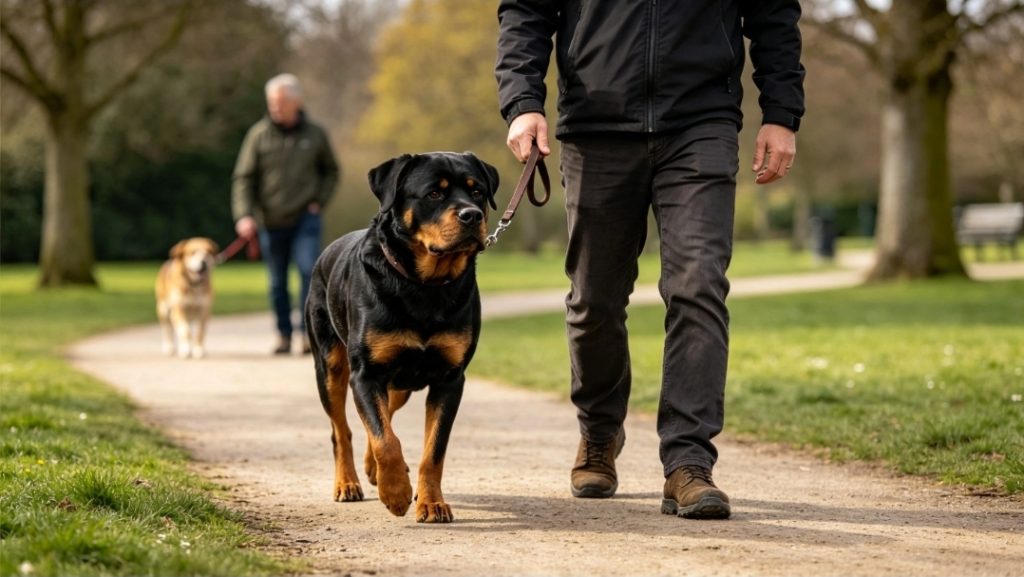
If your dog is frightened of other dogs, avoid crowded dog areas and uncontrolled greetings while you work on the problem.
Begin at a distance where your dog can see another dog without becoming overwhelmed. Observe their body language and reward calm responses when they are comfortable enough to engage.
If your dog begins staring intensely, pulling away, barking, freezing or attempting to escape, increase the distance.
Do not force face-to-face greetings or assume that close contact is necessary for confidence. Your dog can learn to feel safer around other dogs without having to interact with every dog they encounter.
Choose calm, controlled environments and progress gradually. If the fear is intense or accompanied by lunging, snapping or biting, prioritise safe management and seek an individual behavioural assessment.
How Do I Help a Fearful Dog With Loud Noises?
Some dogs become frightened by fireworks, thunder, traffic, household appliances or other sudden sounds.
When your dog is frightened by noise, provide access to a quiet, secure place where they can hide or rest. Close windows or curtains if this reduces the sound or visual stimulation, and remain calm.
Do not drag your dog out of their hiding place or force them to remain near the noise. Allow them to seek comfort in a safe location.
For longer-term improvement, sounds may sometimes be introduced gradually at a low intensity and paired with positive experiences. The sound must remain at a level your dog can comfortably tolerate. Increasing the volume too quickly can make the fear worse.
For severe noise fear, speak to your vet about an appropriate plan. Your dog may need additional support to manage the distress.
Should I Comfort a Fearful Dog?
You can calmly reassure a fearful dog and provide comfort if they seek your company. You do not need to ignore your dog or leave them distressed to avoid reinforcing fear.
What matters is avoiding actions that increase pressure. Do not force handling, repeatedly expose your dog to the trigger or insist that they remain in a frightening situation.
Allow your dog to choose whether to approach you, rest nearby or move to a safe place.
Watch their response. If they relax in your presence, remain calm and supportive. If they want space, respect that choice.
What Should I Avoid When Helping a Fearful Dog?
Avoid methods that frighten, intimidate or overwhelm your dog. Punishing fearful behaviour may increase anxiety and can suppress warning signals without resolving the underlying fear.
Do not:
- Force your dog to approach something frightening.
- Hold your dog in place while a person or dog approaches.
- Punish growling, barking or attempts to retreat.
- Allow strangers to touch your dog without clear signs of comfort.
- Assume repeated exposure will automatically make your dog less fearful.
- Move closer to a trigger when your dog is already distressed.
- Expect immediate progress after one successful experience.
Instead, identify the trigger, create distance, allow recovery and make future training easier.
If your dog growls, snaps or shows other signs of defensive behaviour, take the warning seriously. Avoid confrontation and prevent situations in which someone could be bitten.
How Long Does It Take to Help a Fearful Dog?
There is no fixed timeframe. Progress depends on the cause of the fear, your dog’s previous experiences, the intensity of the trigger and how consistently you can provide safe, manageable experiences.
Some dogs become more comfortable with particular situations relatively quickly. Others need a longer period of careful management and gradual training.
Look for small improvements, such as recovering more quickly, choosing to investigate from a distance, accepting the presence of a familiar person or remaining relaxed for longer.
Setbacks can happen. If your dog becomes more fearful, return to an easier stage rather than trying to push through.
If your dog’s fear appears suddenly, worsens significantly or affects everyday life, arrange a veterinary check. Pain or other medical problems can contribute to changes in behaviour. Your vet can advise whether further behavioural support is needed.
RECOMMENDED PRODUCTS
How Do I Help a Fearful Dog in Everyday Life?
How do I help a fearful dog become more confident over time? Build a routine that helps your dog feel safe while giving them manageable opportunities to learn.
Observe your dog’s body language, identify the situations that cause fear, reduce unnecessary pressure and reward comfortable responses. Introduce new experiences gradually, respect your dog’s need for distance and adjust the difficulty according to their behaviour.
Do not measure success by how close your dog can get to a frightening object or how much contact they tolerate. Measure it by whether they are becoming more comfortable, recovering more easily and making choices without feeling trapped.
A fearful dog needs safety, understanding and time to learn. By respecting your dog’s communication, building positive associations and progressing at a manageable pace, you can help them develop confidence without forcing them beyond what they can cope with.