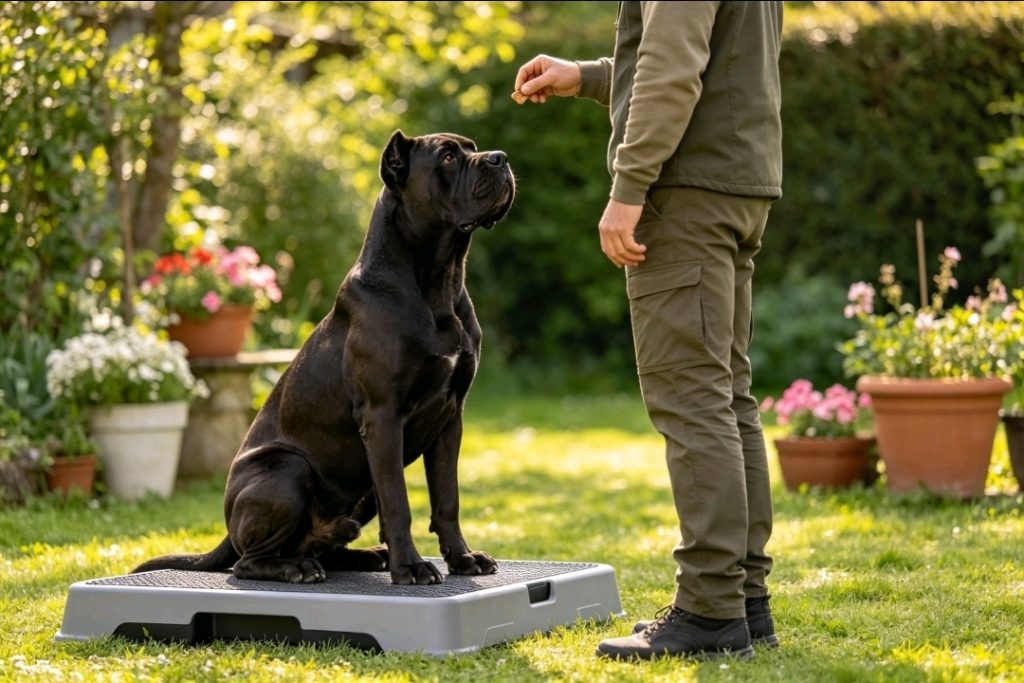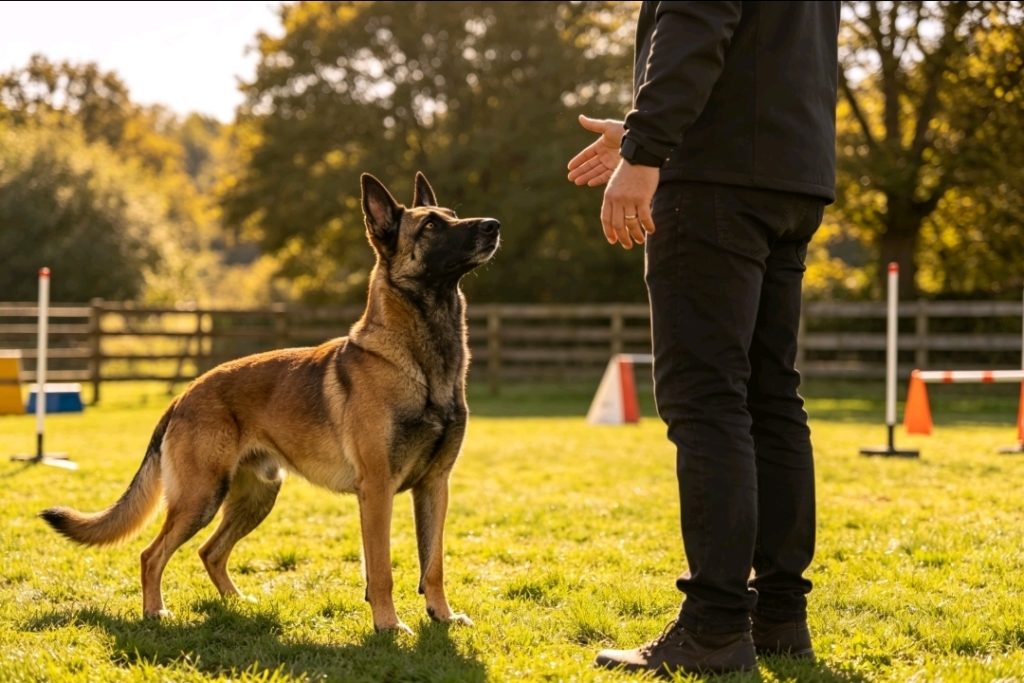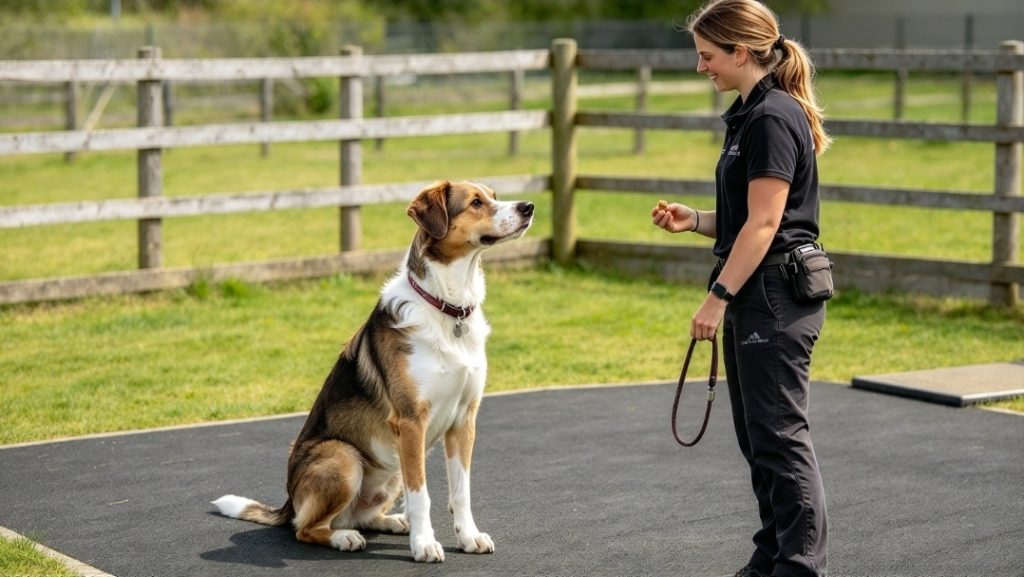
What Is Food Drive in Dog Training?
What Is Food Drive in Dog Training? is an important question because food drive and food motivation are often treated as though they mean exactly the same thing. A dog may show a strong interest in food, become highly focused when food is available or work persistently for a reward, but the way that interest appears can vary between dogs and situations. Problems can occur when a handler assumes that a dog with strong food interest will automatically perform every exercise correctly, or when food is presented in a way that creates excessive excitement, distraction or dependence on the reward. Understanding food drive requires the handler to look beyond simply whether a dog likes food and consider engagement, behaviour, timing, environment and the structure of the training exercise.
RECOMMENDED PRODUCTS
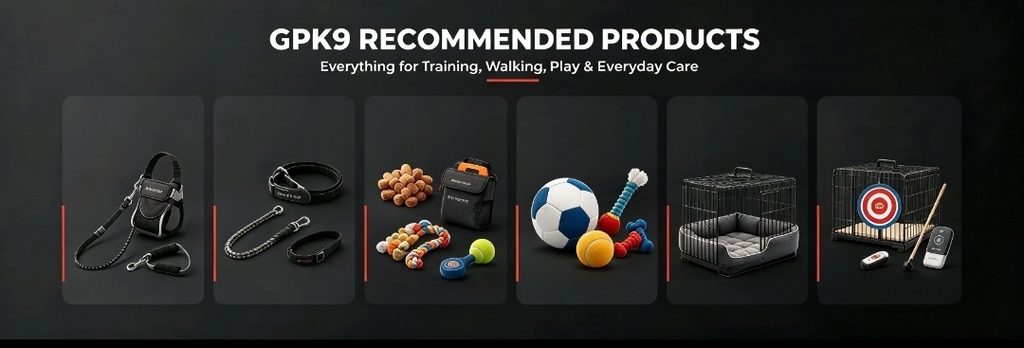
Training treats — Training Treats
Appropriately sized training treats can provide a practical food reward during structured exercises where food is suitable for the training objective.
Common Problems
One common problem is assuming that a dog with strong food drive will automatically be easy to train.
Interest in food can create engagement, but it does not by itself teach the dog what behaviour is required.
A dog may be highly interested in the reward while still failing to understand the exercise.
Another problem occurs when the dog’s interest in food becomes so strong that the reward interferes with the training.
The dog may stare at the handler’s hand, jump towards the food, move ahead of the handler or ignore other parts of the exercise.
Common Issues
Food drive can also vary according to circumstances.
A dog may be highly interested in food in a quiet environment but become less focused when exposed to unfamiliar surroundings, movement, sounds or other distractions.
The handler may incorrectly assume that the dog has suddenly lost its food drive when the environment has actually changed the dog’s level of engagement.
Another issue is the type and presentation of food.
Different foods can produce different levels of interest, and the way food is presented can influence the dog’s behaviour during training.
Common Mistakes
A common mistake is confusing food drive with simply following a treat.
A dog following food held directly in front of its nose is not necessarily demonstrating that it understands the training exercise.
Another mistake is allowing the dog to anticipate food before every repetition.
The dog may become focused on the appearance of the reward rather than the behaviour that is required to earn it.
Handlers can also make the mistake of increasing difficulty too quickly because the dog appears highly motivated by food.
Motivation does not automatically mean that the dog is ready for greater distractions or more complicated exercises.
Frustration
Strong interest in food can sometimes create frustration for the handler when the dog becomes overly focused on obtaining the reward.
The handler may attempt to control the behaviour by repeatedly moving the food, changing position or increasing the frequency of rewards.
The dog may respond by becoming more active rather than more focused.
Frustration can also occur when the handler expects food drive to compensate for unclear communication or poor training structure.
Timing
Timing is particularly important when working with food drive.
The handler needs to recognise the behaviour being developed and deliver the reward at the appropriate moment.
If the reward is delivered before the desired behaviour occurs, the dog may learn to anticipate the food rather than complete the exercise.
If the reward arrives too late, another behaviour may occur before the dog receives it.
The stronger the dog’s interest in food, the more important it can be for the handler to remain precise about when the reward is delivered.
Misunderstanding and Miscommunication
Food drive can be misunderstood when the handler focuses entirely on the reward rather than the behaviour.
The purpose of using food is not simply to make the dog follow a hand containing food. The handler needs to establish a clear connection between the dog’s behaviour and the consequence that follows.
Miscommunication can also occur when different people handle food differently.
One person may reward calm, controlled behaviour while another person rewards jumping, pushing or excessive excitement.
This can create inconsistent expectations.
RECOMMENDED PRODUCTS
GPK9’S FIVE GOLDEN RULES
The GPK9 Five Golden Rules place food drive within the wider relationship between motivation, behaviour, communication and training structure.
What Is Food Drive in Dog Training? is therefore not simply a question of whether a dog wants food.
The important consideration is how that interest can be observed and used within a structured training system.
The Five Golden Rules connect food-based obedience with home structure, play, toilet routines and social walking.
Golden Rule One — Home and Social
Food drive develops within the wider environment in which the dog lives and trains.
Golden Rule One establishes the progression of crate → placemat → playpen.
The crate provides safety, reset and toilet support.
The placemat provides calm home freedom.
The playpen provides monitored freedom.
This structure gives the handler different levels of control and freedom while observing the dog’s behaviour.
It also helps prevent food-based training from becoming an uncontrolled activity throughout the home.
Golden Rule Two — Obedience
Golden Rule Two provides the main application of food drive within the GPK9 system.
GPK9 obedience training uses food and luring, together with praise, shaping and movement.
Food is hand-delivered as part of structured training rather than simply being provided while the dog moves around without purpose.
This gives the handler an opportunity to observe the dog’s level of food interest and use it within a clearly defined exercise.
The traffic-light approach supports progression:
- Green — progress and continue to monitor.
- Amber — observe and review.
- Red — stop and return to a more controlled stage.
Food drive can therefore be observed without allowing the reward itself to become the only focus of the training.
Golden Rule Three — Prey Drive and Play
Food drive is one form of motivation, while prey drive and play provide another area of engagement.
Golden Rule Three keeps structured play separate from obedience training and focuses on appropriate toy and tug activities in a quiet area.
This distinction allows the handler to observe whether the dog is becoming engaged through food, play or increased arousal without confusing the purpose of different training sessions.
Golden Rule Four — Toilet
Toilet training remains a separate part of the dog’s development.
Golden Rule Four focuses on the same place, the same time and a toilet command.
A consistent routine allows the handler to recognise predictable behaviour and establish clearer expectations.
Although food drive may be relevant to some aspects of training, toilet routines should remain structured around their specific purpose.
Golden Rule Five — Social Walking and Ignore the World
Food drive can also influence behaviour when the dog is exposed to distractions during walking.
Golden Rule Five focuses on a calm, relaxed and manageable walk, without making commands the central focus.
The handler observes how the dog responds to people, sounds, movement and the surrounding environment.
This provides an opportunity to understand whether food interest remains useful within the wider environment or whether environmental distractions are affecting the dog’s engagement.
Final Connection
What Is Food Drive in Dog Training? is ultimately about understanding the difference between a dog’s interest in food and the way that interest can be used within structured training.
Strong food drive does not automatically create obedience. The handler still needs clear communication, appropriate timing, consistency, suitable progression and an understanding of the dog’s behaviour.
The GPK9 Five Golden Rules connect these principles into one structured system.
Home and Social provides structure and controlled progression.
Obedience provides the main framework for food and luring.
Prey Drive and Play provides a separate area for motivation and engagement through play.
Toilet establishes consistency around an important daily routine.
Social Walking and Ignore the World develops calm and manageable behaviour around the wider environment.
Together, these principles place food drive within the wider GPK9 approach to dog training, where motivation is considered alongside communication, structure, timing and the relationship between dog and handler.