What Is Luring in Dog Training? How Luring Works
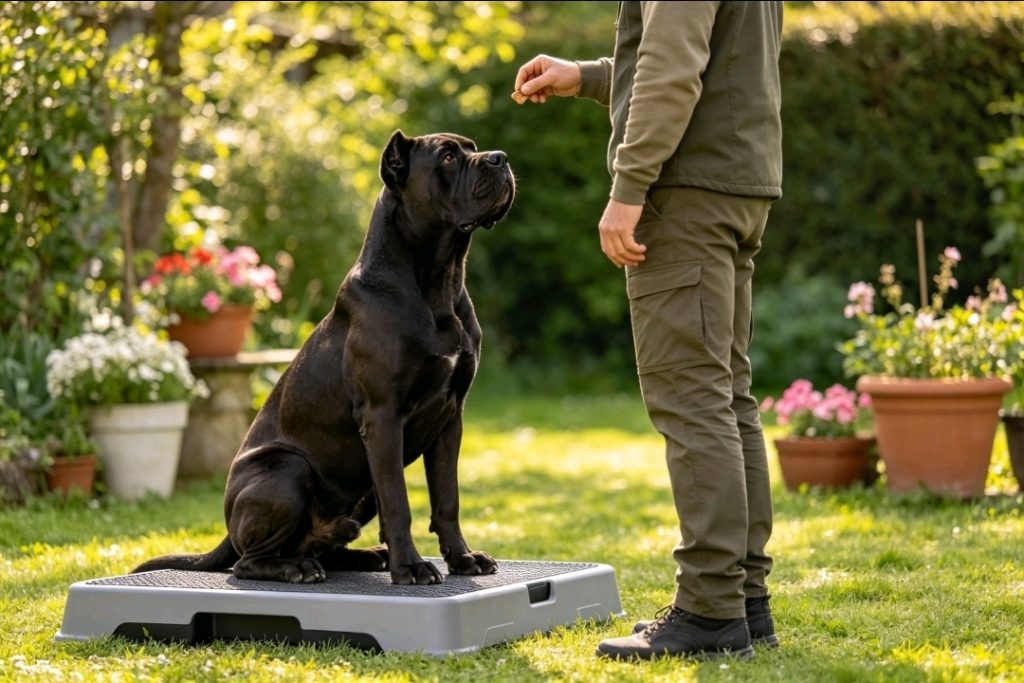
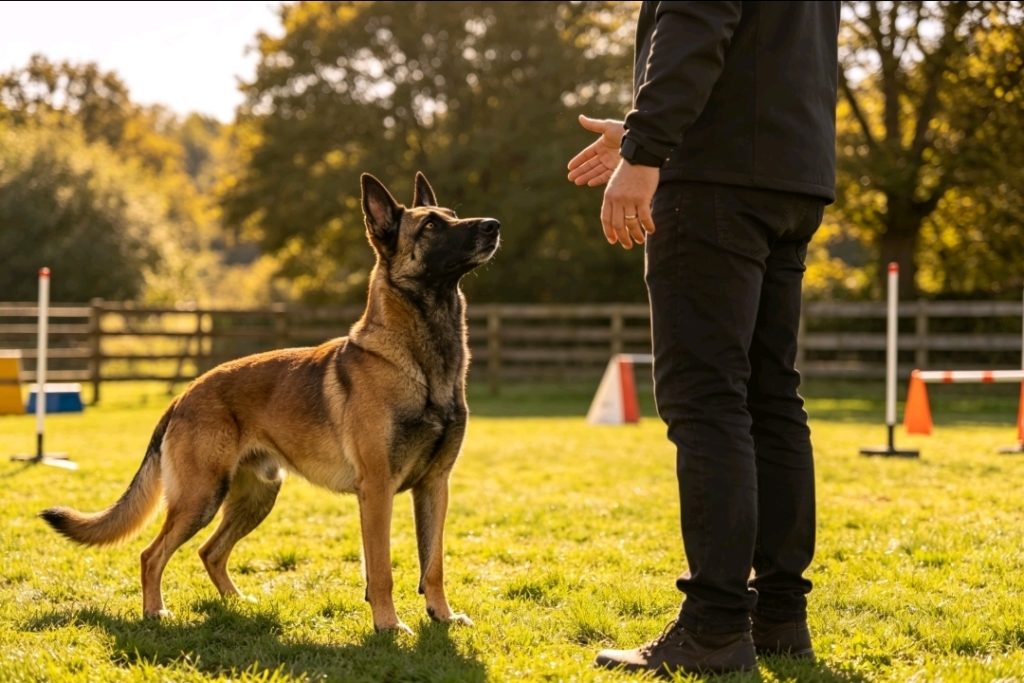
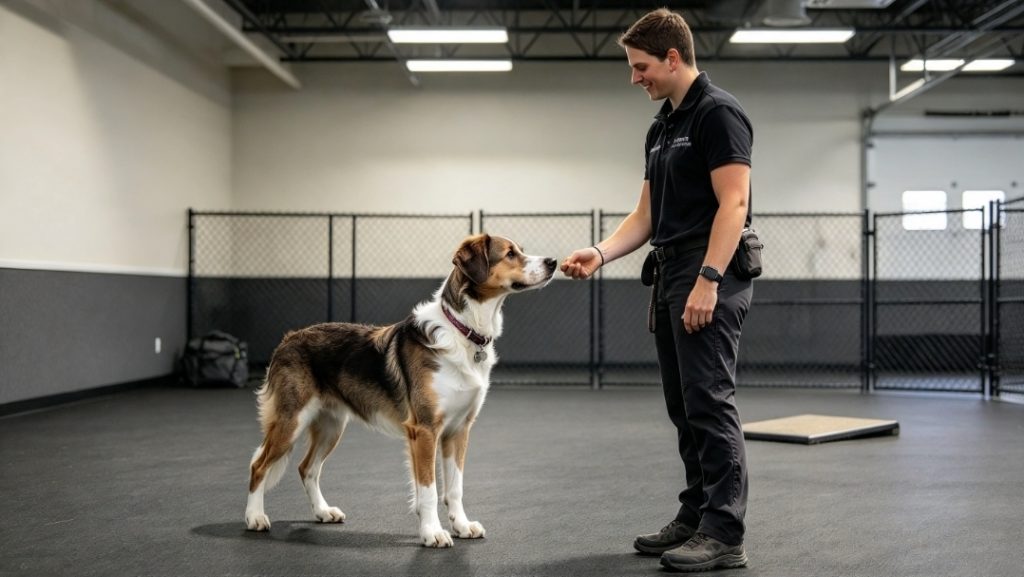
What Is Luring in Dog Training? How Luring Works is important to understand because luring is often mistaken for simply holding food in front of a dog and asking it to follow. When used without clear structure, the dog may become focused entirely on the food, move incorrectly, jump towards the handler’s hand or fail to understand the behaviour being developed. Handlers can also become dependent on keeping a treat visible throughout the exercise, making communication less clear when the reward is removed. Luring works by using a reward to guide the dog’s movement into a desired position or behaviour, but the effectiveness of the technique depends on appropriate positioning, timing, movement, consistency and progression.
RECOMMENDED PRODUCTS
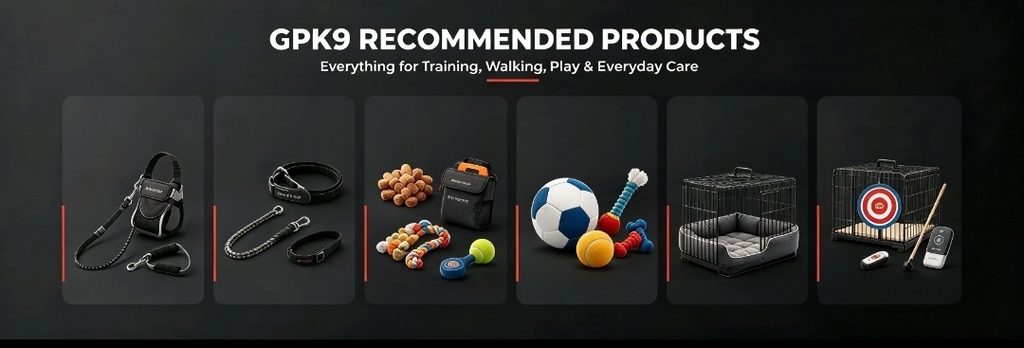
Training treats — Training Treats
Small, suitable training treats can be used as a lure during structured exercises where food is appropriate for the training objective.
Common Problems
One of the most common problems with luring is allowing the dog to become more interested in the food than the movement being taught.
If the treat is held too close to the dog’s nose or moved too quickly, the dog may chase the hand rather than calmly follow the intended movement.
This can result in jumping, pushing, grabbing or excessive excitement.
Another problem is moving the lure without understanding how the dog’s body will respond.
A small change in hand position can produce a significant change in the dog’s movement, balance and final position.
Common Issues
The position of the lure is important.
If the handler raises the hand too high, moves it too far away or changes direction abruptly, the dog may lose the intended movement.
The dog may sit when the handler intended a different movement, turn away, move backwards or become focused on obtaining the food rather than following the exercise.
Another issue occurs when the handler introduces too much movement too quickly.
The dog may understand a simple lure but struggle when several movements are combined.
Common Mistakes
A common mistake is keeping the food visible for too long.
The dog may learn to follow the hand containing food without developing a clear understanding of the movement or behaviour.
Another mistake is moving the hand too quickly.
Luring is intended to guide movement, not create unnecessary excitement.
Handlers can also make the mistake of using the same lure position for every exercise.
Different behaviours require different movements and positioning, so the handler needs to understand how the dog is responding rather than mechanically moving the hand.
Frustration
Luring can become frustrating when the dog repeatedly fails to reach the intended position.
The handler may move the treat further, increase the speed of the hand or repeat the exercise several times.
The dog may become increasingly focused on the reward while becoming less accurate in its movement.
Frustration can also occur when the handler expects the dog to understand a complete behaviour after only a small number of repetitions.
Timing
Timing is essential when using a lure.
The handler needs to recognise when the dog’s movement is developing in the intended direction and provide the reward at an appropriate moment.
If the food is delivered too early, the dog may stop before completing the intended movement.
If the reward arrives too late, the dog may have moved away from the desired position.
The timing between movement, behaviour and reward therefore affects what the dog learns from the exercise.
Misunderstanding and Miscommunication
Luring can be misunderstood when the handler believes that following the food automatically means the dog understands the exercise.
The dog may simply be following the immediate movement of the reward.
The handler therefore needs to observe the dog’s body position, direction, attention and response rather than concentrating only on whether the dog follows the treat.
Communication can also become unclear when the handler changes the movement or position of the lure without consistency.
RECOMMENDED PRODUCTS
A suitable treat pouch allows the handler to keep rewards accessible while keeping the training hand free to demonstrate controlled movement.
GPK9’S FIVE GOLDEN RULES
The GPK9 Five Golden Rules place luring within a wider structured training system.
What Is Luring in Dog Training? How Luring Works connects most directly to obedience, but effective luring also depends on the dog’s home structure, motivation, play, routines and ability to remain manageable around different environments.
The Five Golden Rules allow the handler to consider the complete training relationship rather than treating luring as an isolated technique.
Golden Rule One — Home and Social
Luring works most effectively when the dog already has an appropriate level of structure within the home.
Golden Rule One establishes the progression of crate → placemat → playpen.
The crate provides safety, reset and toilet support.
The placemat provides calm home freedom.
The playpen provides monitored freedom.
This progression gives the handler different levels of management and allows the dog’s behaviour to be observed before greater freedom is introduced.
Clear home structure can also reduce situations where the dog is constantly moving between activities while the handler is attempting to train.
Golden Rule Two — Obedience
Golden Rule Two provides the clearest connection to What Is Luring in Dog Training? How Luring Works.
GPK9 obedience training uses food and luring, together with praise, shaping and movement.
The lure can guide the dog’s movement during an exercise, while the handler observes the dog’s position, attention and response.
Food is hand-delivered as part of structured training rather than simply being provided while the dog moves around without purpose.
The objective is not simply to make the dog follow food. The handler is developing clearer communication through controlled movement, timing and repetition.
The traffic-light system provides a way to monitor progression:
- Green — progress and continue to monitor.
- Amber — observe and review.
- Red — stop and return to a more controlled stage.
Golden Rule Three — Prey Drive and Play
Luring and play can both create engagement, but they serve different purposes within the GPK9 system.
Golden Rule Three provides a separate area for prey drive and play using appropriate toy and tug activities.
Keeping play separate from obedience helps prevent high-energy interaction from becoming confused with the controlled movement required during luring exercises.
The handler can therefore observe the difference between food-guided movement and play-driven engagement.
Golden Rule Four — Toilet
Toilet training remains a separate part of the dog’s structured development.
Golden Rule Four focuses on the same place, the same time and a toilet command.
A consistent routine helps the handler establish predictable expectations and recognise the dog’s normal daily pattern.
Although luring is primarily associated with obedience exercises, structured daily routines support the wider learning environment.
Golden Rule Five — Social Walking and Ignore the World
Luring can become more difficult when environmental distractions increase.
Golden Rule Five focuses on a calm, relaxed and manageable walk, without making commands the central focus.
The handler observes how the dog responds to movement, sounds, people and the surrounding environment.
This helps place the principles learned through structured training into a wider environment where the dog must remain manageable without relying on continuous food guidance.
Final Connection
What Is Luring in Dog Training? How Luring Works is ultimately about understanding how controlled movement, food positioning, timing and communication work together.
Luring can be useful for guiding a dog towards a desired movement, but problems can occur when the handler moves the reward too quickly, holds it in the wrong position, relies on it for too long or fails to recognise what the dog is actually learning.
The GPK9 Five Golden Rules connect luring to a wider training system.
Home and Social establishes structure and progression.
Obedience provides the main framework for food, luring, praise, shaping and movement.
Prey Drive and Play provides a separate area for engagement and arousal.
Toilet establishes consistency around an important daily routine.
Social Walking and Ignore the World develops calm and manageable behaviour within the wider environment.
Together, these principles help the handler understand luring as a structured training technique rather than simply moving a treat in front of a dog.