What Is Food Motivation in Dog Training?
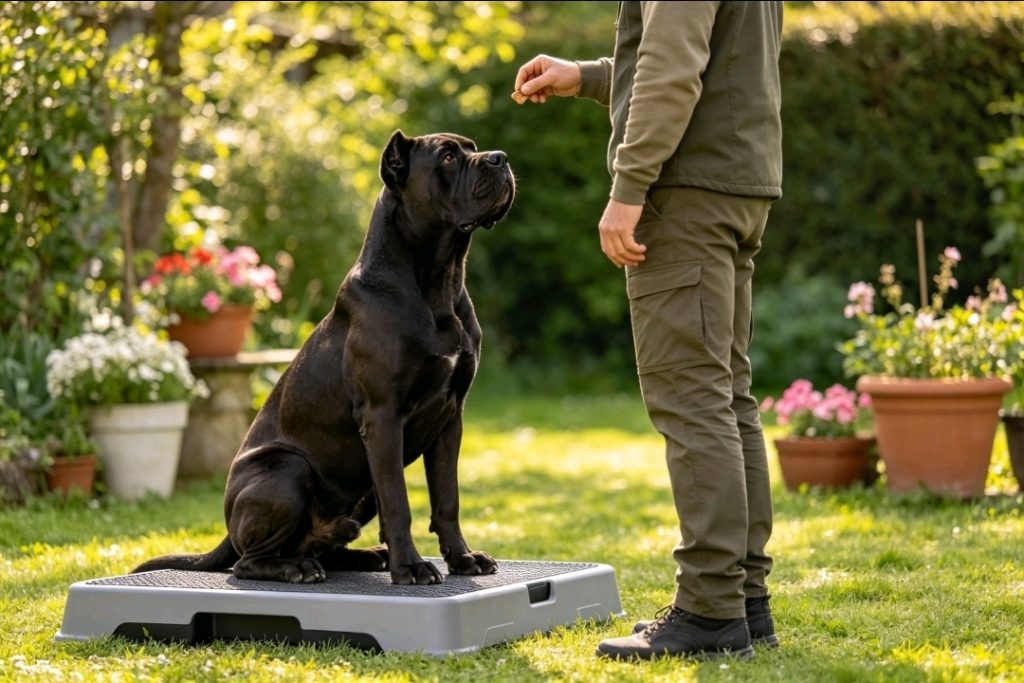
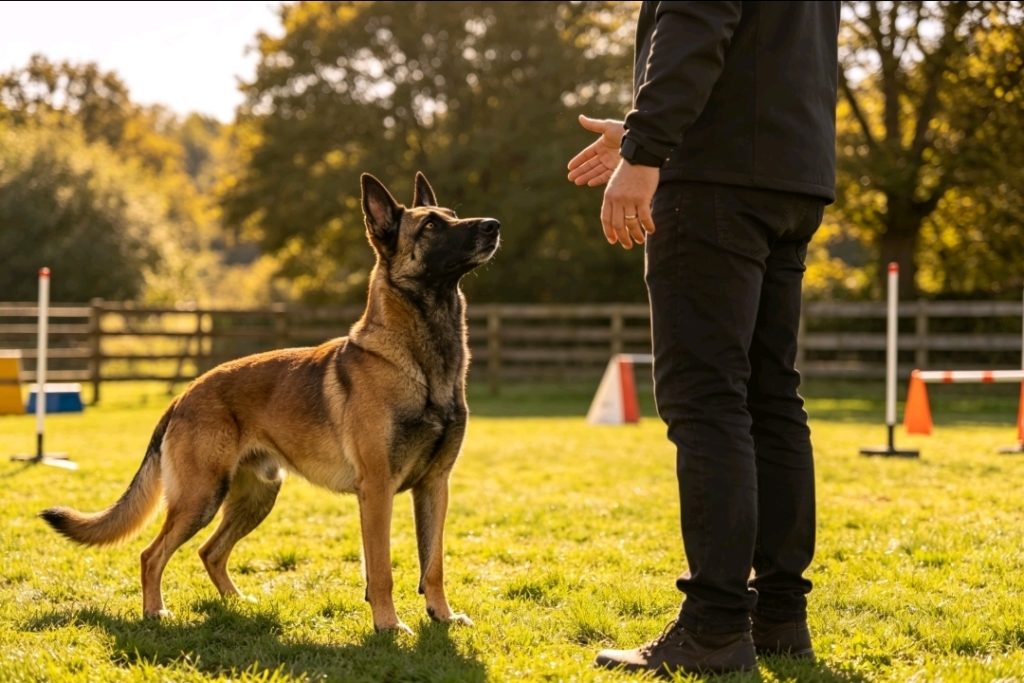
What Is Food Motivation in Dog Training? is an important question because food can become either a useful training resource or a source of confusion when it is not introduced with clear structure. Some dogs show immediate interest in food, while others may become distracted, overly focused on obtaining the reward or lose interest depending on the environment. Handlers can also unintentionally teach the dog to follow food continuously rather than understand the exercise being performed.
When timing, delivery, motivation and expectations are unclear, food can become the focus instead of the training itself, creating frustration for both dog and handler. Understanding food motivation means looking at how food affects engagement, learning and communication within a structured training process.
RECOMMENDED PRODUCTS
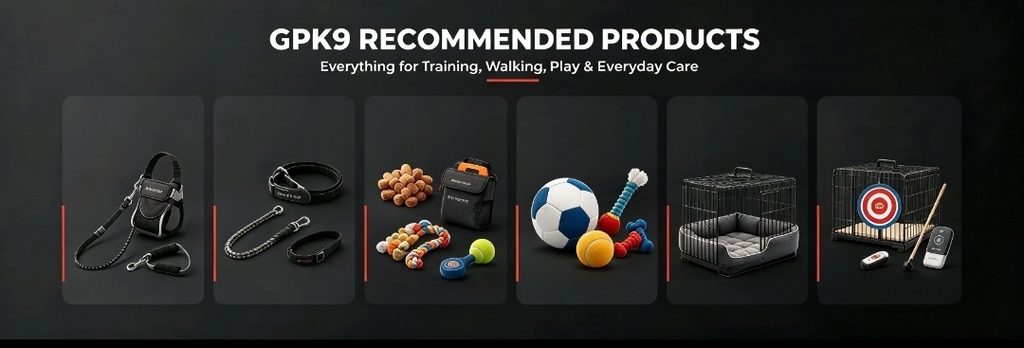
Training treats — Training Treats
Small, suitable training treats can support structured exercises where food is being used to develop engagement, communication and learning.
Common Problems
One common problem is assuming that every dog is motivated by food in exactly the same way.
Some dogs may show strong interest in food immediately, while others may be less interested because of the environment, previous feeding, distractions or the type of food being offered.
A handler may therefore assume that a lack of response means the dog does not understand the exercise, when the surrounding circumstances may be affecting its engagement.
Another problem is allowing the food itself to become the main focus.
If the dog continually watches, jumps towards or follows the treat instead of responding to the handler, the food may be interfering with the exercise rather than supporting it.
Common Issues
One of the main issues is poor food delivery.
If food is presented too early, the dog may follow the hand rather than learn the intended behaviour.
If food is delivered too late, the dog may not understand which behaviour resulted in the reward.
Another issue is using food in every situation without considering whether the dog is already engaged with the handler.
Food should have a clear role within the exercise rather than becoming something the dog expects without understanding the training objective.
Common Mistakes
A common mistake is holding a treat directly in front of the dog’s nose for too long.
This can encourage the dog to focus on the food rather than the handler’s communication.
Another mistake is repeatedly showing the dog food before every exercise.
The dog may begin to wait for the appearance of the reward rather than developing engagement with the training process.
Handlers can also make the mistake of increasing distractions while simultaneously expecting the dog to maintain the same level of food motivation.
A dog that is highly engaged in a quiet environment may respond differently when exposed to movement, noise or other competing interests.
Frustration
Food motivation can become frustrating when the handler expects food to solve every training difficulty.
A dog may take the food but still fail to understand the exercise.
The handler may then provide more food, increase the frequency of rewards or repeat the same movement without identifying the underlying communication problem.
The dog can also become frustrated when food is repeatedly presented but the criteria for earning it are unclear.
Timing
Timing is one of the most important elements when using food in dog training.
The handler needs to recognise the behaviour being developed and deliver the food at the appropriate moment.
A delay can weaken the connection between behaviour and reward.
Early delivery can also create confusion if the dog receives the food before completing the intended behaviour.
Good timing therefore requires the handler to watch the dog carefully rather than concentrating only on the food.
Misunderstanding and Miscommunication
Food motivation is sometimes misunderstood as simply making a dog follow a treat.
Following food can help establish movement during an exercise, but the wider goal is communication and learning.
The dog needs to understand what behaviour is being developed rather than simply tracking the handler’s hand.
Miscommunication can also occur when different handlers use different methods of presenting, delivering or withholding food.
Consistent expectations help make the purpose of the food clearer.
RECOMMENDED PRODUCTS
A suitable treat pouch can keep training rewards accessible and allow the handler to deliver food efficiently without constantly carrying treats in the hand.
GPK9’S FIVE GOLDEN RULES
The GPK9 Five Golden Rules place food motivation within a wider system of dog training.
What Is Food Motivation in Dog Training? is not simply about whether a dog likes food. It is about how food can be used within structured communication, appropriate timing, motivation and progression.
The Five Golden Rules connect food-based training with home structure, obedience, play, toilet routines and social walking.
Golden Rule One — Home and Social
Food motivation needs to be considered alongside the structure of the home.
Golden Rule One establishes the progression of crate → placemat → playpen.
The crate provides safety, reset and toilet support.
The placemat provides calm home freedom.
The playpen provides monitored freedom.
This structure can prevent food training from becoming an uncontrolled activity throughout the home.
A clearly structured environment gives the handler an opportunity to observe when the dog is calm, engaged and ready for training.
Golden Rule Two — Obedience
Golden Rule Two provides the clearest application of food motivation within the GPK9 system.
GPK9 obedience training uses food and luring, together with praise, shaping and movement.
Food is hand-delivered as part of structured training rather than simply being provided while the dog moves around without purpose.
This allows the handler to observe how the dog responds to food, how quickly it engages and whether the reward is helping the dog understand the exercise.
The traffic-light system supports progression:
- Green — progress and continue to monitor.
- Amber — observe and review.
- Red — stop and return to a more controlled stage.
Golden Rule Three — Prey Drive and Play
Food motivation is not the only form of engagement available during training.
Golden Rule Three provides a separate framework for prey drive and play using appropriate toy and tug activities.
Keeping play separate from structured obedience helps the handler understand the difference between food-based motivation, obedience engagement and high-energy play.
This can be particularly important when a dog becomes highly excited around toys or movement.
Golden Rule Four — Toilet
Food motivation can form part of the wider routine surrounding puppy development, but toilet training remains a separate structured area.
Golden Rule Four focuses on the same place, the same time and a toilet command.
A predictable routine helps the handler understand the dog’s daily needs and recognise appropriate behaviour within that routine.
Golden Rule Five — Social Walking and Ignore the World
Food motivation can also be relevant when developing manageable behaviour around environmental distractions.
Golden Rule Five focuses on a calm, relaxed and manageable walk, without making commands the central focus.
The handler observes the dog as it experiences people, movement, sounds and other environmental information.
Food may support appropriate training exercises where suitable, but the wider objective remains understanding the dog’s behaviour and maintaining a manageable relationship with the environment.
Final Connection
What Is Food Motivation in Dog Training? is ultimately about understanding how food can support communication without allowing the reward itself to become the entire focus of training.
The main difficulties involve poor timing, excessive food focus, inconsistent delivery, unclear expectations, distraction and relying on food without understanding the behaviour being developed.
The GPK9 Five Golden Rules connect food motivation to a wider structured system.
Home and Social establishes structure and progression.
Obedience provides the clearest framework for food and luring.
Prey Drive and Play provides a separate approach to engagement and arousal.
Toilet provides consistency around an important daily routine.
Social Walking and Ignore the World develops calm and manageable behaviour within the wider environment.
Together, these principles help the handler understand food motivation as a training tool within a complete dog-training system rather than simply as a way of getting a dog to follow a treat.