
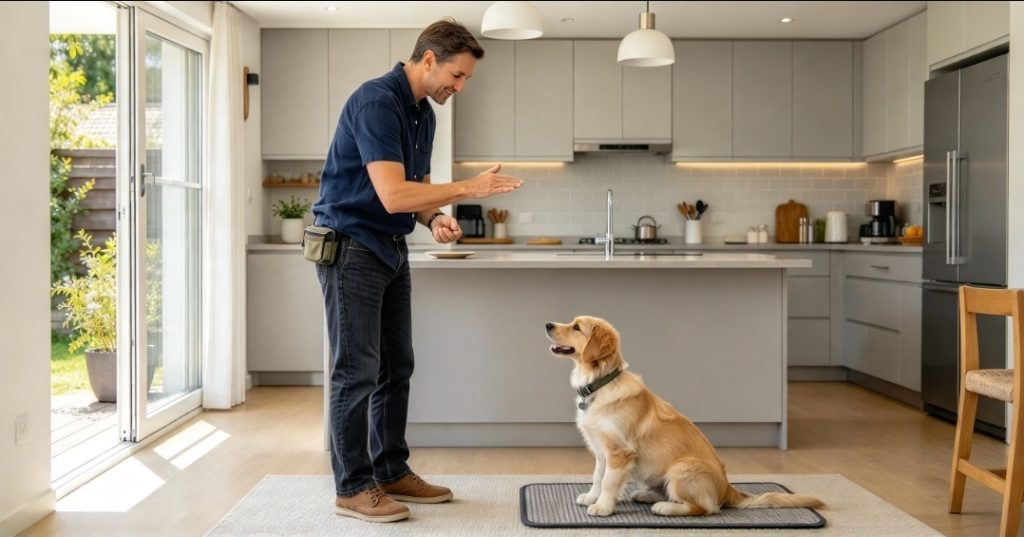
How often should I train a puppy?
How often should I train a puppy? Train your puppy in several short sessions throughout the day, using everyday activities to reinforce good behaviour and build new skills. Rather than relying on one long training session, spread learning across your puppy’s daily routine and keep each session short, positive and appropriate for their age, attention span and energy levels. Consistency, suitable rewards and enough rest help your puppy learn without becoming overwhelmed.
RECOMMENDED PRODUCTS

How Many Times a Day Should I Train My Puppy?
For most young puppies, a practical starting point is three to five short training sessions a day, often lasting around two to five minutes each. You can adjust this according to your puppy’s age, confidence, interest and ability to concentrate.
This is a flexible guide, not a strict rule. Some puppies will benefit from even shorter sessions, while others may comfortably practise a little longer as they mature.
You can also reinforce training during ordinary activities without turning every interaction into a formal lesson. Asking your puppy to respond to their name, rewarding calm behaviour or practising recall over a short distance can all contribute to learning.
The aim is to provide regular opportunities to practise while keeping training enjoyable and manageable.
How Long Should Each Puppy Training Session Last?
The best training session is one your puppy can manage successfully. Young puppies have developing attention spans, so short sessions are often more productive than trying to keep them focused for too long.
Start with one simple skill and practise it a few times. Reward your puppy when they respond correctly, then finish before they become tired, distracted or frustrated.
For example, a short session might involve:
- Practising your puppy’s response to their name.
- Rewarding a few successful sits.
- Encouraging your puppy to come to you over a short distance.
- Practising a brief wait.
- Rewarding calm behaviour on a bed or mat.
You do not need to complete every exercise in one session. Choose one or two skills and practise them again later.
If your puppy loses interest, starts biting, becomes overexcited or struggles to respond, make the exercise easier or take a break. Ending on a manageable success helps keep learning positive.
Should I Train My Puppy Every Day?
Yes. Regular daily practice helps your puppy become familiar with the behaviours you are teaching and understand how to respond in everyday situations.
However, daily training does not mean repeatedly drilling commands. It means providing consistent opportunities to learn, practise and reinforce appropriate behaviour.
For example, you can reward your puppy for:
- Coming when called.
- Toileting in the correct place.
- Greeting people calmly.
- Choosing an appropriate toy.
- Walking beside you on a loose lead during suitable practice.
- Settling quietly after play.
- Waiting briefly before going through a door.
These small interactions help your puppy understand what is expected of them.
Everyone in the household should use consistent rules and responses. If one person rewards a behaviour while another discourages it, your puppy may struggle to understand which response is expected.
What Should I Train My Puppy Each Day?
Choose a few essential skills rather than attempting to teach everything at once. Your puppy needs time to develop basic communication, learn household boundaries and become comfortable with everyday experiences.
A balanced approach might include the following areas.
Name recognition and attention
Practise getting your puppy’s attention in a quiet environment. Say their name once, then reward them when they look towards you.
As their response improves, practise in different rooms and gradually introduce distractions.
Toilet training
Provide regular toilet opportunities throughout the day, particularly after waking, eating, drinking and playing.
Reward your puppy promptly when they toilet in the correct place. Frequent, consistent opportunities are especially important while your puppy is young.
Basic obedience
Practise simple skills such as sit, come and wait. Keep each exercise brief and reward successful responses.
Build difficulty gradually rather than expecting your puppy to respond reliably in every situation straight away.
Household boundaries
Teach your puppy which behaviours are appropriate at home. Reward calm greetings, redirect chewing towards suitable toys and manage access to areas where mistakes or accidents are likely.
Preventing unwanted behaviour through supervision and sensible management is often easier than correcting repeated mistakes.
Calm behaviour and settling
Reward your puppy when they relax independently, lie on their bed or settle after play. Provide a quiet resting area and allow plenty of time for sleep.
Learning to relax is just as important as learning commands.
Lead training and recall
Practise wearing a suitable harness or collar and lead, following you and returning when called in safe, manageable environments.
Increase distractions and distance gradually as your puppy becomes more confident and reliable.
How Do I Fit Puppy Training Into a Daily Routine?
Training is easier to maintain when it becomes part of your normal routine. You do not need to set aside hours each day.
Use natural opportunities throughout the day to practise simple behaviours.
Example daily puppy training routine
| Time of day | Training opportunity |
|---|---|
| After waking | Toilet training and name recognition |
| Around breakfast | Calm waiting and appropriate behaviour before eating |
| After a morning play session | Recall practice or a short obedience session |
| During the afternoon | Household boundaries, handling or suitable exploration |
| After another play session | Reward calm behaviour and practise settling |
| Before bedtime | Final toilet opportunity and a quiet routine |
This is an example rather than a fixed timetable. Adjust the activities to suit your puppy’s age, feeding routine, toilet needs and sleep requirements.
Always prioritise your puppy’s needs over completing a training schedule. If your puppy is tired, uncomfortable or overwhelmed, provide rest or address the underlying need before attempting another session.
How Often Should I Repeat the Same Command?
Repeat skills regularly, but avoid asking for the same response over and over when your puppy is struggling.
For example, when teaching sit, reward a successful response and then give your puppy a brief pause before trying again. A few successful repetitions may be more useful than continuing until your puppy loses interest.
If your puppy does not respond, consider whether the environment is too distracting, the reward is not motivating enough or the exercise is too difficult.
Make the task easier and help your puppy succeed. Once the behaviour becomes more reliable, practise in different environments and gradually increase the challenge.
Do not assume that a puppy who responds well in the kitchen will automatically respond just as well in the garden or around visitors. Dogs need practice to learn to apply behaviours in different situations.
Can I Train My Puppy Too Much?
Yes. Training can become counterproductive if sessions are too long, too difficult or combined with excessive activity and insufficient rest.
Signs your puppy may need a break include:
- Losing interest in rewards.
- Becoming increasingly distracted.
- Repeatedly wandering away.
- Biting hands or clothing more than usual.
- Becoming frantic or overexcited.
- Struggling with skills they were performing successfully a short time earlier.
These signs do not always mean your puppy is tired, so consider their needs and the situation. They may be confused, overstimulated or in need of a toilet break.
Young puppies need substantial sleep to support healthy development. Balance training with play, exploration and quiet periods, and avoid trying to exhaust your puppy through repeated exercise.
If your puppy struggles to settle, reducing stimulation and providing a comfortable resting area may be more helpful than another training session.
Should I Train My Puppy Before or After Play?
There is no single correct answer. It depends on your puppy’s energy, temperament and ability to concentrate at that moment.
Some puppies focus well after a little gentle play, while others become too excited to respond. Try training when your puppy is comfortable, alert and interested in the rewards you are offering.
After vigorous play, allow your puppy time to calm down before beginning another exercise. If they are showing signs of tiredness, prioritise rest instead.
Avoid training immediately after a situation that has left your puppy frightened, overwhelmed or highly aroused. Reduce the difficulty and allow them to recover first.
The important factor is not a particular order of activities but choosing a time when your puppy is ready to learn.
How Often Should I Reward My Puppy During Training?
When teaching a new behaviour, reward successful responses consistently so your puppy can understand which action earned the reward.
For example, when teaching recall, reward your puppy each time they successfully come to you during the early stages. When practising sit, reward the correct position promptly.
As your puppy becomes more reliable, you can gradually vary the rewards while continuing to reinforce good behaviour.
Food rewards, toys, play and praise can all be useful. Choose rewards that your puppy finds motivating and that suit the situation.
Timing matters. If the reward comes too late, your puppy may struggle to understand which behaviour you intended to encourage.
Keep your communication clear and your expectations realistic.
What If My Puppy Is Not Learning?
Puppies develop at different rates, and progress is not always consistent. If your puppy is struggling, it does not automatically mean you need to train more often.
Review how you are teaching the skill.
Make the exercise easier. Reduce distractions, shorten the distance or ask for a simpler response.
Check your timing. Reward the behaviour you want as soon as practical.
Use an appropriate reward. Try a reward your puppy finds more motivating.
Reduce session length. Finish before your puppy becomes frustrated or tired.
Practise consistently. Give your puppy regular opportunities to repeat the behaviour.
Check for unmet needs. Your puppy may need the toilet, sleep, food, water or a quieter environment.
Avoid shouting, frightening or physically punishing your puppy for mistakes. Focus on showing them what you want and creating opportunities for successful learning.
If your puppy displays persistent fear, severe distress or behaviour that is difficult to manage safely, seek appropriate veterinary advice or support from a suitably qualified, welfare-focused behaviour professional.
How Often Should I Train a Puppy as They Grow?
As your puppy matures, you can gradually increase the complexity and duration of training when they are ready.
Young puppies generally benefit from brief, frequent opportunities to learn. Older puppies may be able to manage longer sessions, more distractions and more challenging exercises, but individual differences remain important.
Progress by increasing one difficulty at a time. For example, you might first practise recall at a short distance indoors, then increase the distance, and later practise in a safe outdoor environment with mild distractions.
Continue reinforcing the behaviours you have already taught. Do not stop practising a skill simply because your puppy has performed it successfully a few times.
Reliable behaviour develops through continued reinforcement, repetition and appropriate practice in different situations.
RECOMMENDED PRODUCTS
How Often Should I Train a Puppy for the Best Results?
How often should I train a puppy for the best results? Start with several short sessions spread throughout the day, adjusting their length and frequency to your puppy’s age, attention span and individual needs. Reinforce useful behaviours during everyday activities and make sure training is balanced with play, exploration and sufficient sleep.
There is no need to keep your puppy training constantly. Consistent, positive practice is more useful than long sessions that leave them tired or frustrated.
Observe your puppy, reward successful choices and make each exercise manageable. As their confidence and skills improve, gradually introduce more challenging situations.
The goal is not to train for as many minutes as possible. It is to help your puppy understand what you are teaching and apply it successfully in everyday life.



