
Why Does My Dog Not Like Being Touched?
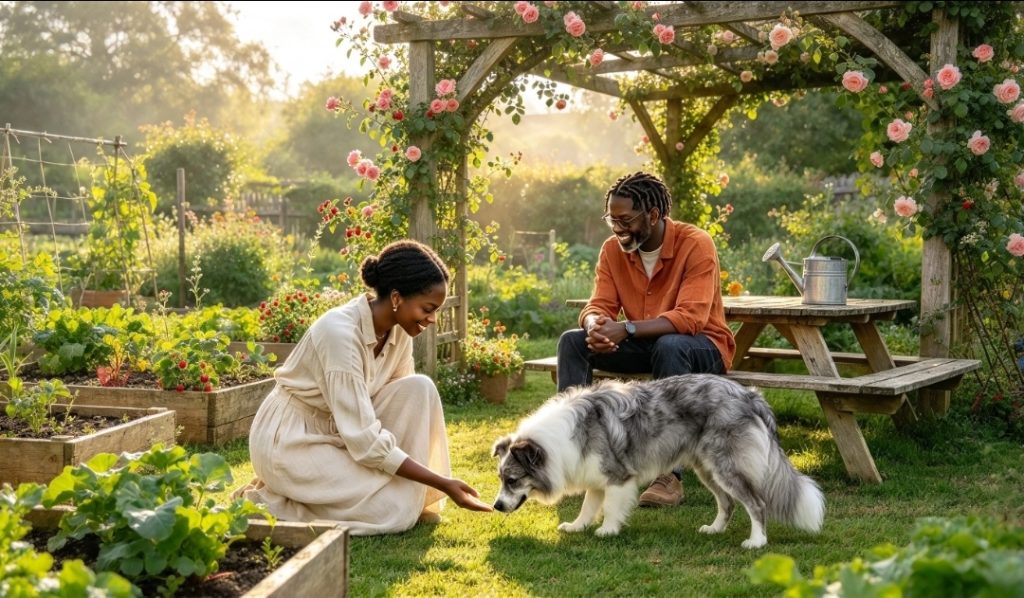
Why does my dog not like being touched? A dog may avoid being touched because of fear, uncertainty, previous negative experiences, individual preferences or physical discomfort. Some dogs enjoy being close to their owners but do not enjoy being stroked, while others are comfortable with certain types of touch but dislike having their head, paws, ears or body handled. Understanding your dog’s emotions, body language and physical needs will help you recognise what they are communicating and respond appropriately.
RECOMMENDED PRODUCTS

Why Does My Dog Avoid Physical Contact?
Dogs have individual preferences for affection and physical interaction. Your dog may follow you around, sit beside you or relax in the same room without wanting to be touched. Being close to you does not necessarily mean your dog wants physical contact.
The important step is to understand the difference between a dog choosing to interact and a dog tolerating an interaction because they cannot easily move away.
1. Your Dog May Feel Frightened or Uncomfortable
Some dogs become uncomfortable when a person reaches towards their face, bends over them, hugs them or attempts to stroke them unexpectedly. A hand moving towards the head can feel threatening to a dog that is uncertain about physical contact.
Your dog may turn their head away, move backwards, lower their body or leave the area. These behaviours can indicate that the dog needs more space.
Previous experiences may also influence how a dog responds to touch. If handling has been frightening, painful or overwhelming, the dog may become cautious when someone approaches.
What should you do?
Approach calmly, avoid reaching over your dog’s head and allow them to choose whether to come closer. If they move away, respect that decision. Do not follow them to continue stroking them or attempt to hold them in place.
2. Your Dog May Be Experiencing Pain
A dog that suddenly starts avoiding touch may be experiencing physical discomfort. Pain affecting the ears, teeth, skin, back, joints or another part of the body can make previously acceptable handling unpleasant.
Look for changes in your dog’s normal behaviour, including reluctance to move, excessive licking, changes in appetite, difficulty resting, limping or reacting when a particular area is approached.
If your dog previously enjoyed being touched but now avoids contact, arrange a veterinary examination. Do not repeatedly touch a sensitive area to test their reaction.
Pain-related behaviour should not automatically be interpreted as disobedience, aggression or a lack of trust. The physical cause needs to be considered before attempting to change the behaviour through training.
3. Your Dog May Not Be Comfortable With Handling
Dogs need opportunities to become comfortable with appropriate everyday handling, such as grooming, checking their paws and preparing for veterinary examinations. However, repeatedly handling an uncomfortable dog does not necessarily teach them to accept touch.
The experience needs to be introduced gradually and positively. Your dog should be able to remain comfortable, move away when appropriate and build confidence without being forced into prolonged contact.
This applies to puppies and adult dogs. A dog’s age does not guarantee that they will enjoy handling, and an older dog can still learn to develop more positive associations with appropriate interactions.
How Can You Tell If Your Dog Does Not Want to Be Touched?
Your dog communicates through body language and behaviour. Learning to recognise early signs of discomfort can help you adjust an interaction before the dog becomes more distressed.
Look for signs such as:
- Turning the head away or repeatedly avoiding your hand.
- Moving away, hiding or attempting to leave.
- Holding the ears back or lowering the head.
- Repeated lip licking or yawning in an uncomfortable situation.
- Becoming tense, stiff or unusually still.
- Showing the whites of the eyes while turning away.
- Growling, showing teeth, snapping or attempting to bite.
These signs must be interpreted in context. A yawn or head turn does not always mean a dog dislikes being touched, but several signs together may indicate discomfort.
Pay attention to changes in your dog’s overall posture and whether they voluntarily return to the interaction.
If your dog moves away, stop touching them and give them space. If they growl or snap, do not punish the warning or continue the interaction. Stop, assess the situation and prioritise safety. If the behaviour is recurring, seek appropriate professional guidance.
Does My Dog Not Like Being Touched Because They Do Not Love Me?
No. Avoiding physical contact does not, by itself, mean your dog does not love you or have a strong relationship with you.
Dogs can show attachment in many ways. Your dog may choose to stay near you, follow you around the home, play with you, respond to your communication or settle beside you without enjoying being stroked.
It is important to understand affection as part of a wider relationship rather than measuring it by how much physical contact a dog accepts.
Some dogs actively seek attention and enjoy being stroked. Others prefer companionship without frequent touching. Both can develop strong relationships with their handlers.
The goal is to understand your individual dog and create interactions that encourage trust, comfort and appropriate communication.
How Do Emotions Affect a Dog’s Response to Touch?
A dog’s response to touch can change according to their emotional and physical state. A dog that accepts contact in a quiet home may become uncomfortable when tired, excited, worried or overwhelmed by unfamiliar people or surroundings.
Motivation, arousal, stress and social bonding involve different biological processes. Dopamine plays a role in motivation and reward learning, adrenaline helps prepare the body to respond to immediate demands, cortisol contributes to stress regulation, and oxytocin is involved in social bonding and other biological functions.
However, these processes cannot be reliably measured by looking at a dog’s behaviour alone. You should not assume that a dog is happy, frightened or relaxed simply because they accept or reject a particular type of touch.
Instead, consider the circumstances surrounding the behaviour.
Ask yourself:
- Is my dog relaxed or already highly excited?
- Has something happened that may have made them uncomfortable?
- Are they approaching voluntarily or trying to move away?
- Does the reaction happen in a particular location or during a specific type of handling?
- Could pain or another physical problem explain the change?
These questions help you make a more informed decision without assuming that you know exactly what your dog is feeling.
RECOMMENDED PRODUCTS
How to Help Your Dog Become More Comfortable With Touch
If your dog avoids physical contact, the aim is not to make them accept every interaction. The aim is to understand the reason for their response and, where appropriate, help them develop a more positive association with gentle handling.
Step 1: Give Your Dog a Choice
Allow your dog to approach you without pressure. Sit or stand calmly, avoid leaning over them and do not reach towards them immediately.
If your dog comes closer, observe their body language rather than automatically beginning to stroke them.
If they move away, let them leave. Giving your dog a choice helps you understand whether they want to continue interacting.
Step 2: Observe Before You Act
Before touching your dog, observe their posture, facial expression, movement and surroundings.
Consider whether they appear comfortable, uncertain or tense. Notice whether the same reaction occurs when you touch a particular area or when the environment changes.
This is the first part of responsible handling: observing the behaviour before deciding what it means.
Step 3: Introduce Touch Gradually
If your dog is comfortable being near you but uncertain about touch, begin with calm interactions that do not require physical contact.
You can reward voluntary approaches with food if your dog is comfortable taking it. Do not use a treat to lure your dog into a position where they feel trapped or to persuade them to tolerate unwanted handling.
If your dog remains relaxed, a brief touch in an area they already tolerate may be appropriate. Stop immediately if they turn away, become tense or move away.
Keep interactions short and allow your dog to choose whether to return.
For dogs showing significant fear, growling, snapping or strong resistance to handling, seek help from a suitably qualified behaviour professional. Veterinary advice should come first if pain or illness may be involved.
Step 4: Reassess Your Dog’s Response
After each interaction, consider whether your dog appears more comfortable or less comfortable.
If they remain relaxed and voluntarily re-engage, you can continue at the same level without rushing. If they show discomfort, stop and adjust your approach.
Do not assume that progress means increasing the duration or intensity of touch every time. Sometimes the most appropriate decision is to maintain the same level, give the dog a break or return to an easier interaction.
Consistency means responding appropriately to the dog in front of you, not following a rigid plan regardless of their behaviour.
How Does the GPK9 FUSS Framework Help You Understand Your Dog?
The GPK9 FUSS framework — Function, Understand, Structure and Support — encourages handlers to consider what influences behaviour and how everyday interactions can be managed more effectively.
When a dog avoids being touched, this approach can be applied as follows:
Function: Consider what the behaviour may be achieving for the dog. Moving away may create distance from an interaction they find uncomfortable.
Understand: Observe the dog’s body language, circumstances, individual preferences and possible physical needs. Avoid assuming that every dog responds to affection in the same way.
Structure: Establish calm, predictable interactions. Allow the dog to move away and introduce appropriate handling gradually when it is safe and necessary.
Support: Use positive reinforcement, respect the dog’s communication and seek veterinary or professional help when required.
This framework supports a more thoughtful approach to handling. Rather than focusing only on stopping a behaviour, you consider what may be influencing it and what changes could improve the situation.
Observe, Interpret, Decide, Communicate and Reassess
The GPK9 communication process provides a practical way to respond when your dog avoids touch.
- Observe: Notice your dog’s body language, surroundings and response to your approach.
- Interpret: Consider possible explanations, including individual preference, fear, excitement, previous experiences or physical discomfort.
- Decide: Choose an appropriate response, such as stopping contact, increasing distance or seeking veterinary advice.
- Communicate: Use calm, consistent interactions and positive reinforcement where appropriate.
- Observe the response: Check whether your dog becomes more comfortable or continues to show signs of distress.
- Reassess: Adapt your approach according to what your dog communicates.
This process reinforces the principle that control is communication. Responsible handling is not about forcing a dog to accept every interaction. It is about recognising their response and managing the situation safely.
When Should You Seek Professional Help?
Seek veterinary advice if your dog suddenly becomes reluctant to be touched, appears painful or develops other unexplained behavioural changes.
If your dog repeatedly growls, snaps, attempts to bite or shows significant fear during handling, avoid forcing contact and seek support from a suitably qualified behaviour professional. If immediate handling is necessary for safety or medical care, ask your vet how to proceed safely.
Do not punish your dog for communicating discomfort. Punishment may increase fear and make future interactions more difficult to manage.
Final Thoughts: Respect Your Dog’s Boundaries
If your dog does not like being touched, begin by understanding why rather than trying to make them accept affection. Observe their body language, respect their choice to move away, introduce handling gradually where appropriate and investigate sudden changes with your vet.
A strong relationship is not built by insisting on physical contact. It develops through trust, consistency, positive experiences and clear communication.
When you understand how your dog’s emotions, motivation, physical needs and everyday experiences influence behaviour, you can make better decisions about affection and handling. The aim is to help your dog feel safe, encourage appropriate behaviour through positive reinforcement and develop a stronger working partnership.
How the Five Golden Rules Work Together
The GPK9 Five Golden Rules provide a consistent framework for everyday behaviour, communication, motivation, toilet training and social walking.
- Golden Rule 1 — Home & Social
- Golden Rule 2 — Obedience
- Golden Rule 3 — Prey Drive
- Golden Rule 4 — Toilet
- Golden Rule 5 — Social Walking
Explore The Five Golden Rules to understand how these principles work together.
FUSS — Understanding Your Dog Through Affection, Emotion and Everyday Interaction
The FUSS course helps you develop a deeper understanding of how your dog’s emotions, motivation, physical needs and everyday experiences influence behaviour. This course explains how affection, body language, social interaction and reward can affect the relationship between dogs and their handlers, helping you recognise what your dog is communicating and respond appropriately.
Learn about the roles of hormones such as dopamine, adrenaline, cortisol and oxytocin in motivation, arousal, stress responses and social bonding. Discover how these concepts connect with obedience, reward timing, play, prey drive, excitement management, toilet training, household behaviour and social walking. The course also explores how to recognise when your dog is comfortable and ready to progress, when an interaction needs adjusting, and when you should stop and prioritise safety.
Using the GPK9 FUSS framework — Function, Understand, Structure and Support — you will learn to observe behaviour, consider what may be influencing it, communicate clearly and reassess your dog’s response. The course connects these principles to practical everyday situations, helping you build consistency, encourage appropriate behaviour through positive reinforcement and develop a stronger working partnership with your dog.




