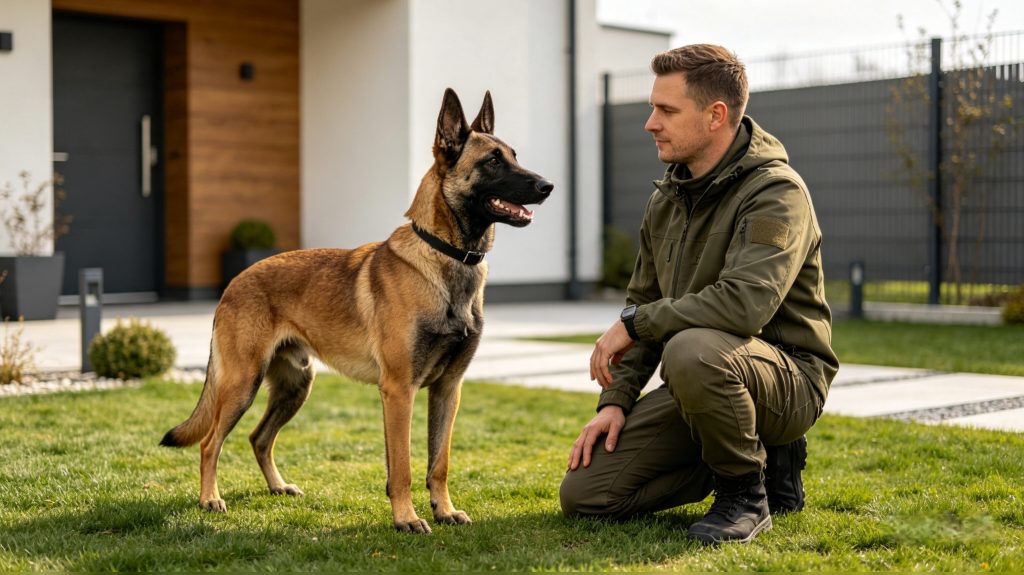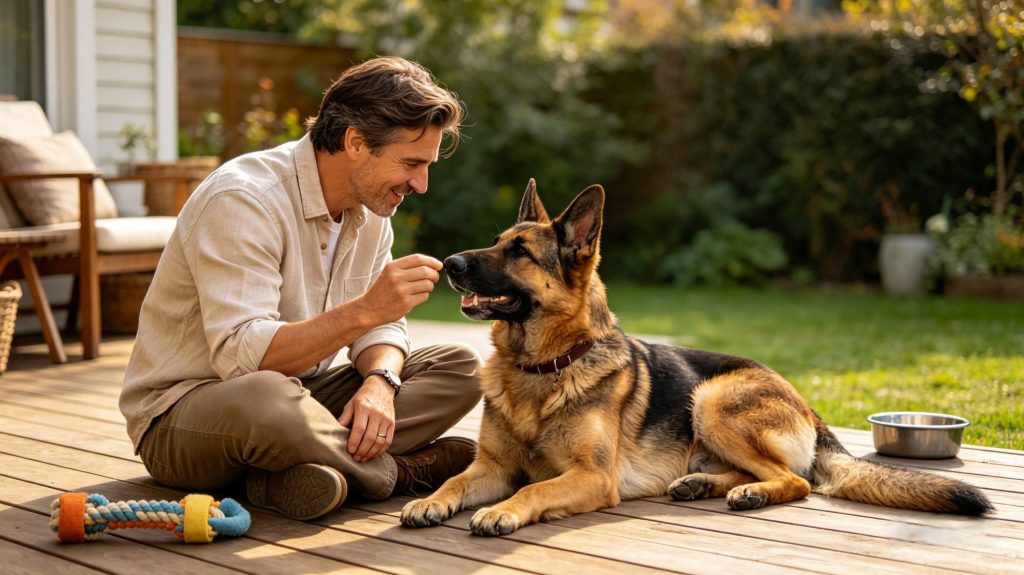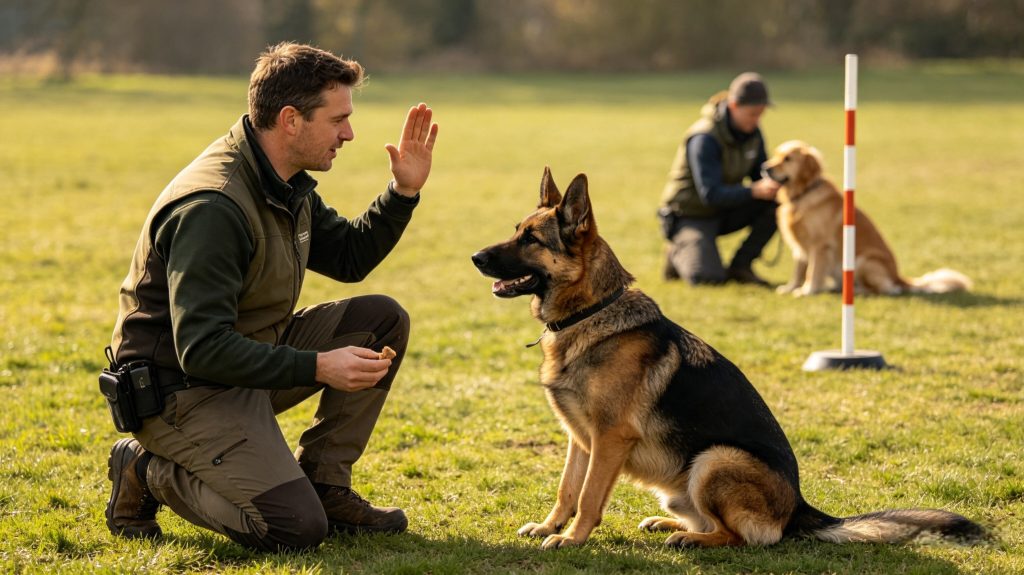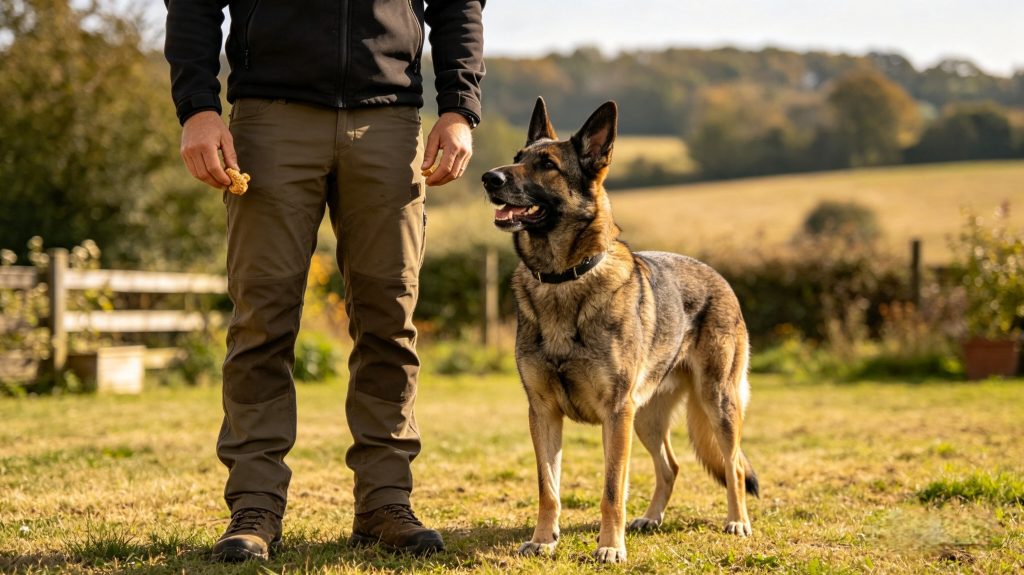
Introduction
How to stop a puppy biting and nipping is one of the most common questions new puppy owners ask. Puppy biting and nipping can often seem frustrating, especially when sharp puppy teeth are involved, but understanding why puppies bite is the first step towards solving the problem.
How to stop a puppy biting and nipping starts with recognising that biting is a normal part of puppy development. Puppies use their mouths to explore the world, interact with people, play with littermates, and learn about their environment. The goal is not to stop all mouthing instantly but to teach the puppy appropriate ways to interact.
Why Puppies Bite and Nip
Understanding why puppies bite is essential when learning how to stop a puppy biting and nipping. Most puppies bite for several normal developmental reasons.
Common reasons include:
- Exploring their environment.
- Teething discomfort.
- Play behaviour.
- Seeking attention.
- Excitement and over-arousal.
- Lack of sleep.
- Learning social boundaries.
Many owners mistakenly believe their puppy is being dominant or aggressive when, in reality, the puppy is simply displaying normal developmental behaviour.
How to stop a puppy biting and nipping begins with understanding the cause behind the behaviour.
Understanding the Difference Between Normal and Problem Behaviour
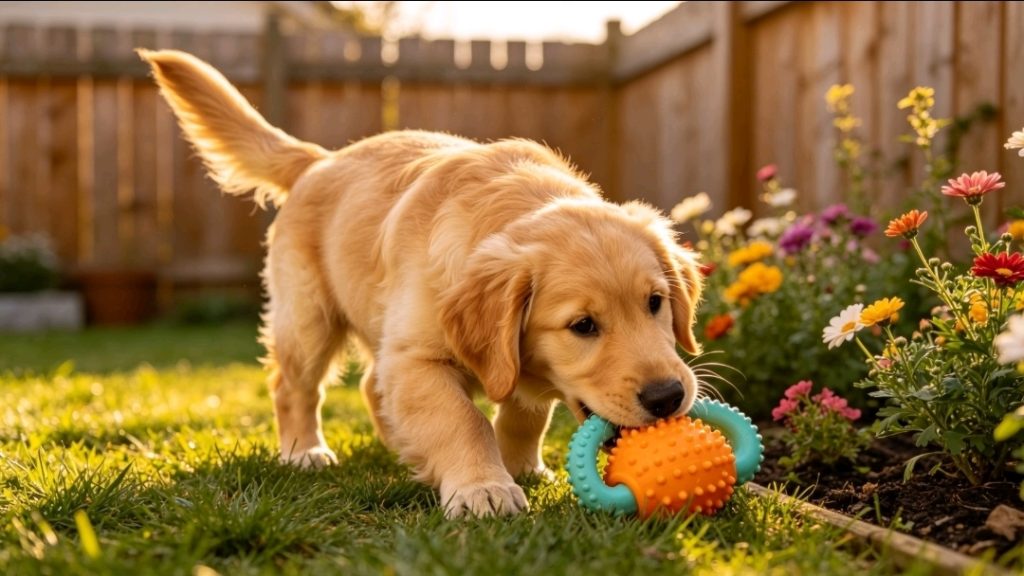
When discussing how to stop a puppy biting and nipping, it is important to understand the difference between normal puppy behaviour and developing behavioural issues.
Normal puppy behaviour includes:
- Gentle mouthing.
- Play biting.
- Teething-related chewing.
- Excited nipping during play.
Potential behavioural concerns may include:
- Escalating intensity.
- Resource guarding behaviours.
- Fear-based reactions.
- Persistent uncontrolled biting despite guidance.
Most puppies display normal developmental biting which improves significantly with proper structure and training.
Using Structured Play to Redirect Biting
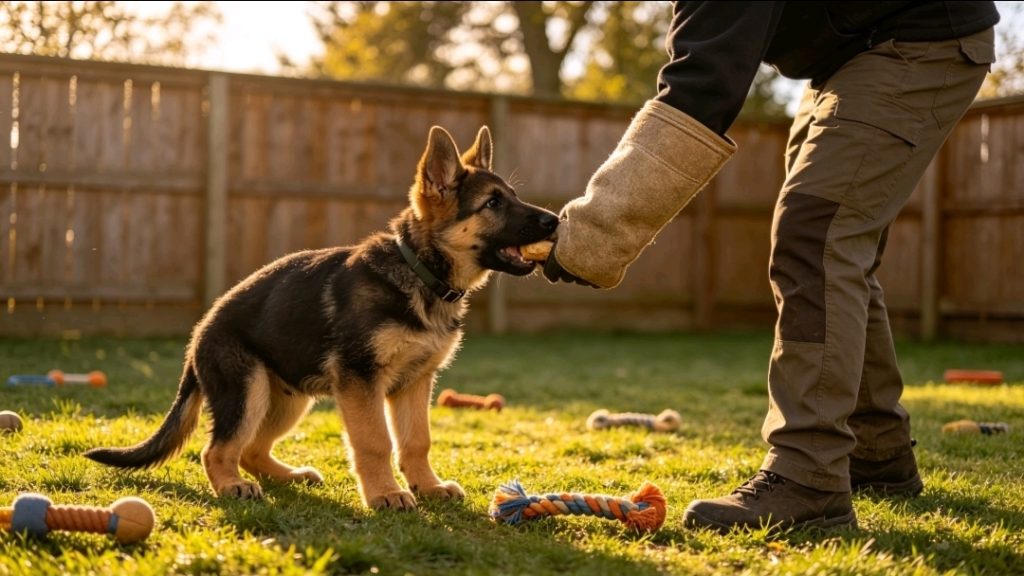
One of the most effective methods for how to stop a puppy biting and nipping is structured play.
Instead of allowing the puppy to bite hands, clothing, or furniture, redirect the puppy onto appropriate toys.
Examples include:
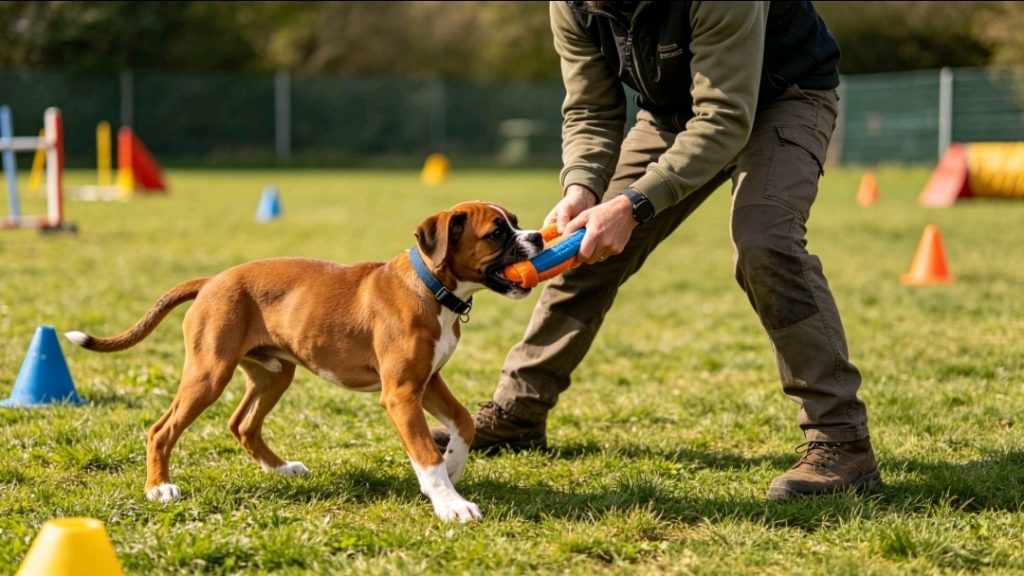
- Tug toys.
- Puppy-safe chew toys.
- Reward-based play sessions.
- Interactive engagement games.
Structured play teaches the puppy what they can bite while reducing unwanted behaviours.
How to stop a puppy biting and nipping often becomes easier when the puppy has suitable outlets for natural biting instincts.
Building Engagement Through Reward Systems
Another important aspect of how to stop a puppy biting and nipping is building engagement with the handler.
Reward systems help teach the puppy that calm behaviour earns positive outcomes.
Examples include:
- Food rewards.
- Toy rewards.
- Praise.
- Engagement games.
- Short training sessions.
The more value the puppy places on interacting appropriately with the handler, the less likely unwanted biting behaviours become.
Consistent reward systems create clear communication and help build desirable habits from an early age.
Teaching Calm Behaviour
Many biting problems occur because the puppy becomes over-excited and struggles to regulate emotions.
How to stop a puppy biting and nipping often involves teaching the puppy how to settle and relax.
Simple methods include:
- Short training sessions.
- Regular rest periods.
- Calm engagement exercises.
- Structured routines.
- Appropriate mental stimulation.
A tired, over-stimulated puppy often bites more than a well-rested puppy.
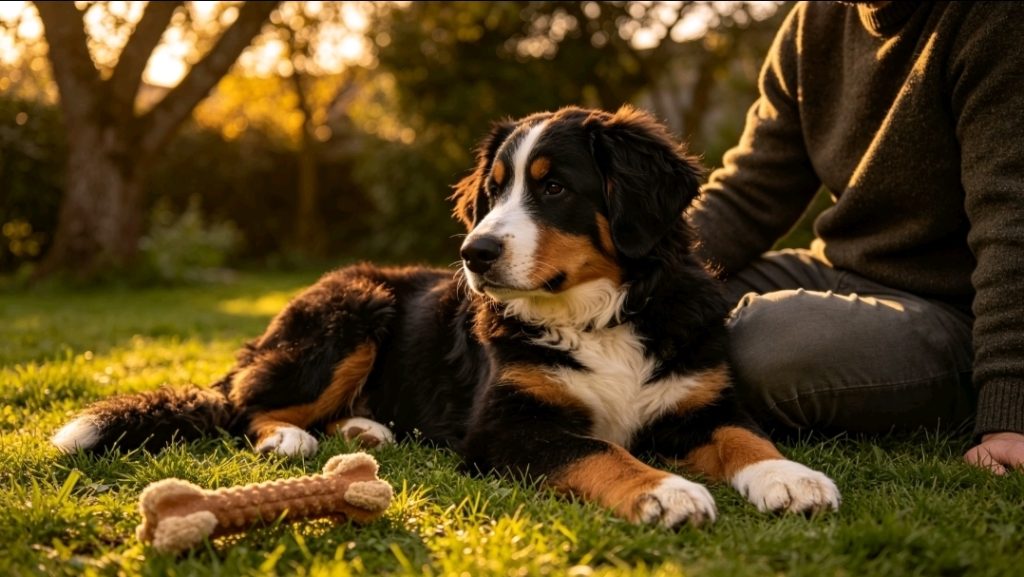
Teaching calmness should be considered an essential part of puppy development.
Using Calm Corrections Correctly
When discussing how to stop a puppy biting and nipping, calm corrections can play a role when used appropriately.
Corrections should never involve anger, fear, intimidation, or physical punishment.
Instead, corrections should focus on:
- Removing attention.
- Redirecting behaviour.
- Ending inappropriate play.
- Guiding the puppy towards correct choices.
The objective is to teach rather than punish.
How to stop a puppy biting and nipping is about communication and consistency rather than force.
Common Mistakes Puppy Owners Make
Many owners accidentally reinforce biting behaviours without realising it.
Common mistakes include:
- Encouraging rough play with hands.
- Inconsistent rules.
- Excessive punishment.
- Lack of structure.
- Insufficient exercise.
- Insufficient sleep.
Avoiding these mistakes can dramatically improve progress and reduce unwanted nipping behaviours.
Conclusion
How to stop a puppy biting and nipping starts with understanding that biting is a normal part of puppy development. Through structured play, engagement exercises, reward systems, calm corrections, and clear communication, owners can successfully guide puppies towards appropriate behaviour.
Most puppies naturally improve with age when proper foundations are established early. By following these principles, owners can build confidence, engagement, and self-control while preventing unwanted behavioural patterns from developing later in life.
Course Recommendation
Fundamentals 1 covers puppy development, engagement building, socialisation, confidence development, reward systems, structured play, obedience foundations, and problem-solving skills for puppies aged 6 weeks to 6 months.
Continue Your Training Journey With Our Online Courses
Now that you have started building strong foundations with your puppy, the next stage of development is continuing that training through our structured online courses.
Fundamentals 2 is designed for adolescent dogs between 6 and 18 months of age and focuses on real-world obedience, lead walking around distractions, engagement, confidence building, recall development, and managing common teenage dog behaviours. This online course helps owners navigate one of the most challenging stages of dog ownership while continuing to build reliability and control.
Fundamentals 3 is designed for adult dogs and takes training to an advanced level. This online course covers advanced obedience, off-lead control, engagement, handler communication, calmness, environmental neutrality, distraction proofing, and real-world dog training. Fundamentals 3 helps owners create reliable, confident, and well-balanced dogs capable of performing successfully in everyday situations.
Explore Fundamentals 2 and Fundamentals 3 to continue your dog’s training progression and build the skills needed for long-term success.