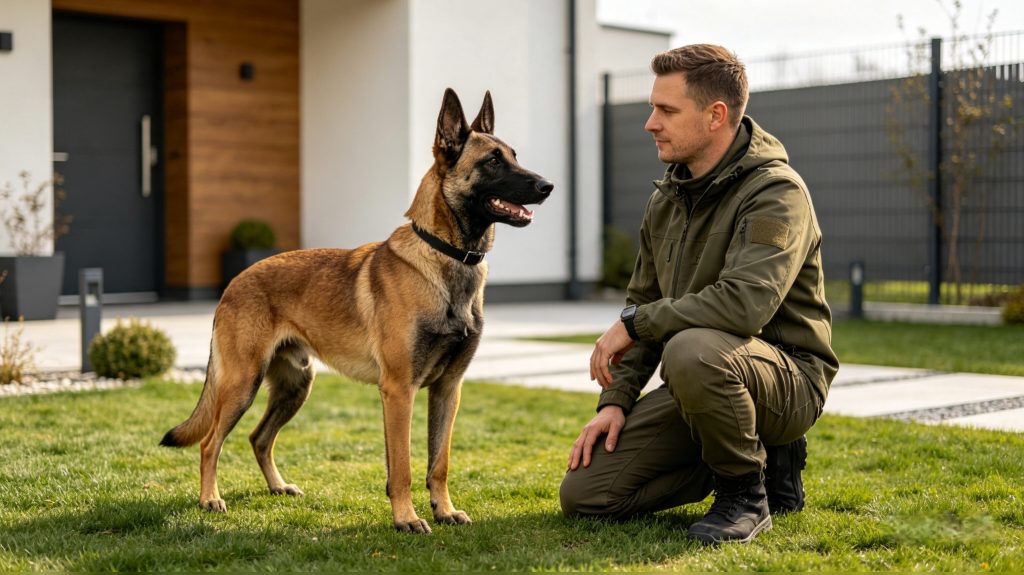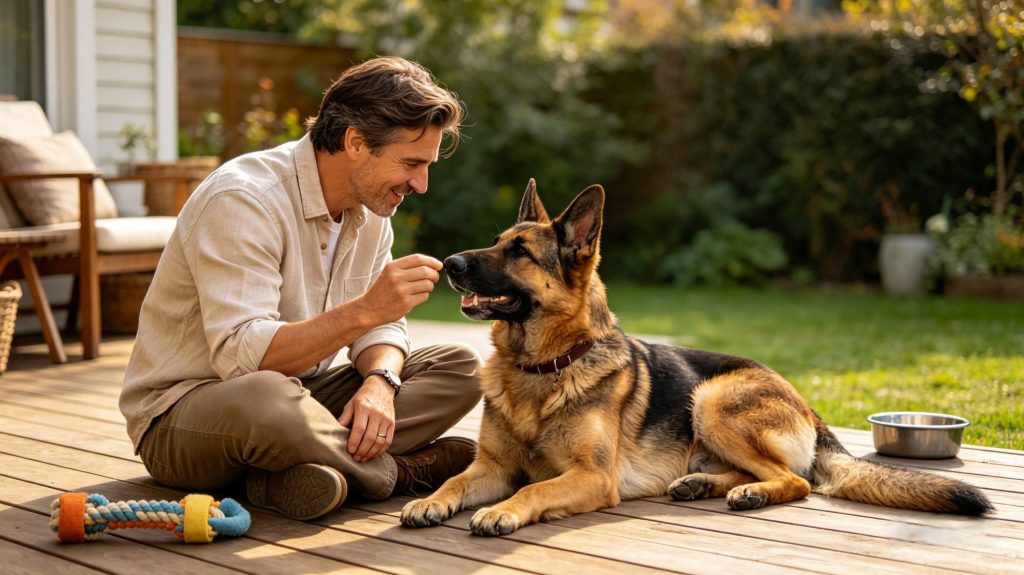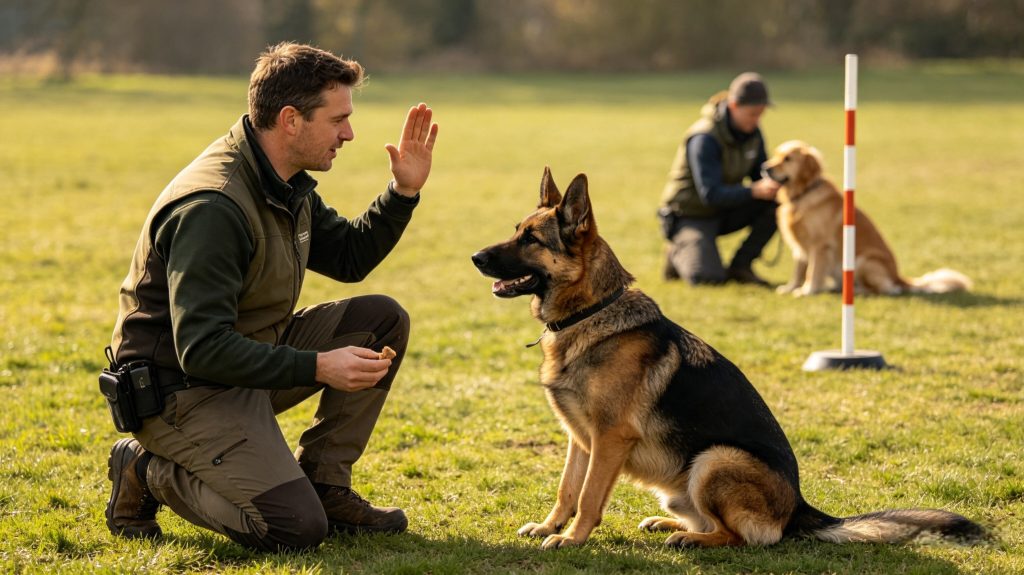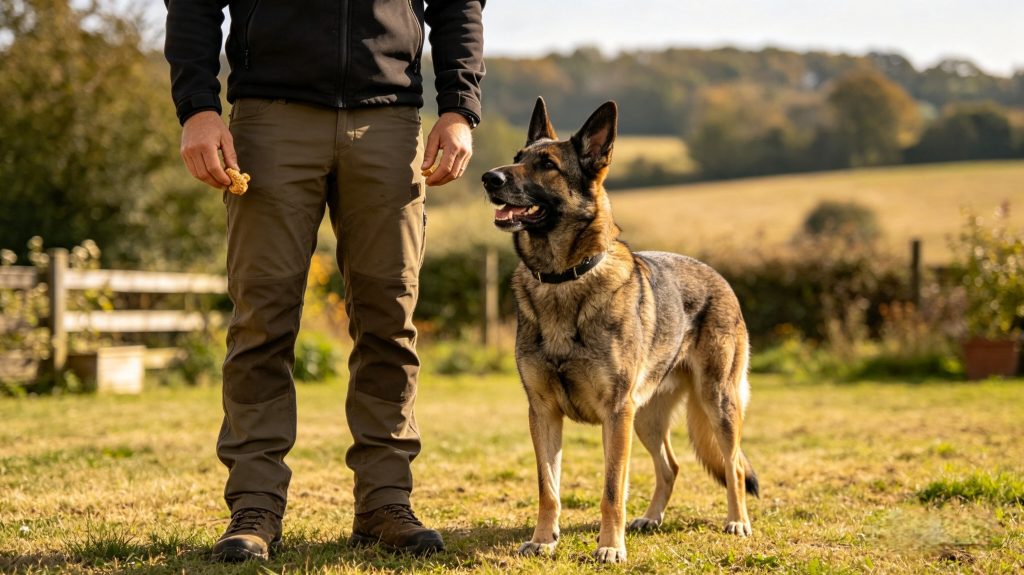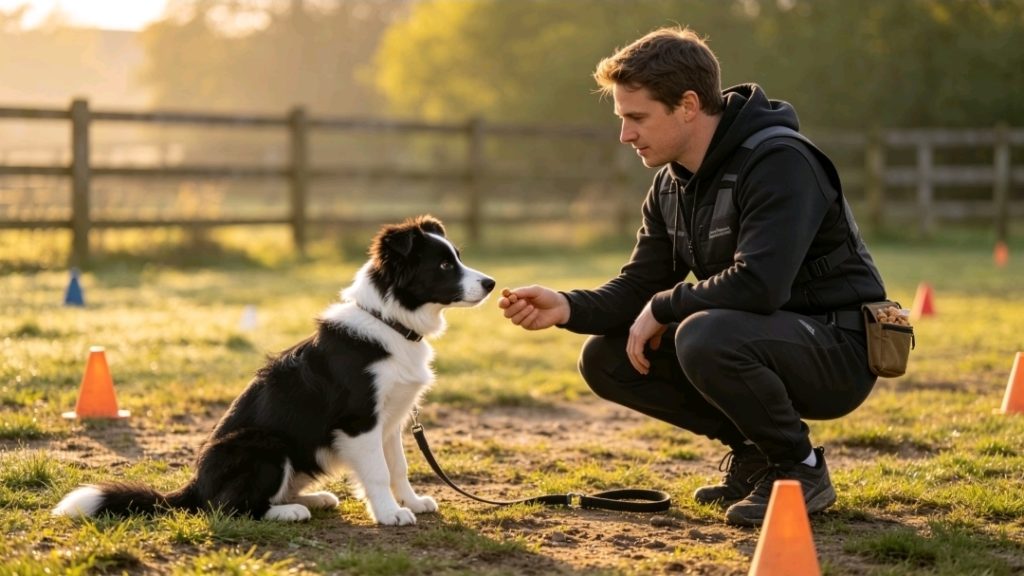
The Best Way to Build Engagement With Your Puppy starts with building trust and focus. Learn practical training techniques to improve attention, motivation and connection. Building engagement with your puppy is one of the most important skills you can develop during the early stages of training. Engagement is the foundation of communication between dog and handler and plays a major role in obedience, focus, recall, and confidence. Without engagement, even the most motivated puppy can become distracted by its environment, making training more difficult and less effective.
The goal of engagement training is to teach your puppy that paying attention to you is rewarding and enjoyable. This creates a stronger bond and helps your puppy naturally choose you over environmental distractions.
What Is Engagement Training?
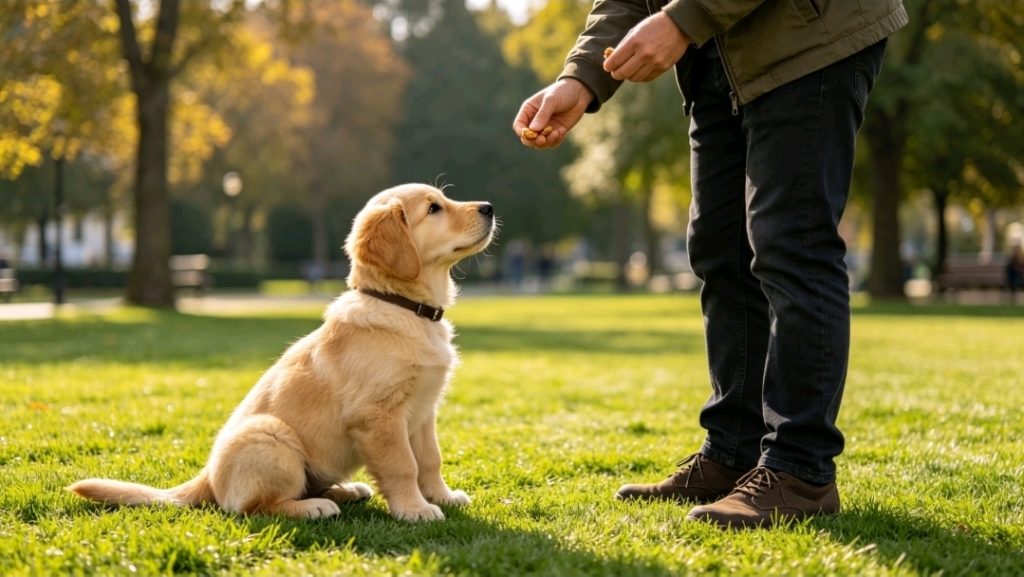
Engagement training teaches your puppy that interacting with you is more rewarding than becoming distracted by the environment. Instead of constantly correcting unwanted behaviour, you teach the puppy to voluntarily focus on you.
This is achieved through motivation, rewards, movement, and clear communication. Puppies naturally learn faster when they are having fun and receiving rewards for making good choices.
Within the GPK9 Fundamentals 1 programme, engagement training starts from six weeks of age and forms the foundation for all future obedience work.
Using Luring to Build Engagement
Luring is one of the fastest ways to create engagement with a young puppy. A lure simply means using food or a reward to guide the puppy into the correct position.
The process is simple:
- Luring
- Reward
- Luring
- Reward
The puppy begins learning that following the handler produces positive outcomes. Over time, the puppy starts actively seeking guidance from the handler instead of becoming distracted.
When using luring techniques, keep training sessions short, positive, and enjoyable. Young puppies have limited attention spans, so success comes from creating multiple small victories rather than long training sessions.
Why Food Motivation Works So Well
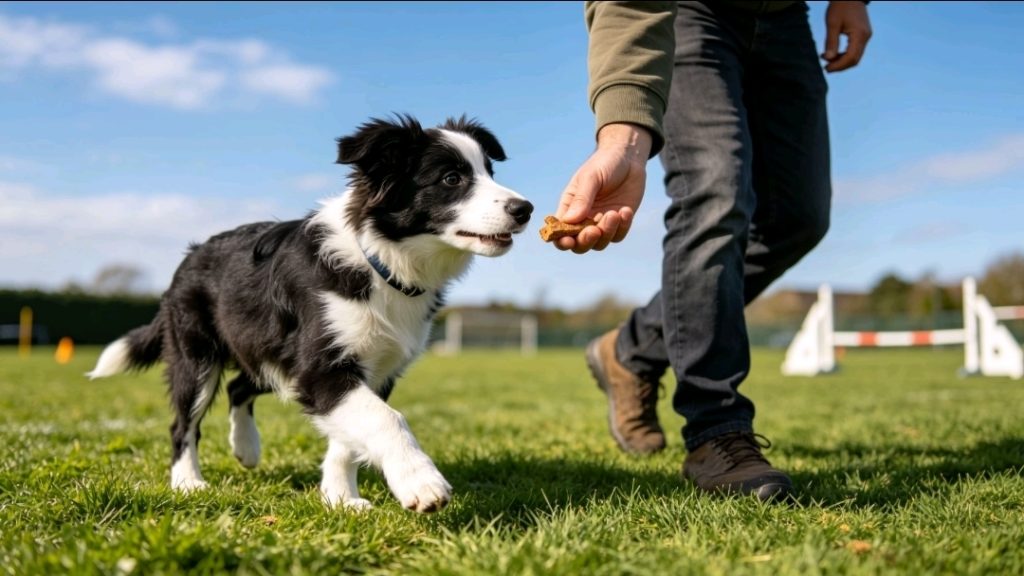
Food is one of the strongest motivators available during puppy training. Most puppies are naturally food-driven and willing to work for rewards.
Food motivation allows trainers to:
- Build focus.
- Increase engagement.
- Teach obedience positions.
- Develop recall.
- Introduce new behaviours.
The key is not simply feeding the puppy. The puppy must learn that food is earned through interaction with the handler.
When the puppy chooses to engage, the reward follows. This creates a strong relationship between focus and reward.
Introducing Play Reward Systems
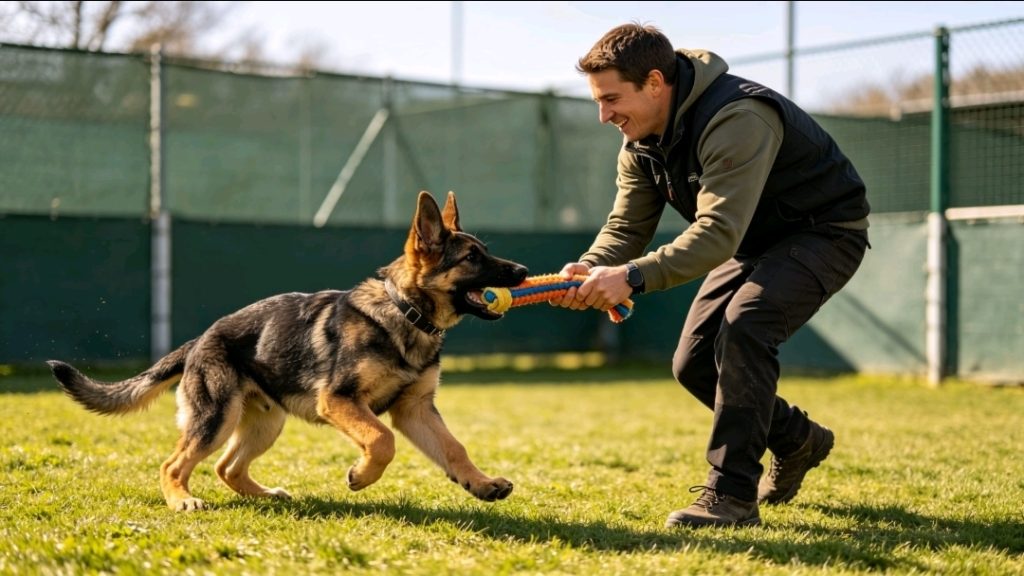
Not every puppy is equally motivated by food. Some puppies become highly motivated by toys, balls, tug items, or interactive games.
This is where play reward systems become extremely valuable.
The process becomes:
- Play.
- Reward.
- Play.
- Reward.
The reward itself becomes the game. The puppy learns that engaging with the handler leads to exciting opportunities to play.
Many working dogs develop stronger engagement through play than through food because the reward activates natural prey and chase instincts.
Handler Interaction Exercises
The best engagement exercises are often the simplest.
Examples include:
- Changing direction during walks.
- Rewarding eye contact.
- Encouraging the puppy to follow movement.
- Marking correct decisions with rewards.
- Creating games that involve the handler.
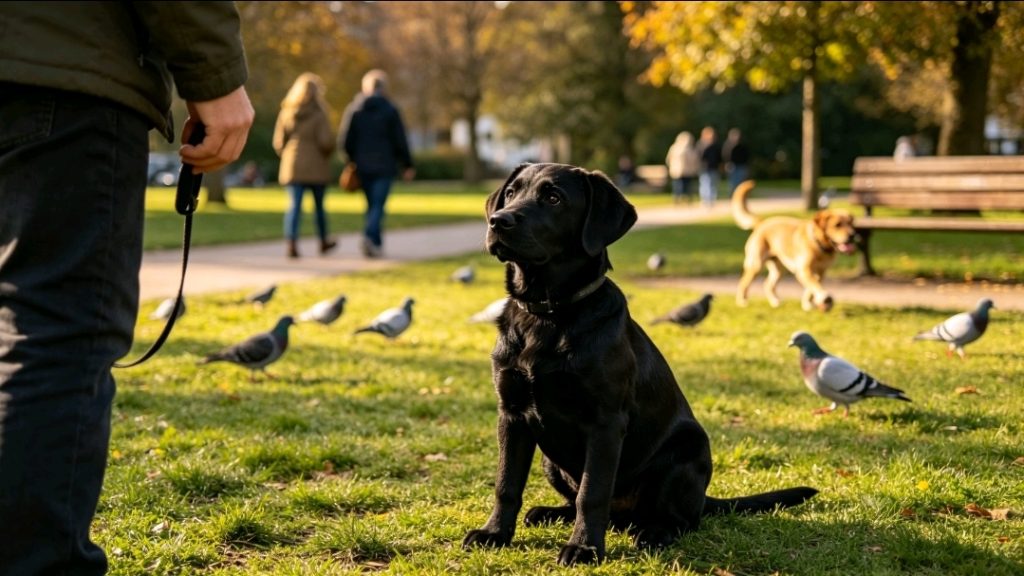
The objective is to make yourself the most interesting thing in the environment.
When engagement is developed correctly, the puppy begins checking in naturally without being asked.
This creates a foundation for future obedience training and advanced dog training programmes.
How to Reduce Distractions
Many owners focus on stopping distractions rather than building engagement.
The reality is that engagement solves most distraction problems naturally.
If your puppy is highly engaged with you, environmental distractions become less important.
Begin training in low-distraction environments before progressing to more challenging locations.
Examples include:
- Living room.
- Garden.
- Quiet field.
- Quiet park.
- Public areas with moderate distractions.
As your puppy becomes more successful, you can gradually increase difficulty while maintaining engagement.
Building Communication Between Dog and Handler
Every training exercise should improve communication.
The puppy learns:
- How to understand the handler.
- How rewards are earned.
- How to solve simple problems.
- How to focus during distractions.
The handler learns:
- What motivates the puppy.
- How long the puppy can focus.
- When rewards should be delivered.
- How to improve engagement.
This two-way communication creates a stronger relationship and a more reliable dog.
Conclusion
The best way to build engagement with your puppy is through consistent interaction, motivation, and reward-based training. Whether you use food motivation, luring techniques, play reward systems, or handler interaction exercises, the objective remains the same: teach your puppy that focusing on you is rewarding.
Strong engagement creates better obedience, stronger recall, improved focus, and a stronger relationship between dog and handler. These foundations are introduced from six weeks of age within the Fundamentals 1 programme and continue throughout the dog’s training journey.
For additional puppy training guidance, practical demonstrations, and step-by-step lessons, see the Fundamentals 1 course.
Continue Your Training Journey With Our Online Courses
Now that you have started building strong foundations with your puppy, the next stage of development is continuing that training through our structured online courses.
Fundamentals 2 is designed for adolescent dogs between 6 and 18 months of age and focuses on real-world obedience, lead walking around distractions, engagement, confidence building, recall development, and managing common teenage dog behaviours. This online course helps owners navigate one of the most challenging stages of dog ownership while continuing to build reliability and control.
Fundamentals 3 is designed for adult dogs and takes training to an advanced level. This online course covers advanced obedience, off-lead control, engagement, handler communication, calmness, environmental neutrality, distraction proofing, and real-world dog training. Fundamentals 3 helps owners create reliable, confident, and well-balanced dogs capable of performing successfully in everyday situations.
Explore Fundamentals 2 and Fundamentals 3 to continue your dog’s training progression and build the skills needed for long-term success.