How Do I Train an Older or Rescue Dog?
Training an older or rescue dog starts with understanding the individual dog, their previous experiences, confidence and ability to cope with change. Age does not automatically prevent learning, and a rescue dog does not necessarily have behavioural problems. The best approach is to establish a suitable routine, build trust, teach clear foundations and adapt the pace of training to the dog’s needs.
RECOMMENDED PRODUCTS

Can You Train an Older or Rescue Dog?
Yes. Dogs can continue learning throughout their lives, although their physical abilities, previous experiences and individual circumstances may influence how training should be approached.
An older dog may already understand household routines and basic commands but need help adapting to a new home. A rescue dog may be unfamiliar with everyday expectations, handling, lead walking or living alongside people and other animals. Some dogs settle quickly, while others need considerably more time.
Avoid assuming that you know a dog’s history or that their age determines what they can achieve. Instead, begin by observing their behaviour and identifying what they already understand.
Successful training is not about making every dog progress at the same speed. It is about helping each dog learn in a way that is suitable for them.
How Does a Dog’s Previous Experience Affect Training?
A dog’s previous experiences can influence how they respond to people, environments, handling and training. However, behaviour alone cannot tell you exactly what a dog has experienced in the past.
Rescue Dogs and Unfamiliar Environments
A rescue dog may have experienced several changes of home, routine, people or surroundings. Even when their previous history is unknown, moving into a new environment can involve a great deal of information to process.
Everyday activities such as entering a room, hearing household noises, meeting visitors or going for a walk may initially feel unfamiliar.
Give the dog time to learn what to expect. Keep early experiences manageable and avoid introducing too many new demands at once.
Older Dogs and Established Habits
Older dogs may already have well-established habits, both helpful and unhelpful. They might be accustomed to particular walking routines, sleeping arrangements, feeding times or ways of interacting with people.
Rather than assuming these habits must immediately change, consider which ones are appropriate and which need gradual adjustment.
Older dogs may also have physical limitations, reduced stamina, changes in hearing or vision, or discomfort that affects their behaviour. If your dog’s movement, tolerance or behaviour changes, seek veterinary advice before increasing training demands.
Confidence and Individual Differences
Two dogs of the same age can respond very differently to the same situation. One may be comfortable exploring new places, while another needs more time and space.
Notice what helps your dog feel secure. This might include a quiet resting area, predictable routines, a familiar walking route or gradual introductions to new experiences.
If your dog appears frightened, avoid forcing them to approach or interact. Confidence develops through manageable experiences, not by repeatedly overwhelming the dog.
How Do I Help My Dog Settle Into a New Home?
Before expecting reliable obedience, establish an environment in which your dog can rest, understand the daily routine and learn what is expected.
Create a Predictable Routine
A consistent routine helps reduce uncertainty. Aim for reasonably predictable times for:
- Feeding and access to fresh water.
- Toilet opportunities.
- Walks and appropriate physical activity.
- Short training sessions.
- Calm interaction and enrichment.
- Undisturbed rest and sleep.
The routine should suit the dog’s age, health and individual needs. An older dog may benefit from shorter walks and more frequent opportunities to rest, while another dog may need additional appropriate activity.
Consistency does not mean every day must be identical. It means your dog can begin to understand the general pattern of everyday life.
Establish Suitable Household Expectations
Decide how you want your dog to behave around doors, visitors, furniture, food, resting areas and everyday household activity.
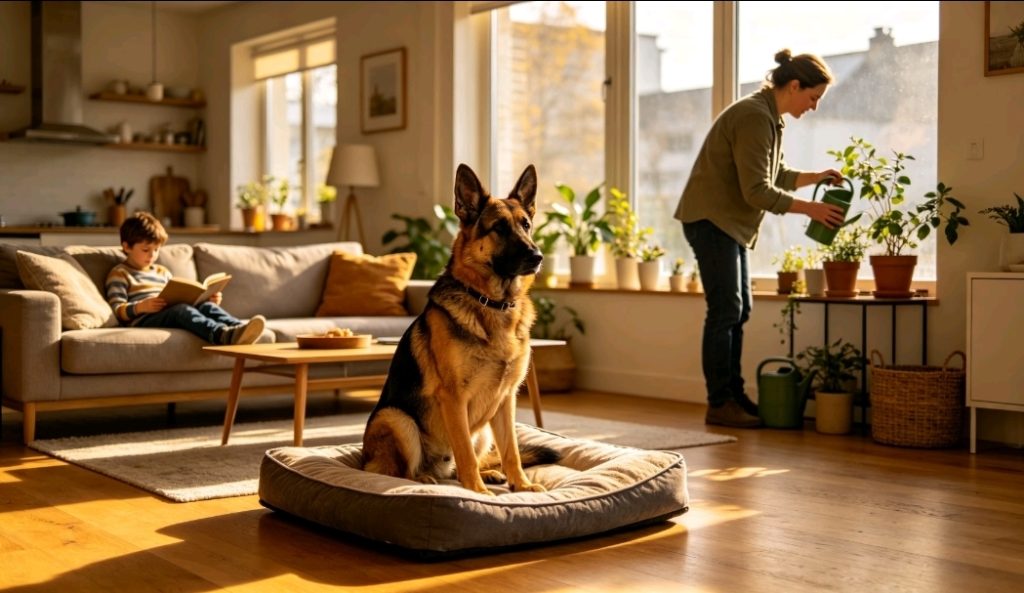
Use clear, consistent expectations and teach the dog what to do rather than relying on repeated corrections. For example, you can reward calm behaviour on a bed or mat while people move around the home.
The home environment plays an important role in learning. Golden Rule 1 — Home & Social explores how routines, boundaries and everyday social experiences contribute to more consistent behaviour. You can find it through the GPK9 Five Golden Rules training system.
Provide a Safe Resting Area
Every dog needs a suitable place to rest without being continually disturbed. Make sure the dog can settle away from busy household activity when necessary.
Children and visitors should be taught not to approach or disturb a resting dog. If the dog is worried about handling or close contact, give them space and seek appropriate guidance rather than attempting to force interaction.
How Do I Build Trust With an Older or Rescue Dog?
Trust develops through predictable, appropriate interactions over time. It should not be measured by how quickly a dog seeks affection or follows a person around.
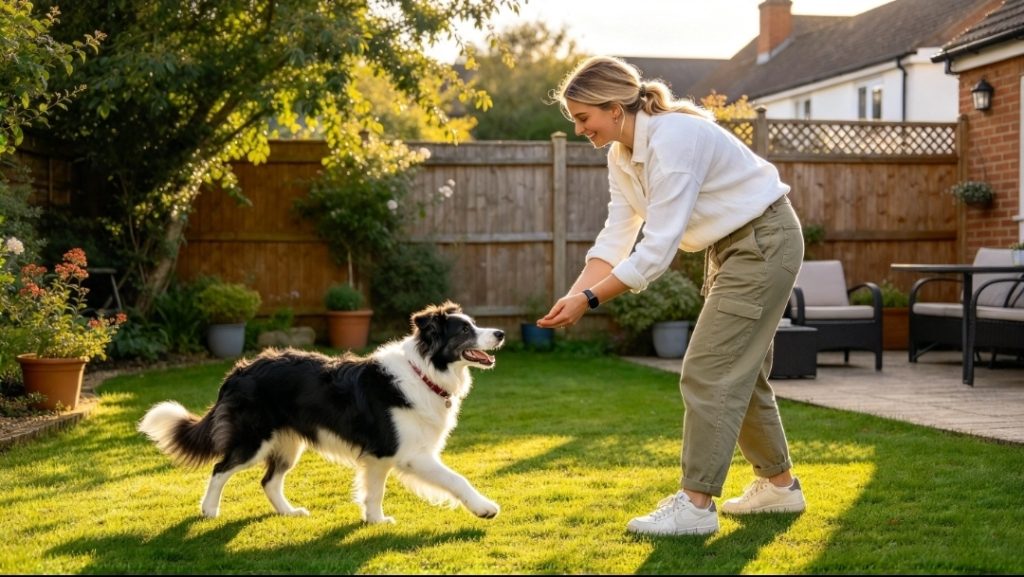
Allow the dog to approach when comfortable, and pay attention to how they respond to touch, attention and handling. Some dogs enjoy close physical contact immediately; others prefer more distance.
Avoid assuming that a dog wants to be stroked simply because they approach you. Observe their body language and give them opportunities to move away.
Look for signs that the dog is comfortable, such as a relaxed posture, voluntary engagement and the ability to disengage without pressure. Signs of discomfort may include turning away, becoming tense, moving away or repeatedly attempting to avoid contact. Interpret these signals in context rather than relying on one sign alone.
The GPK9 course Read Your Dog explores canine body language and how to interpret a dog’s responses more carefully. This understanding can help you make better decisions about interaction, handling and training.
How Should I Start Obedience Training?
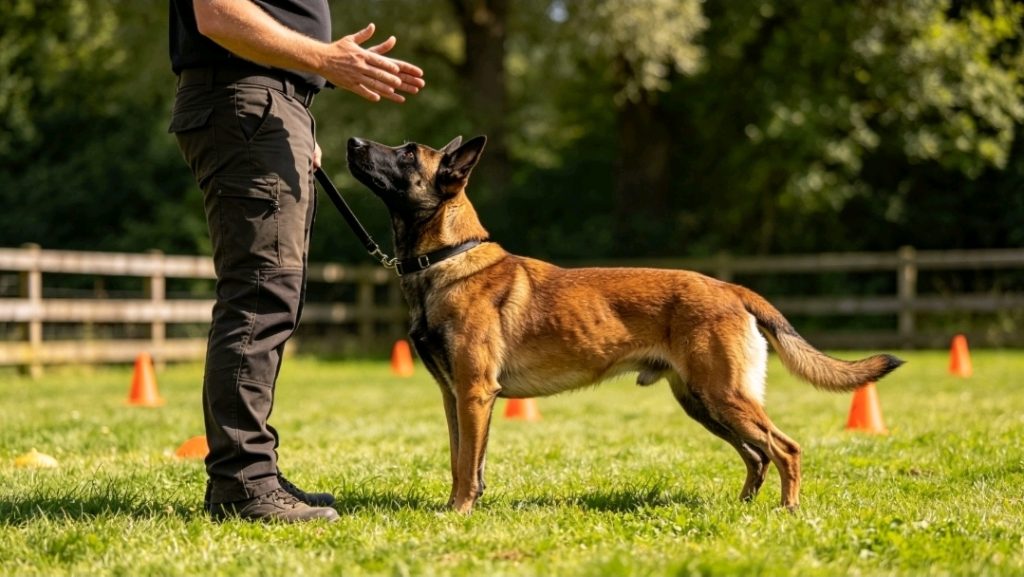
Begin with simple, useful skills and build on what the dog can already do. Avoid testing the dog repeatedly or expecting reliable responses in a busy environment before they have learned the behaviour in easier conditions.
Start With Simple Foundations
Useful starting points may include:
- Responding to their name, where appropriate.
- Choosing to engage with you.
- Following you calmly over a short distance.
- Settling on a suitable resting place.
- Responding to a familiar cue in a quiet environment.
- Walking on a lead without unnecessary pressure.
- Returning to you when called in a safe, controlled setting.
Choose skills that are relevant to your dog’s current needs. You do not have to teach everything at once.
Use Clear Cues and Appropriate Rewards
Choose cues you can use consistently. Give your dog enough time to respond, and reward the behaviour you want to encourage.
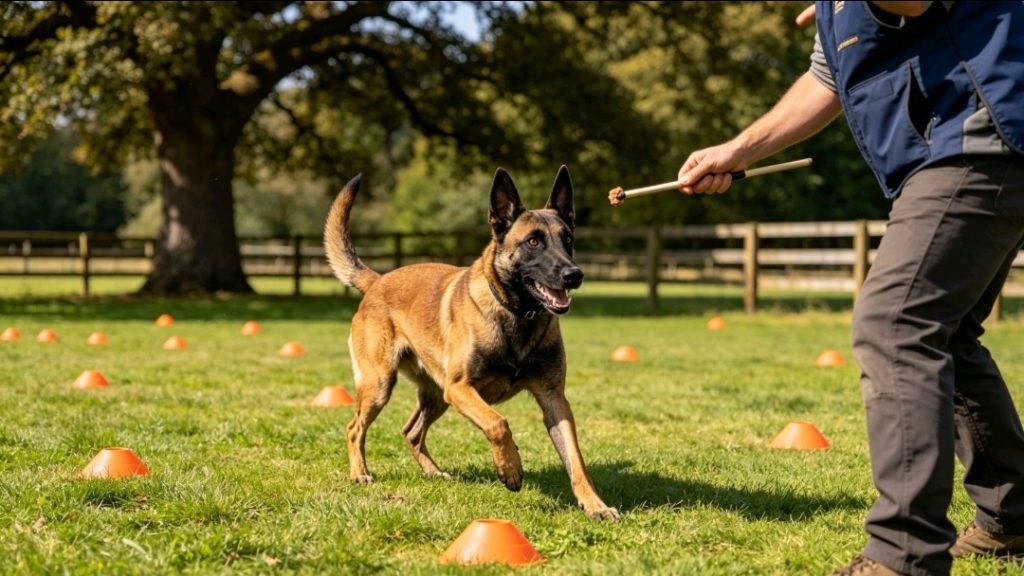
Food, toys, praise or other suitable rewards may help motivate learning, depending on the individual dog. Some dogs may need time before they are comfortable taking food or engaging with toys in a new environment.
If your dog does not respond, consider whether the cue is understood, the environment is too distracting, the reward is suitable or the dog is uncomfortable. Repeating a cue louder or applying more pressure does not necessarily improve understanding.
The GPK9 Fundamentals 1 course introduces foundational training, including engagement, basic obedience and early behavioural development. These foundations can be adapted to a dog’s current ability rather than treating age or rescue status as a barrier to learning.
Keep Training Sessions Manageable
Short, successful sessions are often more useful than long sessions that leave a dog tired, frustrated or disengaged.
End or simplify the exercise if your dog struggles to respond, becomes unsettled or appears physically uncomfortable. Progress gradually as the dog becomes more confident and consistent.
For an older dog, consider physical comfort and stamina. For a newly adopted dog, allow time to become familiar with the surroundings before increasing the difficulty of training.
What If My Older or Rescue Dog Is Nervous?
Nervous behaviour can appear in different ways. A dog may hide, freeze, avoid people, bark, growl, pull away or become unusually restless. These responses do not necessarily indicate stubbornness or a lack of training.
Start by identifying what appears to make the dog uncomfortable. Consider the distance from a person or animal, the noise level, the type of handling involved and whether the dog has an easy way to move away.
Useful steps include:
- Reducing the intensity of the situation.
- Providing more distance from unfamiliar people, dogs or noises.
- Keeping interactions brief and allowing the dog to disengage.
- Rewarding calm, voluntary engagement where appropriate.
- Avoiding forced greetings and overwhelming introductions.
- Seeking professional advice if fear is persistent, severe or affects everyday life.
Fear and anxiety can influence a dog’s ability to learn and cope with change. The GPK9 course Fear, Confidence and Anxiety explores recognising stress signals, adjusting situations and supporting confidence at an appropriate pace.
If your dog displays aggression, attempts to bite or reacts unpredictably, prioritise safety and seek an individual assessment from a suitably qualified behaviour professional. Veterinary advice is also important if pain or illness may be contributing to the behaviour.
How Long Does It Take to Train an Older or Rescue Dog?
There is no fixed timetable. Some dogs learn household routines quickly, while others need weeks or months to become comfortable with particular situations. The time required depends on the dog, the skill being taught, the environment and the consistency of the approach.
Rather than judging progress by a deadline, look for meaningful changes:
- Your dog settles more comfortably at home.
- They recover more readily after unfamiliar experiences.
- They engage with you voluntarily.
- They understand familiar cues in suitable environments.
- They can cope with everyday routines more consistently.
- They show increasing confidence without being pushed beyond their ability.
Progress may not be linear. A change in routine, an unfamiliar environment, discomfort or a stressful experience can temporarily affect behaviour. Review the situation and adjust your expectations instead of assuming the dog has forgotten everything they learned.
Common Mistakes to Avoid
When training an older or rescue dog, avoid these common mistakes:
Expecting immediate results. A new home can involve many changes. Give the dog time to settle and learn.
Assuming their history. Do not attribute behaviour to abuse, neglect or a particular past experience without evidence.
Introducing too much too soon. Busy walks, visitors, close dog encounters and demanding training can overwhelm a dog that is still adjusting.
Using inconsistent expectations. If different people respond differently to the same behaviour, the dog may struggle to understand what is expected.
Ignoring physical comfort. Pain, mobility changes and sensory difficulties can affect learning and tolerance, especially in older dogs.
Forcing contact or exposure. Allowing appropriate distance and choice can help you understand what the dog is comfortable with.
Comparing your dog with others. Every dog has a different history, temperament, learning pace and set of needs.
RECOMMENDED PRODUCTS
Building a Better Future With Your Dog
Training an older or rescue dog is about understanding the individual, creating suitable conditions for learning and building useful skills gradually. Age does not automatically prevent progress, and a rescue dog’s previous history does not define their future behaviour.
Start with a predictable home environment, observe your dog’s body language, teach clear obedience foundations and adjust the pace to suit their confidence and physical needs. If fear, aggression or other significant behavioural concerns arise, seek appropriate professional support.
With realistic expectations, consistent handling and training suited to the individual dog, you can help them develop greater confidence and more reliable everyday behaviour.
If you need additional support, contact our online coach.