
How Do I Teach My Dog to Play?
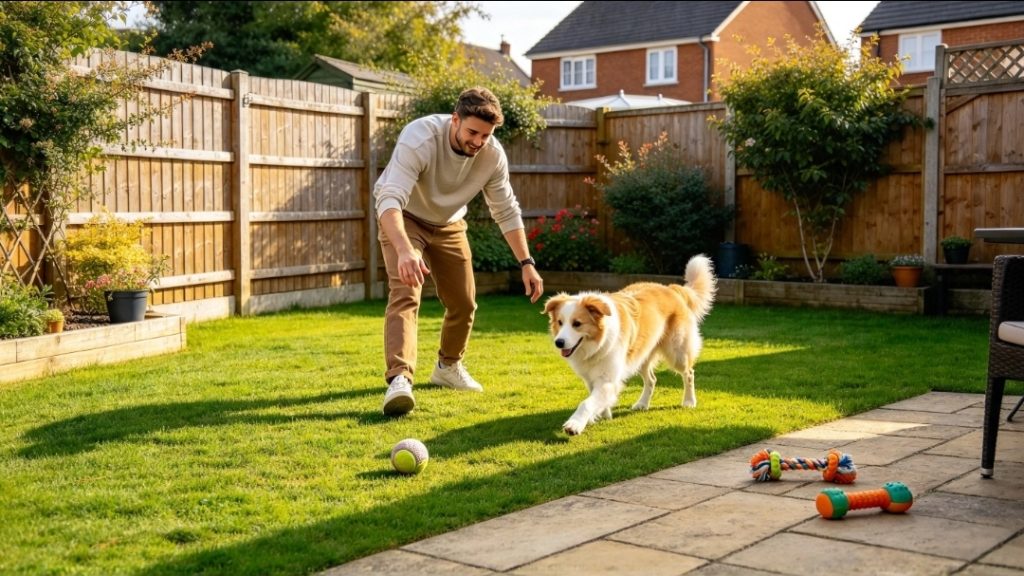
How do I teach my dog to play? Start by finding out what type of play your dog naturally enjoys, then make the interaction simple, positive and rewarding. Use a suitable toy, keep sessions short, allow your dog to choose to engage, and gradually build the game rather than forcing interaction.
RECOMMENDED PRODUCTS

Why Does My Dog Not Want to Play?
Not every dog naturally enjoys playing with toys.
A dog may ignore toys because it is unsure what to do, has not learned how to interact with them, prefers food or other rewards, is tired, nervous or distracted, or simply has a different play preference.
The first step is to find what your dog enjoys rather than repeatedly presenting the same toy.
How Do I Introduce My Dog to a Toy?
Start in a quiet environment where your dog feels comfortable.
Choose a toy that is suitable for your dog and move it gently enough to encourage interest without overwhelming them. Allow your dog to investigate, sniff or touch the toy.
If your dog shows interest, reward that engagement by continuing the interaction.
Do not force the toy into your dog’s mouth or repeatedly push it towards the dog if they are showing no interest.
The aim is to make the toy something your dog wants to interact with.
How Do I Teach My Dog to Chase a Toy?
Some dogs become interested when a toy moves naturally.
Move the toy slowly across the floor and briefly pause. If your dog follows, looks at or approaches the toy, continue the interaction.
Avoid immediately making the game too fast or intense.
Once your dog understands that following the toy leads to an enjoyable interaction, you can gradually introduce more movement.
Keep the sessions short enough that your dog remains interested.
How Do I Teach My Dog to Tug?
Start by offering a suitable tug toy and allowing your dog to investigate it.
If your dog takes hold, apply only gentle resistance and allow them to pull against you.
Keep the game controlled and enjoyable.
Once your dog understands the game, you can introduce a clear release cue. Stop moving the toy, wait for your dog to release it, then reward the release by restarting the game.
This teaches your dog that letting go does not necessarily mean the fun has ended.
How Do I Teach My Dog to Fetch?
Begin with a short distance.
Encourage your dog to take the toy and return towards you. When your dog comes back, use your reward to encourage the return rather than immediately throwing the toy again from a distance.
Once your dog consistently returns with the toy, gradually increase the throwing distance.
A safe enclosed area can make early fetch training easier because your dog has fewer opportunities to run away with the toy.
Should I Use Food to Teach My Dog to Play?
You can use food to help build interest in a toy, but the food should not become the entire game.
For example, you can reward your dog for touching, chasing or holding the toy, then gradually make the toy itself more valuable as the reward.
The aim is to develop an enjoyable interaction with the toy rather than constantly placing food in or around it.
If your dog already enjoys play, you may not need food at all.
How Long Should I Play With My Dog?
Keep early play sessions short and successful.
There is no need to continue until your dog becomes tired or loses interest. Ending while your dog is still engaged can help maintain the value of the game.
Several short sessions can be more useful than one long session.
As your dog’s interest and understanding improve, you can gradually increase the duration.
How Do I Stop Play Without Frustrating My Dog?
Teach a clear end-of-play routine.
Stop the movement of the toy, use a release cue if appropriate, and calmly finish the interaction.
You can then give your dog another activity or allow them to settle.
Learning when play starts and stops is part of learning how to play appropriately.
What If My Dog Gets Too Excited During Play?
Play should increase engagement without making your dog unable to think or respond.
If your dog becomes excessively excited, reduce the intensity and shorten the game.
You can also pause the interaction and wait for your dog to settle before continuing.
Avoid turning every play session into increasingly intense physical activity. Your dog should learn to engage, disengage and return to calm behaviour.
How Do I Teach My Dog to Play Without Biting Me?
Keep the interaction focused on the toy rather than your hands or clothing.
If your dog grabs your hands, clothes or body instead of the toy, calmly stop the interaction and redirect the game towards an appropriate toy.
Reward appropriate interaction with the toy by continuing the game.
Do not encourage rough play that you do not want your dog to repeat.
How Do I Know What Type of Play My Dog Likes?
Try different appropriate activities and observe your dog’s response.
Your dog may prefer:
- Tugging
- Chasing
- Fetching
- Searching for a toy
- Interactive games
- Food-dispensing toys
- Short games involving movement
Look for signs that your dog is voluntarily engaging, returning to the game and remaining interested.
If your dog repeatedly walks away, loses interest or appears uncomfortable, change the activity rather than forcing participation.
How Do I Use Play During Training?
Once your dog enjoys playing, you can use the game as a reward.
Ask for a simple behaviour, wait for your dog to perform it, mark the correct behaviour and then start the game.
For example:
Cue → behaviour → mark → play → release → reset.
This teaches your dog that appropriate behaviour earns access to something they enjoy.
You can gradually use play to reinforce behaviours such as attention, recall, waiting and obedience.
RECOMMENDED PRODUCTS
How Do I Progress Play Training?
Start with the easiest version of the game your dog enjoys.
Then gradually increase difficulty by changing factors such as distance, duration, distractions or the complexity of the behaviour required before play.
Do not make everything harder at once.
If your dog’s interest decreases, the exercise may have progressed too quickly. Reduce the difficulty and rebuild successful engagement.
When Should I Avoid Encouraging Play?
Do not force play when your dog is frightened, highly stressed, unwell or clearly uncomfortable.
If your dog suddenly stops wanting to play when they previously enjoyed it, consider whether there could be an underlying physical or behavioural reason. A sudden change in behaviour may warrant veterinary advice.
Play should always remain safe, voluntary and appropriate for the individual dog.
Conclusion
Teaching a dog to play is about discovering what they enjoy and gradually building their confidence and engagement.
Start with a suitable toy, keep the game simple, reward interest, teach clear start and end points, and avoid forcing interaction.
Once your dog understands how to play, you can use that play as a powerful reward during training while still teaching your dog to engage, release and settle when required.




