
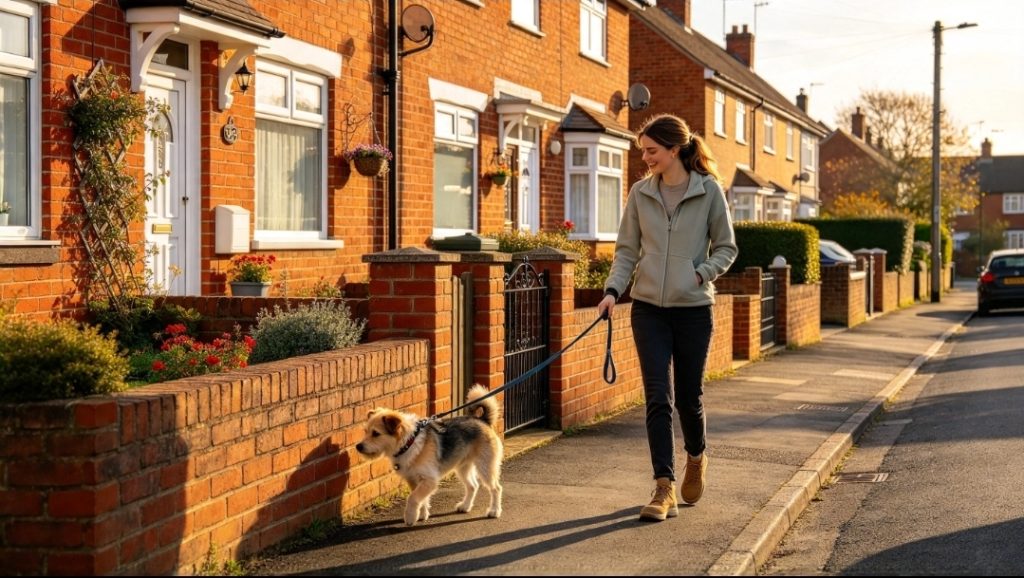
How Do I Stop My Dog Stopping During Walks?
How do I stop my dog stopping during walks? First, identify why your dog is stopping, then make the walk easier and reward your dog for choosing to move with you. Do not simply pull your dog forward, because stopping can be caused by tiredness, fear, discomfort, distraction, uncertainty or wanting to investigate something.
RECOMMENDED PRODUCTS

Why Does My Dog Stop During Walks?
There is no single reason why a dog stops walking.
Your dog may stop because they have found an interesting smell, want to investigate something, are tired, are uncomfortable, are worried about something in the environment or have learned that stopping changes what happens next.
The situation surrounding the stopping behaviour is important. Look at your dog’s body language and what happened immediately before they stopped.
A dog that is relaxed and sniffing is behaving differently from a dog that has suddenly frozen, lowered their body, tried to retreat or appears frightened.
What Should I Do When My Dog Stops?
First, stop and assess the reason rather than immediately pulling your dog forward.
Check that your dog is not injured or uncomfortable and look for anything in the environment that could be causing concern.
If your dog is relaxed and simply investigating a smell, give them a reasonable opportunity to finish before calmly encouraging them to continue.
If your dog appears worried or overwhelmed, increase distance from whatever is causing the problem and give them time to recover.
How Do I Encourage My Dog to Start Walking Again?
Once you know your dog is comfortable, use something your dog finds rewarding to encourage movement.
You can use your voice, a food reward or movement away from a distraction, depending on what motivates your dog.
Take a few steps and reward your dog when they choose to move with you. Keep the initial distance short so that your dog can succeed.
Avoid repeatedly calling, pulling or dragging your dog. The aim is to teach your dog that moving with you is worthwhile.
Should I Pull My Dog When They Stop?
No. Avoid dragging your dog forward with the lead.
Pulling may physically move your dog, but it does not teach them why they should continue walking. If your dog has stopped because they are frightened or uncomfortable, pulling can also increase their stress.
Instead, identify the reason for stopping, remove unnecessary pressure and reward voluntary movement.
What If My Dog Stops Because They Want to Sniff?
Sniffing is a normal part of walking and does not need to be prevented.
If your dog stops frequently to investigate smells, teach them when they can stop and explore and when it is time to continue.
Allow appropriate sniffing opportunities, then use a consistent cue or your movement to indicate that the walk is continuing. When your dog gets up and walks with you, reward them.
This creates a balance between exploration and controlled movement.
What If My Dog Stops Because They Are Frightened?
Do not force a frightened dog towards whatever is worrying them.
Increase the distance from the trigger and allow your dog to settle. Once your dog is comfortable enough to respond, reward calm behaviour and gradually work on the problem at a level they can manage.
If your dog regularly freezes, tries to escape, becomes extremely fearful or reacts aggressively, professional assessment may be appropriate.
What If My Dog Stops in Busy Areas?
Busy environments can be difficult for some dogs because there are more people, dogs, traffic, sounds and movement.
If your dog stops repeatedly in busy areas, consider whether the environment is simply too difficult.
Move to a quieter location and allow your dog to recover. When they can walk calmly again, gradually introduce busier environments rather than expecting them to cope immediately.
RECOMMENDED PRODUCTS
Could My Dog Be Stopping Because They Are Tired?
Yes. Puppies, older dogs and dogs that are not accustomed to longer walks may stop because they need a break.
Consider the length, pace and difficulty of the walk. A physically tired dog may need rest rather than more training.
If stopping is unusual for your dog or is accompanied by limping, stiffness, excessive panting, reluctance to move or other changes in behaviour, speak to your vet to rule out an underlying physical problem.
How Can I Prevent My Dog From Stopping Repeatedly?
Build the behaviour you want before the problem becomes frequent.
Start walks at a manageable pace and reward your dog for voluntarily moving with you. Keep the early stages easy and gradually increase the duration and environmental difficulty.
Make sure your dog gets appropriate opportunities to sniff and explore rather than expecting them to walk continuously.
If your dog begins stopping more frequently, reassess the environment, your dog’s physical condition and the level of difficulty instead of simply asking them to walk further.
What Equipment Should I Use?
Use equipment that allows you to manage your dog safely without forcing them forward.
A suitable harness and lead can provide appropriate control during normal walking. A short line can be useful where closer control is necessary, while a long line may be appropriate in a safe, open area where your dog has enough freedom to explore.
Equipment should support training and safety. It should not be used to drag a reluctant or frightened dog forward.
What Are the Most Common Mistakes?
One of the biggest mistakes is assuming every stop means the dog is being stubborn.
Other common mistakes include pulling the dog forward, ignoring signs of fear or discomfort, making walks too long, preventing all sniffing and exploration, and increasing the difficulty too quickly.
Another mistake is rewarding only the final result. Rewarding small voluntary movements can help a dog understand exactly what behaviour you want.
When Should I Be Concerned About My Dog Stopping?
Sudden or persistent changes in walking behaviour deserve attention.
If your dog normally walks well but suddenly refuses to move, appears painful, limps, repeatedly sits or lies down, or shows other physical changes, contact your vet.
If the stopping is linked to fear, severe anxiety, aggression or particular environmental triggers, seek professional behavioural support where appropriate.
Conclusion
To stop your dog stopping during walks, find out why they are stopping before trying to change the behaviour.
Check for discomfort, identify environmental triggers, allow appropriate exploration, reduce pressure when your dog is worried and reward voluntary movement. Avoid dragging your dog forward and build their walking ability gradually.
The most effective solution is not simply getting your dog to keep moving. It is teaching them that walking with you is safe, predictable and rewarding.




