
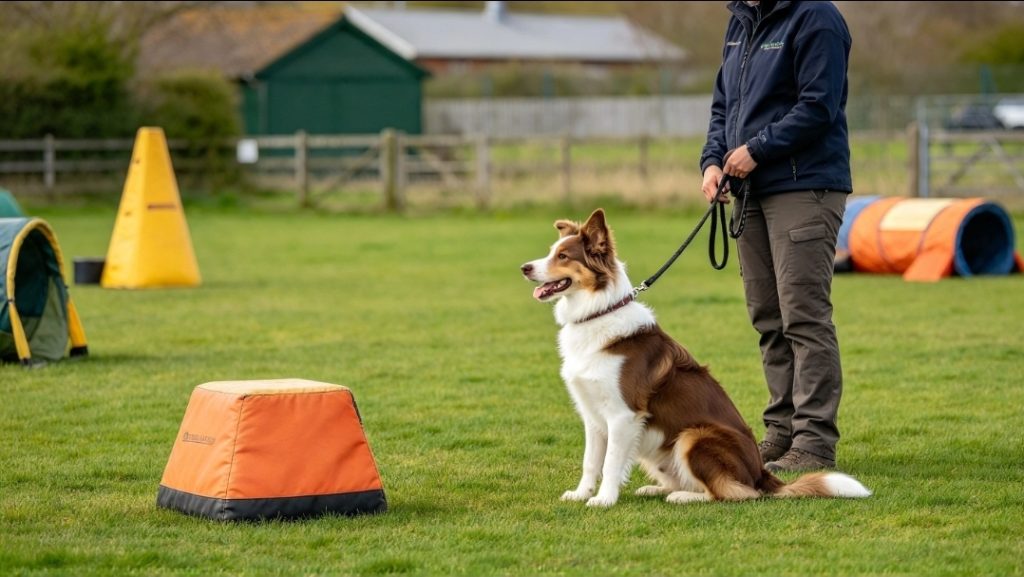
How Do I Stop My Dog Pulling on the Lead?
How do I stop my dog pulling on the lead? The key is to teach your dog that walking on a loose lead is rewarding, while pulling does not help it reach what it wants. Start in a quiet environment, reward the behaviour you want, and gradually increase distractions as your dog becomes more reliable.
RECOMMENDED PRODUCTS

Why Does My Dog Pull on the Lead?
Dogs pull on the lead for different reasons. Your dog may be excited about going outside, trying to reach another dog, following a scent, wanting to greet someone, or simply moving faster than you.
Pulling can also become a learned habit. If pulling regularly allows your dog to reach something interesting, the behaviour can become stronger because the dog has discovered that pulling works.
The first step is therefore to stop allowing pulling to consistently achieve the result your dog wants.
How Do I Teach My Dog to Walk Without Pulling?
Begin somewhere with very few distractions. Your dog should be able to concentrate on you without becoming overly excited.
Hold the lead comfortably and allow your dog to walk beside or near you without tension on the lead. When your dog is walking with a loose lead, reward it immediately.
Continue walking and reward frequently at first. You are teaching your dog that staying close and keeping the lead loose makes good things happen.
Do not expect your dog to walk perfectly for a long distance straight away. Build the behaviour in short sections.
What Should I Do When My Dog Starts Pulling?
When your dog pulls, avoid continuing forward while the lead is tight.
Stop moving or change direction, depending on the situation. Wait for your dog to return attention towards you or create some slack in the lead.
As soon as the lead becomes loose again, continue walking and reward the behaviour.
The important lesson is:
Loose lead = walking continues.
Tight lead = walking pauses or changes direction.
This needs to be applied consistently so your dog learns that pulling does not provide a faster route towards whatever it wants.
Should I Reward My Dog for Walking on a Loose Lead?
Yes. Rewarding loose-lead walking helps your dog understand exactly which behaviour you want.
Use food, praise, a toy, or another reward your dog finds motivating. Deliver the reward while your dog is showing the behaviour you want to reinforce.
At the beginning of training, reward frequently. As your dog improves, gradually increase the amount of walking required before receiving a reward.
The aim is not to reward your dog forever for every step. The aim is to build a reliable walking habit that can eventually be maintained with less frequent reinforcement.
How Do I Stop My Dog Pulling Towards Other Dogs?
Other dogs can be one of the biggest distractions during lead training.
Do not wait until your dog is already pulling, lunging or becoming too excited. Increase distance before your dog loses the ability to concentrate.
Reward your dog for noticing the other dog while remaining calm and keeping the lead loose.
If your dog cannot respond to you or settle at the current distance, move further away and allow your dog to regain focus before continuing.
The distance should be appropriate for your individual dog. Training becomes much harder if you repeatedly allow your dog to become overwhelmed.
How Do I Stop My Dog Pulling Towards People?
Use the same principle when your dog wants to greet people.
Reward your dog for remaining calm and walking with you. If greeting is appropriate, wait until the lead is loose and your dog is under control before allowing access.
This prevents pulling from becoming the behaviour that gets your dog closer to people.
Your dog learns that calm behaviour provides access, while pulling does not.
What Equipment Should I Use to Stop Lead Pulling?
Equipment can help you manage your dog safely, but equipment alone does not teach your dog how to walk correctly.
A suitable harness can provide comfortable control while you work on loose-lead training. A standard lead is useful for controlled walking and training in suitable environments.
A short line can provide closer control when your dog needs additional guidance.
A longer line can be introduced when your dog has developed better control and you have an appropriate safe area to use it.
Choose equipment that allows you to manage your dog safely while continuing to teach the behaviour rather than relying on equipment to solve the pulling itself.
How Long Does It Take to Stop a Dog Pulling on the Lead?
There is no fixed timeframe.
Some dogs improve quickly when pulling has only recently developed. Dogs that have pulled for months or years may need much more consistent training because the behaviour has become established.
Progress depends on your dog’s age, motivation, environment, distractions, previous training and how consistently everyone handles the lead.
Short, regular training sessions are usually more productive than expecting your dog to maintain perfect behaviour during a long walk.
What If My Dog Pulls Again After Improving?
Regression is normal.
Your dog may walk well in a quiet area but start pulling again when faced with a new environment, another dog, unfamiliar people or an exciting smell.
This does not necessarily mean the training has failed. It means the behaviour needs more practice at that level of difficulty.
Reduce the distraction, regain control and return to a level where your dog can succeed.
Then gradually increase the difficulty again.
Common Mistakes That Make Lead Pulling Worse
One common mistake is allowing the dog to pull sometimes but stopping it at other times. Inconsistent responses can make the behaviour difficult for the dog to understand.
Another mistake is starting training in an environment that is too distracting.
Expecting a dog to walk perfectly beside you immediately can also create unnecessary frustration. Begin with short periods of success and gradually build duration.
Avoid constantly pulling back on the lead. If the dog pulls and you pull in the opposite direction, you can end up in a continuous battle over the lead rather than teaching the dog what behaviour you actually want.
How Do I Make Loose-Lead Walking More Reliable?
Once your dog can walk without pulling in a quiet environment, gradually introduce more challenging situations.
Practise around mild distractions first, then increase the difficulty.
You can gradually work on:
- Longer periods of loose-lead walking
- Different walking routes
- More people nearby
- Greater distances
- Mild environmental distractions
- Other dogs at an appropriate distance
- More exciting environments
Do not increase every difficulty at once.
If your dog struggles, reduce the difficulty and rebuild the behaviour before progressing again.
What Should I Do If My Dog Has a Strong Pulling Habit?
If your dog has developed a strong pulling habit, focus on changing the behaviour rather than trying to physically overpower the dog.
Start somewhere your dog can concentrate. Reward loose-lead walking frequently and prevent pulling from repeatedly producing access to exciting things.
As your dog becomes more reliable, gradually practise around the situations that previously caused the most pulling.
If pulling is accompanied by lunging, intense reactivity, aggression or an inability to regain calm behaviour, seek help from a qualified professional who can assess the individual situation.
RECOMMENDED PRODUCTS
How Do I Know If My Dog Is Improving?
Look for smaller signs of progress rather than expecting perfect walking immediately.
Your dog may begin to:
- Put less tension on the lead
- Check in with you voluntarily
- Return attention to you after becoming distracted
- Walk further before pulling
- Recover more quickly after becoming excited
- Respond to changes in direction
- Maintain a loose lead for longer periods
These improvements show that your dog is beginning to understand how you want it to walk.
Conclusion
To stop your dog pulling on the lead, teach your dog that loose-lead walking is what allows the walk to continue and provides access to rewards and appropriate distractions.
Start in an easy environment, reward the behaviour you want, stop allowing pulling to consistently achieve the desired result, and gradually introduce more difficult distractions.
The goal is not simply to hold your dog back from pulling. The goal is to teach your dog how to walk with you successfully.




