
What to Do When Your Dog Loses Interest During Play Training
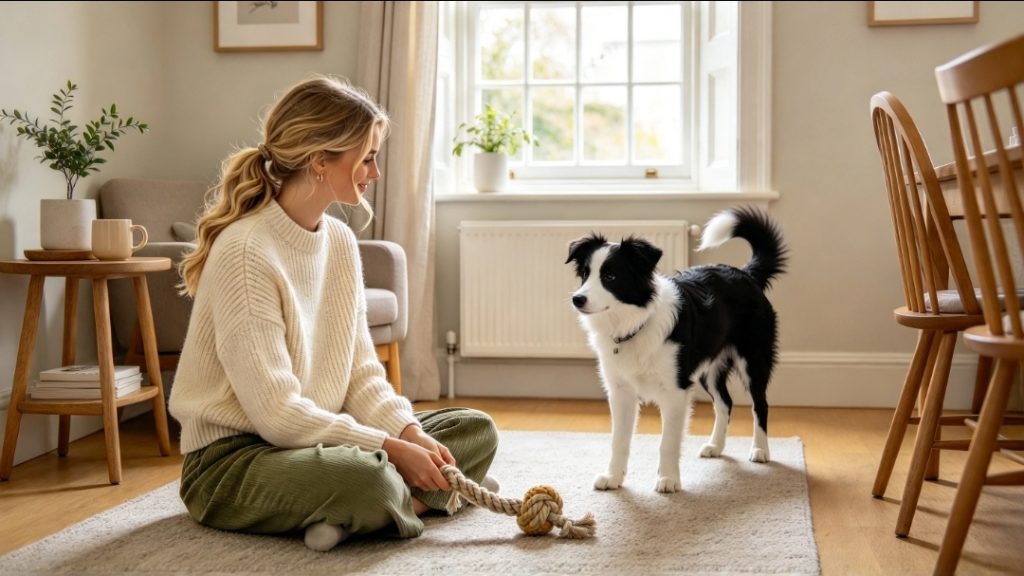
What to do when your dog loses interest during play training starts with identifying why the dog’s engagement has changed. A dog may initially chase, carry or interact with a toy before turning away, wandering off or becoming distracted. Rather than moving the toy faster or repeatedly switching activities, observe the dog’s behaviour, consider the environment and adjust the session. Shorter play sessions, appropriate toys, consistent handling and well-timed breaks can help maintain positive engagement without forcing the dog to continue.
RECOMMENDED PRODUCTS

Why Does a Dog Lose Interest During Play Training?
A dog can lose interest during play training for several reasons. The activity may have continued for too long, the toy may no longer be interesting, the environment may be distracting or the dog may need a break.
Sometimes the handler’s approach also affects engagement. Repeatedly moving a toy, changing direction or increasing excitement may not help if the dog is already disengaging.
The important point is that losing interest does not automatically mean a dog lacks motivation or is refusing to cooperate. The change needs to be considered in context.
Observe what the dog was doing before its interest declined. Did it initially interact with the toy? Did something change in the environment? Did the session become repetitive? Did the dog appear tired, uncomfortable or overstimulated?
Understanding the sequence of events can help you make a more appropriate adjustment.
Common Signs a Dog Is Losing Interest During Play
A dog may show several signs when its engagement begins to decline, including:
- Turning its head away from the toy.
- Looking towards other objects or activities.
- Releasing the toy and walking away.
- Sniffing the ground or investigating the environment.
- Showing only brief interest before disengaging.
- Responding less consistently to the handler’s movements.
- Taking longer to approach the toy.
- Choosing to rest rather than continue playing.
These behaviours do not all have the same meaning. A dog that briefly looks away may simply be processing information, while a dog that repeatedly leaves the activity may need a different approach.
Look at the overall pattern rather than interpreting one action in isolation.
Common Mistakes When a Dog Loses Interest During Play
1. Moving the Toy Faster
When a dog loses interest, the handler may try to regain attention by moving the toy faster or making the interaction more exciting.
This can sometimes increase activity without restoring meaningful engagement. It may also overwhelm a dog that is already struggling to focus.
Instead, pause and observe. If the dog is comfortable and interested, present the activity in a way that allows it to approach voluntarily.
2. Changing Toys Repeatedly
Offering a different toy can sometimes help identify an individual dog’s preferences. However, switching toys every time the dog disengages may prevent the handler from understanding what caused the change.
Consider the environment, session length, toy presentation and the dog’s physical comfort before introducing something new.
3. Continuing for Too Long
A dog may start a session with enthusiasm but gradually become less interested as repetition increases.
Continuing simply because the dog was engaged at the beginning can turn a useful activity into an unproductive one.
Keep sessions manageable and finish while the interaction remains positive.
4. Confusing Movement With Engagement
A dog that runs around or reacts quickly to a moving object is not necessarily participating in a focused interaction.
Equally, a dog that moves slowly or briefly investigates an object may still be showing interest.
Assess whether the dog is voluntarily interacting with the activity, responding comfortably and able to disengage when necessary. The quality of engagement matters more than the amount of movement.
5. Becoming Inconsistent
Repeatedly changing the activity, signals or handling approach can make it harder to identify what the dog finds rewarding.
Use a consistent approach and change one factor at a time where possible. This makes it easier to observe whether an adjustment improves engagement.
How to Keep a Dog Engaged During Play Training
1. Choose the Right Environment
Begin in a familiar, relatively quiet area where unnecessary distractions are limited.
If the dog is more interested in people, other dogs, sounds or movement nearby, it may struggle to focus on play. Moving to a calmer environment can help you assess the dog’s interest more accurately.
Once the dog is comfortable and engaging consistently, distractions can be introduced gradually.
2. Choose a Suitable Toy
Dogs have individual preferences. Some enjoy chasing a moving object, others prefer carrying toys, and some show little interest in conventional toys.
Offer a safe, suitable toy and observe how the dog responds. Consider its size, texture, movement and the type of interaction it encourages.
Avoid assuming that every dog should enjoy tugging, chasing or retrieving.
3. Allow the Dog Time to Respond
Present the toy and give the dog an opportunity to notice and investigate it.
Avoid repeatedly moving the object towards the dog or pursuing it when it chooses to move away.
Voluntary engagement provides more useful information than an interaction produced through pressure.
4. Keep Sessions Short
Brief sessions can help prevent excessive repetition and make changes in interest easier to recognise.
Observe how long the dog remains engaged before its attention changes. Use that information to plan future sessions rather than relying on a fixed duration for every dog.
If interest declines, pause or end the session calmly.
5. Reward Appropriate Engagement
When the dog chooses to interact, acknowledge the behaviour using a suitable reward.
Depending on the individual dog, this may involve praise, food or the opportunity to continue an enjoyable activity.
If the dog is not motivated by the toy, consider whether another form of enrichment or reward is more appropriate. The aim is to understand the dog’s preferences rather than force it to enjoy a particular game.
6. Introduce Breaks Before Interest Declines
Do not wait until the dog has completely disengaged before considering a pause.
Watch for early changes, such as slower approaches, repeated looking away or a reduction in interaction. A short break may help keep the session manageable.
If the dog chooses not to return to the activity, respect that response and finish rather than repeatedly trying to restart the game.
Understanding Timing and Communication During Play
Timing helps the handler recognise when engagement begins, develops and declines.
A typical interaction may involve the dog noticing the toy, orienting towards it, approaching, interacting and then choosing to continue or disengage.
Each stage provides information.
If the handler continues presenting the toy after the dog has turned away, the interaction may no longer match the dog’s interest. If the handler changes the activity too quickly, there may be insufficient opportunity to understand the dog’s original response.
Observe the dog’s behaviour before making changes. Clear, consistent handling helps you recognise which activities encourage voluntary engagement and which may be contributing to disengagement.
Can Overexcitement Cause a Dog to Lose Interest?
Yes, changes in arousal can affect a dog’s engagement. Some dogs become increasingly stimulated during play and then struggle to interact in a controlled way. Others become tired or overwhelmed and begin to disengage.
Look for changes such as increasingly frantic movement, difficulty pausing, repeated attempts to restart the game or an inability to settle afterwards.
If the dog becomes overexcited, reduce stimulation and stop the activity if necessary. Give the dog time to recover in a safe environment.
Do not assume that increasing intensity will restore interest. Sometimes the most appropriate response is to reduce activity or finish the session.
What If a Dog Loses Interest Every Time?
If the dog repeatedly loses interest during play training, review the whole situation rather than focusing exclusively on the toy.
Consider:
- Whether the environment contains too many distractions.
- Whether the sessions are too long or repetitive.
- Whether the toy suits the dog’s preferences.
- Whether the dog is comfortable and well rested.
- Whether the handler’s movements are encouraging or overwhelming.
- Whether the dog prefers a different type of activity.
- Whether there has been a sudden change in the dog’s normal behaviour.
Make adjustments gradually and observe the results.
If the loss of interest is sudden, persistent or accompanied by signs of discomfort, reduced mobility or changes in appetite or energy, consult a veterinarian. If the dog shows fear, guarding or aggression around toys, seek advice from a suitably qualified behaviour professional.
RECOMMENDED PRODUCTS
Frequently Asked Questions
Why Does My Dog Stop Playing After a Few Minutes?
Your dog may have had enough of the activity, become distracted, lost interest in the toy or need a break. Observe when the change occurs and adjust the session length or environment accordingly.
Should I Change Toys When My Dog Loses Interest?
You can try a different suitable toy when there is a reason to suspect the current one is not appealing. However, changing toys every time the dog disengages may obscure the underlying cause. Assess the environment, timing and the dog’s response first.
How Can I Make Play Training More Interesting?
Use an activity suited to your dog’s preferences, keep sessions manageable and allow voluntary interaction. Avoid assuming that faster movement or greater excitement will always improve engagement.
Is It Normal for Dogs to Lose Interest During Play?
Yes. Dogs do not remain interested indefinitely, and their preferences can change with their environment, energy levels and experiences. The important consideration is whether the change is occasional or persistent and whether it is accompanied by other behavioural or physical changes.
Should I Force My Dog to Continue Playing?
No. Forcing interaction can create discomfort and make the activity less positive. Give the dog an opportunity to engage voluntarily, and pause or finish when it loses interest.
Final Thoughts on What to Do When Your Dog Loses Interest During Play Training
What to do when your dog loses interest during play training begins with observing the change rather than immediately increasing stimulation. A dog may disengage because of repetition, distractions, fatigue, the toy itself, changing arousal or the way the activity is presented.
Choose an appropriate environment, offer suitable activities, keep sessions manageable and reward voluntary engagement. Use consistent handling and allow breaks when the dog’s interest begins to decline.
The objective is not to make a dog play continuously. It is to understand what motivates the individual dog, recognise when engagement changes and create positive opportunities for interaction that support the dog’s comfort, confidence and wellbeing.




