
How Do I Stop My Dog Zig-Zagging on the Lead?
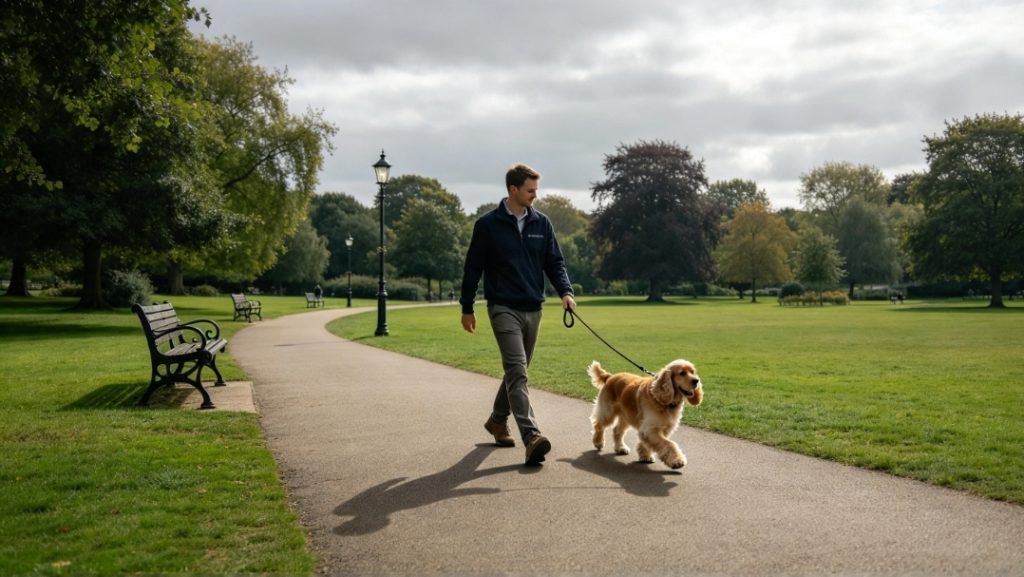
How do I stop my dog zig-zagging on the lead? Teach your dog to walk with a loose lead and reward them for staying within a comfortable walking area beside or near you. Use changes of direction, rewards and appropriate access to sniffing and exploring to teach your dog that calm, predictable movement is more rewarding than constantly crossing from side to side.
RECOMMENDED PRODUCTS

Why Does My Dog Zig-Zag on the Lead?
Zig-zagging usually happens because the dog is interested in everything around them.
Smells, grass, other dogs, people, objects and movement can all encourage your dog to change direction repeatedly. Some dogs have also learned that moving from side to side allows them to reach whatever has caught their attention.
Zig-zagging is not necessarily a sign that your dog is badly behaved. It often means they need clearer guidance about how to move with you while still being allowed to explore.
How Do I Teach My Dog to Walk in One Direction?
Start somewhere quiet where there are few distractions.
Choose the side you want your dog to walk on and begin moving forward. When your dog stays in the appropriate area and the lead remains loose, reward them.
Keep the distance short at first. After a few successful steps, reward your dog and continue walking.
Gradually increase the number of steps between rewards as your dog becomes more consistent.
The aim is to teach your dog that staying with you and moving in the same direction is rewarding.
What Should I Do When My Dog Crosses in Front of Me?
If your dog suddenly crosses in front of you, avoid allowing the lead to become tangled around your legs.
Slow down or stop and calmly guide your dog back into a safe walking position. Once the lead is loose and your dog is positioned appropriately, reward them and continue.
If your dog repeatedly crosses because something has caught their attention, increase your distance from the distraction rather than continually correcting them.
Should I Change Direction When My Dog Zig-Zags?
Yes. Changing direction can be a useful way to teach your dog to pay attention to where you are going.
Walk calmly in one direction. If your dog moves away from you or starts pulling across the path, change direction smoothly rather than dragging them back.
When your dog follows and the lead becomes loose, reward them.
Practise this in a quiet environment first. The purpose is to teach your dog to notice and follow your movement, not to repeatedly surprise or frustrate them.
How Do I Stop My Dog Pulling From Side to Side?
Avoid giving your dog access to every distraction immediately.
If your dog pulls towards the grass on one side of the path and then immediately towards something on the other side, use calm direction changes and controlled access to the environment.
When your dog walks with a loose lead, allow appropriate opportunities to sniff or investigate.
This teaches an important lesson: calm walking can lead to access to things your dog wants.
Should I Let My Dog Sniff?
Yes. You do not need to stop your dog from sniffing to prevent zig-zagging.
Instead, teach your dog that sniffing happens in appropriate places and does not require them to drag you from one side of the path to the other.
For example, walk calmly to a suitable area, then allow your dog time to sniff. When you are ready to continue, regain your dog’s attention and move on.
This gives your dog opportunities to explore without allowing exploration to control the entire walk.
How Do I Stop My Dog Zig-Zagging Around Other Dogs and People?
Other dogs and people can make zig-zagging much more intense because your dog may want to approach, investigate or avoid them.
Keep enough distance for your dog to remain calm and responsive. Reward your dog for walking with you rather than allowing them to pull directly towards the distraction.
If your dog cannot respond and starts pulling, barking or lunging, create more distance and allow them to settle before continuing.
Do not force your dog towards people or other dogs simply because they are on your walking route.
What Equipment Should I Use?
A suitable harness and lead can provide safe control while you teach your dog how to walk consistently.
A short line can be useful when you need closer control, particularly in busy areas. A long line can provide greater freedom in suitable open areas where there is enough space and no immediate danger.
Keep the lead long enough for comfortable movement without allowing it to become excessively loose or tangled around your dog or other people.
Equipment should support your training. It should not be used to physically force your dog into position.
What If My Dog Zig-Zags Because They Are Overexcited?
If your dog’s zig-zagging becomes faster, more intense or is accompanied by pulling, barking or difficulty responding, reduce the level of stimulation.
Move away from the distraction, choose a quieter route or give your dog time to settle.
Trying to correct increasingly frantic movement while continuing through a highly stimulating environment is unlikely to teach calm walking.
Make the situation easier first, then resume training when your dog can concentrate.
What Are the Most Common Mistakes?
A common mistake is constantly pulling your dog back into position.
This may control the immediate movement but does not teach your dog what behaviour you want instead.
Other mistakes include allowing repeated access to every distraction, changing direction too quickly or unpredictably, expecting a dog to walk perfectly in a busy environment before they are ready, and preventing all sniffing and exploration.
Focus on teaching a clear alternative: walk calmly, keep the lead loose, follow your direction and receive appropriate access to the environment.
RECOMMENDED PRODUCTS
How Long Does It Take to Stop Zig-Zagging?
There is no fixed timeframe.
Some dogs improve quickly once they understand where you want them to walk. Others need more consistent practice, particularly if zig-zagging has become an established habit.
Start in an easy environment and gradually introduce more distractions. Reward successful walking frequently at first, then gradually increase the distance between rewards as your dog becomes more reliable.
What If My Dog Still Cannot Walk Without Zig-Zagging?
If your dog becomes extremely distracted, repeatedly pulls towards triggers, or cannot respond to you even when you create distance, make the environment easier.
Persistent pulling, barking, lunging, fear or aggression may require professional assessment.
The priority is safe, controlled walking rather than forcing your dog to continue through an environment they cannot currently cope with.
Conclusion
To stop your dog zig-zagging on the lead, teach a consistent walking position, reward loose-lead movement, use calm direction changes and provide appropriate opportunities to explore.
Do not try to eliminate your dog’s natural interest in the environment. Teach them how to explore while also learning to move calmly and safely with you.




