How To Improve Obedience Around Heavy Distractions
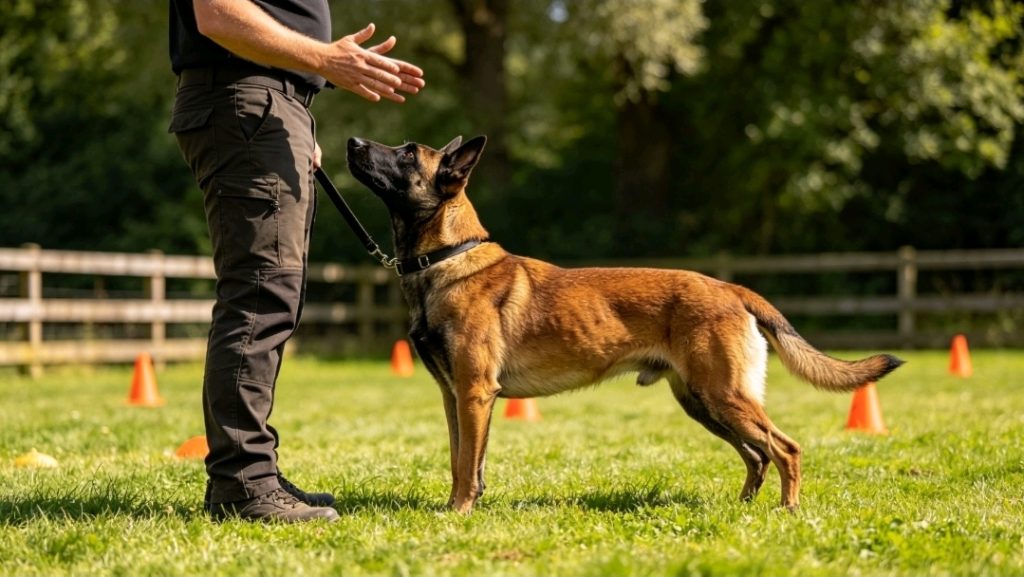
How To Improve Obedience Around Heavy Distractions is one of the most important skills covered within Fundamentals 3. Many dogs perform obedience exercises perfectly in quiet environments but struggle when distractions are introduced. Fundamentals 3 teaches owners that How To Improve Obedience Around Heavy Distractions requires systematic progression, strong engagement, and clear communication. By understanding distraction levels and training correctly, dogs can learn to remain reliable regardless of their surroundings.
Understanding Distraction Levels
A major part of How To Improve Obedience Around Heavy Distractions is understanding that not all distractions are equal. Some dogs may ignore minor distractions but struggle when faced with moving dogs, excited children, wildlife, or busy public environments. Fundamentals 3 teaches owners how to identify distraction levels and train at the correct level to ensure consistent progress.

Dogs, People And Environmental Distractions
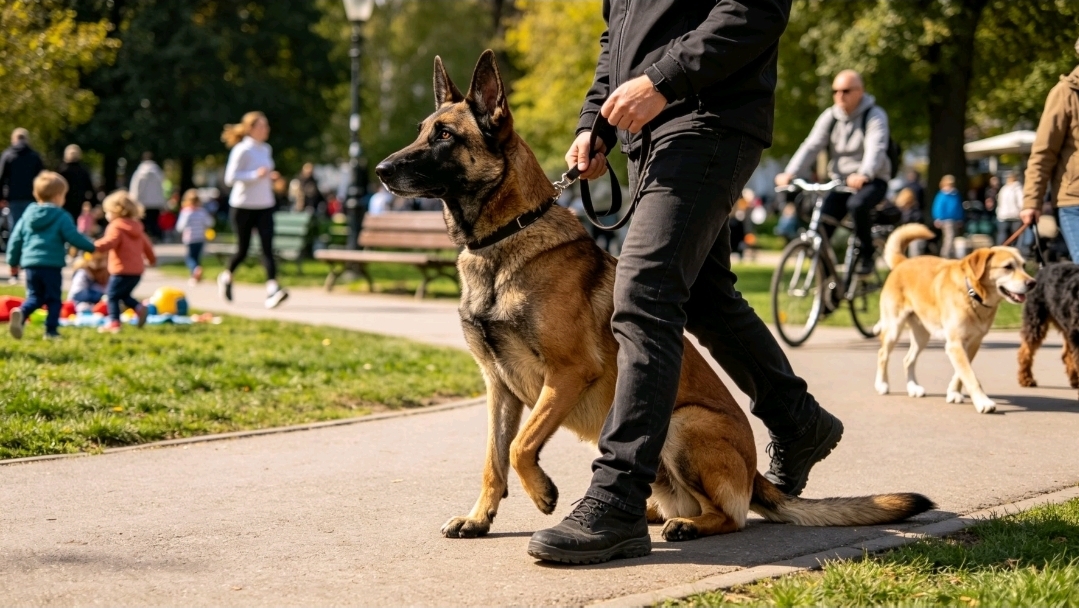
When learning How To Improve Obedience Around Heavy Distractions, owners must recognise the different categories of distractions. Other dogs, unfamiliar people, moving vehicles, wildlife, sounds, scents, and environmental activity can all affect obedience. Fundamentals 3 teaches owners how to expose dogs to these distractions gradually while maintaining confidence and reliability.

Increasing Distraction Difficulty Correctly
An essential principle of How To Improve Obedience Around Heavy Distractions is progression. Many owners make the mistake of moving directly into highly distracting environments before the dog is ready. Fundamentals 3 teaches owners how to gradually increase difficulty levels so that the dog continues to experience success while building confidence and reliability.
Building Reliability Around Movement
Movement is often one of the biggest challenges when learning How To Improve Obedience Around Heavy Distractions. Dogs naturally notice moving objects, whether they are people, dogs, bicycles, vehicles, or wildlife. Fundamentals 3 teaches owners how to build obedience around movement so that the dog learns to remain engaged regardless of what is happening nearby.

Proofing Obedience Commands
Proofing is a critical component of How To Improve Obedience Around Heavy Distractions. Proofing means testing obedience commands under different levels of difficulty, in different environments, and around different distractions. Fundamentals 3 teaches owners how to proof commands correctly so that obedience remains dependable in real-world situations.
Maintaining Engagement Under Pressure
A key factor in How To Improve Obedience Around Heavy Distractions is maintaining engagement even when distractions increase. Engagement allows the dog to continue valuing interaction with the handler despite environmental pressure. Fundamentals 3 teaches owners how to build engagement through rewards, communication, and structured training exercises.
Common Handler Mistakes
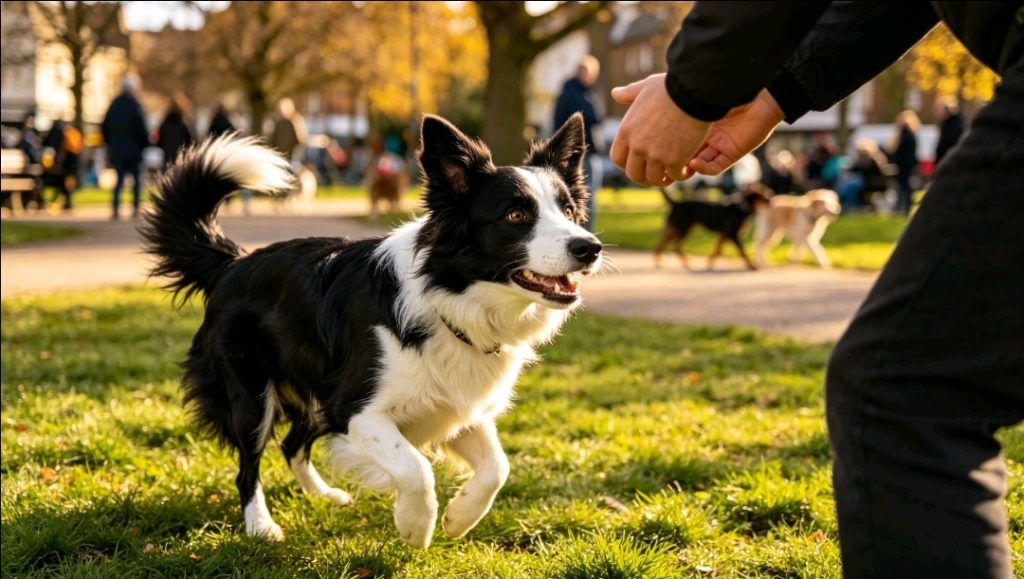
Many owners struggle with How To Improve Obedience Around Heavy Distractions because they unknowingly progress too quickly, repeat commands excessively, or train beyond the dog’s current ability level. Fundamentals 3 teaches owners how to recognise these mistakes and adjust their training to maximise success and maintain confidence.
How Fundamentals 3 Improves Obedience Around Distractions
How To Improve Obedience Around Heavy Distractions is a core part of Fundamentals 3 because real-world obedience depends on reliability in challenging environments. Through distraction awareness, structured progression, engagement development, movement training, and proofing exercises, Fundamentals 3 helps owners create dogs that remain obedient, focused, and responsive regardless of the distractions around them. This level of reliability forms the foundation for advanced obedience and long-term training success.
Continue Your Training Journey With Our Online Courses
Fundamentals 3 is designed to build advanced obedience, engagement, reliability, calmness, and real-world control. However, if you find your dog struggling with any of the concepts covered throughout this course, it may be beneficial to revisit the earlier stages of training before progressing further.
Fundamentals 1 is our online foundation training course covering puppy development, engagement, socialisation, confidence building, obedience foundations, recall, lead training, and behavioural shaping. These foundation skills form the basis of all advanced dog training and help create clear communication between dog and handler.
Fundamentals 2 is our online adolescent dog training course designed for dogs between 6 and 18 months of age. The course focuses on managing teenage dog behaviour, improving obedience around distractions, developing engagement, building confidence, strengthening recall, and creating reliability in real-world environments. Many of the advanced skills taught in Fundamentals 3 rely heavily on the foundations established throughout Fundamentals 2.
If your dog has successfully completed Fundamentals 3 and demonstrates strong obedience, engagement, reliability, and environmental stability, you may wish to explore more advanced training pathways. For suitable dogs and handlers looking for a new challenge, our protection training programmes provide an opportunity to further develop control, discipline, confidence, and advanced working abilities under professional guidance.
Remember, advanced training is built upon strong foundations. The stronger the foundations, the more successful the progression into advanced training will be.