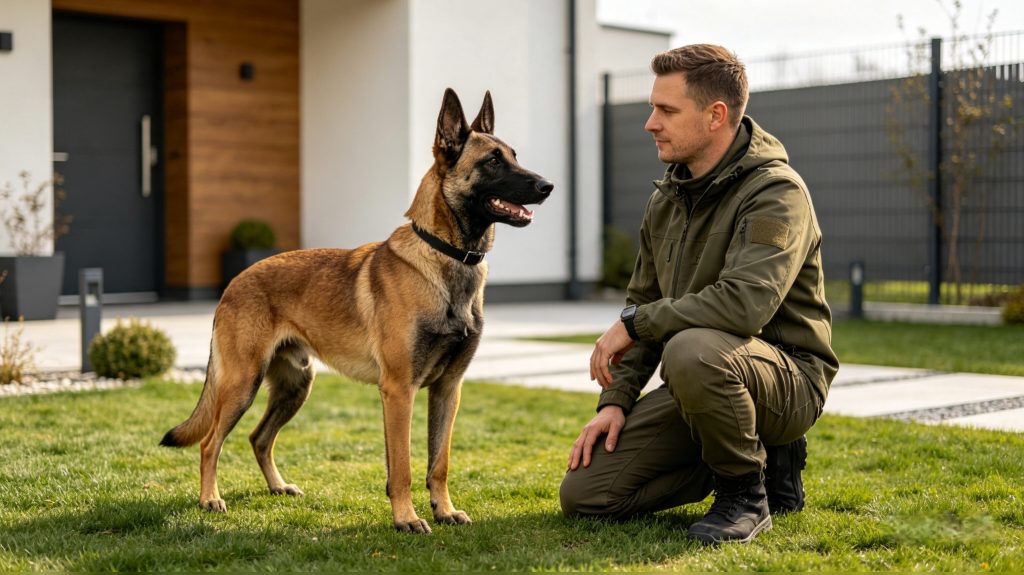
How to Start Puppy Training at 6 Weeks Old helps build early confidence, obedience and good habits. Learn practical training techniques for young puppies.
Starting puppy training at 6 weeks old is one of the most important steps in raising a confident, obedient, and well-balanced dog. Many owners wait too long before introducing structure, engagement, and training, which can create unwanted habits that become harder to correct later. The good news is that puppy training does not need to be complicated. By focusing on simple foundations, you can build a strong relationship with your puppy from the very beginning.

Why Puppy Training at 6 Weeks Old Matters
Puppies begin learning from the moment they open their eyes and start interacting with the world. Every experience, sound, smell, and interaction teaches them something. This means training is already happening whether you actively participate or not. The goal of Fundamentals 1 is to ensure those lessons are positive and productive.
Starting puppy training at 6 weeks old helps develop confidence, engagement, social skills, and communication between the puppy and handler. These foundations make future obedience training significantly easier.

Build Engagement Before Obedience
One of the biggest mistakes owners make is trying to teach obedience before building engagement. A puppy that enjoys interacting with its handler will naturally become easier to train.
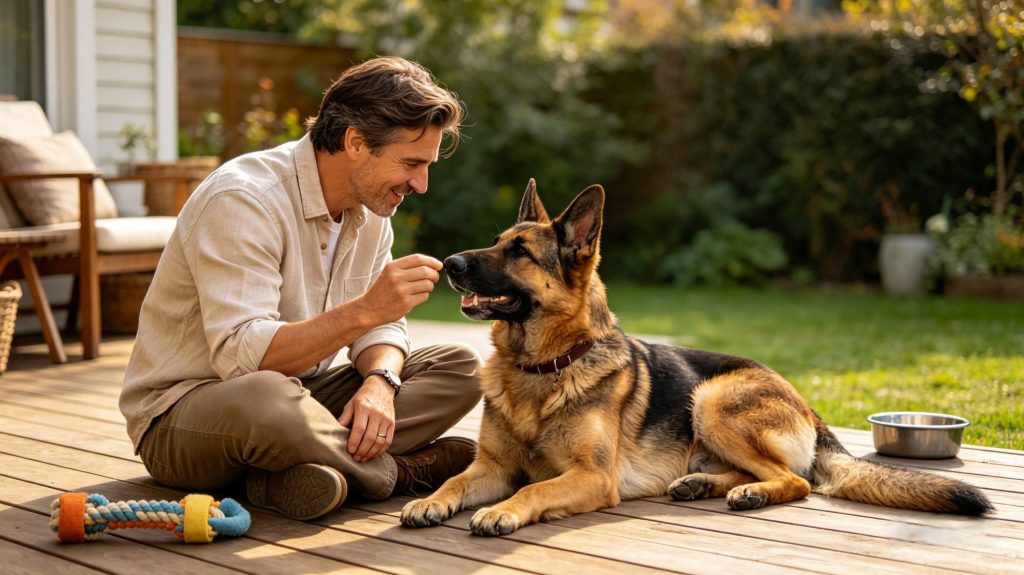
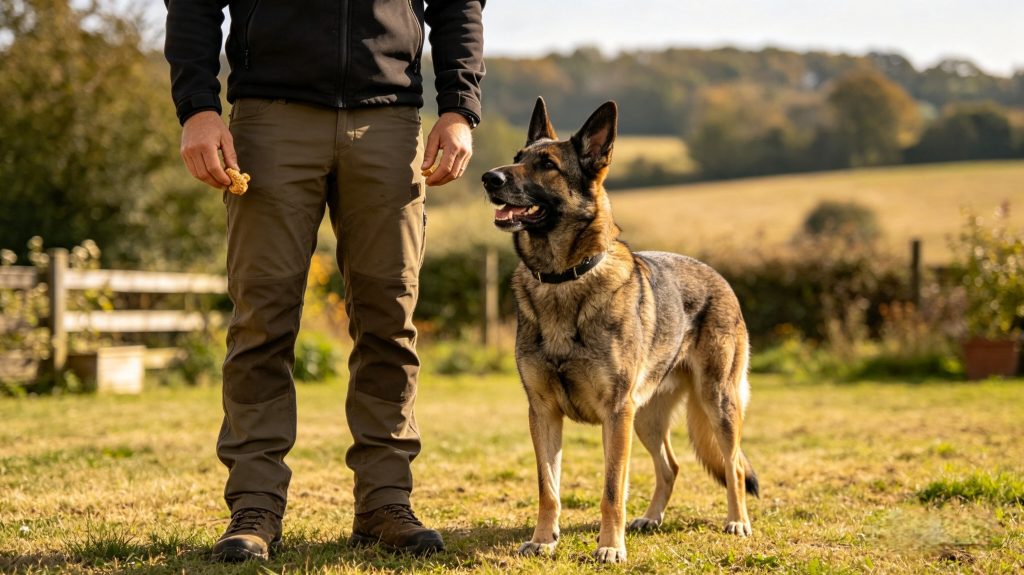
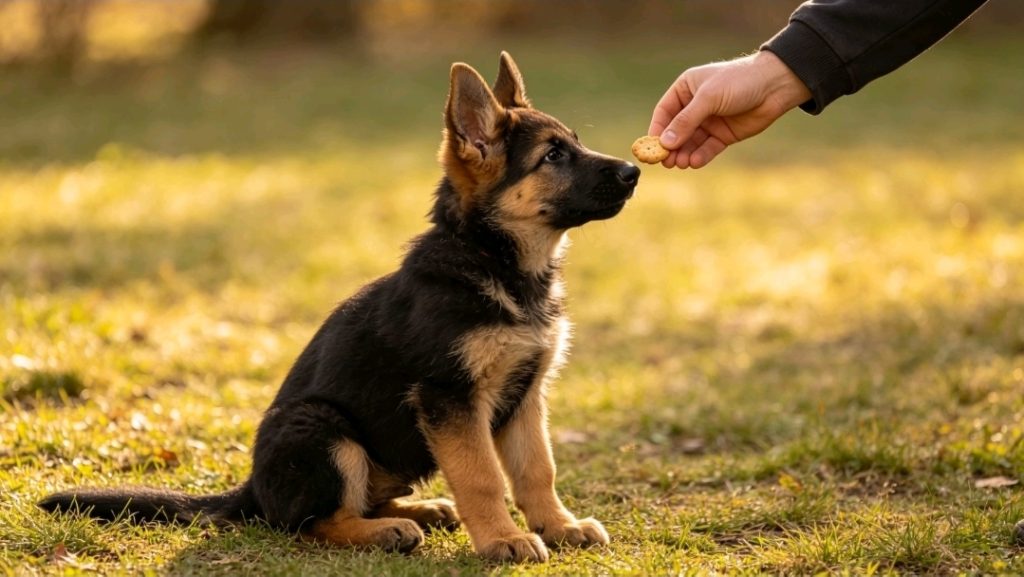
Engagement can be developed through simple reward-based exercises such as food rewards, toy rewards, praise, and short training sessions. The objective is to teach the puppy that good things happen when they focus on you.
Fundamentals 1 focuses heavily on engagement because engagement creates motivation, and motivation creates better training results.

Socialisation Done Correctly
Socialisation is not simply allowing your puppy to meet every person and dog it sees. Proper socialisation teaches the puppy how to remain calm, confident, and stable around new experiences.
Examples include:
- Different surfaces
- New sounds
- Different environments
- New people
- Controlled exposure to other dogs
The goal is to create a puppy that can confidently navigate the world without becoming fearful or overwhelmed.

Teaching Basic Puppy Obedience
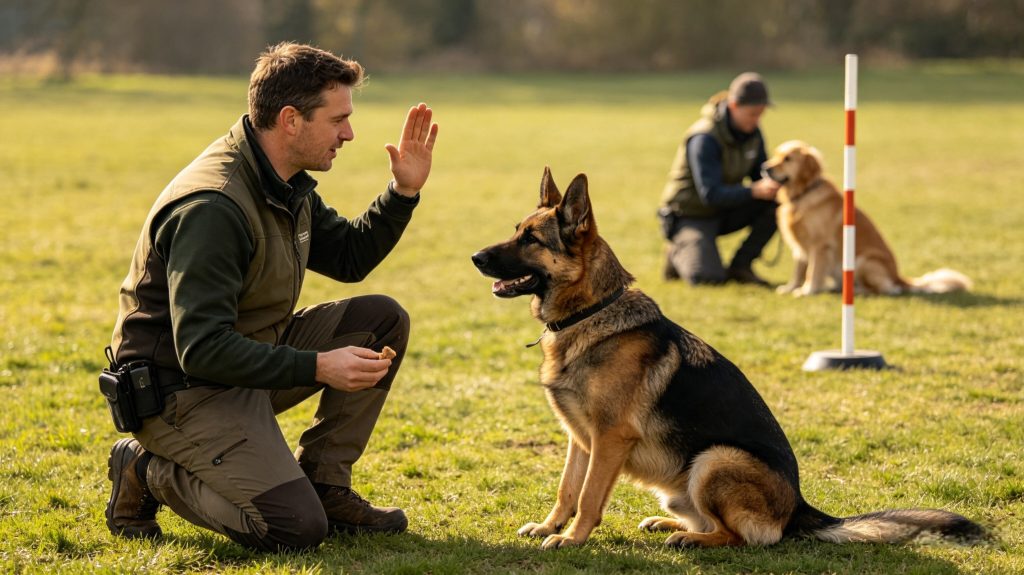
At 6 weeks old, obedience training should remain simple and enjoyable. Training sessions should be short, positive, and reward-based.
Basic exercises may include:
- Name recognition
- Following food rewards
- Sit
- Recall foundations
- Following the handler
- Basic engagement drills
At this stage, consistency is more important than perfection. Small successes repeated daily produce the best long-term results.
Common Puppy Training Mistakes
Many owners accidentally slow their puppy’s progress by expecting too much too soon.
Common mistakes include:
- Training sessions that are too long
- Repeating commands multiple times
- Training in highly distracting environments too early
- Inconsistent rewards
- Skipping engagement work
By avoiding these mistakes, owners can build a stronger training foundation and prevent frustration for both themselves and their puppy.

Building Confidence Through Positive Experiences
Confidence is one of the most valuable traits a dog can develop. Confident puppies learn faster, recover quicker from mistakes, and handle new situations more effectively.
Confidence can be built through:
- Exploration exercises
- Problem-solving games
- Controlled socialisation
- Positive reinforcement
- Exposure to new environments
The Fundamentals 1 programme is designed to develop confidence alongside obedience and engagement.

Creating a Foundation for Future Training
Everything your dog learns later will be built upon the foundations developed during puppyhood. Whether your future goals include advanced obedience, tracking, protection training, or simply having a well-behaved family pet, success begins with strong foundations.
Fundamentals 1 focuses on developing engagement, confidence, social stability, and communication skills that prepare puppies for more advanced training as they mature.
Final Thoughts
If you are wondering how to start puppy training at 6 weeks old, focus on building engagement, confidence, social skills, and positive learning experiences. Avoid rushing into advanced obedience and instead invest time into creating strong foundations.
The skills developed during Fundamentals 1 will influence your dog’s behaviour for the rest of its life. Start early, remain consistent, and focus on creating positive experiences that encourage your puppy to learn and work with you.
Continue Your Training Journey With Our Online Courses
Now that you have started building strong foundations with your puppy, the next stage of development is continuing that training through our structured online courses.
Fundamentals 2 is designed for adolescent dogs between 6 and 18 months of age and focuses on real-world obedience, lead walking around distractions, engagement, confidence building, recall development, and managing common teenage dog behaviours. This online course helps owners navigate one of the most challenging stages of dog ownership while continuing to build reliability and control.
Fundamentals 3 is designed for adult dogs and takes training to an advanced level. This online course covers advanced obedience, off-lead control, engagement, handler communication, calmness, environmental neutrality, distraction proofing, and real-world dog training. Fundamentals 3 helps owners create reliable, confident, and well-balanced dogs capable of performing successfully in everyday situations.
Explore Fundamentals 2 and Fundamentals 3 to continue your dog’s training progression and build the skills needed for long-term success.