How to Use a Lure Effectively in Dog Training
How to Use a Lure Effectively in Dog Training is important because a lure can help guide a dog’s attention and movement, but simply holding food near the dog’s nose does not automatically create effective training. Problems can develop when the lure is moved too quickly, held too far away, used inconsistently, or relied upon without understanding what the dog is actually learning. A dog may become focused on the food rather than the exercise, follow the hand without understanding the intended behaviour, or become frustrated when the handler’s timing and movement are unclear. These difficulties can make training feel inconsistent for both dog and handler and can make progression harder to understand.
RECOMMENDED PRODUCTS
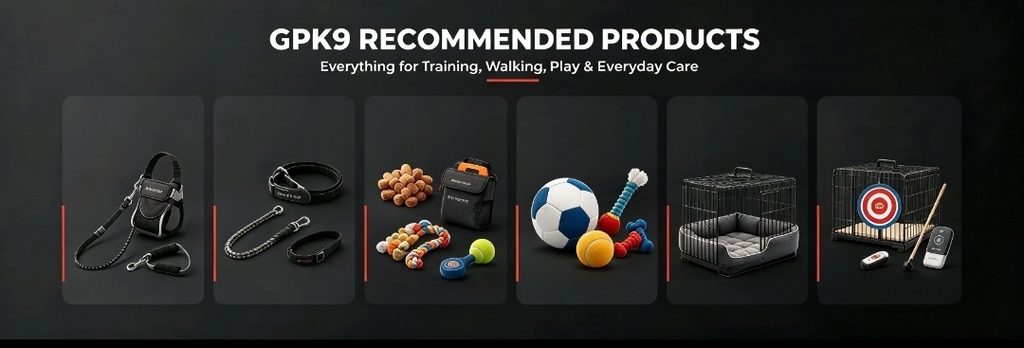
Training Treats — Small, suitable training treats can make lure-based exercises easier to manage because the handler can deliver precise rewards without interrupting the training exercise.
Common Problems When Using a Lure
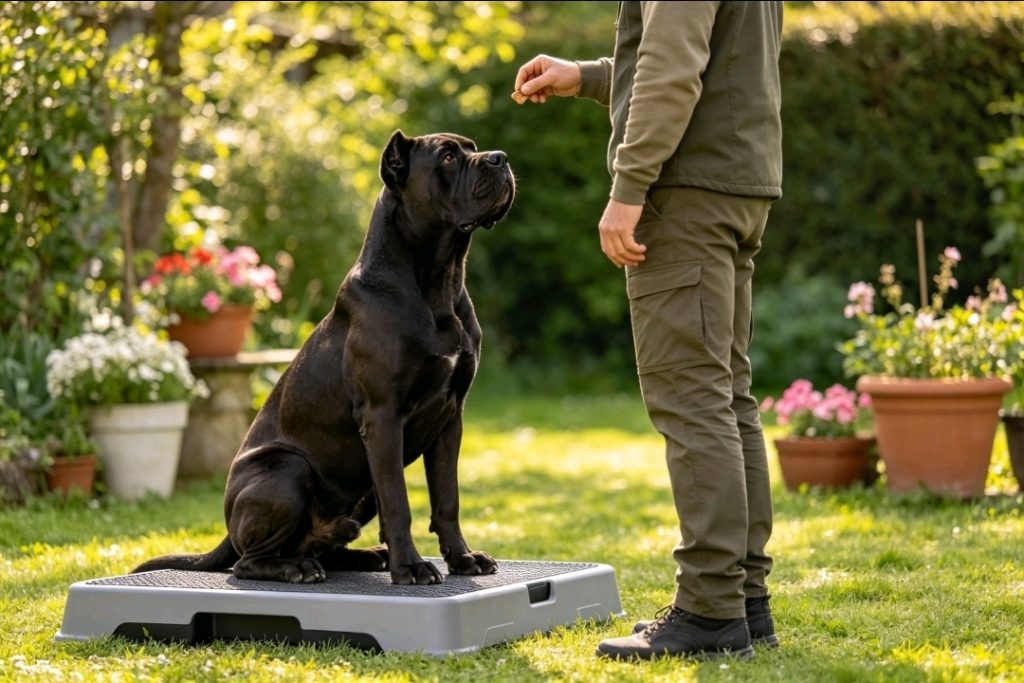
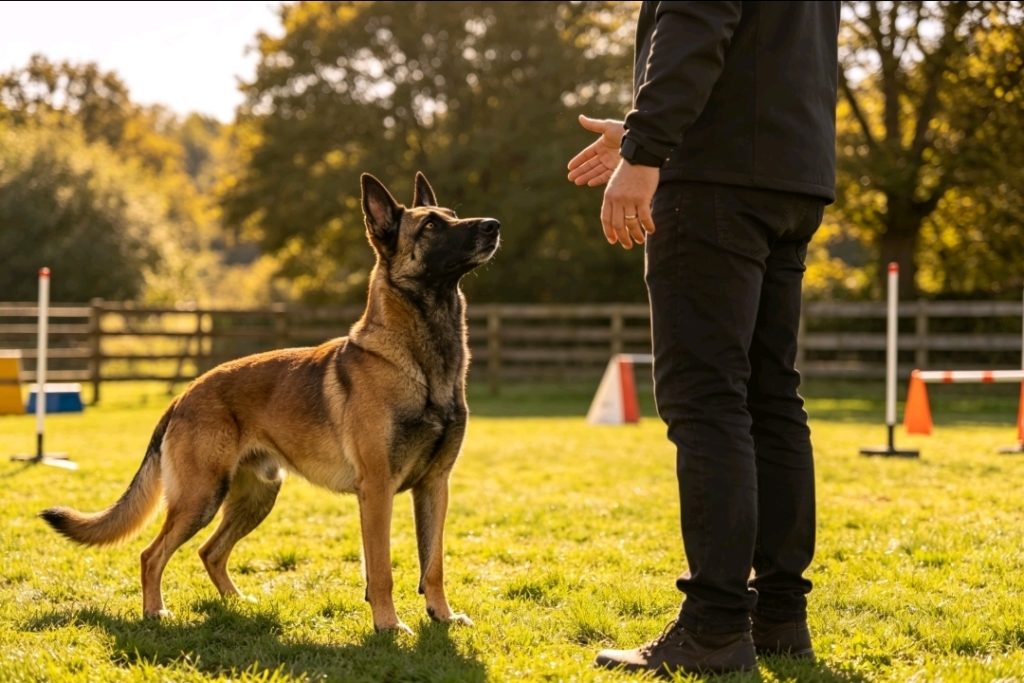
One of the most common problems is using the lure as if it were simply a piece of food being shown to the dog. Effective luring requires controlled movement and clear handling. If the hand moves too quickly, the dog may chase rather than follow. If the lure is held too high, the dog’s posture may change unnecessarily. If it is held too far away, the dog may lose interest or move towards the reward rather than following the intended pathway.
Another problem occurs when the handler changes the position of the lure repeatedly without a clear purpose. Dogs can respond to movement very quickly, but rapid or inconsistent movements can make it difficult for the dog to understand what behaviour is being encouraged.
Common Issues With Lure Position
The position of the lure can significantly affect the dog’s movement.
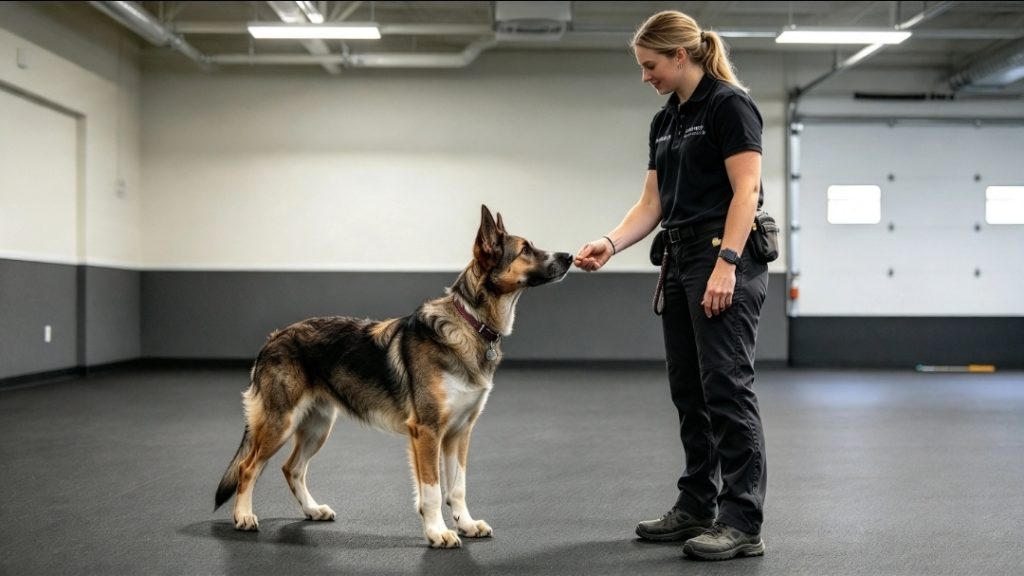
A lure held close to the dog’s nose can encourage controlled head movement and help guide the body. However, excessive movement can cause the dog to swing, jump, step backwards or move away from the intended position.
The handler may also hold the lure too low, too high or too far to one side. These small changes can produce different physical responses from the dog.
This is particularly important when teaching movements that require accuracy. The dog needs to be able to follow the lure without being placed in an uncomfortable or confusing position.
Common Mistakes With Luring
A common mistake is continuing to show the lure for too long.
If the dog repeatedly sees food before every behaviour, the dog may begin to focus primarily on the visible reward. The handler can then become dependent on having food in their hand for the dog to respond.
Another mistake is rewarding too late. If the dog performs the intended movement but the reward arrives after the dog has already changed position, the timing becomes less precise. The dog may associate the reward with the wrong movement.
Handlers can also make the exercise unnecessarily complicated by changing their own body position, hand position and movement at the same time.
Frustration During Lure-Based Training
Frustration can occur when the dog understands that food is available but cannot work out how to obtain it.
A lure should guide the dog rather than create a constant struggle between the dog and the reward. When the dog repeatedly jumps for the food, paws at the hand, bites at the reward or becomes excessively excited, the exercise can lose structure.
The handler can also become frustrated when the dog appears interested in the food but does not follow the intended movement.
This can lead to faster hand movements, repeated commands and inconsistent reward delivery, which can make the exercise even less clear.
RECOMMENDED PRODUCTS
Treat Pouch — A suitable treat pouch allows the handler to keep rewards accessible while maintaining better control of hand position and reducing unnecessary interruptions during training.
Timing and Lure Movement
Timing is an important part of effective lure work.
The handler needs to recognise when the dog is following the intended movement and when the reward should be delivered. If the reward arrives too early, the dog may not complete the behaviour. If it arrives too late, the dog may already have moved into another position.
The speed of the lure also matters. A slow, controlled movement can allow the dog to follow naturally, while a sudden movement can cause the dog to rush or lose concentration.
Luring therefore involves more than simply having food available. It involves the relationship between the dog’s movement, the handler’s hand, the reward and the timing of delivery.
Misunderstanding and Miscommunication
A lure can create misunderstanding when the handler assumes the dog knows what is expected simply because the dog is following the food.
Following a lure and understanding a behaviour are not necessarily the same thing.
The dog may successfully move into a position because the food is guiding the movement, while the handler may believe the dog has already learned the exercise. If the food is then removed suddenly, the behaviour may disappear.
This is why the handler needs to understand what the dog is learning at each stage rather than judging progress only by whether the dog follows the reward.
GPK9’S FIVE GOLDEN RULES
The GPK9 Five Golden Rules provide a structured system for understanding how different parts of dog training connect. Using a lure effectively is not an isolated technique. It can form part of a wider training process involving home structure, obedience, play, toilet routines and calm social walking.
The system is designed to help the handler recognise what is happening, understand the dog’s behaviour, maintain appropriate structure and develop clearer communication throughout training.
Golden Rule One — Home and Social
How to Use a Lure Effectively in Dog Training begins with the environment in which learning takes place.
A dog that is unable to settle, constantly moving around the home or struggling with basic structure may find it harder to concentrate during training. The progression of crate → placemat → playpen provides a framework for developing appropriate levels of freedom and calmness.
The crate provides safety, reset and toilet support. The placemat can introduce calm home freedom, while the playpen provides monitored freedom.
This structure can help prevent the handler from expecting focused training from a dog that has not yet developed an appropriate level of environmental control.
Golden Rule Two — Obedience
Golden Rule Two is directly connected to effective lure use.
Food and luring can be used to guide movement, shape behaviour and establish clearer expectations during obedience training. The handler can work in the same area and around the same time, helping create consistency.
The focus should remain on the dog’s state, the handler’s timing and the quality of the movement rather than simply getting the dog to follow food.
Praise, shaping and movement can all become part of the training process as the handler learns to communicate more clearly.
Effective lure use therefore becomes part of structured obedience rather than simply showing a reward to the dog.
Golden Rule Three — Prey Drive / Play
Luring and play serve different purposes within the GPK9 system.
Golden Rule Three provides a separate opportunity to work with play, movement and engagement. Tug or toy-based activities can be used in an appropriate area without turning every play session into an obedience exercise.
This separation helps the handler understand when food-based luring is being used to guide learning and when play is being used for engagement and controlled activity.
Where arousal becomes excessive, the handler needs to recognise the change rather than continuing simply because the dog remains interested in the toy.
Golden Rule Four — Toilet
Toilet training is based around consistency, timing, location and communication.
Although toilet training does not directly depend on lure use, the same principle of structured timing remains important. Establishing predictable routines can help the dog understand what is expected and can help the handler recognise patterns in behaviour.
The broader GPK9 system therefore considers training as a collection of connected routines rather than isolated exercises.
Golden Rule Five — Social Walking / Ignore the World
Effective training also needs to function outside a controlled training area.
Golden Rule Five focuses on a calm, relaxed and manageable walk without constantly placing the dog under command. The aim is to allow the dog and handler to move through the environment while maintaining an appropriate level of control.
This connects with How to Use a Lure Effectively in Dog Training because the handler must understand when a lure is appropriate and when environmental management and calm walking are more important.
A dog should not need to be constantly directed with food simply to remain manageable. The handler needs to understand the circumstances, the dog’s behaviour and the level of environmental pressure.
Solution Connection
The problems associated with lure use often come from the same underlying issues: unclear movement, poor timing, inconsistent handling, excessive reliance on visible food and misunderstanding what the dog has actually learned.
The GPK9 Five Golden Rules provide a wider structure around these issues.
Problem → Issue → Mistake / Timing / Frustration / Misunderstanding → GPK9 Five Golden Rules → Structured Solution
Golden Rule One establishes appropriate structure and levels of freedom.
Golden Rule Two provides the main connection between food, luring, obedience, shaping, movement and clearer communication.
Golden Rule Three separates play and arousal from structured obedience work.
Golden Rule Four reinforces the importance of predictable routines and timing.
Golden Rule Five considers how training and behaviour need to remain manageable when the dog moves through different environments.
This allows lure use to become part of a wider training system rather than an isolated technique.
Final Connection
How to Use a Lure Effectively in Dog Training is ultimately about more than holding a piece of food in front of a dog. Effective luring requires the handler to understand position, movement, timing, reward delivery, the dog’s behaviour and the purpose of the exercise.
When lure use becomes inconsistent, problems can develop through poor timing, unclear movement, excessive excitement, frustration or over-reliance on visible food. The GPK9 Five Golden Rules provide a structured framework for placing this technique within a wider approach to dog training.
From crate → placemat → playpen, through structured obedience, play, toilet routines and calm social walking, the system helps connect individual training exercises with the wider relationship between dog and handler.
The goal is not simply for a dog to follow a lure. The goal is to use the lure as part of clear, structured training that helps the handler understand what the dog is doing, why the exercise is being performed and how progression can take place through the GPK9 system.