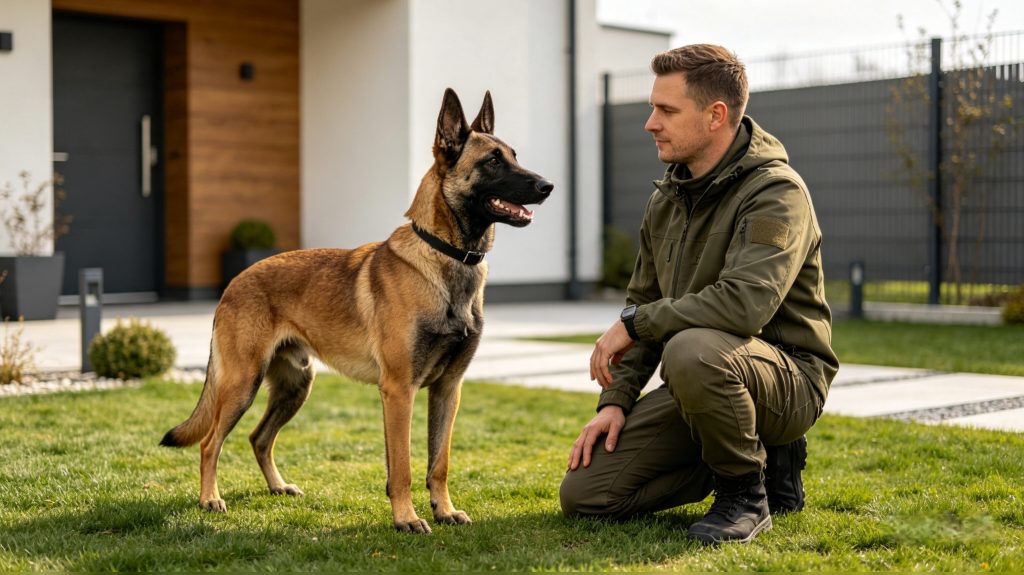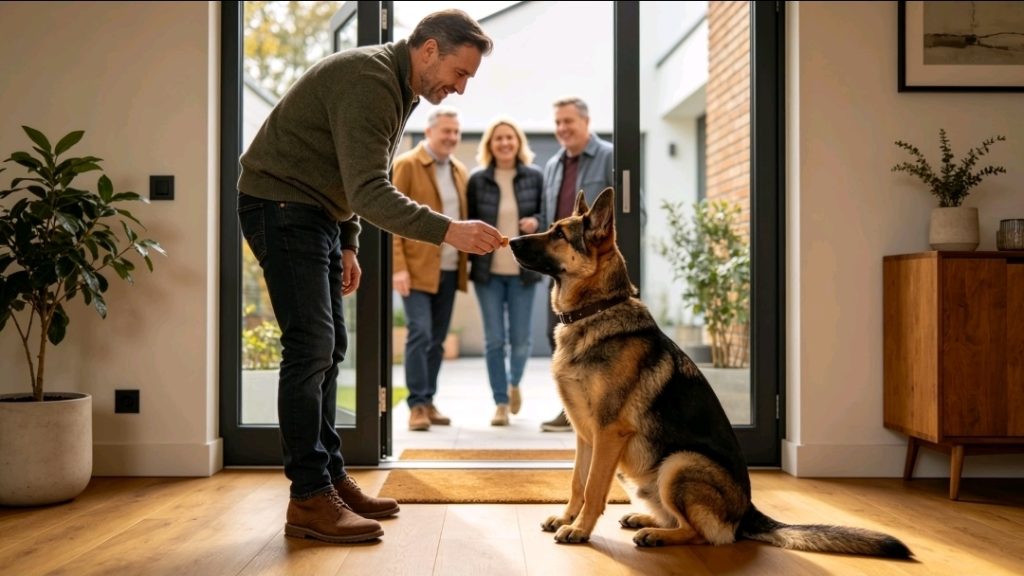
Establishing Boundaries and Manners for Dogs are one of the most important parts of Training Adolescent Dogs Between 6 And 18 Months is establishing clear boundaries and household manners. During adolescence, many dogs begin testing limits, ignoring rules, and developing unwanted habits that were not present during puppyhood. Fundamentals 2 teaches owners how to create structure, consistency, and clear expectations that help adolescent dogs become well-mannered adult companions.
Why Establishing Boundaries And Manners Is Important
As part of Training Adolescent Dogs Between 6 And 18 Months, owners must understand that adolescent dogs are naturally becoming more confident and independent. Without clear boundaries, behaviours such as jumping on visitors, stealing food, ignoring commands, and excessive excitement can quickly become routine habits. Establishing manners early helps prevent these behaviours from becoming long-term problems.
Discouraging Jumping, Mouthing, And Unwanted Habits
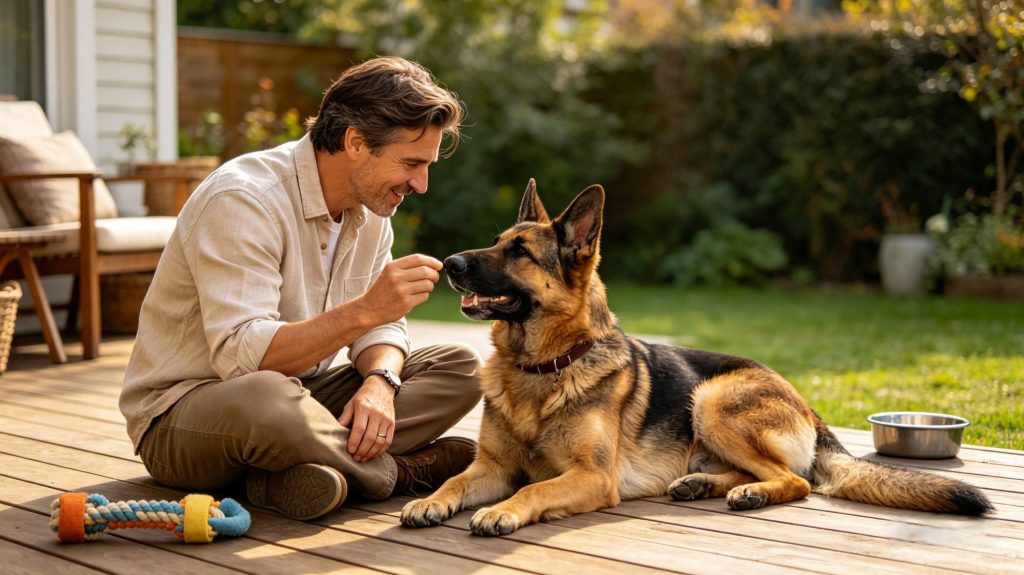
A major focus of Training Adolescent Dogs Between 6 And 18 Months is teaching dogs alternative behaviours instead of unwanted ones. Rather than allowing jumping, mouthing, or attention-seeking behaviours, owners should reward calm sitting, relaxed behaviour, and controlled greetings. Consistent repetition helps the dog understand exactly which behaviours lead to rewards and attention.
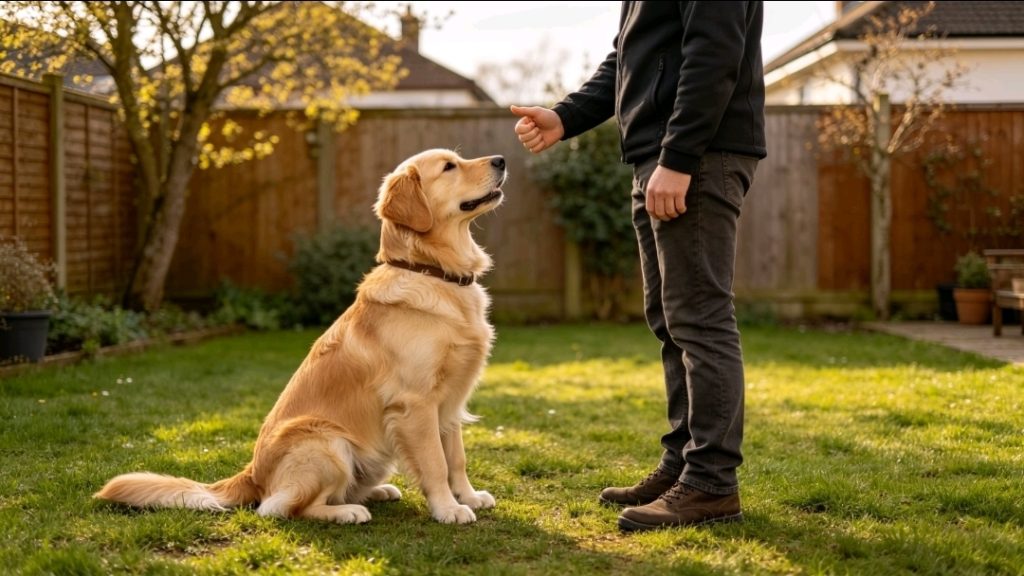
Using Positive Reinforcement To Build Better Behaviour
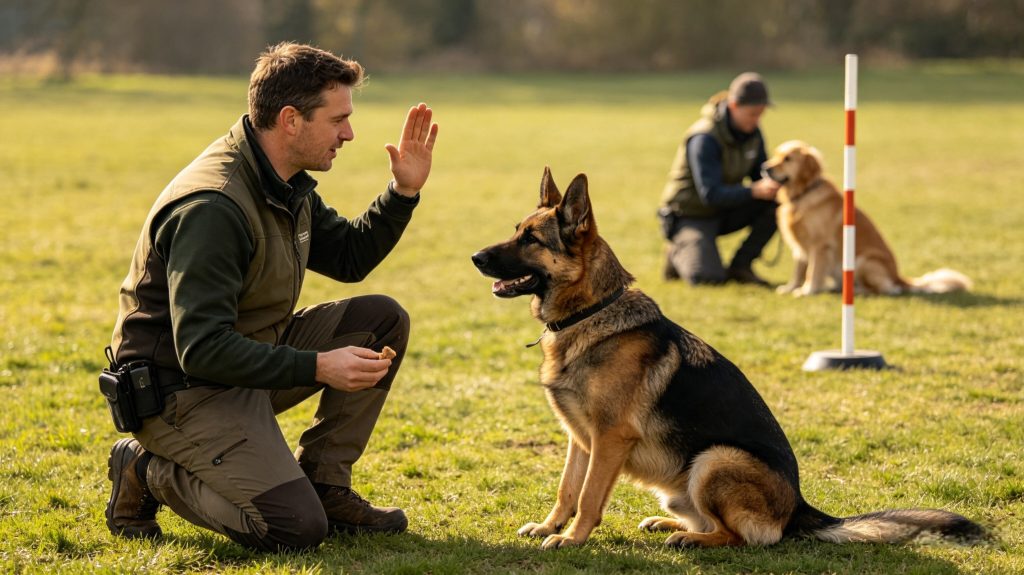
Positive reinforcement plays a significant role in Training Adolescent Dogs Between 6 And 18 Months because it helps strengthen desirable behaviours. Rewarding calm behaviour, good decisions, and obedience encourages the dog to repeat those actions in the future. Fundamentals 2 teaches owners how to use rewards effectively while maintaining clear boundaries and expectations.
Creating Consistent Household Rules
Consistency is essential when Training Adolescent Dogs Between 6 And 18 Months. Every family member should follow the same rules, expectations, and reward systems. Mixed messages often confuse dogs and slow down progress. Clear and consistent boundaries help adolescent dogs understand what behaviours are expected in every situation.
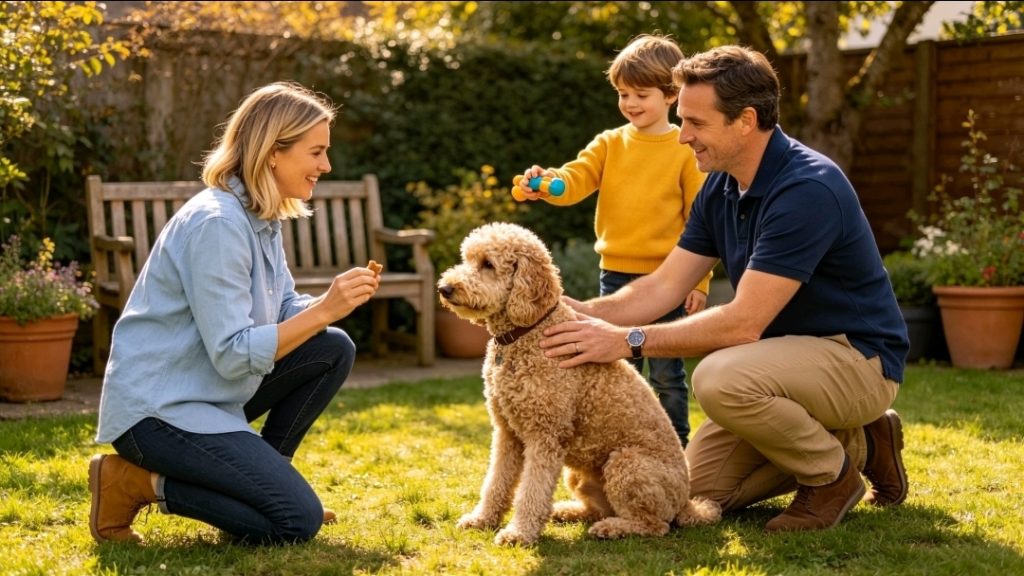
Building Long-Term Respect And Reliability
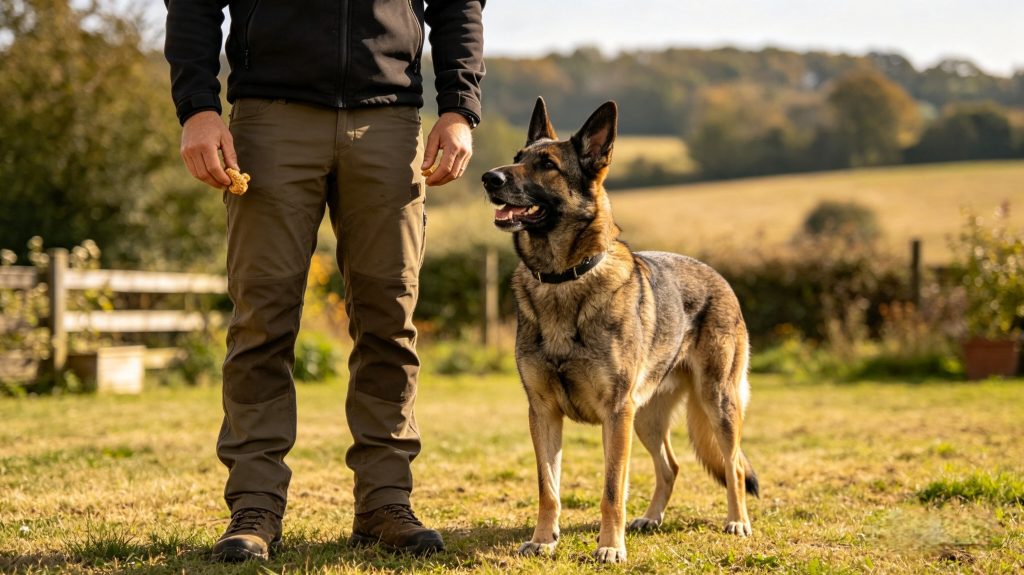
One of the long-term goals of Training Adolescent Dogs Between 6 And 18 Months is developing a dog that understands boundaries both inside and outside the home. Teaching manners, structure, and self-control during adolescence creates a more reliable, confident, and enjoyable companion throughout adulthood. Fundamentals 2 focuses on creating these habits through repetition, consistency, and fair guidance.
Fundamentals 2 Progression
Establishing boundaries and manners is a core part of Training Adolescent Dogs Between 6 And 18 Months. Fundamentals 2 helps owners replace unwanted behaviours with reliable habits, improve self-control, strengthen obedience, and create a structured lifestyle that supports long-term success both inside the home and in public environments.
Continue Your Training Journey With Our Online Courses
As your dog progresses through adolescence, it is important to continue developing both obedience and engagement through structured training. If you are working with a younger dog or would like to strengthen foundation skills, Fundamentals 1 provides a complete online training programme covering engagement, socialisation, confidence building, obedience foundations, lead training, recall development, and early behavioural shaping. These foundation skills support every stage of your dog’s training journey.
For owners looking to progress beyond adolescent training, Fundamentals 3 is our advanced online dog training course designed for adult dogs. This course focuses on advanced obedience, off-lead control, distraction proofing, handler communication, engagement development, calmness, environmental neutrality, and real-world reliability. Fundamentals 3 bridges the gap between basic obedience and advanced dog training, helping owners build confident, reliable, and well-balanced dogs capable of performing successfully in everyday environments.
Explore Fundamentals 1 and Fundamentals 3 to continue your dog’s training progression and build long-term obedience, reliability, and real-world control.