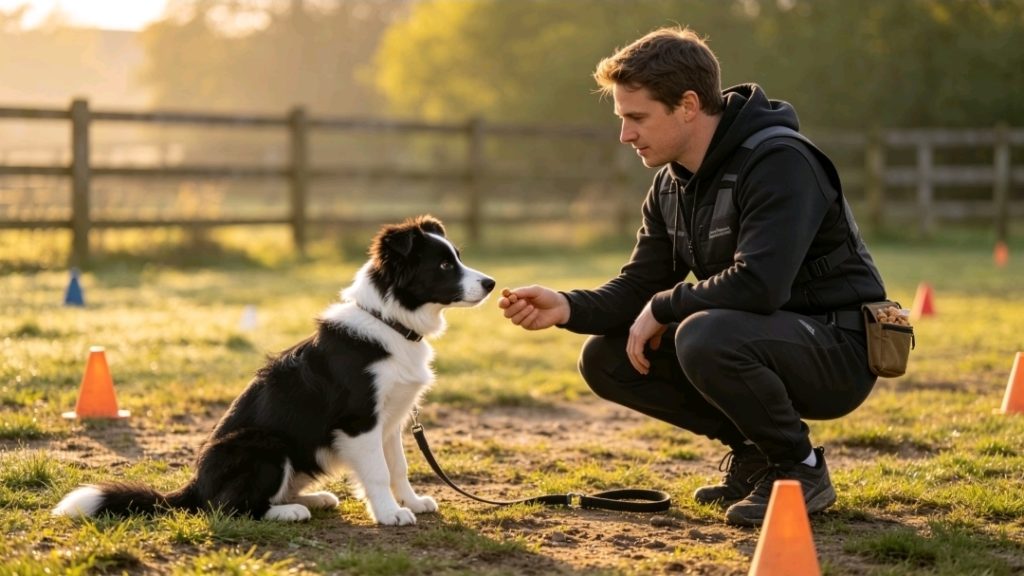
Introduction
Common Puppy Training Mistakes New Owners Make can have a significant impact on a puppy’s behaviour, confidence, obedience, and future development. Many behavioural problems that appear later in life often begin with small training mistakes made during the puppy stage.
Most new owners have good intentions, but Common Puppy Training Mistakes New Owners Make are often caused by a lack of understanding, inconsistency, poor timing, or progressing too quickly. Fortunately, these mistakes can be corrected when recognised early.
Understanding Common Puppy Training Mistakes New Owners Make helps owners create better habits and stronger foundations for long-term success.
Why Foundations Matter
One of the biggest Common Puppy Training Mistakes New Owners Make is focusing on advanced behaviours before building proper foundations.
Foundation training develops:
- Engagement.
- Communication.
- Motivation.
- Confidence.
- Focus.
- Relationship building.
- Learning skills.
Without strong foundations, obedience often becomes unreliable when distractions increase.
Inconsistent Rewards
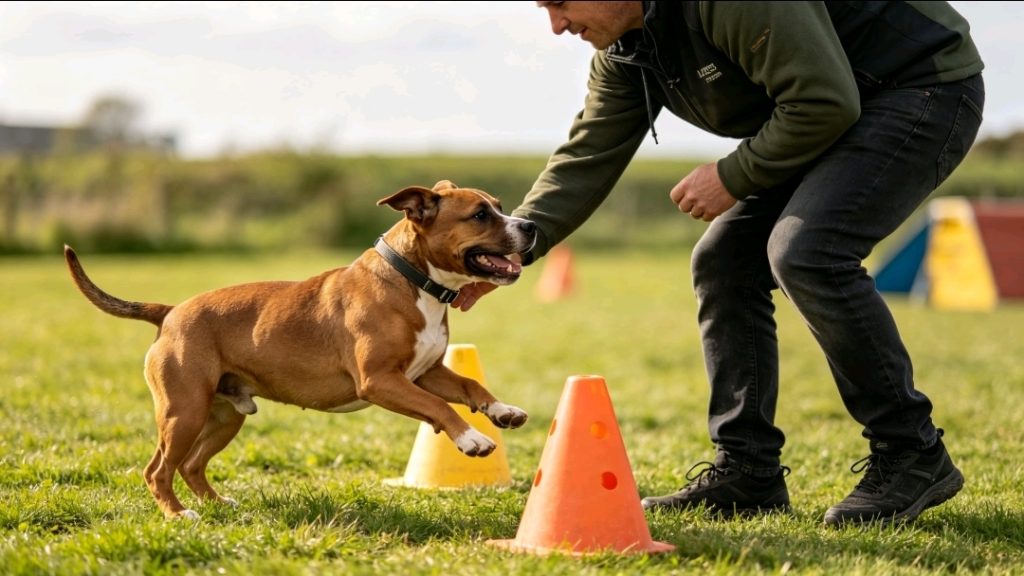
Common Puppy Training Mistakes New Owners Make often include inconsistent reward systems.
Many owners reward behaviours randomly or fail to reward the behaviours they want to encourage.
Examples include:
- Rewarding some recalls but not others.
- Rewarding unwanted behaviours accidentally.
- Inconsistent food rewards.
- Inconsistent play rewards.
Puppies learn through repetition and consistency.
Clear and predictable rewards help the puppy understand exactly which behaviours lead to success.
Poor Reward Timing
Timing is one of the most important skills in puppy training.
Common Puppy Training Mistakes New Owners Make often involve rewarding too early or too late.
Poor timing creates confusion because the puppy may not understand which behaviour earned the reward.
Good reward timing:
- Improves learning speed.
- Creates clarity.
- Increases engagement.
- Builds confidence.
The more precise the timing, the easier learning becomes.
Over-Correcting Young Puppies
Another example of Common Puppy Training Mistakes New Owners Make is using excessive correction before the puppy understands the behaviour.
Puppies are still learning:
- What behaviours are expected.
- How training works.
- How rewards function.
- How to communicate with the handler.
Corrections without understanding often create:
- Confusion.
- Reduced confidence.
- Avoidance behaviours.
- Lower engagement.
Lack of Structure and Routine
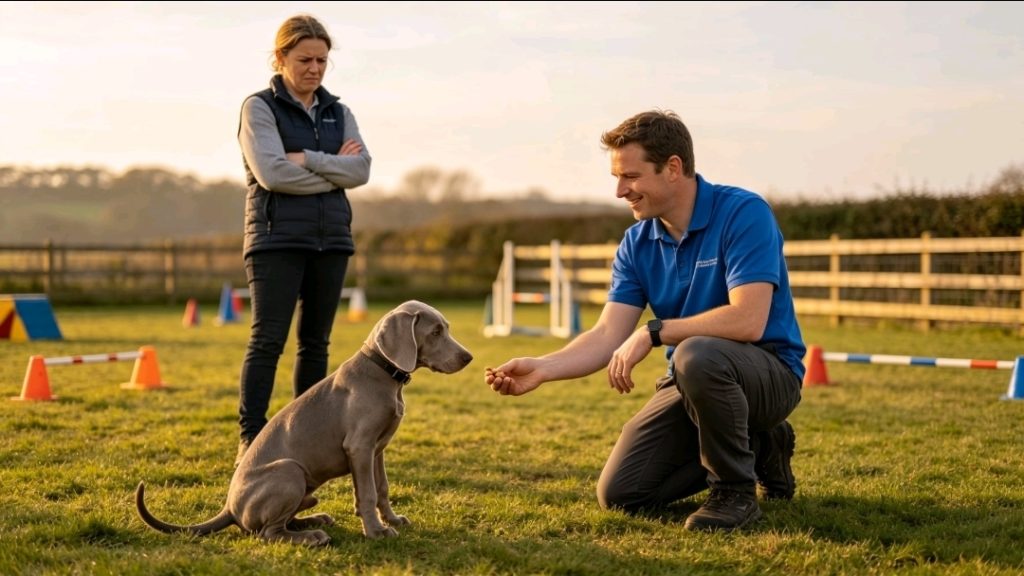
Common Puppy Training Mistakes New Owners Make frequently involve a lack of routine.
Puppies thrive when daily activities follow a predictable structure.
Important routines include:
- Feeding times.
- Toilet breaks.
- Rest periods.
- Play sessions.
- Training sessions.
- Socialisation experiences.
A structured routine helps reduce stress while improving learning and behavioural stability.
Training Sessions That Are Too Long
Many owners believe longer training sessions produce faster results.
In reality, Common Puppy Training Mistakes New Owners Make often include overwhelming puppies with excessive training.
Young puppies generally learn best through:
- Short sessions.
- Frequent repetitions.
- Positive experiences.
- Consistent routines.
Keeping sessions enjoyable helps maintain motivation and focus.
Quality is more important than duration.
Skipping Engagement Training
Common Puppy Training Mistakes New Owners Make often occur when owners attempt obedience training before creating engagement.
Engagement is the puppy’s willingness to focus on and interact with the handler.
Without engagement:
- Focus decreases.
- Motivation decreases.
- Distractions become stronger.
- Obedience becomes unreliable.
Building engagement first makes every future training exercise easier.
Ignoring Environmental Training
Environmental exposure is frequently overlooked by inexperienced owners.
Common Puppy Training Mistakes New Owners Make include limiting the puppy’s experiences during critical development periods.
Puppies should be introduced gradually to:
- Different surfaces.
- Sounds.
- Locations.
- Objects.
- Environments.
- Everyday situations.
Controlled exposure helps create confidence and stability.

Progressing Too Quickly
One of the most common mistakes owners make is increasing difficulty before the puppy is ready.
Common Puppy Training Mistakes New Owners Make often involve:
- Increasing distractions too quickly.
- Increasing duration too quickly.
- Increasing distance too quickly.
- Moving into busy environments too soon.
Training progression should be gradual and based on success rather than speed.
Consistent success builds confidence and reliability.
How Training Mistakes Create Future Problems
Many behavioural issues seen in adolescent and adult dogs can often be traced back to early training mistakes.
Examples include:
- Poor recall.
- Lack of focus.
- Pulling on the lead.
- Reactivity.
- Low confidence.
- Poor engagement.
- Inconsistent obedience.
Recognising Common Puppy Training Mistakes New Owners Make early helps prevent these issues from developing later.
Conclusion
Common Puppy Training Mistakes New Owners Make are often easy to avoid once owners understand how puppies learn. Consistent rewards, correct timing, strong foundations, structured routines, environmental exposure, and gradual progression all play important roles in successful puppy development.
By avoiding these common mistakes, owners can create a confident, engaged, and well-balanced puppy that is prepared for future training and everyday life.
Course Recommendation
Fundamentals 1 is designed for puppies aged 6 weeks to 6 months and covers engagement building, confidence development, reward systems, obedience foundations, socialisation, environmental exposure, lead training, and early puppy development.
Continue Your Training Journey With Our Online Courses
Now that you have started building strong foundations with your puppy, the next stage of development is continuing that training through our structured online courses.
Fundamentals 2 is designed for adolescent dogs between 6 and 18 months of age and focuses on real-world obedience, lead walking around distractions, engagement, confidence building, recall development, and managing common teenage dog behaviours. This online course helps owners navigate one of the most challenging stages of dog ownership while continuing to build reliability and control.
Fundamentals 3 is designed for adult dogs and takes training to an advanced level. This online course covers advanced obedience, off-lead control, engagement, handler communication, calmness, environmental neutrality, distraction proofing, and real-world dog training. Fundamentals 3 helps owners create reliable, confident, and well-balanced dogs capable of performing successfully in everyday situations.
Explore Fundamentals 2 and Fundamentals 3 to continue your dog’s training progression and build the skills needed for long-term success.