
Building Confidence in Nervous Puppies
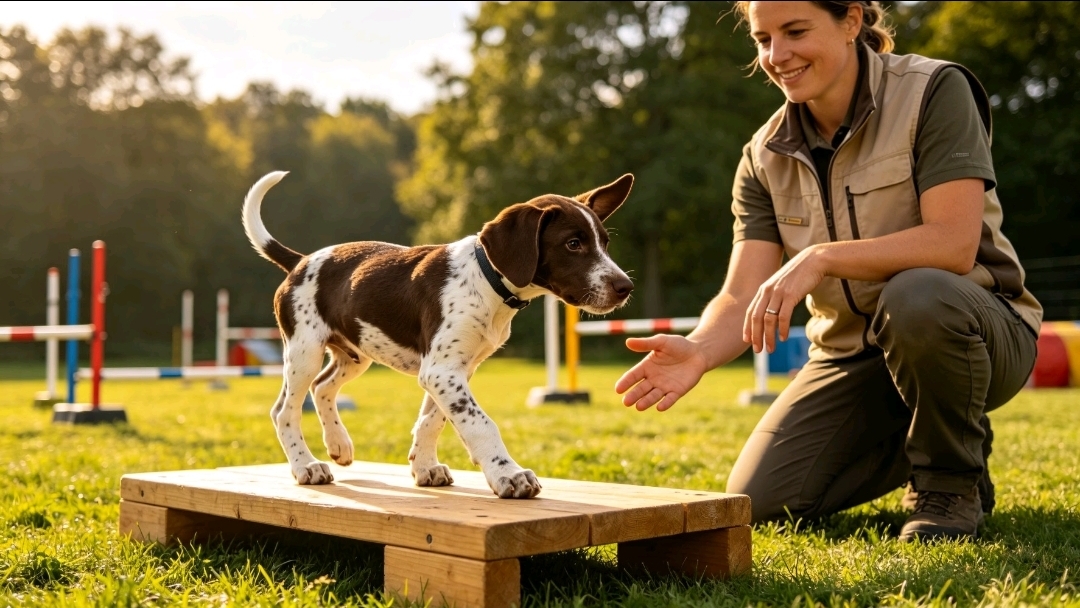
Introduction
Building Confidence in Nervous Puppies is one of the most important aspects of early puppy development. A confident puppy is more likely to learn effectively, adapt to new situations, recover from stress, and develop into a stable adult dog.
Many behavioural problems seen in older dogs can often be linked to a lack of confidence during early development. Building Confidence in Nervous Puppies helps prevent fear-based behaviours while creating a stronger foundation for obedience, socialisation, and future advanced training.
Building Confidence in Nervous Puppies should focus on creating successful experiences rather than forcing puppies into situations they are not ready for.
Why Confidence Matters
Building Confidence in Nervous Puppies affects every area of training and behaviour.
Confidence directly influences:
- Obedience training.
- Socialisation.
- Environmental stability.
- Problem-solving ability.
- Recovery from stress.
- Focus and engagement.
- Future advanced training.
A confident puppy is more willing to explore, learn, and interact with the world around them.
Developing confidence early often prevents future behavioural issues.
Understanding Nervous Behaviour
Before Building Confidence in Nervous Puppies, owners must learn to recognise signs of uncertainty.
Common signs include:
- Hesitation.
- Avoidance.
- Freezing.
- Excessive dependence on the handler.
- Startling easily.
- Lack of curiosity.
- Reluctance to explore.
These behaviours do not necessarily mean the puppy is fearful. Many puppies simply require additional guidance and exposure to build confidence gradually.
Building Confidence in Nervous Puppies starts by understanding the puppy’s individual comfort level.
Using Reward Systems to Build Confidence
Reward systems play a major role in Building Confidence in Nervous Puppies.
Rewards help create positive associations with new experiences.
Rewards may include:
- Food.
- Toys.
- Play.
- Praise.
- Handler interaction.
The goal is to help the puppy associate new environments and challenges with positive outcomes.
Confidence grows when puppies repeatedly experience success.
Environmental Exposure Training
Building Confidence in Nervous Puppies requires controlled environmental exposure.
Examples include:
- Grass.
- Gravel.
- Wooden surfaces.
- Metal surfaces.
- Small steps.
- Different locations.
- New sights and sounds.
Environmental exposure should be introduced gradually and at a pace suitable for the individual puppy.
Successful exposure creates confidence while excessive pressure can reduce confidence.
Using Play to Develop Confidence
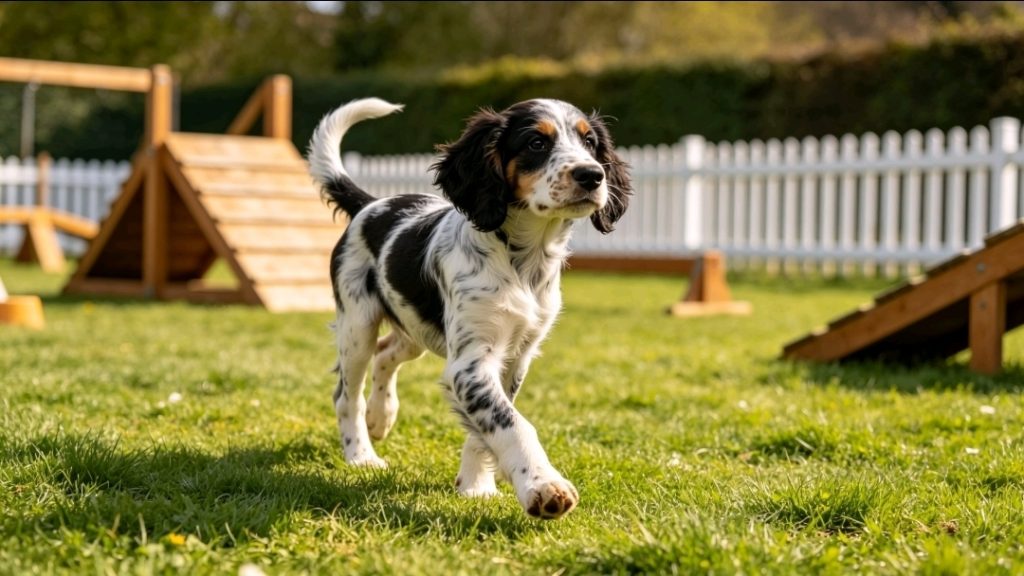
Play is one of the most effective ways of Building Confidence in Nervous Puppies.
Play helps develop:
- Engagement.
- Motivation.
- Problem-solving.
- Recovery from stress.
- Relationship building.
A puppy that enjoys interacting with the handler through play often becomes more willing to explore unfamiliar situations.
Play creates positive emotional experiences that help strengthen confidence.
Obstacle Training for Confidence Development
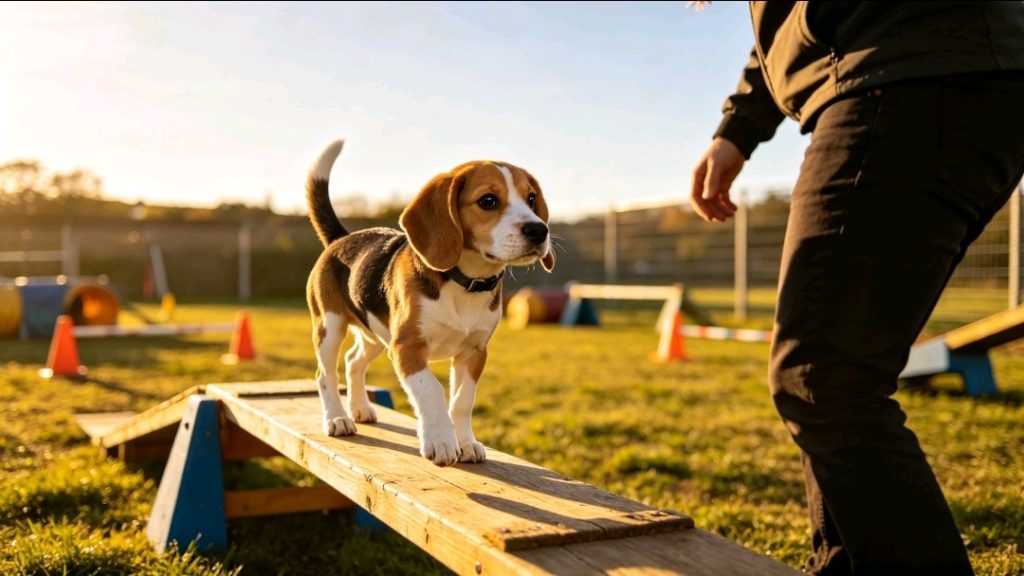
Obstacle exposure can significantly assist in Building Confidence in Nervous Puppies.
Examples include:
- Low platforms.
- Small tunnels.
- Balance equipment.
- Steps.
- Ramps.
- Novel objects.
The goal is not athletic performance.
The goal is teaching the puppy to investigate, overcome challenges, and succeed.
Every successful obstacle creates another confidence-building experience.
Controlled Social Experiences
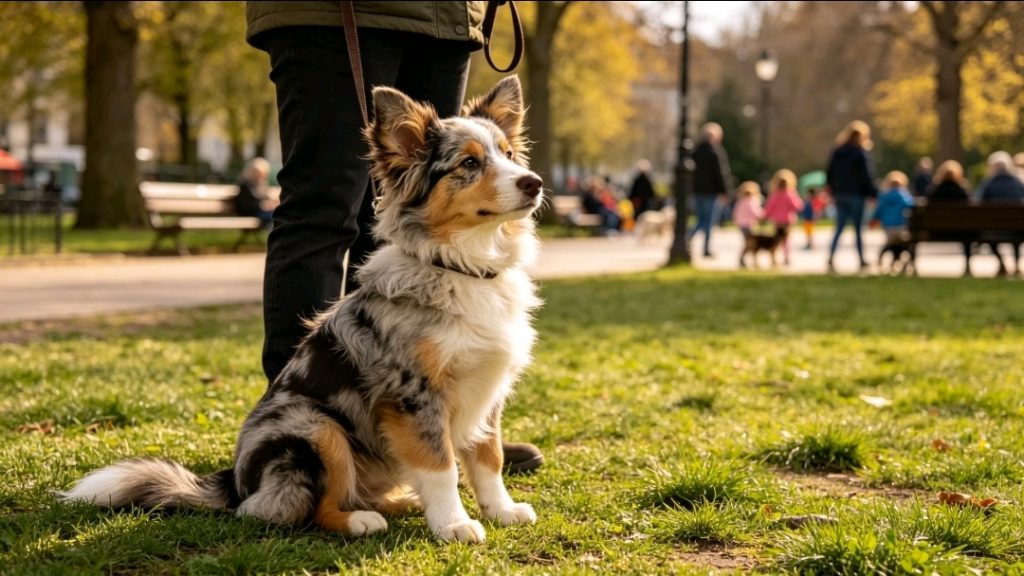
Building Confidence in Nervous Puppies also includes carefully managed social experiences.
Controlled exposure may include:
- Calm adults.
- Well-behaved children.
- Stable dogs.
- Public environments.
- Everyday activities.
Quality of exposure is far more important than quantity.
Positive experiences help create confidence while overwhelming situations may have the opposite effect.
Confidence and Future Training
Building Confidence in Nervous Puppies directly affects future training progression.
Confident puppies generally progress faster in:
- Obedience training.
- Engagement development.
- Lead training.
- Tracking.
- Advanced luring.
- Protection training foundations.
- Environmental stability exercises.
A strong confidence foundation often makes future training significantly easier.
Confidence should always be developed before introducing higher levels of difficulty.
Common Confidence Building Mistakes
Several mistakes can slow progress when Building Confidence in Nervous Puppies.
Common mistakes include:
- Forcing exposure.
- Moving too quickly.
- Punishing uncertainty.
- Ignoring stress signals.
- Creating overwhelming situations.
- Comparing puppies to other dogs.
Confidence grows through successful experiences, patience, and gradual progression.
Conclusion
Building Confidence in Nervous Puppies creates the foundation for obedience, socialisation, environmental stability, and future advanced training. Through structured environmental exposure, reward systems, play development, obstacle training, and controlled social experiences, owners can help their puppies develop confidence safely and effectively.
A confident puppy is more adaptable, more resilient, and better prepared for the challenges of everyday life.
Course Recommendation
Fundamentals 1 is designed for puppies aged 6 weeks to 6 months and covers confidence development, engagement building, obedience foundations, socialisation, environmental exposure, reward systems, lead training, and early puppy development.

