
Why Hiring a Professional Dog Trainer Can Change Your Dog’s Life
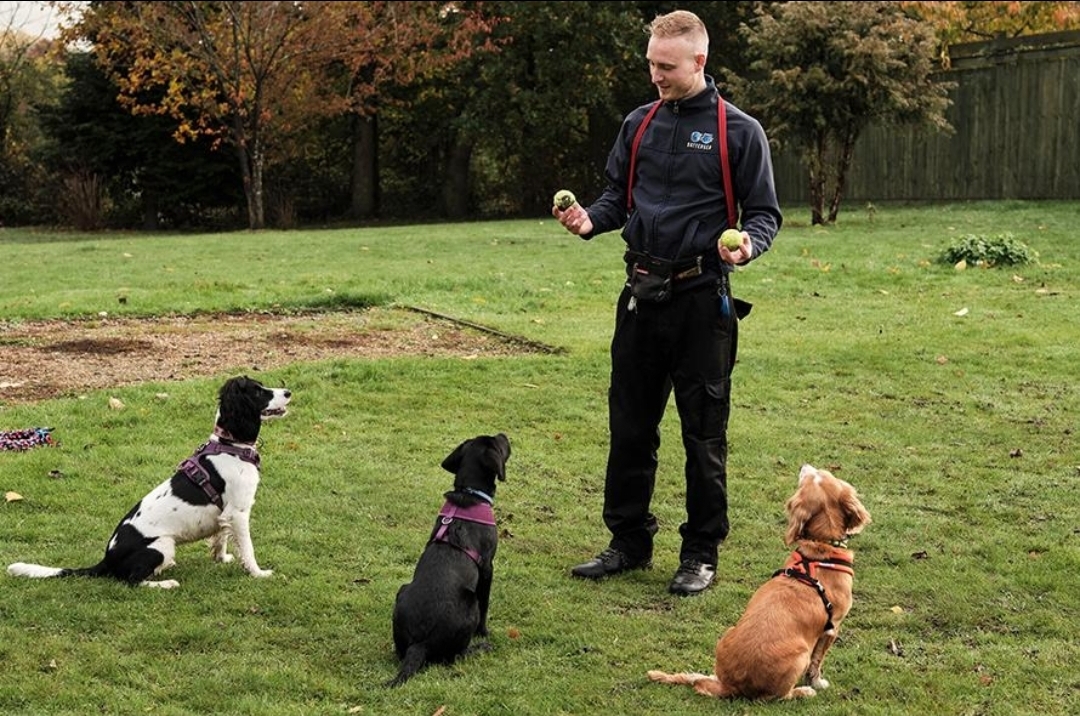
Dogs are not born bad.
Most puppies enter the world with a clean slate and learn from the environment around them. One of the biggest misconceptions in dog ownership is believing that a dog is naturally naughty, stubborn, aggressive, or disobedient.
The reality is much simpler.
Most unwanted behaviours are learned behaviours.
Dogs learn through repetition and consequences. If a behaviour produces a result the dog finds rewarding, it is likely to be repeated. Whether that behaviour involves barking, chewing furniture, jumping up, stealing food, or ignoring recall commands, the dog is simply repeating something that has worked before.
Understanding how dogs learn is often the first step towards solving behavioural problems and creating lasting change.
Dogs Are Not Born Bad
Many owners unknowingly reward behaviours they do not want.
Dogs do not understand where food comes from in the same way humans do. They do not know that you went to work, earned money, visited a supermarket, purchased food, and brought it home.
Instead, food simply appears.
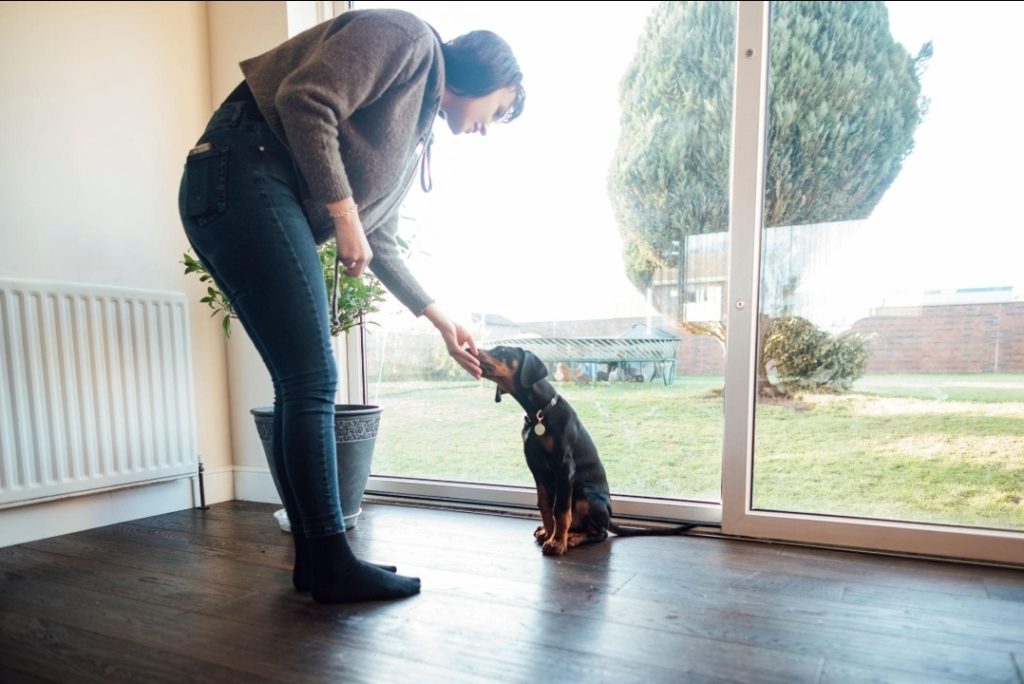
For example:
- If a dog barks and food appears, the dog may believe barking caused the food to appear.
- If a dog jumps up and receives attention, the dog learns that jumping works.
- If a dog steals food from the kitchen counter and successfully eats it, the behaviour becomes rewarding.
This is how unwanted habits develop.
The good news is that learned behaviours can usually be changed with the correct training plan and consistent guidance.
Learned Behaviours and Genetics
While most behavioural issues are learned, genetics can still influence certain traits.
Some dogs may inherit characteristics from parents, grandparents, and previous generations within the bloodline.
These inherited tendencies may include:
- Fearfulness
- Nervousness
- Sensitivity
- Lack of confidence
However, inherited traits do not determine a dog’s future.
With appropriate training, confidence-building exercises, and consistency, significant improvements can often be achieved.
While genetics may influence certain tendencies, most everyday behavioural problems develop through repetition, experience, and environmental learning.
When a Professional Trainer Should Visit Your Home
Some training can be successfully completed in public environments such as parks, training fields, and outdoor spaces.
Examples include:
- Recall training
- Loose lead walking
- Basic obedience
- Socialisation
- Focus around distractions
However, some behavioural issues occur specifically inside the home.
Common examples include:
- Counter surfing
- Stealing food from tables
- Barking at windows
- Jumping on visitors
- Guarding furniture
- Household routine issues
- Separation-related behaviours
In these situations, a professional dog trainer often needs to assess the dog within its home environment.
Observing the behaviour where it naturally occurs allows the trainer to identify triggers, understand contributing factors, and develop a realistic training plan tailored to your household.
Understanding Positive Reinforcement
One of the reasons positive reinforcement has become so widely used by professional trainers is because it focuses on teaching dogs what to do rather than simply punishing behaviours owners dislike.
Many owners mistakenly believe that shouting, physical corrections, or intimidation have successfully taught a lesson because the unwanted behaviour appears to stop.
However, stopping a behaviour and teaching a behaviour are not always the same thing.
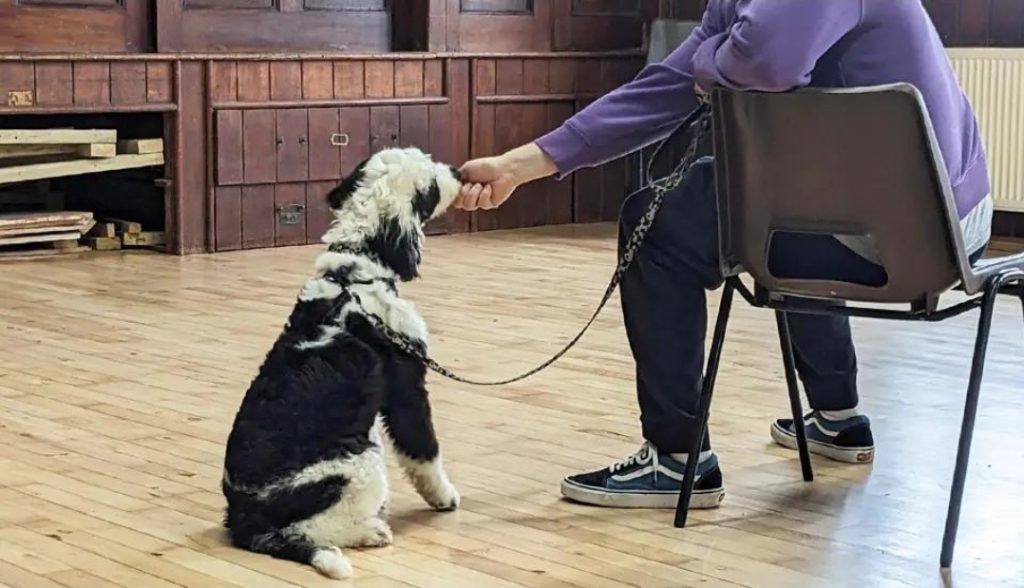
A dog may stop moving, barking, or interacting because it is worried about the consequences rather than because it understands what is expected.
This is commonly referred to as behavioural suppression.
The behaviour appears to disappear, but the dog has not necessarily learned an alternative response.
Instead, the dog may simply learn to avoid acting when the owner is present.
Positive reinforcement takes a completely different approach.
Rather than teaching the dog what to avoid, it teaches the dog exactly which behaviours produce success.
The dog learns how to earn rewards rather than how to avoid punishment.
This a dog that is:
- Confident
- Engaged
- Motivated
- Eager to learn
Fight, Flight, and Freeze
Dogs possess natural survival responses commonly known as:
- Fight
- Flight
- Freeze
When a dog feels threatened, overwhelmed, frightened, or intimidated, it may display one of these responses.
Many owners mistake freezing for obedience.
In reality, the dog may simply be shutting down because it does not know how to respond to the pressure being placed upon it.
A dog that freezes may appear calm externally while internally experiencing:
- Anxiety
- Confusion
- Stress
- Uncertainty
This is another reason positive reinforcement is so effective.
Instead of creating fear, it creates understanding.
Instead of creating avoidance, it promotes learning.
Why Punishment Often Fails
Another issue with punishment-based methods is that dogs often suppress behaviours only when the owner is present.
For example, a dog may stop stealing food from the kitchen counter when the owner enters the room because it anticipates being shouted at.
However, once supervision disappears, the dog has not learned an alternative behaviour.
The dog has simply learned when it is safe to continue.
As a result, the behaviour frequently returns whenever the owner is absent.
In some situations, fear-based training methods may unintentionally increase:
- Frustration
- Anxiety
- Stress
- Nervousness
- Reactivity
The dog is not being difficult.
The dog is simply trying to navigate confusion, stress, and its natural instincts.
The Importance of Timing
Positive reinforcement works because it provides clear communication.
Dogs learn from what happens at that exact moment.
If rewards are delivered too late, the dog may associate the reward with an entirely different behaviour.
For example, if a dog sits on command but stands up before receiving the reward, the dog may believe both actions contributed to earning the reward.
Professional trainers therefore pay close attention to:
- Timing
- Reward placement
- Consistency
The clearer the information, the faster and more accurately the dog learns.
Building Confidence Through Positive Reinforcement
Positive reinforcement builds confidence because the dog understands how to succeed.
Rather than worrying about making mistakes, the dog actively seeks opportunities to perform the correct behaviour.
This creates a dog that is:
- Engaged
- Motivated
- Confident
- Eager to learn
Most importantly, positive reinforcement helps establish behaviours that remain reliable even when the owner is not present.
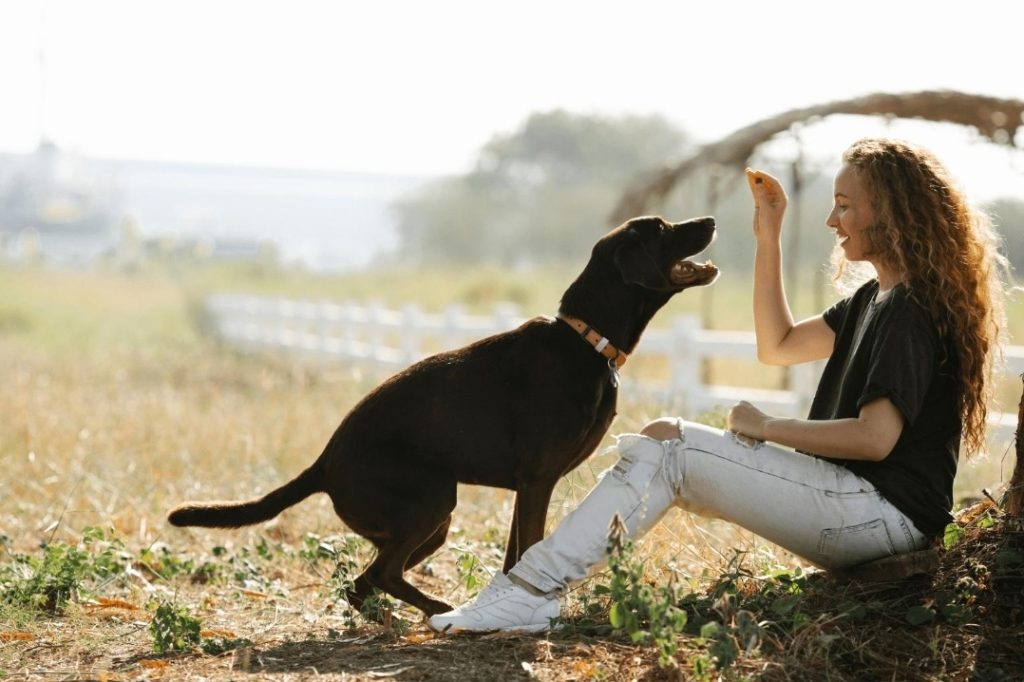
The objective is not merely to stop unwanted behaviours temporarily.
The goal is to create lasting behavioural change that becomes part of the dog’s everyday life.
When dogs understand what is expected and are consistently rewarded for making good decisions, communication improves and the relationship between dog and owner becomes significantly stronger.
Preparing Your Dog for Training
Food is one of the most powerful rewards available because nearly every dog values food.
For this reason, food is commonly used during training sessions.
Three Days Before Training
To help maximise motivation:
- Reduce your dog’s daily food intake to approximately 75% of normal.
- Continue this reduction during the three days leading up to the session.
- Ensure fresh drinking water is available at all times.
On the Day of Training
- Provide a smaller meal than usual before the appointment.
- Bring any food requested by your trainer.
- Bring your dog’s favourite treats if advised.
Many owners worry their dog will be hungry.
There is no need for concern.
Food rewards used during training contribute towards your dog’s daily calorie intake and help replace the reduction made beforehand.
The objective is not to starve the dog.
The objective is to increase motivation and engagement.
A dog that has recently eaten a large meal is often less interested in working for rewards.
A dog that is slightly hungry is usually far more focused and motivated to learn.
Understanding Prey Drive
Food is not the only reward available during training.
Many dogs are highly motivated by toys and games. This motivation is often referred to as prey drive.

Dogs with strong prey drive typically enjoy:
- Chasing
- Retrieving
- Tugging
- Interacting with moving objects
For these dogs, a favourite toy can be just as rewarding as food.
If your dog has a favourite:
- Ball
- Tug toy
- Reward toy
Bring it to the training session.
Not every dog possesses a strong prey drive, however.
Some dogs show very little interest in toys regardless of how exciting they appear.
In these cases, food rewards are usually the most effective training tool.
A professional trainer will identify what motivates your dog and use those rewards to encourage desired behaviours.
Final Thoughts
Training is not about punishment.
Training is not about dominance.
Training is about communication.
Most unwanted behaviours are learned behaviours, and learned behaviours can usually be changed with the correct training plan.
By combining:
- Positive reinforcement
- Food rewards
- Toy rewards where appropriate
- Clear communication
- Consistency
You can help your dog develop better habits and become a happier, more confident companion.
The sooner training begins, the sooner both you and your dog can enjoy a stronger relationship built on trust, understanding, and long-term success.

