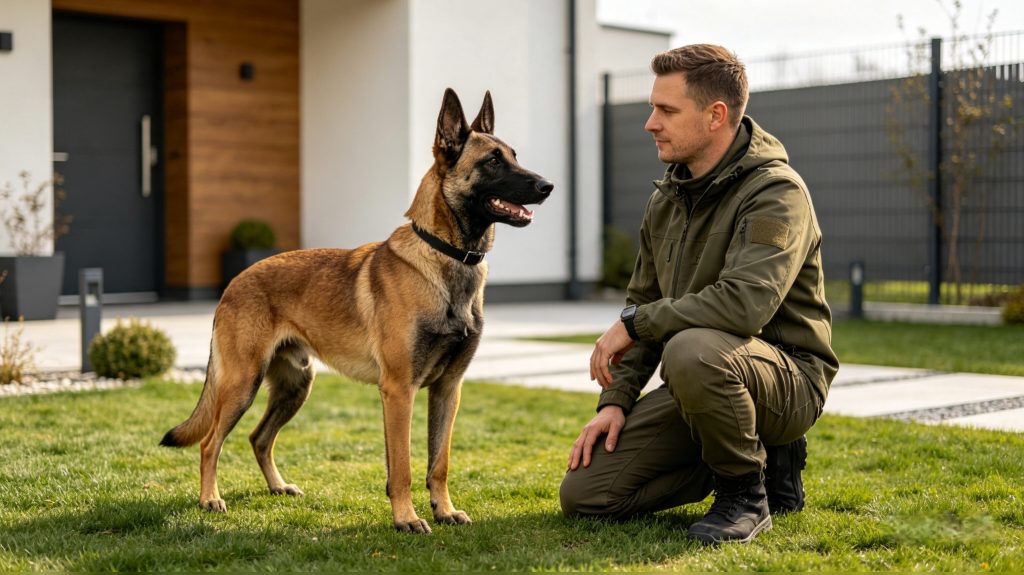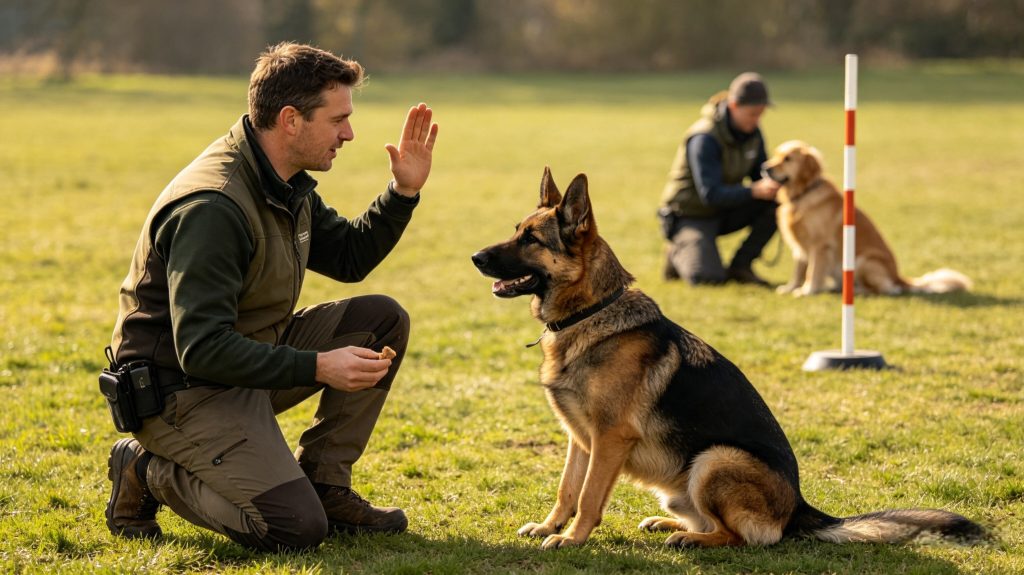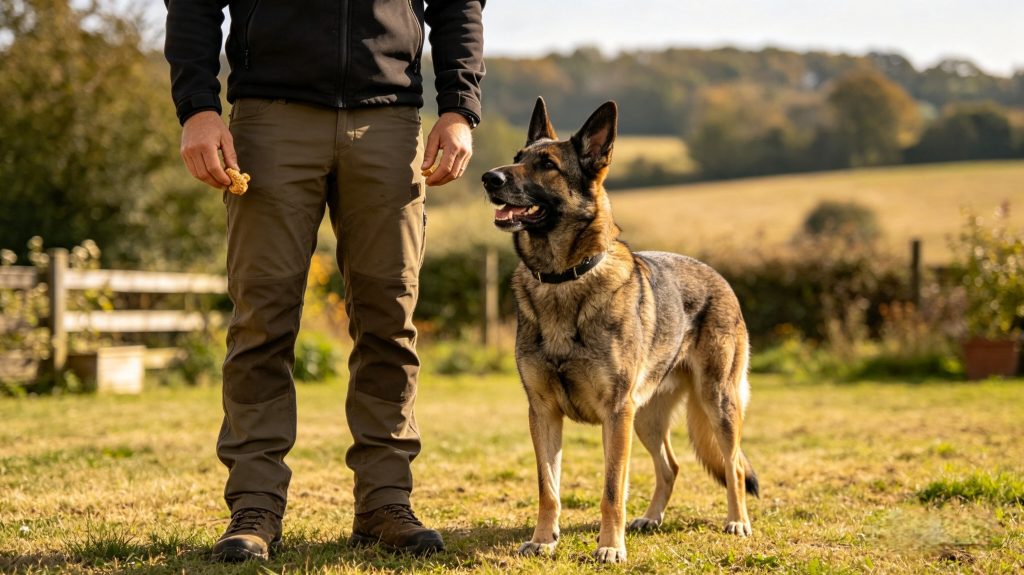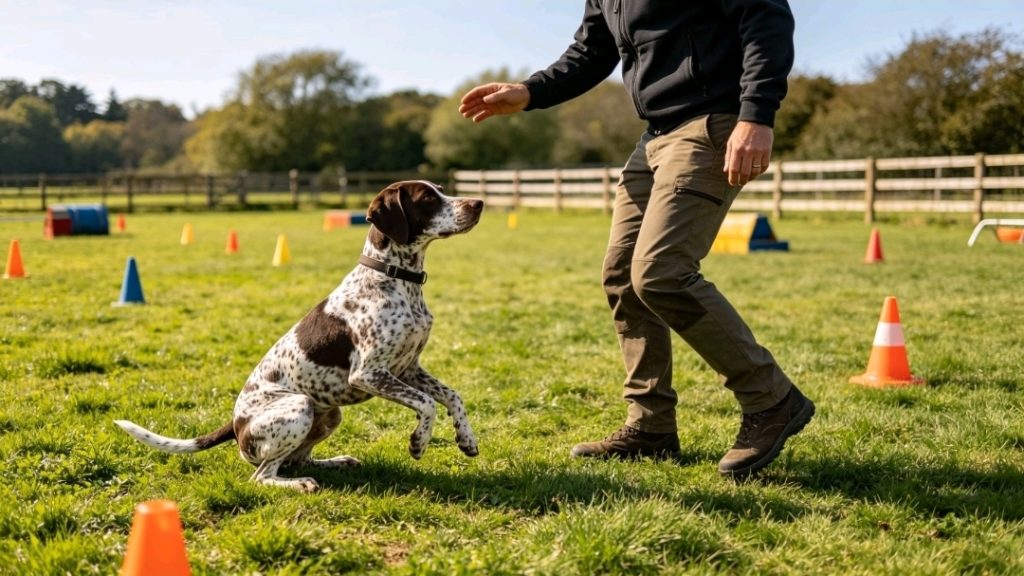
Managing Adolescent Energy and Chewing when Training Adolescent Dogs Between 6 And 18 Months often involves managing increased energy levels and a resurgence of chewing behaviours. During adolescence, many dogs become physically stronger, more confident, and more active than they were as puppies. Fundamentals 2 teaches owners how to channel this energy into productive activities while preventing destructive habits. Successfully Training Adolescent Dogs Between 6 And 18 Months requires both physical exercise and mental stimulation to create a balanced and well-behaved dog.
Why Managing Energy And Chewing Is Important
A major challenge when Training Adolescent Dogs Between 6 And 18 Months is ensuring that excess energy is directed appropriately. Dogs that lack sufficient physical and mental stimulation often create their own entertainment, which may include chewing furniture, stealing household items, digging, barking, or other unwanted behaviours. Managing energy effectively helps prevent these behaviours while supporting overall development.
Fundamentals 2 focuses on creating structured outlets that satisfy the dog’s natural drives in a controlled and productive way.

Providing Physical And Mental Stimulation
An important part of Training Adolescent Dogs Between 6 And 18 Months is understanding that exercise alone is not enough. While physical activity helps burn energy, mental stimulation often tires a dog more effectively. Obedience exercises, engagement games, scent work, problem-solving tasks, and structured training sessions all help satisfy the dog’s need for mental challenges.
Fundamentals 2 teaches owners how to balance physical activity with mental enrichment to create a calmer and more focused adolescent dog.
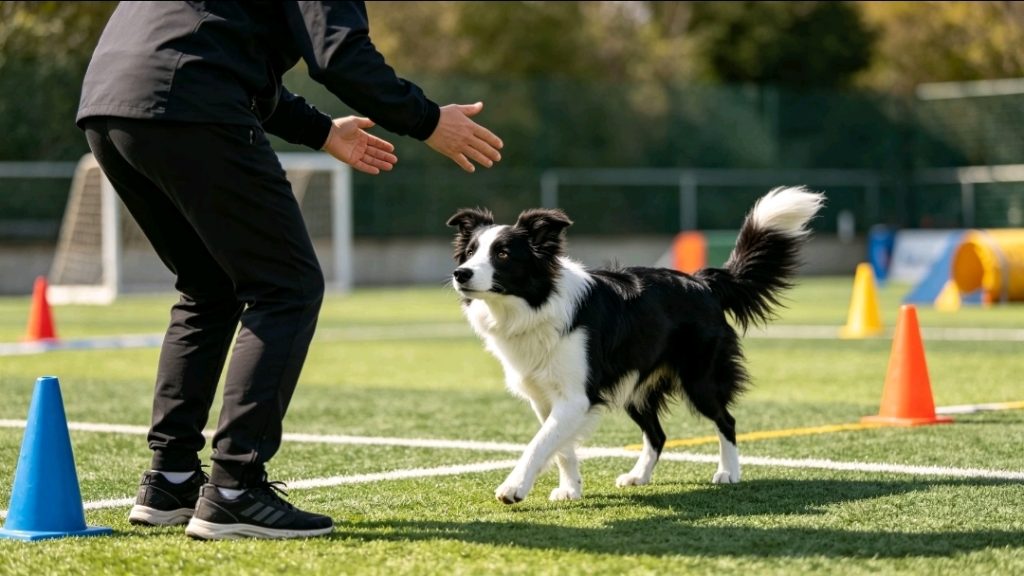
Using Toys, Puzzles, And Training Games
As part of Training Adolescent Dogs Between 6 And 18 Months, owners should provide constructive activities that keep the dog occupied and mentally engaged. Puzzle toys, enrichment activities, food-dispensing toys, and structured training games can all help prevent boredom while encouraging appropriate behaviour.
Fundamentals 2 demonstrates how training itself can become a rewarding activity that strengthens the relationship between dog and handler while reducing unwanted behaviours.

Redirecting Chewing To Appropriate Items
One of the most effective strategies during Training Adolescent Dogs Between 6 And 18 Months is teaching the dog what it is allowed to chew rather than simply correcting unwanted chewing. Providing appropriate chew items helps satisfy natural chewing instincts while protecting household belongings.
Fundamentals 2 focuses on redirecting behaviour calmly and consistently so that the dog learns which items are acceptable and which are not.
Building Self-Control Through Structured Training
Another important part of Training Adolescent Dogs Between 6 And 18 Months is teaching the dog how to switch off and relax after activity. High-energy dogs benefit from learning both excitement and calmness. Structured training sessions followed by appropriate rest periods help create balance and improve overall behaviour.
Fundamentals 2 teaches owners how to build self-control, focus, and calmness while still meeting the dog’s physical and mental needs.

Fundamentals 2 Progression
Managing Adolescent Energy And Chewing is an important part of Training Adolescent Dogs Between 6 And 18 Months. Fundamentals 2 teaches owners how to provide appropriate outlets for physical and mental stimulation, use enrichment activities effectively, redirect chewing behaviour, and create a balanced lifestyle that supports long-term obedience, confidence, and behavioural stability.
Continue Your Training Journey With Our Online Courses
As your dog progresses through adolescence, it is important to continue developing both obedience and engagement through structured training. If you are working with a younger dog or would like to strengthen foundation skills, Fundamentals 1 provides a complete online training programme covering engagement, socialisation, confidence building, obedience foundations, lead training, recall development, and early behavioural shaping. These foundation skills support every stage of your dog’s training journey.
For owners looking to progress beyond adolescent training, Fundamentals 3 is our advanced online dog training course designed for adult dogs. This course focuses on advanced obedience, off-lead control, distraction proofing, handler communication, engagement development, calmness, environmental neutrality, and real-world reliability. Fundamentals 3 bridges the gap between basic obedience and advanced dog training, helping owners build confident, reliable, and well-balanced dogs capable of performing successfully in everyday environments.
Explore Fundamentals 1 and Fundamentals 3 to continue your dog’s training progression and build long-term obedience, reliability, and real-world control.