Introduction To Training Adolescent Dogs Between 6 And 18 Months
Training Adolescent Dogs Between 6 And 18 Months is one of the most important stages of dog development. During adolescence, dogs experience physical growth, hormonal changes, increased confidence, and a greater desire to explore their environment. Many owners notice that behaviours previously learned during puppyhood suddenly appear less reliable.
The goal of Training Adolescent Dogs Between 6 And 18 Months is to create structure, consistency, and clear communication while continuing to develop obedience and engagement. This stage forms the bridge between puppy foundations and advanced dog training.
The Fundamentals 2 course focuses specifically on helping owners navigate this challenging stage while building reliable obedience in real-world environments.

Why Adolescence Is A Challenging Stage
Many owners struggle with Training Adolescent Dogs Between 6 And 18 Months because dogs begin testing boundaries and making independent decisions. This is completely normal and forms part of natural development.
During this stage, dogs often become more interested in people, dogs, wildlife, smells, and environmental distractions than they were during puppyhood. This can make obedience appear inconsistent even when the dog previously performed well.
The Fundamentals 2 course teaches owners how to work through these changes without creating frustration or confusion.

Building Engagement During Adolescence
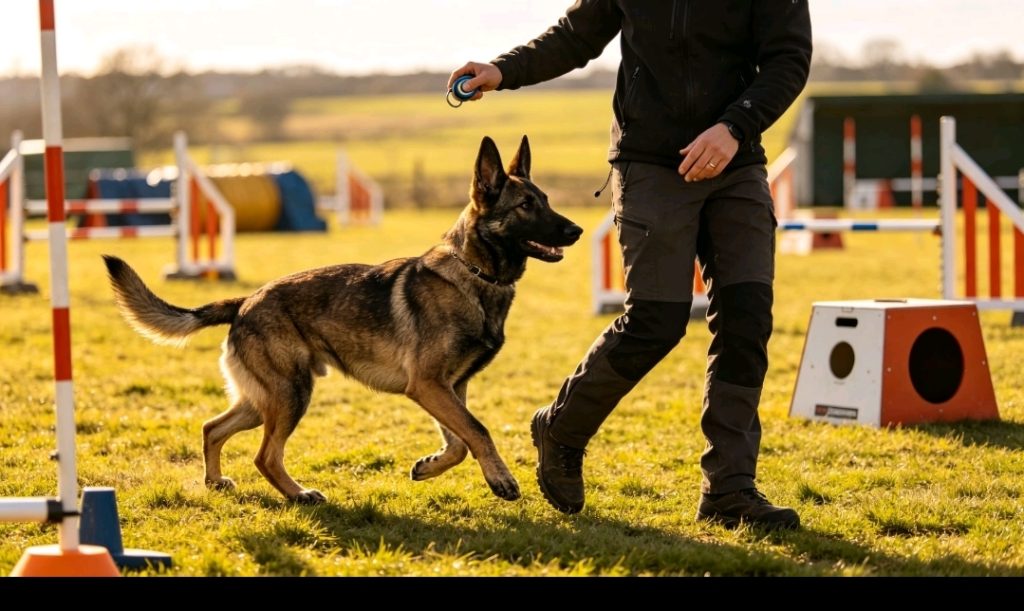
A major part of Training Adolescent Dogs Between 6 And 18 Months involves rebuilding and strengthening engagement. Engagement is the dog’s willingness to focus on and work with the handler despite environmental distractions.
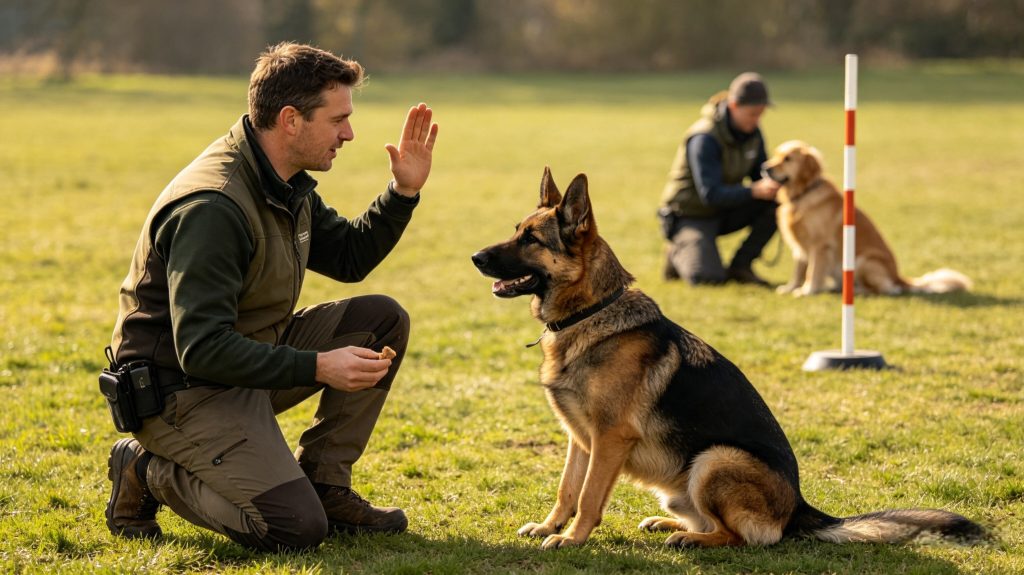
Engagement can be developed through structured reward systems, consistent training sessions, play development, food motivation, and clear communication. When engagement improves, obedience becomes easier because the dog chooses to pay attention to the handler.
The Fundamentals 2 course places significant emphasis on engagement because engagement creates the foundation for reliable obedience in public environments.

Developing Reliable Obedience
Successful Training Adolescent Dogs Between 6 And 18 Months requires consistent obedience work. Basic commands should continue to be practised regularly in different locations and environments.
Dogs should learn that obedience applies everywhere, not just in familiar locations. Gradually increasing distractions helps build reliability while maintaining confidence and motivation.
The Fundamentals 2 course teaches owners how to progress from controlled training environments into realistic everyday situations without overwhelming the dog.

Managing Common Adolescent Behaviour
Many behavioural issues appear during Training Adolescent Dogs Between 6 And 18 Months. Pulling on the lead, selective listening, overexcitement, excessive energy, and distraction are all common challenges.
Rather than viewing these behaviours as failures, owners should see them as training opportunities. Consistent structure and guidance help dogs learn appropriate responses while maintaining confidence and motivation.
The Fundamentals 2 course provides practical systems that help owners manage and improve these behaviours during adolescence.

Preparing For Advanced Training
One of the main objectives of Training Adolescent Dogs Between 6 And 18 Months is preparing the dog for future advanced training. A dog that develops engagement, obedience, confidence, and reliability during adolescence will progress more easily into advanced obedience, tracking, protection work, and specialised training.
Strong foundations reduce future behavioural problems and create a dog that is confident, responsive, and enjoyable to work with.
The Fundamentals 2 course acts as the critical stepping stone between puppy development and advanced dog training.
Conclusion
Training Adolescent Dogs Between 6 And 18 Months is a critical stage that shapes a dog’s future behaviour, obedience, confidence, and overall reliability. While adolescence can be challenging, it also provides an excellent opportunity to strengthen communication and develop long-term training success.
The Fundamentals 2 course is designed to help owners navigate adolescence successfully by improving engagement, obedience, structure, confidence, and real-world reliability. Dogs that receive proper guidance during this stage are far more likely to become calm, confident, and dependable adult companions.
Continue Your Training Journey With Our Online Courses
As your dog progresses through adolescence, it is important to continue developing both obedience and engagement through structured training. If you are working with a younger dog or would like to strengthen foundation skills, Fundamentals 1 provides a complete online training programme covering engagement, socialisation, confidence building, obedience foundations, lead training, recall development, and early behavioural shaping. These foundation skills support every stage of your dog’s training journey.
For owners looking to progress beyond adolescent training, Fundamentals 3 is our advanced online dog training course designed for adult dogs. This course focuses on advanced obedience, off-lead control, distraction proofing, handler communication, engagement development, calmness, environmental neutrality, and real-world reliability. Fundamentals 3 bridges the gap between basic obedience and advanced dog training, helping owners build confident, reliable, and well-balanced dogs capable of performing successfully in everyday environments.
Explore Fundamentals 1 and Fundamentals 3 to continue your dog’s training progression and build long-term obedience, reliability, and real-world control.