
No products in the cart.

Critical Commands
Building Practical and Reliable Control With Your Dog
Control is one of the most important skills a dog can learn. It allows the dog and handler to work together with safety, awareness, and cooperation.
However, dependable control is not created through quick tricks or forced obedience. It develops gradually through clear communication, structure, and consistent training.
When a dog truly understands these commands, it no longer reacts only on instinct. Instead, the dog learns to pause, respond, and reconnect with the handler. The process is gradual, and both the dog and the handler improve together as training develops.
The goal is to create responses that remain reliable, predictable, and controlled in any real-world situation.
Understanding the Three Core Control Commands
Different environments and real-life situations require more than basic obedience. Learning how to interrupt movement and regain a dog’s attention helps handlers maintain safety and communication during unexpected events.
The following three commands represent common ways handlers manage their dog and regain control when the dog becomes focused on something in the environment.
Emergency Stop
Emergency Stop focuses on immediately stopping the dog’s movement when it is running toward something exciting.
The dog learns to interrupt its behaviour and stop when instructed by the handler. Unlike basic obedience commands, the dog must respond even when highly motivated by something in the environment.
Instead of continuing forward, the dog pauses and waits for the handler’s next instruction.
The purpose of Emergency Stop is to prevent the dog from reaching whatever it was chasing.
Common uses include:
• Stopping a dog chasing wildlife
• Interrupting movement toward danger
• Preventing the dog reaching a distraction
• Maintaining control during high excitement
Emergency Stop is designed to give the handler immediate control in situations where timing is critical.
Recall
Recall is a more structured command where the dog returns to the handler after movement has been interrupted.
The dog may first be stopped using the Emergency Stop command before it reaches the distraction. Once the dog stops, the recall command directs the dog to turn around and move back to the handler.
In Recall, the dog shifts its attention away from the environment and reconnects with the handler.
This style is commonly used for:
• Calling the dog back during walks
• Regaining control before the dog reaches something
• Re-establishing engagement and attention
Recall helps restore communication and allows the handler to regain full control of the dog.
Out
Out emphasizes releasing or disengaging from something the dog has already reached or taken.
In some situations the dog may grab an object, pick something up, or catch the target it was chasing. The command teaches the dog to immediately release whatever it is holding.
This command can also be used during normal everyday situations where the dog needs to give something up.
Out is often used for:
• Releasing objects picked up during walks
• Dropping items the dog has grabbed
• Disengaging from something the dog has caught
This command helps restore control and prevents situations from escalating unnecessarily.

Training for Real-World Environments
A well-trained dog must be able to respond outside of a controlled training field.
Dogs should learn how to apply their training while moving through everyday environments filled with distractions, changing surroundings, and unpredictable situations.
Training in real locations helps dogs understand how to maintain control and respond even when excitement levels increase.
This type of training prepares the dog for practical situations rather than limiting their skills to the training ground.
Communication Over Corrections
Some traditional training methods rely heavily on corrections or pressure to interrupt behaviour.
While these approaches may produce quick results in some cases, they can also create confusion or tension between the dog and handler.
A more effective training approach focuses on helping the dog understand the command clearly.
When dogs understand what is expected, they are more likely to respond quickly and consistently.
Key elements of effective control training include:
• Clear communication
• Consistent structure
• Controlled energy
• Purposeful timing
These elements help the dog respond to direction rather than simply reacting to pressure.
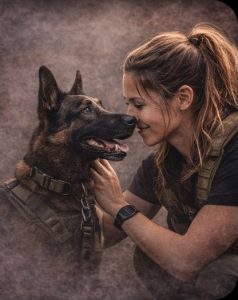
Creating a Strong Working Partnership
Control commands are more than simple instructions. They represent communication and understanding between dog and handler.
When trained properly, these commands help:
• Strengthen the bond between dog and handler
• Channel the dog’s energy into controlled behaviour
• Create reliable safety in real environments
Over time, the dog learns to respond confidently and consistently, creating a balanced partnership with the handler.
Critical Commands
Commands Control
£399Lifetime Access
- All premium features
- Online support
- Regular updates
- Personal training